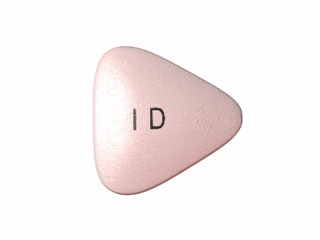

Voveran SR (Diclofenac) – Patient Information
Voveran SR is a brand of diclofenac formulated as SR (sustained release). It is used to relieve pain and inflammation from a range of conditions such as arthritis and musculoskeletal injuries. This page explains how Voveran SR works, how to take it safely, key interactions, and what to expect while using it.
| Product | Voveran SR (Diclofenac) |
|---|---|
| Type | NSAID pain-reliever (anti-inflammatory) – sustained release tablet |
| Active ingredient | Diclofenac |
| Common uses | Arthritis and painful inflammatory conditions |
| How it works | Reduces inflammation and pain by affecting prostaglandins |
| Typical dosing frequency | Often once daily with SR products (follow your local label/doctor instructions) |
What is Voveran SR?
Voveran SR contains diclofenac, an NSAID (Non-Steroidal Anti-Inflammatory Drug). The SR (“sustained release”) design releases diclofenac gradually, helping maintain pain relief for longer than immediate-release forms.
In Australia, diclofenac products are supplied under different strengths and pack types depending on formulation. Availability and exact indications may vary by product and regulatory status. Always check the pack you receive for the stated strength and instructions.
How Voveran SR works (mechanism of action)
Diclofenac belongs to a group of medicines called NSAIDs. It reduces pain and swelling by blocking the production of prostaglandins, chemical messengers involved in inflammation, pain signalling, and fever.
- Anti-inflammatory effect: reduces swelling and tenderness in inflamed tissues.
- Analgesic effect: helps relieve pain (e.g., stiffness, joint pain, flare-ups).
- Antipyretic effect: may reduce fever (less commonly a focus for this medicine).
Pharmacokinetics (how the body processes it)
Understanding how diclofenac behaves in the body can help you take it at the right time and avoid side effects.
- Absorption: With SR formulations, diclofenac is absorbed more gradually than immediate-release products. This supports steadier drug levels.
- Distribution: Diclofenac binds to plasma proteins. It distributes into tissues, including sites of inflammation.
- Metabolism: Diclofenac is mainly metabolised in the liver.
- Elimination: Metabolites are excreted primarily via the kidneys and to some extent via bile.
- Onset: Some pain relief may occur within hours, while full benefit may take several days depending on the condition.
Important: Individual response varies. Age, kidney function, liver health, other medicines, and the severity of inflammation can all affect how quickly you feel benefit and how you tolerate the medicine.
Typical uses and indications
Voveran SR is commonly used for conditions where inflammation contributes to pain. Typical indications may include:
- Arthritis (including inflammatory forms as advised on the product information)
- Osteoarthritis (pain and stiffness of joints)
- Rheumatic conditions where pain and inflammation are prominent
- Musculoskeletal pain such as strains and sprains, where inflammation is a key feature
- Back pain related to inflammatory or painful conditions (as advised by a clinician and per product label)
For the most accurate indication, refer to the specific “Directions” and “Indications” sections on the box or Consumer Medicine Information (CMI) for the exact product strength you have.
When and how to take Voveran SR (timing & administration)
Because Voveran SR is sustained release, timing and administration matter.
General timing guidance
- Follow the dosing schedule on your pack or the instructions provided by your healthcare professional.
- SR tablets are typically taken once daily, but your exact schedule depends on the dose and your condition.
- Take it at the same time each day to maintain consistent relief.
How to take it
- Swallow the tablet whole with water.
- Do not crush, split, or chew SR tablets unless the product information specifically allows it—altering SR release can change drug absorption and increase side effects.
- If you miss a dose, do not take a double dose. Take your next dose at the usual time.
Taking with food
Many NSAIDs are better tolerated when taken with or after food. Food may help reduce stomach irritation, indigestion, or nausea.
- Consider taking Voveran SR with meals if you experience stomach discomfort.
- Avoid taking on a completely empty stomach if you are prone to gastritis or have had stomach issues previously.
Food interactions
There are no “complete” food prohibitions for diclofenac, but certain eating habits can affect tolerance and safety.
- Take with food if you experience indigestion: this can reduce gastrointestinal side effects.
- Grapefruit and other citrus products: diclofenac is not typically known for grapefruit-specific issues, but always monitor if you’re on other medicines that may interact.
- Alcohol and NSAIDs: alcohol can worsen stomach irritation and increase bleeding risk (see below).
- Stay hydrated: dehydration can increase the risk of kidney problems in some patients taking NSAIDs.
Alcohol interactions
Combining NSAIDs like diclofenac with alcohol may increase the risk of:
- Gastrointestinal bleeding (stomach or intestinal bleeding)
- Gastritis and ulcers
- Worsened dizziness or stomach upset
Recommendation: Limit alcohol while using Voveran SR, and avoid heavy drinking. If you experience black/tarry stools, vomiting blood, or severe stomach pain, seek urgent medical attention.
Medicine interactions (important)
Diclofenac can interact with other medicines, which may increase side effects or reduce effectiveness. Below are common interaction categories to discuss with a healthcare professional or pharmacist.
Common medicines that may interact
- Other NSAIDs (e.g., ibuprofen, naproxen, aspirin for pain): may increase risk of ulcers and bleeding—avoid combining unless specifically advised.
- Anticoagulants (e.g., warfarin, some direct oral anticoagulants): NSAIDs can increase bleeding risk.
- Antiplatelet medicines (e.g., clopidogrel): may increase gastrointestinal bleeding risk.
- Corticosteroids (e.g., prednisone): can raise the risk of stomach irritation and bleeding.
- SSRIs/SNRIs (antidepressants such as sertraline, fluoxetine, venlafaxine): can increase bleeding risk when combined with NSAIDs.
- ACE inhibitors and ARBs (blood pressure medicines like enalapril, lisinopril, losartan, valsartan): combined use can strain kidney function in some people, especially if dehydrated.
- Diuretics (e.g., hydrochlorothiazide): can affect kidney function when used with NSAIDs.
- Lithium: NSAIDs can increase lithium levels, potentially leading to toxicity.
- Methotrexate: NSAIDs may increase methotrexate levels, raising the risk of side effects.
- Digoxin: NSAIDs may affect digoxin levels in some situations.
- Diabetes medicines (e.g., insulin, sulfonylureas): NSAIDs can occasionally affect blood sugar control—monitor if relevant.
- Herbal supplements such as St John’s wort or supplements affecting bleeding/thinning (check with a pharmacist) may alter risk or tolerability.
When to ask for advice
Before starting Voveran SR, it’s wise to check with a pharmacist if you take any medicines regularly—especially those for blood pressure, blood thinning, kidney conditions, or mood disorders.
Drug safety profile (what to watch for)
Like all NSAIDs, diclofenac can cause side effects. The majority are mild, but some risks can be serious, particularly with higher doses, longer durations, older age, and in people with a history of stomach ulcers or heart/kidney disease.
Potential side effects
Common and less serious side effects may include:
- Indigestion, heartburn, stomach pain
- Nausea
- Mild dizziness
- Headache
- Fluid retention (oedema) in some people
Seek urgent medical attention if you develop signs of serious problems, such as:
- Gastrointestinal bleeding: vomiting blood, black/tarry stools, blood in stool
- Severe allergic reaction: swelling of face/lips, wheezing, hives
- Serious skin reactions: blistering rash, peeling skin
- Chest pain, shortness of breath, sudden weakness, or speech problems
- Reduced urination or swelling of legs/ankles (possible kidney issues)
- Yellowing of skin/eyes or dark urine (possible liver issues)
Key risks to understand
- Stomach and intestinal problems: NSAIDs can cause gastritis, ulcers, and bleeding.
- Cardiovascular risk: NSAIDs can increase the risk of heart-related events in some people, especially with higher doses and longer use.
- Kidney effects: diclofenac may affect kidney function—risk is higher if dehydrated or if you already have kidney impairment.
- Blood pressure and fluid balance: NSAIDs can raise blood pressure and worsen fluid retention for some individuals.
- Asthma sensitivity: some people with NSAID-exacerbated respiratory disease may react adversely to NSAIDs.
Dosing (general advice)
Exact dosing depends on the product strength, your diagnosis, age, and risk factors. Always follow the Directions on the pack or the advice of a healthcare professional.
Common dosing patterns for SR formulations include:
- Adults: often once daily with SR diclofenac, starting at the lowest effective dose for the shortest possible time.
- Older adults: may need a lower dose and closer monitoring due to increased risk of GI, kidney, and cardiovascular side effects.
Do not exceed the dose on the label. If your pain is not improving, rather than taking more, it’s safer to seek advice and consider other approaches (e.g., physiotherapy, alternative medications, or dose adjustments).
Practical tips for safer use
- Use the lowest effective dose for the shortest time needed.
- Consider gastro-protection strategies if you have risk factors for ulcers or have previously had stomach bleeding—ask a pharmacist or clinician.
- Avoid stacking NSAIDs: do not take diclofenac along with ibuprofen, naproxen, or other NSAIDs unless instructed.
- Stay hydrated and avoid heavy dehydration (especially during hot weather or illness).
- Review your medicines: re-check interactions if you start new medicines or supplements.
- Monitor blood pressure if you have hypertension.
- Stop and get help urgently if you notice warning signs of bleeding, breathing problems, or severe allergic reaction.
Alternative options for pain and inflammation
If Voveran SR is not suitable, alternatives may include other NSAIDs, topical anti-inflammatory treatments, or non-NSAID pain relief. The best choice depends on your condition and risk profile.
Non-medicine options
- Physiotherapy and exercise therapy for back pain, arthritis, and joint stiffness
- Heat or cold therapy (cold for acute injury; heat for stiffness)
- Weight management where relevant for joint pain
- Assistive supports (e.g., braces) and ergonomic changes
Medicine alternatives (discuss with a pharmacist)
- Topical NSAIDs (often lower systemic risk for some people, depending on the condition and product)
- Paracetamol (acetaminophen) for pain, sometimes combined with other strategies
- Other oral NSAIDs if diclofenac is unsuitable
- Targeted treatments for specific conditions (for example, gout treatments when appropriate)
Note: Some alternatives may still carry NSAID-related risks. Your pharmacist can help you choose the safest option for your situation.
Australia market & legal context
In Australia, access to diclofenac products may be regulated based on formulation, strength, and intended use. Availability can be influenced by prescribing and dispensing rules, state/territory requirements, and safety monitoring practices.
NSAIDs—including diclofenac—are widely used but are associated with known risks. Australian medicine guidance reflects global safety information and local regulatory updates, with emphasis on using the lowest effective dose and being cautious in people at higher risk of gastrointestinal, cardiovascular, kidney, or bleeding complications.
Always check current product labelling and the latest guidance provided with your specific medicine. If you’re unsure whether you should use diclofenac in your situation, ask a pharmacist.
Recent guidance and safety messaging (high-level)
Across many countries, regulators have reinforced key points for NSAID safety. In general, advice tends to include:
- Use the lowest effective dose and the shortest duration.
- Avoid combining multiple NSAIDs.
- Be cautious with people at higher risk (history of ulcers/bleeding, kidney disease, heart disease, older age).
- Monitor for symptoms of bleeding, allergic reactions, and kidney problems.
Product-specific directions may be updated over time. Always read the latest CMI or label instructions for the pack you have.
Delivery and availability
Online pharmacies in Australia may offer delivery for eligible medicines depending on product category and supplier arrangements. Availability can vary based on strength, formulation (SR), and current stock levels.
- Dispatch: delivery times depend on location and order processing times.
- Packaging: medicines are typically shipped in manufacturer or pharmacy packaging with clear labelling.
- Stock availability: if a specific strength is unavailable, the pharmacy may offer alternatives subject to the same active ingredient or clinical appropriateness.
Tip: When ordering, ensure you select the correct strength and confirm you have the correct instructions on the pack before taking your first dose.
FAQ
1) Is Voveran SR the same as regular diclofenac?
Voveran SR contains diclofenac in a sustained-release (SR) format. This means it releases medication more gradually. It is different from immediate-release products. Always follow the instructions for the specific formulation you have.
2) How long does it take to work?
Some people notice pain relief within the first few doses, while for inflammatory conditions the full benefit may take several days. If there is no meaningful improvement, discuss options rather than increasing the dose.
3) Can I take it with food?
Yes. Taking it with meals (or after food) can help reduce stomach irritation for many people.
4) Can I drink alcohol while taking Voveran SR?
It’s safest to limit or avoid alcohol while using NSAIDs like diclofenac, as alcohol can increase the risk of stomach bleeding and irritation.
5) What should I avoid while taking diclofenac?
- Avoid other NSAIDs unless advised (e.g., ibuprofen, naproxen).
- Avoid heavy alcohol use.
- Be cautious with medicines that increase bleeding risk (anticoagulants, antiplatelets, some antidepressants, corticosteroids).
6) What happens if I miss a dose?
Take your next dose at the usual time. Do not take a double dose to make up for the missed dose.
7) Can I take Voveran SR if I have a history of ulcers or stomach bleeding?
NSAIDs can increase the risk of ulcers and bleeding. If you have a history of gastrointestinal bleeding, ulcers, or are at high risk, you should seek advice from a pharmacist or clinician before using diclofenac.
8) Does diclofenac affect kidneys or blood pressure?
It can. NSAIDs may reduce kidney function in susceptible people and can raise blood pressure or worsen fluid retention. Extra caution is needed if you have kidney disease, heart failure, or are on blood pressure/diuretic medicines.
9) Are there safer alternatives?
Depending on the condition, alternatives may include topical anti-inflammatories, paracetamol, physiotherapy/exercise, or other medicine options. The safest choice depends on your health history and current medications.
10) When should I stop and seek urgent help?
Stop and seek urgent medical care if you develop symptoms of serious allergy (swelling, wheezing), gastrointestinal bleeding (black stools or vomiting blood), severe rash, chest pain, or signs of severe kidney problems (significantly reduced urine or severe swelling).
Disclaimer: This information is for general patient education and does not replace the advice on your specific product label or consultation with a healthcare professional. Always read the Consumer Medicine Information provided with your medicine and check for updates relevant to your pack strength and formulation.