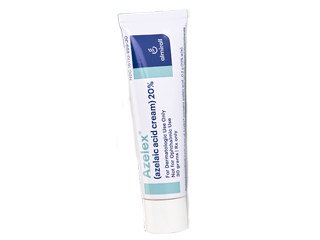
Azelex® (Azelaic acid) — Patient Guide (Australia)
Azelex is a brand of azelaic acid, a naturally occurring dicarboxylic acid used to treat a range of skin concerns such as acne and rosacea. This guide explains how Azelex works, how to use it effectively, what to expect, and key safety information. It is written for patients in Australia.
Quick facts
- Active ingredient: Azelaic acid
- Common strengths: Often available as creams/gels such as 20% (varies by formulation and product type)
- Uses: Acne, post-inflammatory pigmentation, and rosacea (depending on formulation and local indications)
- Where to apply: On the affected skin only
- How it works: Helps reduce acne-related inflammation and supports clearer pores; also helps normalise pigment and redness
- Time to results: Improvement can begin within weeks; full benefits may take several months
Basic product information
Azelex® contains azelaic acid, which is applied topically to the skin. It is commonly used as a non-comedogenic option for facial skin problems, either alone or with other skincare treatments.
In Australia, topical azelaic acid products are available through pharmacies and/or online pharmacy channels, depending on the specific product listing, formulation, and strength.
How azelaic acid works (mechanism of action)
Azelaic acid acts through multiple pathways. This “multi-target” effect is one reason it can be helpful for both acne and certain pigment/redness-related conditions.
- Anti-acne action: Helps reduce the processes that contribute to acne. It can reduce inflammation and may help normalise keratinisation (how skin cells shed), which supports fewer clogged pores.
- Antimicrobial effects: Can inhibit or reduce the growth of organisms associated with acne (e.g., on the skin surface).
- Anti-inflammatory effects: Helps calm redness and irritation associated with acne and rosacea.
- Skin pigment support: Can reduce hyperpigmentation by affecting pathways involved in melanin production. This is why it may be used for dark marks and uneven tone linked to inflammation (“post-inflammatory hyperpigmentation”).
Pharmacokinetics (what happens in the body)
Azelaic acid is applied to the skin, so systemic absorption is generally low compared with oral medicines. Most of the active substance remains within the skin layers where it exerts local effects.
| Area | What to know |
|---|---|
| Absorption | Topical use results in limited absorption through intact skin. Absorption can be higher when large areas are treated, when skin is inflamed/irritated, or if occlusion is used. |
| Distribution | Any absorbed azelaic acid is distributed in the body and is present mainly as azelaic acid and its metabolites. |
| Metabolism | Metabolism occurs to smaller dicarboxylic acids. |
| Excretion | Eliminated largely through the kidneys (urine). |
Because systemic exposure is usually low, topical azelaic acid has a favourable interaction profile compared with many oral treatments. However, local skin irritation can occur, which is the most common practical issue.
What Azelex is typically used for
Depending on the product strength and local labelling, azelaic acid may be used for:
- Acne vulgaris (including inflammatory and non-inflammatory lesions)
- Rosacea (redness and inflammatory bumps, depending on formulation/indication)
- Post-inflammatory hyperpigmentation (dark marks left after pimples or irritation)
- Uneven skin tone where pigment is a concern, as advised by your healthcare professional
If you are unsure whether your specific product is indicated for your condition, check the package directions or ask a pharmacist.
How to use Azelex (timing and routine)
General timing
Most patients apply azelaic acid once or twice daily depending on tolerance and the product instructions. Early irritation is common, so many people start slowly and gradually build up frequency.
- Start gently: Consider applying once daily for the first 1–2 weeks (or as directed)
- Increase if tolerated: If skin is comfortable, progress to twice daily
- Be consistent: Results often require regular use over weeks to months
Step-by-step practical routine
- Cleanse: Wash with a gentle cleanser and pat dry. Avoid harsh scrubbing.
- Apply to dry skin: Azelaic acid tends to feel less irritating when applied to fully dry skin.
- Use a thin layer: Spread a small amount over the affected areas. (Often you do not need to cover every square centimetre of the face—focus on the problem zones unless advised otherwise.)
- Moisturise: Use a bland moisturiser to support comfort and reduce dryness. You can apply moisturiser after Azelex if your directions allow, or at a different time of day.
- Daytime sun protection: Use sunscreen (SPF 30+ broad-spectrum). This is especially important for pigmentation concerns.
How long until you see results?
Typical timelines (vary between individuals):
- 1–4 weeks: Some people notice reduced redness or fewer new blemishes
- 6–12 weeks: More visible improvement in acne and/or dark marks
- 3–6 months: Best results for persistent pigmentation or rosacea control
Food interactions
Azelaic acid is a topical medicine. Therefore, food interactions are not expected in the usual sense for systemic medicines. If you are using other topical acne/skin products, interactions are more about skin compatibility than diet.
Still, general health measures matter: staying hydrated and maintaining a consistent skincare routine can help reduce irritation and support skin barrier function.
Alcohol and medicine interactions
Because Azelex is applied to the skin and systemic absorption is generally low, direct alcohol interactions are unlikely. However, alcohol can indirectly worsen skin conditions for some people by contributing to dehydration or flushing sensations (especially in rosacea).
- Rosacea: Some patients find alcohol triggers facial flushing or heat. If you notice this, consider avoiding or reducing alcohol and monitor your skin response.
- Other medicines: Topical azelaic acid is usually compatible with common skincare treatments, but always be cautious when combining products that also irritate the skin.
Medicine and skincare interactions (practical compatibility)
There are no widely recognised “hard” pharmaceutical interactions solely from azelaic acid because absorption is limited. However, combining irritating skincare can increase dryness, burning, or peeling.
- Other acne actives: If you use benzoyl peroxide, salicylic acid, adapalene, tretinoin, or strong exfoliants, you may need to alternate days or reduce frequency to prevent irritation.
- Retinoids: Using a retinoid and azelaic acid together may increase dryness for some users. Consider “one in the morning / one at night” only if your skin tolerates it.
- Avoid occlusion: Don’t cover treated areas with tight bandages unless instructed, as this can increase irritation.
- Gentle cleanser and moisturiser: Often improves tolerance and helps you stay consistent with treatment.
Dosing (how much to use)
Dosing depends on the condition, product strength, and your skin tolerance. Follow the directions on your Azelex product pack or those provided by a pharmacist/clinician.
Typical topical dosing approach
- Adults and adolescents: Often applied once or twice daily.
- Amount: Use a thin layer over affected areas.
- Frequency adjustment: If irritation occurs, reduce to once daily or every other day until skin settles.
Do not apply more frequently or apply thicker layers in an attempt to speed results—this can increase irritation and slow progress due to barrier damage.
Missed dose
If you miss a dose, apply it when you remember unless it is close to the next scheduled application. In general, do not double up.
Safety profile and precautions
Azelaic acid is generally well tolerated. The main side effects are local and skin-related.
Common side effects
- Dryness
- Redness
- Stinging or burning (especially early in treatment)
- Itching
- Peeling or scaling
- Skin irritation
Serious or urgent side effects
Seek medical advice promptly if you experience signs of a severe allergic reaction or significant worsening of symptoms, such as:
- Facial swelling, hives, or breathing difficulties
- Severe blistering, oozing, or rapidly spreading rash
- Intense burning pain that does not settle after reducing frequency and using moisturiser
When to use extra caution
- Sensitive skin: Start slowly and moisturise regularly.
- Broken or severely irritated skin: Avoid applying to raw/eczema-like areas unless advised, as irritation can be greater.
- Eye and lip area: Avoid contact with eyes, eyelids, corners of the nose, and mouth. If contact occurs, rinse with water.
Pregnancy and breastfeeding (general guidance)
Because topical absorption is generally limited, azelaic acid is often considered an option when appropriate for the skin condition. However, individual circumstances vary. If you are pregnant, trying to conceive, or breastfeeding, discuss the best approach with a pharmacist or healthcare professional.
Practical tips for best results
- Use sunscreen daily: For acne marks and hyperpigmentation, sun protection is essential to prevent worsening tone.
- Introduce slowly: Many patients tolerate better when starting once daily for 1–2 weeks.
- Moisturise consistently: A bland moisturiser can reduce stinging and improve adherence.
- Keep routine simple: Use fewer new products when starting Azelex to identify what helps or irritates.
- Be patient: If you stop early because of slow progress, you may miss the improvement that typically appears over months.
- Avoid “over-treating”: Don’t combine multiple strong exfoliants at the same time initially.
- Patch test if needed: If you have very sensitive skin, consider testing on a small area first.
Alcohol vs rosacea flushing (patient-friendly note)
While azelaic acid does not usually interact directly with alcohol, some people notice alcohol triggers flushing and a hotter feeling of the face. If you have rosacea, consider tracking flares in relation to alcohol and choosing triggers to minimise.
Alternative options for acne and pigmentation
If azelaic acid isn’t suitable or doesn’t provide enough improvement, there are multiple other topical and non-topical options. Availability depends on the condition and product category in Australia.
Common alternative topical ingredients
- Benzoyl peroxide: Useful for inflammatory acne; may bleach fabric.
- Salicylic acid (BHA): Helps with clogged pores and texture.
- Retinoids (e.g., adapalene): Supports prevention of new comedones.
- Alpha hydroxy acids (AHAs): Can improve tone and exfoliate gently.
- Niacinamide: Often helps with barrier support and may reduce redness.
Other approaches
- For rosacea: gentle skin care, trigger management, and sometimes prescription-strength topical or oral therapies as advised.
- For pigmentation: sun protection plus pigment-targeting actives may be used.
A pharmacist can help you compare options based on your symptoms, skin type, and whether you need treatment for acne, redness, or dark marks.
Market and legal context in Australia
In Australia, topical acne and skin treatments may be supplied through pharmacies and may fall under different scheduling categories depending on strength and formulation. Availability and the exact product description can vary between brands, concentrations, and whether the product is registered for specific indications.
When purchasing online, check:
- That the product matches the intended use (acne, rosacea, hyperpigmentation)
- Active ingredient and strength on the listing
- Expiry date and storage instructions
- Whether the product is the cream or gel formulation (texture and tolerability can differ)
Recent guidance (what patients should know)
Recent clinical practice continues to emphasise a barrier-first approach to acne and rosacea care: introduce active ingredients gradually, moisturise regularly, use sun protection, and avoid excessive irritation. Azelaic acid remains widely used because it is multi-benefit (acne + inflammation and, for many patients, pigment/redness concerns).
If your skin is very reactive, consider discussing a “step-up” plan with a pharmacist or clinician to reduce burning and peeling while maintaining consistent application.
Delivery and availability (online pharmacy)
Azelex (azelaic acid) may be available from Australian online pharmacies. Stock can vary by strength and formulation (cream vs gel), and listings may change as products are updated.
- Check the listing: Confirm the exact strength and formulation you are ordering.
- Delivery timeframes: Delivery estimates depend on your location and the pharmacy’s dispatch policy.
- Packaging: Orders are typically packed to protect product integrity during shipping.
If you require assistance choosing between product types, you can contact a pharmacy customer service team with your skin concern and current routine.
Frequently asked questions (FAQ)
1) Is Azelex suitable for sensitive skin?
Many people with sensitive skin can use azelaic acid, but it may still cause stinging at the beginning. Starting once daily, applying to fully dry skin, and using moisturiser can improve tolerance. If you have a history of eczema flares or severe irritation, consider patch testing or asking a pharmacist for personalised advice.
2) Can I use Azelex with moisturiser?
Yes, moisturiser is often recommended to reduce dryness and irritation. You may apply moisturiser after Azelex (or at a different time of day) depending on how your skin tolerates the routine. Avoid mixing Azelex with very fragranced or harsh products.
3) Will Azelex bleach hair or clothing?
Azelaic acid is not known for bleaching like some other acne products (for example, benzoyl peroxide). However, any topical acne medication can stain fabrics if transferred. Consider letting the product fully dry before applying sunscreen or cosmetics, and avoid getting product on pillowcases until dry.
4) What should I do if it stings badly?
If stinging is significant, reduce frequency (e.g., every other day), ensure the skin is fully dry before application, and moisturise regularly. Avoid combining with multiple other strong exfoliants at the same time. If symptoms are severe or worsening, seek advice from a pharmacist or clinician.
5) Can I use it at night and in the morning?
Often, yes. Many patients use azelaic acid once or twice daily based on tolerance. If you are using other acne actives or retinoids, you may prefer alternating times (e.g., one at morning and one at night) to reduce irritation.
6) How long should I keep using it before deciding it doesn’t work?
For acne and hyperpigmentation, give it enough time. A practical minimum trial is usually around 8–12 weeks, while some pigment or rosacea improvements may take 3–6 months. Consistency matters more than occasional use.
7) Does Azelex have side effects?
The most common side effects are local skin reactions such as dryness, redness, peeling, itching, and stinging. Severe reactions are uncommon. Stop and seek medical advice if you experience swelling, hives, blistering, or a rapidly worsening rash.
8) Can I combine Azelex with sunscreen?
Yes. Apply Azelex first, allow it to dry, and then apply sunscreen in the morning. Sunscreen is particularly important for dark marks and uneven tone.
9) Are there any food or drink interactions?
No food interactions are expected for a topical product. Alcohol interactions are unlikely at a drug level, but alcohol can trigger flushing in some people with rosacea.
10) Where should I apply Azelex?
Apply to the affected skin areas as directed. Avoid eyes, eyelids, lips, and corners of the nose. If accidental contact occurs, rinse thoroughly with water.
Summary
Azelex (azelaic acid) is a topical option used for acne, rosacea-related redness/inflammation, and post-inflammatory pigmentation. Its multi-action approach targets both inflammation and pigment pathways, while systemic side effects are uncommon due to limited absorption. With gentle introduction, consistent use, moisturiser support, and daily sunscreen, many patients achieve improved clarity and tone over time.