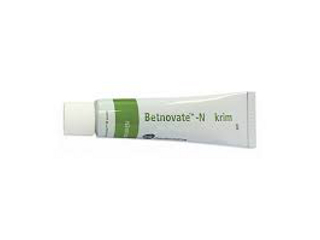
Betamethasone (Betamethasone) — Patient Guide (Australia)
Betamethasone is a corticosteroid medicine used to reduce inflammation and calm overactive immune responses. It comes in different forms (for example, tablets, creams/ointments, eye drops, and injectable preparations), and the right product and dose depend on the condition being treated, your age, and your medical history.
This page explains what betamethasone is, how it works, typical uses, how it is taken or applied, safety considerations, and practical tips. It is written for patients and aims to be easy to understand.
Basic product information
- Medicine name: Betamethasone
- Class: Corticosteroid (glucocorticoid)
- Common forms: Tablets, skin creams/ointments, eye drops, injections (varies by brand)
- Therapeutic goal: Reduce inflammation, swelling, itching, and immune-mediated reactions
- How it is used: By mouth (oral), applied to skin, used in eyes, or given by injection (depending on product)
In Australia, brands and strengths differ by form. Always check the packaging for the exact strength and directions for your specific betamethasone product.
How betamethasone works (mechanism of action)
Betamethasone is a synthetic corticosteroid. It reduces inflammation by influencing multiple pathways in the body:
- Decreases inflammatory signalling: It lowers production of substances that drive inflammation (such as prostaglandins and leukotrienes).
- Suppresses immune activity: It affects immune cell function, reducing abnormal immune responses.
- Reduces swelling and itching: By calming inflammation, symptoms like redness, warmth, pain, and itch can improve.
- Stabilises cell membranes and reduces capillary leak: This can help reduce fluid accumulation in inflamed tissues.
The strength and speed of symptom relief can vary depending on the form (e.g., skin vs. tablets), the dose, and the condition being treated.
Pharmacokinetics (how the body handles it)
Pharmacokinetics describes what happens to a medicine in the body—absorption, distribution, metabolism, and elimination. Exact details can vary by formulation (oral vs topical vs injected), but the following is generally applicable to systemic betamethasone:
- Absorption: Oral betamethasone is absorbed through the gastrointestinal tract. Topical absorption depends on skin condition and whether the skin barrier is intact.
- Distribution: Once in the bloodstream, betamethasone distributes into tissues. Corticosteroids can affect how the body balances glucose, protein, and fat metabolism.
- Metabolism: It is metabolised mainly in the liver.
- Elimination: Metabolites are eliminated primarily via the kidneys (urine). Some clearance processes also occur through other routes depending on the individual.
When applied to skin or used locally (for example, eye preparations), the overall systemic exposure is typically lower than with oral or injected forms, but absorption can still occur—especially with large areas, broken skin, occlusive dressings, or prolonged use.
Typical uses in clinical practice
Betamethasone is used when the goal is to reduce inflammation or suppress an overactive immune response. The exact indication depends on the formulation.
Common indications (general)
- Allergic and inflammatory conditions: Certain types of dermatitis and severe inflammatory reactions.
- Skin inflammation: Eczema/dermatitis, where a topical steroid is appropriate.
- Autoimmune or inflammatory diseases: Selected conditions under specialist management.
- Eye inflammation (with eye drops): When prescribed for steroid-responsive inflammatory eye conditions.
- Severe flare management (systemic forms): In conditions where oral or injectable steroids are considered appropriate.
Note: Betamethasone is not suitable for every inflammatory problem. Some infections can worsen with steroid use if appropriate anti-infective treatment is not in place.
Indications by form (what to expect)
| Form | Typical examples | Key notes |
|---|---|---|
| Topical (cream/ointment) | Inflammatory skin conditions such as eczema/dermatitis (as directed) | Use only on affected areas; avoid eyes and broken skin unless instructed |
| Oral tablets | Selected immune/inflammatory conditions requiring systemic control | Higher risk of systemic side effects; dosing schedule matters |
| Eye drops | Steroid-responsive ocular inflammation (under clinical direction) | May affect eye pressure; monitoring can be required |
| Injection | Selected severe inflammatory conditions | Given in clinical settings; careful medical oversight |
Dosing: general guidance for patients
Dosing varies widely by condition, formulation, and patient factors (age, severity, duration of treatment, and response). Because betamethasone is a corticosteroid, it is important to use the exact product strength and instructions on your packaging or as advised by your healthcare professional.
Topical dosing (cream/ointment)
- Apply a thin layer to the affected area as directed.
- Do not use more frequently or for longer than recommended.
- Avoid treating large body surface areas unless specifically instructed.
- Stop and seek advice if symptoms worsen or do not improve within the expected timeframe.
Oral dosing (tablets)
- Oral dosing is often started at a dose appropriate to the condition and then adjusted based on response.
- Long-term use generally requires gradual tapering rather than stopping suddenly to avoid adrenal insufficiency.
- Your prescriber may advise taking doses at certain times to reduce side effects.
Eye dosing (eye drops)
- Use exactly as directed for the number of drops and frequency.
- Do not touch the tip of the bottle to the eye to reduce contamination risk.
- Report any eye pain, worsening redness, or vision changes promptly.
Injection dosing
- Injection dosing and schedule are determined by clinical need and setting.
- Follow any monitoring plans provided by the treating team.
Important: Never substitute a topical dose for oral use (or vice versa). These are different treatments with different safety profiles.
Timing: when to take or apply betamethasone
Topical
- Apply at a time that fits your routine and allows the product to remain on the skin without being wiped off immediately.
- Unless your instructions specify otherwise, you can often apply once or twice daily depending on the strength and condition.
Oral tablets
- Many clinicians prefer morning dosing for certain conditions to align better with the body’s natural cortisol rhythm.
- If multiple doses are prescribed, follow the schedule exactly.
Eye drops
- Space doses evenly across the day if multiple administrations are prescribed.
Food interactions
Food can influence how comfortable and safe betamethasone is—particularly for oral forms.
- Oral betamethasone and meals: Taking oral corticosteroids with food may help reduce stomach irritation for some people.
- Grapefruit: Although interactions depend on the exact steroid and formulation, grapefruit can affect certain drug-metabolising enzymes. If you use grapefruit juice or supplements frequently, discuss with your pharmacist or doctor.
- Diabetes or blood sugar concerns: Corticosteroids can increase blood glucose. If you have diabetes, monitoring may be needed—especially after starting therapy.
If you have concerns about diet or specific foods, your pharmacist can advise based on your full medicine list.
Alcohol and medicine interactions
Alcohol
- General caution: Alcohol may increase the risk of stomach irritation and can worsen side effects such as indigestion, mood changes, and sleep disturbance (particularly with systemic steroids).
- Higher risk situations: If you use betamethasone for a prolonged period or at higher doses, limiting alcohol is often advisable.
Medicine interactions (common categories to discuss)
Betamethasone can interact with several medicines, especially those affecting liver metabolism, blood sugar, blood pressure, or the immune system. Examples include:
- Non-steroidal anti-inflammatory drugs (NSAIDs) (e.g., ibuprofen, naproxen): may increase risk of stomach irritation or ulceration when combined.
- Anticoagulants (e.g., warfarin): corticosteroids may alter clotting control in some cases; monitoring may be needed.
- Diabetes medicines (insulin, metformin, sulfonylureas): may require dose adjustments due to steroid-related increases in blood sugar.
- Antifungals and antivirals: some may affect steroid metabolism.
- Rifampicin and some seizure medicines (enzyme inducers): can reduce corticosteroid levels.
- Certain vaccines: live vaccines may be less suitable during significant immunosuppression.
- Other immunosuppressants: increased infection risk may occur.
This is not a complete list. Tell your pharmacist about all medicines you use, including over-the-counter products, vitamins, herbal supplements, and eye drops.
Safety profile: key precautions
Betamethasone can be very effective, but it can also cause side effects—especially with higher doses, longer courses, or systemic forms (oral/injectable). Topical preparations generally have fewer whole-body effects, but side effects can still occur.
Seek medical advice urgently if you develop
- Signs of a serious allergic reaction (swelling of face/lips, difficulty breathing)
- Severe or worsening infection symptoms (fever, spreading redness, significant pain)
- Severe mood changes, confusion, or agitation
- Eye pain, marked vision changes, or persistent severe headache (for eye products)
Common side effects (depending on form)
- Skin (topical): irritation, burning, dryness, acne-like eruptions, and—rarely—skin thinning with inappropriate or long-term use.
- Systemic (oral/injection): increased appetite, mood changes, trouble sleeping, increased blood sugar, fluid retention, and indigestion.
- Eye (eye drops): temporary blurred vision, eye irritation, and—if used long-term—risk of increased eye pressure.
Serious risks (more likely with prolonged or higher-dose systemic treatment)
- Infection susceptibility: Steroids can reduce immune response.
- Adrenal suppression: Stopping suddenly after longer courses can cause adrenal insufficiency.
- Bone thinning (osteoporosis): Risk increases with long duration.
- Weight gain and metabolic changes: including blood sugar and cholesterol changes.
- Blood pressure changes: fluid retention can raise blood pressure in some people.
- Gastric irritation: especially when combined with NSAIDs.
- Eye effects: cataract or glaucoma risk with extended use.
Who should take extra care
- People with diabetes or pre-diabetes
- People with hypertension or heart failure
- People with active or suspected infections
- People with a history of stomach ulcers or severe reflux
- People with glaucoma or cataracts (particularly relevant for eye drops)
- Pregnant or breastfeeding individuals (risk–benefit assessment may be needed)
Practical use tips (how to get the best results safely)
Topical betamethasone tips
- Use the smallest amount: A thin layer is usually enough.
- Apply only to affected skin: Avoid spreading to nearby healthy skin unless instructed.
- Avoid occlusion unless directed: Dressings that trap moisture can increase absorption.
- Wash hands after applying: Unless treating your hands, wash to avoid accidentally getting it into eyes or mouth.
- Do not use on infections: If the area is infected (for example, oozing, crusting, or fungal-like rash), steroid treatment may worsen it.
Oral betamethasone tips
- Take at the right time: Often in the morning with food (if advised).
- Do not stop abruptly: If you’ve taken it for more than a short period, ask about tapering.
- Monitor blood sugar: Particularly if you have diabetes.
- Plan for side effects: If sleep is affected, discuss strategies with a pharmacist or doctor.
Eye drop tips
- Correct technique: Use clean hands; avoid touching the dropper tip to the eye.
- Remove contact lenses: Only reinsert if permitted by your eye product instructions.
- Follow duration closely: Do not extend beyond recommended time without medical review.
If symptoms improve, continue only for the prescribed duration. If symptoms do not improve or worsen, seek advice rather than increasing dose on your own.
Alternative options
“Alternative” depends on the condition and which form of betamethasone is being considered. Depending on your diagnosis and severity, clinicians may choose different corticosteroids, non-steroidal anti-inflammatory medicines, or other targeted treatments.
Examples of alternatives
- Other corticosteroids: Different strengths and formulations (topical vs oral) may be appropriate.
- Topical non-steroidal options for some skin conditions: Based on diagnosis, some treatments can reduce inflammation without steroid effects.
- Other anti-inflammatory/immune-modulating therapies: For certain systemic inflammatory diseases.
- Supportive measures: Moisturisers, emollients, wound care, and trigger avoidance can be essential—especially in dermatology.
Your pharmacist or doctor can help compare options based on your specific symptoms, medical history, and the product form you need.
Market and legal context in Australia
In Australia, corticosteroid medicines are regulated and the level of access depends on the formulation, strength, and intended use. Some betamethasone products may be available through pharmacy channels while others may require specific clinical management.
- Product availability: Varies by form (topical, oral, eye drops, injection) and strength.
- Patient counselling: Pharmacists typically provide advice on safe use, side effects, and correct application (especially for topical skin products).
- Safety monitoring: For systemic steroid courses or long-term use, follow-up may be recommended to monitor for complications.
For the most accurate product and access information, check your local pharmacy supply and the packaging details for your specific brand.
Recent guidance and clinical considerations
Guidance on corticosteroid use commonly emphasises:
- Use the lowest effective dose for the shortest time when possible.
- Avoid abrupt stopping after longer systemic courses.
- Be cautious in infection risk (steroids can mask symptoms and worsen some infections).
- Monitor eye pressure and eye complications with steroid eye drops, particularly if used for extended periods.
- Educate about skin safety for topical steroids (skin thinning, steroid-induced changes, and correct application).
Recommendations can evolve as new safety information becomes available. If you’re starting or continuing betamethasone, it’s wise to review your plan with a pharmacist or clinician.
Delivery and availability (online pharmacy)
Availability in Australia depends on the specific betamethasone formulation and strength. Many pharmacies can deliver within Australia, subject to eligibility, packaging requirements, and local supply.
- Delivery options: Standard and express may be offered depending on location.
- Packaging: Medicines are usually shipped in manufacturer packaging to preserve labelling and instructions.
- Cold chain: Some medicines require special temperature handling; check the product details if provided.
- Lead time: In-stock items typically dispatch faster than low-demand or special orders.
Before ordering, confirm you’re selecting the correct product form (cream vs tablets vs eye drops) and strength.
FAQ — Frequently asked questions
1) What is betamethasone used for?
Betamethasone is used to reduce inflammation and control immune-mediated reactions. Depending on the form, it may be used for inflammatory skin conditions, certain eye inflammations, or other immune/inflammatory conditions managed by clinicians.
2) How quickly will betamethasone work?
Many people notice improvement within days. Topical treatments may relieve itching and redness sooner, while deeper inflammatory conditions may take longer. If there is no improvement within the expected timeframe, seek advice rather than increasing dose on your own.
3) Can I use betamethasone on my face?
Facial skin is thinner and more sensitive. Some topical steroid products are not recommended for face use unless specifically prescribed and of appropriate strength. Follow the product instructions and ask your pharmacist if you’re unsure.
4) Is it safe to use betamethasone long-term?
Long-term use can increase the risk of side effects. Topical steroids may cause skin thinning and other changes if overused. Oral and injected steroids have broader risks. If you need prolonged therapy, discuss a monitoring and review plan.
5) What happens if I stop oral betamethasone suddenly?
If you’ve been taking oral betamethasone for longer than a short course, sudden stopping can lead to adrenal insufficiency and symptom flare. Follow a tapering plan if one is advised.
6) Can betamethasone worsen infections?
Yes. Steroids can suppress immune responses and may hide infection signs. If you suspect an infection (fever, worsening pain, spreading redness, pus, or fungal rash), seek advice promptly.
7) Are there foods I should avoid?
There are no universal “must avoid” foods, but for oral steroids, taking with food can reduce stomach irritation. If you have diabetes, steroid-related blood sugar increases may require dietary adjustments and monitoring. Discuss grapefruit and supplements with a pharmacist if you use them regularly.
8) Can I drink alcohol while using betamethasone?
It’s generally best to limit alcohol, especially with oral steroid courses, because alcohol may increase stomach irritation and worsen some side effects. If you drink regularly or have liver disease, ask your pharmacist for tailored advice.
9) What should I do if I miss a dose?
If you miss a dose, take it when you remember unless it’s close to the next dose. Do not take extra to catch up. For topical products, continue with the next scheduled application. If you’re unsure, check your product instructions or ask your pharmacist.
10) How should I store betamethasone?
Store at room temperature as directed on the packaging. Keep out of reach of children. Avoid excessive heat and moisture. Do not use an expired product.
Summary
Betamethasone is a corticosteroid medicine used to reduce inflammation and manage a range of immune-related conditions. Its effectiveness depends on using the correct formulation and dose, and safety depends on using it for the appropriate duration, monitoring for side effects, and avoiding unsupervised changes.
If you’re unsure which betamethasone form or strength is appropriate for your situation, or if you have questions about interactions, side effects, or how to use it correctly, speak with a pharmacist or healthcare professional.