Imiquimod: Patient-Friendly Guide (Australia)
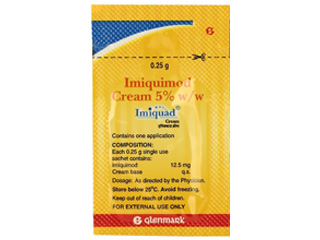
Imiquimod is a prescription medicine used to treat certain skin conditions caused by viruses and for specific early skin cancers. In Australia, imiquimod is available as a topical cream or gel depending on the product strength and brand. This guide explains how it works, how to use it safely, what to expect, and important interactions and precautions.
Note: Always follow the instructions provided with your product and any clinician directions. If you are unsure about how to use imiquimod, speak with your pharmacist or healthcare professional.
Quick Product Information
| Category | Details |
|---|---|
| Generic name | Imiquimod |
| Formulations | Topical cream or gel (varies by product and strength) |
| Main uses | Selected HPV-related skin conditions and superficial/early skin lesions |
| How it’s applied | Thin layer to the affected skin, typically several times per week |
| Common early effect | Local skin redness/irritation (expected in many cases) |
| Who should avoid | People with known hypersensitivity to imiquimod; use caution in active skin infections and pregnancy/breastfeeding |
What Imiquimod Is Used For (Indications)
Imiquimod is used on skin to help your immune system respond to the cause of certain lesions. Common Australian indications include:
- Genital warts (HPV-related)—for external use to treat visible genital warts in suitable adults.
- Actinic (solar) keratosis—early, sun-damaged skin changes that can be precancerous, under clinician guidance.
- Superficial basal cell carcinoma—in selected cases where topical treatment is appropriate.
Important: The correct use, strength, and treatment schedule depend on the condition being treated and the product available. Your clinician or pharmacist can confirm the right regimen for you.
How Imiquimod Works (Mechanism of Action)
Imiquimod works locally by stimulating components of the immune system in the skin. While it is applied to the affected area, the effect is mediated through immune signalling rather than direct killing of the virus or cancer cells.
- Imiquimod activates immune pathways (including toll-like receptor 7 signalling).
- This triggers release of immune chemicals (such as interferons and other cytokines).
- As a result, the immune system becomes better able to recognise and control abnormal skin cells or virus-infected tissue.
What you may notice: Many people experience redness, swelling, crusting, or mild discomfort in the treated area. These can be part of the intended immune response, but severe reactions should be discussed promptly.
Pharmacokinetics (How the Body Handles Imiquimod)
Imiquimod is applied to the skin, so only small amounts may enter the bloodstream. Key points include:
- Absorption: Topical absorption is generally limited.
- Distribution: Any absorbed drug is distributed through normal blood circulation.
- Metabolism: Imiquimod is metabolised primarily in the body (including in liver pathways).
- Elimination: Metabolites are removed mainly via the kidneys and, to a lesser extent, other routes.
Because systemic absorption is usually low, systemic side effects are uncommon. However, local skin reactions are common and should be expected and managed appropriately.
Typical Timing and Treatment Duration
Imiquimod regimens vary by indication and product. Common approaches often include:
- Genital warts: usually applied multiple times per week for a set number of weeks (for example, 3 nights per week for up to a few months, depending on response).
- Actinic keratosis: often applied at regular intervals over several weeks.
- Superficial basal cell carcinoma: typically applied several times per week for a defined course.
How to schedule your doses:
- Apply at night if possible, so the product has time to work locally.
- Use it on the days instructed and leave gaps between applications if your regimen specifies them.
- Do not increase frequency to “speed up” results—this can increase irritation and may worsen tolerability.
When to expect improvement: Visible improvement may take several weeks. Even after improvement starts, finishing the full prescribed course can be important for best results.
Food Interactions
Because imiquimod is used topically and systemic absorption is typically limited, food interactions are not expected to be clinically significant for most people.
That said, if your clinician has you on oral medications, it’s still important to mention all medicines and supplements you use at the pharmacy. Your pharmacist can check for overall interaction risk based on your full medication list.
Alcohol and Medicine Interactions
Alcohol: No direct alcohol interaction is typically expected with topical imiquimod. However, alcohol can worsen dehydration or skin sensitivity for some people. If you experience significant irritation, you may prefer to limit alcohol until the skin reaction settles.
Other medicines: Consider discussing the following with your pharmacist:
- Other topical products used on the same area (e.g., steroid creams, antiseptics, moisturisers, or exfoliants). Combining products can increase irritation or affect how you tolerate treatment.
- Immune-modifying therapies (such as systemic immunosuppressants) may affect immune responses.
- Ongoing skin infections in the treatment area may require medical review before continuing.
Condoms/dental dams (important for genital warts): Some imiquimod formulations may weaken certain latex products. Discuss reliable contraception and STI prevention with your clinician or pharmacist if treating genital areas.
Dosing: How Much and How Often
Dosing depends on:
- the condition being treated,
- the formulation and strength (cream/gel), and
- the size and location of the treatment area.
In general, topical regimens are designed for thin application rather than thick covering. A common patient instruction is to:
- Use a thin layer over the affected area.
- Use enough product to cover the lesion(s) and a small surrounding margin when instructed.
- Follow your exact frequency (often several nights per week) and stop according to your course plan.
Hand hygiene: Wash your hands before and after applying unless the medication is part of your self-care routine on a protected area and your clinician provides different instructions.
Duration: Do not extend treatment beyond the recommended course without medical advice, even if the area still looks abnormal.
If you miss a dose: Apply it when you remember if it’s close to your scheduled time, but skip if it’s almost time for the next dose. Do not apply extra to make up for a missed dose.
Practical Use Tips (Step-by-Step)
Correct technique can improve outcomes and reduce avoidable irritation.
Before you apply
- Clean the skin gently with water (and mild, non-irritating cleanser if advised) and pat dry.
- Avoid applying to broken skin unless your clinician has told you to.
- If the area is very inflamed or wet, wait until it’s dry and stable before applying.
How to apply
- Use a thin layer on the affected area only (unless instructed otherwise).
- For small lesions, use a small amount—more is not better.
- If using your fingers, avoid spreading the product to unaffected skin.
- After application, wash hands thoroughly.
After application
- Typically, leave it on for the prescribed contact time (commonly overnight).
- Wash off in the morning if your regimen instructs you to.
- Do not cover with tight dressings unless directed by a clinician.
Moisturising and comfort
- You may tolerate treatment better with gentle moisturisers on surrounding unaffected skin.
- Avoid applying additional creams directly onto the imiquimod area unless your pharmacist confirms it is appropriate.
- If soreness increases, speak to your pharmacist about supportive care options (e.g., reducing frequency if appropriate).
Safety Profile: Side Effects and Warnings
Imiquimod’s most common effects are local skin reactions. These may include:
- Redness (erythema)
- Swelling
- Burning or stinging
- Itching
- Crusting, scaling, and peeling
- Skin erosion or superficial ulceration (more likely with stronger reactions)
- Blistering in some cases
These reactions can be expected, particularly as treatment progresses. However, you should seek medical advice promptly if you experience:
- severe pain,
- spreading rash beyond the treatment area,
- signs of infection (increasing warmth, pus, fever),
- eye involvement (if near the face/eyes),
- severe blistering or extensive skin breakdown,
- you develop flu-like symptoms that feel significant or worsen.
Systemic side effects
Because absorption is limited, systemic side effects are less common. Rarely, some people may experience:
- headache,
- fatigue,
- muscle aches,
- fever or chills (particularly if the reaction becomes more intense).
Allergy and hypersensitivity
Do not use imiquimod if you have previously had an allergic reaction to it. If you develop swelling of the face/lips, hives, or breathing difficulties, seek urgent medical care.
Special populations
- Children: use is age-dependent and indication-dependent; follow Australian guidance from your clinician/pharmacist.
- Pregnancy and breastfeeding: discuss risks and benefits. Because absorption is usually limited, many clinicians consider it in selected situations, but individual risk assessment is essential.
- Immunocompromised individuals: discuss suitability and monitoring with your clinician.
Food, Skin Care, and Environmental Considerations
While no specific dietary interaction is expected, your skin’s response to treatment can be influenced by external factors:
- Sun exposure: For sun-damaged conditions like actinic keratosis, avoid excessive sun and use appropriate sun protection.
- Harsh skin products: Avoid strong soaps, alcohol-based toners, or exfoliants on the treated area.
- Friction and sweating: Keep the area clean and reduce friction (especially in genital applications).
What to Expect During Treatment
Imiquimod treatment often progresses through phases:
- Early: mild redness or itching may begin after the first applications.
- Middle: reaction typically becomes more noticeable, including crusting/erosion.
- After completing treatment: the treated area may heal gradually. Scarring is uncommon but possible depending on lesion depth and individual healing.
Don’t be alarmed by change: For many conditions, visible worsening of the lesion at first can occur as the immune response activates. Still, severe or unusual reactions should be discussed promptly.
Alternative Options (Depending on Condition)
Alternative treatments vary significantly by diagnosis, lesion type, size, and location. Potential options clinicians may consider include:
- For genital warts: other topical therapies, cryotherapy, or procedural treatments.
- For actinic keratosis: field therapies, cryotherapy, photodynamic therapy, or other topical agents depending on lesion distribution and patient factors.
- For superficial basal cell carcinoma: surgery, curettage/desiccation, radiotherapy, or photodynamic therapy depending on suitability.
Your clinician can help compare benefits, expected local reactions, recurrence rates, and convenience.
Market and Legal/Regulatory Context in Australia
In Australia, imiquimod is regulated as a medicine and is supplied through lawful channels in accordance with Australian medicines legislation and product-specific requirements. Availability and usage guidance can vary by indication and formulation.
As with all medicines in Australia:
- Supply should be consistent with approved product information and professional guidance.
- Pharmacists may require certain details to ensure correct product selection and safe use.
- Patients should not use topical medicines for indications not matched to the product’s approval or advice provided.
Access and monitoring: Depending on the skin condition, clinicians may recommend follow-up reviews to confirm response and check for recurrence or new lesions. If you notice changes that are not consistent with expected healing, seek medical advice.
Recent Guidance and Evolving Recommendations
Clinical guidance for topical immunotherapies may update over time based on evidence and national/local dermatology and primary care practices. While the core mechanism of imiquimod remains the same, recommendations may change regarding:
- preferred regimens (frequency and duration),
- which patients are best suited to topical therapy,
- how to manage local reactions, and
- follow-up intervals after treatment.
For the most current advice, consider discussing with your GP or dermatologist, or ask your pharmacist to check the latest product information and recommended use for your specific condition.
Delivery and Availability (Australia)
Imiquimod products may be available through Australian pharmacies, including online pharmacy services where permitted. Availability depends on:
- product strength and formulation (cream/gel),
- stock levels and storage requirements,
- your location and delivery coverage.
Delivery considerations:
- Medicines are typically shipped to arrive in good condition. Store products as directed on the packaging.
- Some products may require refrigeration or specific handling; check the label and product information.
- If you have a treatment schedule, plan ahead so you don’t run out mid-course.
When to reorder: Many patients prefer to reorder before starting or during the early part of their course to avoid delays.
Frequently Asked Questions (FAQ)
1) How quickly will I see results?
Results vary by condition and regimen. Many people notice local skin changes within days. Visible improvement of lesions often takes several weeks. Finishing the planned course is important for best outcomes.
2) Is it normal for my skin to look worse before it improves?
Yes, local reactions such as redness, crusting, and irritation can be expected as the immune response develops. However, severe pain, rapidly spreading rash, or signs of infection should be assessed by a clinician.
3) Can I apply moisturiser or other creams with imiquimod?
Sometimes gentle moisturisers are helpful on surrounding unaffected skin. Avoid layering multiple products directly on the imiquimod area unless your pharmacist or clinician confirms it’s appropriate.
4) What should I do if the irritation is too strong?
If irritation becomes severe, reduce irritation by following your prescribed schedule and ask your pharmacist or clinician for advice. They may suggest pausing treatment temporarily, adjusting frequency, or using supportive skin care measures.
5) Can imiquimod be used on broken or infected skin?
Imiquimod is generally intended for specific lesion areas. If the skin is broken, very inflamed, or infected, you should get medical advice before continuing to avoid complications.
6) Does imiquimod treat the underlying cause of HPV or just the visible warts?
Imiquimod stimulates local immunity to help clear affected tissue. HPV can persist in the body even if warts improve, which is why recurrence can happen. Continued prevention practices and follow-up are important.
7) Will imiquimod prevent sexually transmitted infections (STIs)?
No. Imiquimod targets specific skin lesions, but it does not replace STI prevention. Safe sex practices remain important.
8) Can I drink alcohol while using imiquimod?
There is typically no direct interaction. If alcohol makes skin sensitivity worse or affects your general comfort, consider limiting intake and focus on supportive care (hydration, gentle skin care).
9) Are there any interactions with my other medicines?
Topical absorption is usually low, so major interactions are uncommon. Still, discuss all medicines and topical products you use, especially immune-modifying therapies or other creams on the same area.
10) What if I miss an application?
Apply when you remember if it’s close to the scheduled time. If it’s almost time for the next dose, skip the missed dose—do not double up.
11) How should I store imiquimod?
Store according to the instructions on the product label. Check expiry dates and keep out of reach of children.
12) When should I seek medical review?
Seek advice if you have severe reactions, signs of infection, involvement of eyes or genitals beyond the treated area, unexpected worsening, or if the lesion does not respond as expected after completing the course.
When to Stop and Get Help
Contact a healthcare professional urgently or seek emergency care if you develop:
- swelling of the face/lips,
- difficulty breathing,
- spreading severe rash or blistering,
- fever with worsening skin symptoms,
- significant pain, bleeding, or suspected infection.
Summary
Imiquimod is a topical medicine that helps stimulate the body’s local immune response in the skin. It is commonly used for conditions such as genital warts, actinic keratosis, and selected superficial skin cancers. While it can cause expected local irritation, safe use depends on applying a thin layer as directed, avoiding unnecessary product combinations, and seeking help for severe reactions. If you’re considering imiquimod or already using it, a pharmacist can help you choose the right product and manage side effects comfortably.