

Advent DT (Amoxicillin/Clavulanic Acid) — Patient Information (Australia)
Advent DT contains amoxicillin and clavulanic acid. It is an antibiotic medicine used to treat certain bacterial infections. This guide explains how it works, how it is typically taken, important safety information, and practical tips to help you use it effectively.
Note: Always follow the advice provided by your prescriber and the directions on the product label. If anything is unclear, speak with a pharmacist.
Quick Facts
- Medicine: Advent DT (Amoxicillin/Clavulanic Acid)
- Type: Antibiotic (penicillin-class) + beta-lactamase inhibitor
- Used for: Selected bacterial infections, including some ear, sinus, dental, skin, and respiratory infections
- How it is taken: Typically 2–3 times daily depending on the strength and the infection
- Common duration: Several days, depending on the condition
- Key precautions: Allergy to penicillins/cephalosporins, previous antibiotic-associated diarrhoea, kidney problems
- Missed dose: Take when remembered unless close to the next dose
Basic Product Information
What is in Advent DT?
- Amoxicillin: A penicillin antibiotic that kills susceptible bacteria by interfering with bacterial cell-wall formation.
- Clavulanic acid: A beta-lactamase inhibitor that helps amoxicillin work against bacteria that produce beta-lactamase enzymes.
What does “DT” mean?
In many product listings, “DT” refers to a formulation intended to be easier to take (for example, dispersible/tablet forms). Specific usage instructions can vary by pack strength—check your label or pharmacist instructions.
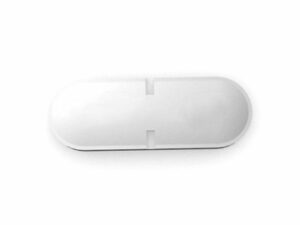
Strengths and appearance: Advent DT is supplied in different strengths. Choose the correct product strength as directed for your course.
How It Works (Mechanism of Action)
Advent DT combines two components that work together:
- Amoxicillin targets bacterial growth by blocking steps needed to build and maintain the bacterial cell wall. This weakens the bacteria and leads to cell death.
- Clavulanic acid inhibits beta-lactamase enzymes produced by some bacteria. These enzymes can otherwise break down amoxicillin, making it less effective.
Important: Like all antibiotics, it only treats bacterial infections. It does not treat infections caused by viruses (for example, most colds and flu).
Pharmacokinetics (How the Body Handles It)
Understanding pharmacokinetics helps explain why dosing schedules and food advice matter.
- Absorption: Amoxicillin and clavulanic acid are absorbed after oral dosing. Taking the medicine with food can improve tolerability and reduce stomach upset.
- Distribution: They distribute through body tissues and fluids, including areas relevant to many common infections (exact penetration varies by infection site).
- Metabolism: Clavulanic acid is partially metabolised; amoxicillin remains largely active.
- Elimination: Both components are mainly eliminated by the kidneys. In people with reduced kidney function, dosing adjustments may be needed.
- Half-life: The time the body takes to reduce drug levels by half varies; it is influenced by kidney function. This contributes to the recommended dosing frequency.
Typical Uses in Adults and Children
Advent DT is used for infections where it is likely to be effective. Common indications include (examples may vary by local guidelines and individual assessment):
- Ear, nose, and throat (ENT) infections: such as certain bacterial ear infections and sinus infections
- Dental infections: for example, certain tooth or gum infections
- Respiratory tract infections: such as some bacterial chest or bronchial infections (when appropriate)
- Skin and soft tissue infections: such as infected wounds, cellulitis, or bites
- Urinary tract infections (UTIs): in selected cases, depending on bacterial susceptibility
- Bone or joint infections: in particular scenarios under clinical supervision
Why susceptibility matters: Even if a condition is “commonly bacterial,” the specific bacteria must be susceptible to amoxicillin. Clinicians may use local resistance patterns and, when needed, culture results.
Indications vs. When It May Not Be Appropriate
This medicine may be inappropriate in situations such as:
- Viral illnesses: sore throats, coughs, colds, and influenza are usually viral.
- Known allergy: prior immediate allergic reaction to penicillins or history suggesting severe hypersensitivity.
- Certain types of diarrhoea history: especially antibiotic-associated colitis or severe diarrhoea linked to antibiotics.
- Unclear diagnosis: antibiotics should be used when there is a reasonable likelihood of bacterial infection.
Dosage and Timing
Important: Dose depends on the infection type, severity, age, kidney function, and the exact product strength. Follow the dosing instructions on your label.
Typical timing
- Often taken twice daily (every ~12 hours) or three times daily (every ~8 hours) depending on strength and indication.
- Try to space doses evenly across the day for steadier antibiotic levels.
How to take Advent DT
- With food: Taking with meals can improve stomach comfort.
- Water: Use a glass of water to help swallow (or follow pack instructions for dispersible/dispersal if applicable).
- Finish the course: Continue for the full duration even if you feel better.
Example schedule (illustrative only)
| Prescribed frequency | Suggested timing | Practical example |
|---|---|---|
| Twice daily | ~12 hours apart | 7:00 AM and 7:00 PM |
| Three times daily | ~8 hours apart | 7:00 AM, 3:00 PM, 11:00 PM |
If you miss a dose
- Take it as soon as you remember unless it is close to the next dose.
- Do not double up to “catch” the dose.
- If you’re unsure, ask your pharmacist.
Food Interactions (What to Eat/Drink)
Food: Advent DT is generally better tolerated when taken with meals.
- Food may reduce nausea, stomach discomfort, and diarrhoea for some people.
- If you have a sensitive stomach, taking with food (and staying well hydrated) can help.
Fermented products / dairy: There are no universal dietary restrictions, but if you notice symptoms after certain foods, you can adjust temporarily and discuss with a pharmacist.
Hydration: Drinking fluids can help manage mild gastrointestinal side effects.
Alcohol and Medicine Interactions
Alcohol: It is generally advised to avoid or limit alcohol while taking antibiotics, mainly because it can worsen side effects such as nausea, dizziness, and diarrhoea.
Alcohol does not reliably “cancel” the antibiotic, but your body may find the combination harder to tolerate, especially during illness.
Common medicine interactions to be aware of
Always tell your pharmacist about all medicines, including over-the-counter products and supplements.
- Warfarin (and other anticoagulants): Antibiotics may increase the risk of bleeding in some people. If you take warfarin, you may need closer monitoring (for example, INR).
- Allopurinol: Using allopurinol with amoxicillin can increase the risk of skin rash.
- Oral contraceptives: For most people, additional contraception is not always required with antibiotics, but if you experience vomiting or severe diarrhoea, contraceptive protection may be reduced. Seek advice if you have intercurrent illness.
- Other antibiotics: Do not self-switch antibiotics; effectiveness and suitability depend on the causative bacteria.
- Kidney-related medicines: Dose adjustments may be needed if you have impaired renal function.
Important: This is not a complete list. Your pharmacist can check interactions with your specific medication list.
Safety Profile
Most people tolerate amoxicillin/clavulanic acid well, but side effects can occur. Seek medical advice promptly for severe or concerning reactions.
Common side effects
- Nausea
- Diarrhoea (mild diarrhoea can occur)
- Stomach discomfort
- Headache
- Skin rash (mild rashes can occur—report if new or worsening)
Seek urgent medical help if you notice
- Signs of severe allergic reaction: swelling of the face/lips, trouble breathing, wheezing, fainting, or widespread hives.
- Severe or persistent diarrhoea (especially watery or bloody), fever, or severe abdominal pain.
- Yellowing of the skin/eyes (jaundice), dark urine, or severe fatigue—rare liver issues have been reported with this antibiotic combination.
- Unusual bruising/bleeding or severe fatigue.
Who should be extra cautious?
- History of penicillin allergy or previous immediate hypersensitivity reactions.
- Prior antibiotic-associated diarrhoea or colitis.
- Kidney impairment: dosing may require adjustment.
- Pregnancy and breastfeeding: many people can use amoxicillin/clavulanic acid when clinically indicated, but you should discuss risks and benefits with a clinician.
- Older adults may be more prone to side effects, especially if kidney function is reduced.
Practical Tips for Using Advent DT Effectively
- Take it at the same times each day to maintain consistent levels.
- Take with food if you get nausea or stomach upset.
- Complete the full course unless you are told to stop.
- Do not share your antibiotic with others.
- Use probiotics carefully: Some people find that taking probiotics helps reduce antibiotic-associated diarrhoea. If you plan to use one, ask your pharmacist about timing and suitability for you.
- Monitor symptoms: If symptoms do not improve after a couple of days (or worsen), contact a healthcare professional.
- Hydrate: especially if you have diarrhoea.
- Manage missed doses appropriately—don’t double.
Alternative Options
Alternative treatments depend on:
- the likely infection source and severity
- local bacterial resistance patterns
- your allergy history
- culture/susceptibility results (if available)
Possible alternatives (examples only) may include other antibiotic classes or, in some situations, no antibiotic if the cause is likely viral.
Examples of options a clinician may consider
- Other penicillins (if appropriate and safe)
- Cephalosporins in selected cases (only if allergy risk is suitable)
- Macrolides (for certain patients/conditions)
- Tetracyclines in specific infections and age groups
- Clindamycin for selected skin/dental infections in appropriate circumstances
- Supportive care where antibiotics are not indicated
Always ask a pharmacist or clinician before switching antibiotics.
Market and Legal Context in Australia
Antibiotics are regulated medicines in Australia. They are used under clinical guidance to help ensure they are prescribed appropriately and to reduce the development of antibiotic resistance.
- Antibiotic stewardship: Australian health services encourage careful antibiotic use—prescribing is based on likely diagnosis and evidence.
- Resistance awareness: Using antibiotics when not needed can increase resistance and reduce future effectiveness.
- Quality and safety standards: Approved medicines are manufactured and supplied under Australian regulatory frameworks.
Pharmacists play an important role in checking interactions, ensuring correct dosing, and advising on when to seek further care.
Recent Guidance (General Health Advice)
Across Australia, common themes in recent antibiotic stewardship advice include:
- Antibiotics should be used when there is reasonable evidence of bacterial infection.
- For many respiratory symptoms, careful assessment is needed because viral illness is common.
- People are advised to complete the course and not stop early unless instructed.
- Seek care if symptoms fail to improve or if severe side effects occur, such as significant diarrhoea or signs of allergy.
Because guidance can vary by condition (and updates occur over time), it’s best to follow current advice from your healthcare team for your specific situation.
Delivery and Availability
Advent DT is commonly available through pharmacies and approved online dispensaries in Australia. Availability may vary by strength and pack size.
- Online ordering: You may choose the required strength and pack size from the product listings.
- Delivery timeframes: Delivery depends on your location, shipping method, and stock availability.
- Cold storage: Advent DT typically does not require refrigeration (unless your pack specifies otherwise).
- Packaging: Medicines are supplied in pharmacy packaging with label details for your course.
If a product is temporarily out of stock, the pharmacy may contact you with options such as an alternative pack size/strength if clinically suitable, or a re-order timeline.
FAQ: Advent DT (Amoxicillin/Clavulanic Acid)
1) What is Advent DT used for?
It is used to treat certain bacterial infections. Your clinician selects it based on the suspected infection, severity, and expected bacteria susceptibility.
2) How soon should I feel better?
Many people notice improvement within 24–48 hours. If you feel worse, develop new symptoms, or don’t improve after a few days, contact your healthcare professional.
3) Can I take Advent DT with food?
Yes—taking with food is often recommended and can reduce stomach upset. Follow your label instructions.
4) What should I do if I miss a dose?
Take it when you remember unless it is close to the next dose. Do not double up. If unsure, ask your pharmacist.
5) Will Advent DT treat a cold or the flu?
No. Colds and flu-like illnesses are usually viral. Antibiotics treat bacterial infections only.
6) Is it safe to drink alcohol while taking Advent DT?
It’s best to avoid or limit alcohol during treatment, mainly to reduce the chance of worsened side effects such as nausea or diarrhoea. If you choose to drink, do so cautiously and consider your illness and hydration.
7) What if I get diarrhoea?
Mild diarrhoea can occur. Seek urgent medical advice if you have severe watery or bloody diarrhoea, fever, or significant abdominal pain—this can be a serious complication.
8) Can I stop the antibiotic early if I feel better?
Generally, you should finish the full course unless a clinician tells you to stop. Stopping early can allow infection to return or not fully clear.
9) What are serious allergy symptoms?
Seek urgent help for facial/lip swelling, breathing difficulty, wheezing, fainting, or widespread hives. If you’ve had a severe penicillin allergy before, do not take this medicine without specialist advice.
10) Are there alternatives if I’m allergic to penicillin?
Yes. Alternatives depend on the infection and allergy type. A clinician may choose another antibiotic class or decide on different management. Discuss your allergy history with a pharmacist.
Last step: If you have questions about how to take Advent DT, interactions with your current medicines, or whether it’s appropriate for your symptoms, please speak with a pharmacist. They can help you use your antibiotic safely and effectively.