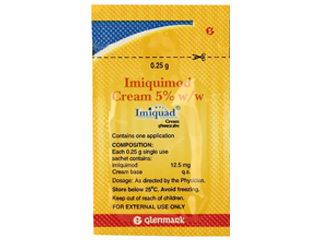
Aldara (imiquimod) Cream — Patient Information (Australia)
Brand: Aldara
Generic name: imiquimod
Form: Cream
Strength: commonly supplied as 5% imiquimod cream (follow your pack label for exact strength).
This patient-friendly guide explains what Aldara is, how it works, typical uses, how to apply it correctly, and important safety information. It is written for people in Australia and covers practical advice, interactions, and frequently asked questions.
Quick overview
- What it’s used for: Aldara is used to treat certain skin conditions linked to human papillomavirus (HPV) and other skin disorders, depending on the indication and local clinical direction.
- How it works: Aldara stimulates the immune system in the skin (especially innate immunity) to help clear abnormal tissue.
- How it’s applied: usually applied at night to clean, dry skin and left on for a set duration before washing off (often 6–10 hours, depending on the indication and clinician instructions).
- Common effects: redness, irritation, burning or itching at the application site. These reactions can be expected but should be monitored carefully.
- Need to know: avoid unnecessary sun/UV exposure, follow correct application schedules, and use barrier protection as advised (especially when genital areas are treated).
Basic product information
| Category | Details |
|---|---|
| Active ingredient | Imiquimod |
| Type of medicine | Topical immune response modifier |
| Where it’s applied | On the affected skin area only, as directed |
| Typical strength | 5% cream (confirm strength on your product) |
| Storage | Store as directed on the pack (generally at controlled room temperature, away from heat and moisture) |
Mechanism of action (how Aldara works)
Aldara contains imiquimod, a topical medicine that helps the body’s immune system recognise and respond to abnormal skin cells and virus-related changes.
Key points:
- Imiquimod activates immune pathways in the skin, including interferon and other immune-signalling molecules.
- It promotes a local immune response that can help the body clear or control abnormal tissue.
- The medicine is designed to work locally where it is applied, with relatively low absorption into the bloodstream.
Pharmacokinetics (absorption and what happens in the body)
When applied to intact skin at the recommended dose and schedule, imiquimod is generally minimally absorbed through the skin.
- Absorption: Low systemic absorption; higher absorption may occur if the treated area is extensive, covered with occlusion, or if the skin barrier is disrupted (for example, broken skin or severe inflammation).
- Distribution: Any absorbed drug is distributed throughout the body as expected for small molecules.
- Metabolism: The medicine is metabolised mainly by hepatic (liver) metabolism pathways.
- Elimination: Metabolites are eliminated primarily via the kidneys (in urine) and to a lesser extent via faeces, depending on metabolism.
Practical meaning for patients: Because systemic absorption is usually low, side effects are most often local (skin-related). Using the cream correctly and avoiding occlusion helps keep absorption low.
Typical uses and indications (what it’s commonly used for)
In Australia, Aldara (imiquimod 5% cream) is used for specific skin conditions. The exact indication and schedule can vary. Always follow the direction associated with your condition and product pack.
Commonly indicated uses include:
- External genital warts (caused by certain HPV types)
- Actinic (solar) keratoses (sun-damaged skin lesions that can be precancerous)
- Superficial basal cell carcinoma in certain selected cases (where appropriate under local clinical guidance)
- Other HPV-related or immune-responsive skin conditions may exist depending on regulatory listings and clinical protocol
Important: Not all skin lesions are suitable for imiquimod. A clinician should confirm the diagnosis before starting treatment.
How to use Aldara: dosing and timing
Application technique and schedule are critical. Below are typical regimens described for common indications. Your product label and clinician advice should be followed if they differ.
General application instructions (most indications)
- Apply at night (often before bedtime).
- Wash and dry the affected area first.
- Use a small amount of cream to cover the lesion/area thinly as directed.
- Wash hands after application (unless your hands are the treatment area).
- Leave on for the recommended duration (commonly 6–10 hours depending on indication).
- After the waiting period: wash the treated area with mild water and gentle cleanser.
- Do not use bandages/occlusive dressings unless specifically advised.
Typical dosing schedules (examples)
The schedule depends on the treated condition, lesion area size, and your clinical plan.
| Indication (typical) | Typical schedule | Notes on timing |
|---|---|---|
| External genital warts | Often applied 3 times per week (e.g., Mon–Wed–Fri or similar), then reviewed based on response | Apply at night; leave on for the recommended duration; wash off in the morning |
| Actinic (solar) keratoses | Often applied once daily for a set course (commonly several weeks), depending on clinician direction | Apply at night; allow the full recommended contact time before washing |
| Superficial basal cell carcinoma | Often applied 5 times per week for a fixed number of weeks, depending on plan | Follow the course exactly; reassess after treatment |
If you miss a dose: Apply it as soon as you remember if it is still within the same day’s routine. If it is close to the next scheduled application, skip the missed dose and continue your regular schedule. Do not apply extra cream to make up for a missed dose.
Practical use tips (to get the best results)
- Use the minimum effective amount: A thin layer is usually enough for the affected area.
- Confirm the lesion borders: For many conditions, treatment extends slightly beyond visible lesions. Do not apply far beyond what your plan instructs.
- Expect irritation: Mild to moderate local redness, swelling, or discomfort can occur. This does not necessarily mean treatment is failing.
- Stop and seek advice if severe: If you develop severe blistering, open sores, spreading rash, or uncontrolled pain, contact a healthcare professional.
- Manage symptoms: Gentle cleansing and supportive skin care can help. Avoid fragranced products on the treated area.
- Avoid friction and occlusion: Tight clothing or covering the area can increase irritation.
Food interactions
No specific food interactions are expected with Aldara because it is a topical medicine and systemic absorption is generally low.
However, if you are using Aldara as part of a broader treatment plan, let your clinician or pharmacist know about all medicines you take (including supplements) in case of individual considerations.
Alcohol and medicine interactions
Alcohol
There are no well-established direct interactions between topical imiquimod and alcohol. Still, because treatment can cause irritation and fatigue in some people, it may be wise to limit alcohol if you notice symptoms worsen after drinking.
Other medicines
Because imiquimod is applied to the skin, drug interactions are less common than with oral medicines. However, these situations matter:
- Other topical products on the same area: Avoid applying strong antiseptics, exfoliants, or other irritants to the treated region unless instructed.
- Immunosuppressive medicines: If you are taking drugs that suppress the immune system, response to Aldara may be reduced and local reactions may differ. Discuss your medications with a clinician.
- Drug overlap concerns: If you are using other treatments for the same condition (e.g., cryotherapy, laser, other topical agents), your clinician may specify when to use each and when to pause.
Always tell your pharmacist about all medicines you use—prescription, over-the-counter, and herbal products.
Safety profile: side effects and warnings
Most side effects are local. The level of irritation can increase during treatment and then gradually settles after stopping.
Common side effects
- Redness (erythema)
- Swelling or inflammation
- Itching, burning, or pain at the application site
- Dryness, peeling, scaling
- Flaking or crusting
- Small ulcers or sores in more intense reactions
Less common systemic effects
Some people may experience flu-like symptoms, particularly with more extensive use:
- Fatigue
- Headache
- Muscle aches
- Nausea
- Fever or chills
Serious or urgent symptoms (seek medical advice promptly)
- Severe skin reactions (intense blistering, severe ulceration, or rapidly spreading rash)
- Swelling of the face, lips, or throat, or breathing difficulties (possible allergic reaction—call emergency services)
- Signs of infection: increasing pain, warmth, pus, or fever
- Eye involvement or severe irritation near the eyes
- Severe genital discomfort that prevents urination or normal hygiene
Who should be extra cautious
- Pregnancy and breastfeeding: Discuss risks and benefits with a clinician. Topical absorption is generally low, but decisions should be individual.
- Immune system conditions: People with immune suppression or immune disorders should seek personalised advice.
- Large treatment areas: Extensive application can increase irritation and systemic exposure.
- Broken skin or open wounds: More drug may be absorbed and irritation may be greater.
Skin care considerations
- Avoid scratching the treated area.
- Use gentle, fragrance-free cleansers.
- Do not apply sunscreen or moisturisers that contain strong fragrances or irritants to the same spot unless approved.
- When treating genital areas, be mindful of comfort and use supportive, non-irritating underwear.
Practical guidance for genital area use (including contraception and sexual activity)
If treating external genital warts, extra precautions are often necessary:
- Use barriers when recommended: Condoms and diaphragms may be affected by topical cream components (and latex can become weaker when exposed to certain substances). Follow the advice given with your regimen.
- Avoid direct contact with the cream: Prevent partners’ skin contact with the treated area until it has been washed off.
- Consider timing: Applying at night and washing in the morning can reduce the chance of transfer during daytime.
If you are sexually active, speak with a healthcare professional about the safest approach during treatment.
Sun/UV exposure and skin irritation
Because Aldara activates immune responses in the skin, your treated area may become more sensitive. It’s generally recommended to:
- Avoid direct sunlight and tanning beds on the treated area.
- Use physical sun protection (clothing, hats, shade).
- Ask a pharmacist or clinician when it is safe to use sunscreen after application, particularly on treatment days.
Alternative options
The best alternative depends on your diagnosis. For HPV-related or sun-damaged lesions, treatment options may include:
- Cryotherapy (freezing lesions)
- Other topical therapies (selected conditions may use alternative immune or cytotoxic agents)
- Surgical approaches (excision or other procedures for certain lesions)
- Laser therapy
- For actinic keratoses: other lesion-directed treatments depending on size and number of lesions
A clinician can help choose the most appropriate option based on lesion location, size, number, and your preferences (e.g., convenience vs. degree of skin reaction).
Market and legal context for Australia (what to expect)
In Australia, topical imiquimod products are regulated under the Therapeutic Goods Administration (TGA) framework for medicines. Availability and prescribing/dispensing requirements depend on the specific listed indication, pack presentation, and local prescribing practices.
For online pharmacy supply, we aim to provide:
- Information consistent with Australian product labeling and approved indications
- Clear guidance on use, storage, and safety
- Support to help you select the correct product strength and pack quantity
Note: Always check your product pack for the approved indication and dosing instructions relevant to the condition you are treating.
Recent guidance and clinical updates (staying current)
Clinical recommendations for skin lesion management can change over time as new evidence emerges and as regulatory guidance is updated. In Australia, guidance is often shaped by dermatology and primary care practice, including considerations such as:
- Correct diagnosis confirmation (some lesions mimic each other)
- Appropriate patient selection (extent of disease and immune status)
- Expected inflammatory reaction and when to stop or seek advice
- Follow-up schedules to confirm clearance or detect recurrence
If you are unsure whether Aldara is suitable, consult a qualified healthcare professional—especially if your lesion is changing, bleeding, or not healing.
Delivery and availability in Australia
Aldara is typically available through authorised pharmacies and may be supplied as single or multiple pack quantities depending on stock and demand. Delivery availability can vary by location across Australia.
What to expect from online ordering:
- Packaging: Medicines are usually shipped in protective packaging to prevent damage.
- Storage on arrival: Store at the temperature stated on the pack. If you have concerns about heat exposure during delivery, contact the pharmacy.
- Delivery timelines: Delivery speed depends on your postcode and the pharmacy’s fulfilment schedule.
To ensure you receive the correct product, confirm the strength (e.g., 5%), brand (Aldara), and pack size before checkout.
FAQ
1) How long does it take for Aldara to work?
It varies by condition. Many people notice changes within the first couple of weeks, while full response is often assessed after completing the planned course. Your clinician/pharmacist can advise when to expect improvement and when follow-up is needed.
2) Is Aldara supposed to irritate my skin?
Some irritation is common, including redness, burning, itching, and crusting. The reaction pattern can be part of the expected response. However, severe pain, extensive blistering, or worsening spreading rash should be assessed by a healthcare professional.
3) Can I use moisturiser or other creams with Aldara?
Use only products recommended for use on treated skin. Avoid strong or fragranced products on the treatment site. If you want to moisturise, ask your pharmacist what is safe for the particular area and stage of treatment.
4) Can I shower or wash after applying Aldara?
Do not wash the cream off until the recommended contact time has passed. After that period, wash the area gently with mild water/cleanser.
5) Can I apply Aldara more often to get faster results?
No. Using it more frequently than directed increases irritation and the risk of side effects without reliably improving results. Stick to the prescribed or pack-guided schedule.
6) What if my lesion gets bigger or looks worse at first?
Some conditions show inflammation or temporary worsening during treatment. Still, rapid deterioration, spreading sores, or new concerning lesions should be checked by a clinician.
7) Can I drink alcohol while using Aldara?
There are no known direct interactions with alcohol for topical imiquimod. If you notice that you feel unwell or symptoms worsen, consider reducing alcohol and seek medical advice if you have significant symptoms.
8) Are there food interactions?
Food interactions are not expected with topical imiquimod at recommended doses because systemic absorption is low.
9) Can I use Aldara during pregnancy or breastfeeding?
Please discuss with a healthcare professional. Although systemic absorption is usually low, decisions should be individual based on the condition being treated and your health circumstances.
10) What should I do if I accidentally get Aldara in my eyes?
Rinse thoroughly with water immediately and seek medical advice if irritation persists.
Summary
Aldara (imiquimod) is a topical medicine that helps activate local immune responses in the skin. It is used for selected conditions such as external genital warts and certain sun-related or skin cancers/precancers, depending on the indication and eligibility. Correct application—typically at night, on clean dry skin, with washing off after the recommended contact time—helps improve outcomes and reduces unnecessary irritation.
Local skin reactions are common, but severe symptoms should be assessed promptly. If you have questions about suitability, interactions with other medicines, or how to manage side effects, speak with a pharmacist or clinician.