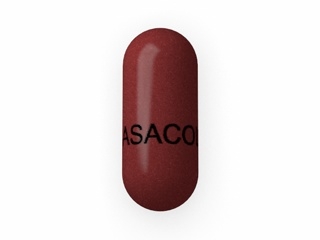

Asacol (Mesalamine) – Patient Information (Australia)
Asacol contains mesalamine (also called 5-aminosalicylic acid / 5-ASA), a medicine used to treat inflammatory bowel disease (IBD), particularly ulcerative colitis. This page explains how Asacol works, how it is taken, what to expect, and important safety information.
Not all information below applies to every person. Always follow the instructions given for your specific product and medical situation.
Quick facts
- Active ingredient: Mesalamine (5-ASA)
- Used for: Ulcerative colitis (including maintenance and relapse control, depending on strength and formulation)
- How it works: Targets inflammation in the colon
- Typical form: Delayed-release tablets/capsules (formulation may vary by product brand/strength)
- Key practical point: Take tablets whole as directed; do not crush/chew unless your product instructions say otherwise
Basic product information
| Feature | Details |
|---|---|
| Medicine | Asacol (mesalamine / 5-aminosalicylic acid) |
| Therapeutic class | Anti-inflammatory medicine for intestinal disease (IBD) |
| Primary condition | Ulcerative colitis |
| How it is designed to act | Delayed/enteric release to reach the colon |
| Strengths | Available in different strengths (varies by country/product). Your pack will show the exact strength. |
What Asacol is and how it works
Asacol is an anti-inflammatory medicine used in IBD. In ulcerative colitis, the lining of the colon becomes inflamed. Mesalamine helps reduce that inflammation.
Mechanism of action (how it works)
Mesalamine’s exact mechanism is complex, but key actions include:
- Local anti-inflammatory effect in the bowel lining
- Scavenging free radicals and reducing inflammatory signalling
- Modulating inflammatory mediators (for example, affecting pathways that contribute to mucosal inflammation)
Important: Because mesalamine acts mainly in the gut, formulations are designed to release the medicine in the colon. This is why correct swallowing and timing matter.
Pharmacokinetics (how the body handles mesalamine)
Pharmacokinetics describes what the body does to the medicine and its by-products.
- Absorption: Mesalamine has limited systemic absorption. Much of the effect is achieved locally in the intestines.
- Distribution: When absorbed, mesalamine and its main metabolite distribute through the body, generally at low levels.
- Metabolism: Mesalamine is metabolised mainly in the gut wall and liver to N-acetyl-5-aminosalicylic acid (N-Ac-5-ASA), which also contributes to the medicine’s overall profile.
- Elimination: Excretion occurs through urine (and to some extent faeces), largely as metabolites.
- Onset: Some symptom improvement may occur over days, but full benefit—especially for maintaining remission—often takes longer.
Why this matters: Because kidneys are involved in elimination, people with reduced kidney function should use mesalamine cautiously and under appropriate monitoring.
Typical uses of Asacol
Asacol is used in ulcerative colitis. Depending on the product strength and clinician plan, mesalamine can be used for:
- Inducing remission (reducing symptoms and inflammation during a flare)
- Maintenance therapy (helping prevent relapse after symptoms settle)
- Preventing disease worsening and reducing inflammatory activity in the colon
Note: Management of ulcerative colitis may also involve other therapies (for example, corticosteroids, immunomodulators, or biologics). Asacol is one part of a treatment plan.
How and when to take Asacol
Timing and daily schedule
Asacol is commonly taken regularly at the same time each day to maintain anti-inflammatory activity in the colon.
- Choose a consistent routine (e.g., morning and evening if prescribed twice daily).
- Try not to miss doses. If you do, follow the guidance on your pack or from your healthcare professional.
- Do not stop suddenly without advice—stopping maintenance therapy can increase relapse risk.
How to take it (important practical details)
- Swallow whole with water unless your product instructions specifically allow splitting or crushing.
- Do not chew or break tablets/capsules (unless directed), because this can affect delayed/enteric release.
- If you have trouble swallowing, ask a pharmacist about the most suitable formulation options.
What to do if symptoms change
If you notice worsening symptoms (such as increased diarrhoea, blood in stools, fever, or worsening abdominal pain), contact your healthcare provider. Do not simply double doses unless specifically instructed.
Food interactions and effect of meals
Food may influence how well some medicines reach the correct part of the gastrointestinal tract. With delayed-release mesalamine products, formulation design is important.
- General advice: Follow the instructions on your pack regarding taking with or without food.
- If uncertain: Take it the way you have been instructed (for example, with food if advised).
- Consistency matters: Keep your usual meal timing similar day to day.
Tip: When switching between different mesalamine brands or strengths, ask whether timing with meals should change. Even within the same active ingredient, release characteristics can differ.
Alcohol and medicine interactions
Moderate alcohol may not directly interact strongly with mesalamine, but alcohol can affect the digestive system and may worsen diarrhoea or abdominal discomfort in some people with IBD.
Alcohol
- Consider avoiding alcohol during a flare or if it reliably worsens symptoms.
- If you choose to drink, keep it moderate and monitor how your gut responds.
Other common medicine interaction themes
Mesalamine can interact with other medicines in specific ways (for example, affecting kidney function when combined with certain drugs). Because individual regimens differ, it’s best to check interactions with a pharmacist if you take:
- Medicines that affect kidney function (including some anti-inflammatory drugs)
- Azathioprine or 6-mercaptopurine (often used in IBD combination regimens; monitoring may be needed)
- Warfarin or other blood-thinning medicines (may require extra monitoring depending on your overall plan)
Always inform your healthcare professional about all medicines, vitamins, and supplements you take.
Indications (when Asacol is used)
Asacol (mesalamine) is indicated for ulcerative colitis. Depending on the specific product and clinician assessment, it may be used:
- To treat active disease (induction) in mild to moderate cases or as part of combination strategies
- To maintain remission and reduce the likelihood of relapse
- In some patients with inflammation confined to certain parts of the colon
Australian context: In Australia, mesalamine products are commonly used as cornerstone therapy for ulcerative colitis, guided by gastroenterology care and local treatment recommendations.
Dosing guidance (general information)
Dose varies by: disease severity, location of inflammation, the specific product strength, and whether the goal is induction or maintenance. Always follow your prescribed plan and the dosing instructions on your pack.
Typical dosing concepts
- Maintenance dosing: usually involves regular daily dosing, often split into one or more doses depending on the formulation.
- For active flares: clinicians may increase the total daily dose or adjust the schedule.
Do not change your dose without advice
Increasing dose on your own can increase the risk of side effects, including potential kidney or intolerance reactions. Likewise, reducing doses may increase relapse risk.
Missed dose
- Take it as soon as you remember if it’s close to the next scheduled dose.
- If it’s nearly time for the next dose, skip the missed dose and continue your schedule.
- Do not take double to make up for a missed dose unless your healthcare professional instructs you to.
Safety profile and monitoring
Like all medicines, Asacol can cause side effects. Many people tolerate mesalamine well, but monitoring is important—especially for kidney health.
Common side effects
- Headache
- Nausea, stomach discomfort, or indigestion
- Diarrhoea or changes in bowel habits (sometimes hard to distinguish from IBD symptoms)
- Rash or mild skin reactions in some people
Serious but uncommon risks
- Kidney problems: Mesalamine can rarely cause kidney inflammation or reduced kidney function. Symptoms can include changes in urination or swelling; sometimes there are no early symptoms.
- Severe intolerance reactions: Rarely, a drug-related reaction can occur that resembles worsening colitis.
- Liver problems: Rare. Seek medical advice if you notice yellowing of skin/eyes, dark urine, or unusual fatigue.
When to seek urgent medical help
Get urgent care if you have:
- Severe or rapidly worsening symptoms
- High fever
- Signs of an allergic reaction (e.g., swelling of face/lips, trouble breathing, widespread hives)
- Severe dehydration (e.g., dizziness, fainting, very low urine output)
Recommended monitoring (typical practice)
Many clinicians monitor:
- Kidney function (blood tests and sometimes urine tests)
- Blood counts and inflammatory markers when appropriate
- Symptoms to confirm response and detect intolerance early
Your exact schedule depends on your health history, age, other medicines, and prior test results.
Practical use tips for daily life
- Set reminders on your phone or calendar to support regular dosing.
- Keep the tablets in their original packaging to protect from moisture and maintain identification.
- Maintain hydration, especially during flares when diarrhoea increases fluid loss.
- Track symptoms (e.g., stool frequency, blood, urgency) to help identify whether the medicine is working.
- Don’t switch brands or strengths without advice. While active ingredient is mesalamine, delayed-release characteristics and dosing schedules can differ.
- Review medications regularly (including pain relievers and supplements) with a pharmacist, particularly if you have kidney disease or take other long-term medicines.
Alternative options for ulcerative colitis
Depending on your illness pattern (extent/severity) and response, clinicians may consider other IBD treatments. Examples include:
- Other mesalamine formulations: Different brands and release types of 5-ASA products
- Corticosteroids (short-term use during flares, as determined by a clinician)
- Immunomodulators (for selected patients, such as azathioprine/6-mercaptopurine)
- Biologic therapies and other advanced agents (for moderate to severe disease or refractory cases)
- Supportive care: hydration, nutrition support, and symptom management strategies
Ask a healthcare professional if Asacol isn’t suitable, isn’t helping enough, or causes side effects.
Market and legal context for Australia
In Australia, medicines containing mesalamine are regulated under national medicines and health product frameworks. Availability, formulation, and usage guidance are consistent with local prescribing practices and safety requirements.
Prescription and access note: In Australia, many IBD medicines may be supplied under regulated medicine access arrangements. Your pharmacist can explain what is required for supply in your specific situation.
Branding: Asacol refers to a particular mesalamine brand. Some patients may use alternative 5-ASA brands depending on availability and suitability. If you’re switching, confirm:
- the exact dose strength
- whether it is delayed/enteric release
- any differences in how it should be taken with food
Recent guidance (general overview)
Clinical practice in ulcerative colitis has increasingly emphasized:
- Objective assessment of inflammation (symptoms, biomarkers, and sometimes endoscopy) to confirm treatment effectiveness
- Treat-to-target approaches aimed at maintaining remission and reducing relapse
- Regular monitoring for safety, particularly kidney function with 5-ASA medicines
- Individualised dosing depending on flare severity, disease extent, and patient tolerance
While the active ingredient remains the same, product formulation details and monitoring schedules may vary. Your prescriber and pharmacist can align your plan with up-to-date care standards.
Delivery and availability (online pharmacy information)
Asacol availability may vary by strength and formulation. When ordering online in Australia:
- Check the product strength listed on the site matches your current medicine.
- Confirm pack size (e.g., number of tablets/capsules) to avoid running out unexpectedly.
- Allow time for dispatch and delivery, especially if you require urgent refills during an active flare.
Storage: Store at room temperature as directed on your packaging, keep away from excessive heat and moisture, and protect from light if your label indicates.
FAQ about Asacol (Mesalamine)
1) How long does Asacol take to work?
Some people notice symptom improvement within days, but for full benefit—especially for maintaining remission—the response may take longer. If you don’t improve, or symptoms worsen, seek medical advice rather than adjusting the dose yourself.
2) Can I take Asacol with food?
Follow the instructions on your specific product pack. Many delayed-release mesalamine regimens can be taken with or without food, but the best approach depends on formulation. Consistency is important.
3) What if my ulcerative colitis symptoms flare while I’m taking Asacol?
Do not stop or double the dose without advice. Contact your healthcare professional promptly. A flare may require additional treatment, and blood/urine tests may be considered to support safe management.
4) Are there foods I should avoid?
There is no single food that universally interferes with mesalamine. However, certain foods can worsen IBD symptoms. If specific foods trigger diarrhoea or pain for you, consider reducing them and discuss nutrition with a healthcare professional.
5) Can I drink alcohol while on Asacol?
Alcohol may worsen bowel symptoms for some people and can increase dehydration risk during flares. If you choose to drink, do so moderately and monitor your symptoms. Avoid alcohol during severe symptoms or if it reliably worsens your gut.
6) Does Asacol affect kidney function?
Mesalamine can rarely affect the kidneys. Monitoring is commonly recommended, especially if you have existing kidney disease or are taking other kidney-relevant medicines. Report any unusual changes in urination, swelling, or reduced urine output.
7) Can I switch to a different mesalamine brand?
Sometimes switching is possible, but confirm the exact dose and formulation (delayed/enteric release characteristics). Your pharmacist can help ensure a safe and appropriate substitution.
8) What side effects should I watch for?
Common side effects include headache, nausea, and abdominal discomfort. Seek prompt medical advice for signs of allergy, severe worsening of colitis-like symptoms, fever, or symptoms suggesting kidney problems.
9) Can children or teenagers take Asacol?
Use in paediatric patients depends on age, weight, severity, and the specific product and formulation. If this applies to your situation, consult a healthcare professional for age-appropriate dosing and monitoring.
10) What happens if I miss a dose?
Take it when you remember if it’s close to the next dose. If it’s nearly time for the next dose, skip the missed dose and continue your schedule. Do not take double.
Important reminder
This information is designed to help you understand Asacol (mesalamine) and use it safely. If you have questions about dosing, interactions, or whether a product is appropriate for you, speak with a pharmacist or healthcare professional.