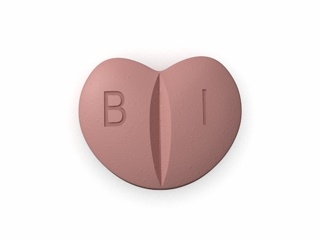
Bisoprolol (e.g., Concor® and generics) — Patient Guide (Australia)
Bisoprolol is a commonly used medicine for certain heart conditions and for managing symptoms related to heart rate. It belongs to a group of medicines called beta-blockers. This guide explains how bisoprolol works, how it’s used, what to watch for, and key practical advice for safe use in Australia.
Note: Always follow the directions given by your prescriber and read the consumer medicines information (CMI) provided with your product.
Quick Facts
- Medicine name: Bisoprolol
- Medicine type: Beta-blocker
- Common forms: Tablets (strength varies by brand/generic)
- How it helps: Reduces heart rate and the heart’s workload
- Common times to take: Often once daily (timing depends on your plan)
- Important caution: Do not stop suddenly without medical advice
Basic Product Information
Bisoprolol is used to treat a range of cardiovascular conditions. It may be available as brand-name products (for example, Concor®) and multiple generic brands in Australia.
Strengths and dosing schedules vary between products and between people, so always check your label and the CMI for your specific tablet strength.
| Topic | Details |
|---|---|
| Drug class | Beta-1 selective blocker (cardioselective beta-blocker) |
| Main effects | Slows heart rate, reduces force of contraction, lowers blood pressure |
| Typical route | Oral tablet |
| Common frequency | Often once daily |
| Who it’s for | People with specific heart-rate and cardiovascular conditions |
How Bisoprolol Works (Mechanism of Action)
Bisoprolol works by blocking beta-1 adrenergic receptors in the heart. By doing so, it reduces:
- Heart rate (slower pulse)
- Conduction through the heart (helpful for rhythm control in certain situations)
- Contractile force (reducing workload on the heart)
- Blood pressure (in many people)
Because bisoprolol is relatively beta-1 selective, it tends to affect the heart more than the lungs at typical doses. However, selectivity is not absolute—people with asthma or certain lung diseases should still be monitored carefully.
Pharmacokinetics (Absorption, Distribution, Metabolism, Elimination)
Understanding how bisoprolol moves through the body can help explain timing, consistency, and side effects.
Absorption
Bisoprolol is typically well absorbed after oral administration. Peak blood levels generally occur a few hours after taking a dose.
Distribution
Once absorbed, bisoprolol distributes into body tissues, including the cardiovascular system.
Metabolism
Bisoprolol is metabolised in the liver to some degree. The exact pathway can be influenced by individual factors such as other medicines and liver function.
Elimination
Elimination occurs mainly through the kidneys and metabolism products. In people with kidney problems, medicine levels may build up if doses are not adjusted appropriately.
Half-life: Bisoprolol has a duration of action that supports once-daily dosing for many people. Individual response varies.
Typical Uses and Indications
Bisoprolol is used for several cardiovascular indications, depending on the person’s health history and clinical findings. Common indications include:
- Heart failure (chronic): To help reduce symptoms and improve outcomes in selected patients.
- High blood pressure (hypertension): Sometimes as part of blood pressure management.
- Coronary artery disease / angina: To reduce heart workload and help control symptoms such as chest pain.
- Abnormal heart rate conditions: To control rate in specific rhythm disorders (depending on diagnosis).
Your healthcare professional will choose the most appropriate use based on your diagnosis, severity, and other medicines.
Dosing: How Bisoprolol Is Usually Taken
Dose requirements vary. Many patients start on a low dose and gradually increase depending on tolerance and response—particularly for heart failure.
General dosing principles (patient-friendly)
- Start low, go slow: Especially important in heart failure and for people sensitive to blood pressure changes.
- Once daily: Many regimens are once daily; some may be tailored to your situation.
- Consistency matters: Take it at the same time each day to keep effects steady.
Practical example schedule
Many people take bisoprolol in the morning or in the evening. Choose a time that best fits your routine and any guidance you’ve been given.
| Situation | Common approach |
|---|---|
| General cardiovascular control | Once daily at a consistent time |
| Heart failure initiation | Titration (gradual dose increase) based on tolerance |
| Missed dose | Take when remembered if close to the next dose; otherwise skip and resume schedule (follow your CMI) |
Do not change dose or stop suddenly without medical advice. Abrupt stopping may worsen angina or heart failure and can cause a rebound increase in heart rate.
Timing: When to Take Bisoprolol
Bisoprolol is usually taken once daily. The best time is the one that helps you remember and avoids unwanted symptoms such as dizziness.
Morning vs evening
- Morning dosing may suit people who prefer daytime routines and monitoring blood pressure and pulse.
- Evening dosing may be considered if dizziness or low energy occurs during the day.
If you’re unsure, ask your pharmacist or prescriber which time is recommended for your specific situation.
What to do if you miss a dose
- Check your product’s CMI for exact advice.
- In general, do not double up to make up for a missed tablet.
- If you missed a dose and you’re near the next scheduled dose, skip the missed dose and resume.
Food Interactions (Taking With or Without Meals)
Bisoprolol can usually be taken with or without food. For most people, meals do not substantially change how well bisoprolol works.
Helpful habit: If you find it upsets your stomach, take it with food or after a meal. The key is consistency.
- Take as directed on your label.
- If you experience nausea, dizziness, or stomach discomfort, note the timing of your dose and discuss with a healthcare professional.
Alcohol and Medicine Interactions
Alcohol
Alcohol may increase the chance of side effects such as dizziness, light-headedness, and low blood pressure. This is especially relevant when you first start bisoprolol or after dose increases.
- Avoid binge drinking.
- Moderate alcohol may still affect you—monitor how you feel after alcohol.
- Rise slowly from sitting or lying positions to reduce fall risk.
Common medicine interactions
Bisoprolol can interact with other medicines. This can change heart rate, blood pressure, or how your body handles the medicines.
- Other heart-rate slowing medicines: Some calcium channel blockers (especially certain types), antiarrhythmics, and other beta-blockers may further lower heart rate.
- Medicines for rhythm disorders: Some antiarrhythmics can increase the risk of bradycardia or conduction problems.
- Blood pressure medicines: Combined use can lead to low blood pressure.
- Some antidepressants and antipsychotics: May affect heart rhythm or blood pressure in certain cases.
- Diabetes medicines/insulin: Beta-blockers can mask some warning symptoms of low blood sugar (such as a fast heartbeat). You may still notice sweating or shakiness.
- Clonidine: If used together, stopping one medicine incorrectly may cause rebound effects; do not stop clonidine without guidance.
- Medicines affecting liver enzymes: These can alter bisoprolol levels in the body.
Always tell your pharmacist about everything you take, including over-the-counter products and herbal remedies.
Safety Profile: Side Effects and When to Seek Help
Most people tolerate bisoprolol well, but side effects can occur—particularly during the early weeks or after dose increases.
Common side effects
- Slow heart rate (bradycardia)
- Dizziness or light-headedness (especially when standing)
- Tiredness, reduced exercise tolerance
- Cold hands and feet
- Sleep disturbances or unusual dreams (some people)
- Mild stomach discomfort or nausea
Less common but important side effects
- Worsening of breathlessness or wheezing (more relevant for people with asthma/COPD)
- Low blood pressure (may cause fainting)
- Changes in mood (rare; discuss if persistent)
- Sexual function changes (possible)
- Skin rash or allergic-type reactions (rare)
Seek urgent medical attention if
- You faint, have severe dizziness, or feel unable to stand safely
- You develop chest pain, severe shortness of breath, or symptoms of a serious heart rhythm problem
- You have signs of a severe allergic reaction (swelling of face/lips, difficulty breathing, widespread rash)
Do not stop suddenly
Stopping beta-blockers abruptly can cause rebound tachycardia and can worsen angina or heart failure. If you need to stop, this is usually done by gradual dose reduction under medical guidance.
Practical Use Tips (Day-to-Day Living)
1) Know your pulse and blood pressure
Ask your healthcare professional whether you should monitor:
- Your heart rate (pulse)
- Your blood pressure
If your pulse becomes very slow or you feel unwell, contact a healthcare professional promptly.
2) Move safely
- Stand up slowly, especially in the morning.
- Stay hydrated (unless you’ve been instructed to restrict fluids).
3) Keep a consistent schedule
- Set a daily alarm or link taking your tablet to a routine (e.g., breakfast or brushing teeth).
- If you travel, pack enough tablets for the full trip plus a buffer.
4) Exercise and activity
Beta-blockers can reduce maximum heart rate during exercise. This may make workouts feel harder at first. Gradually resume activity and follow any personalised exercise advice you’ve been given.
5) Manage interactions
Before starting any new medicine, including antibiotics, cold and flu products, or supplements, check for interactions with bisoprolol.
Who Should Be Extra Careful?
Bisoprolol may not be suitable for everyone or may require closer monitoring in certain groups, such as:
- People with asthma or significant chronic lung disease
- People with very slow heart rates or certain heart conduction problems
- People with diabetes (due to possible masking of hypoglycaemia warning signs)
- People with low blood pressure or history of fainting
- People with kidney or liver impairment (dose adjustments may be required)
Always discuss your medical history with a healthcare professional so they can tailor the safest plan.
Alternative Options (If Bisoprolol Isn’t Suitable)
If bisoprolol isn’t appropriate—because of side effects, inadequate control, or another medical reason—clinicians may consider alternative treatments. Options can include:
- Other beta-blockers such as metoprolol, atenolol, or nebivolol (choice depends on diagnosis and tolerance)
- Non-beta-blocker rate-control options depending on rhythm diagnosis (for example, certain calcium channel blockers)
- Alternative blood pressure or heart failure therapies such as ACE inhibitors/ARBs, ARNI, diuretics, or other heart failure-specific agents
- Other anti-anginal medicines for coronary artery disease (depending on symptoms)
Do not switch on your own. Alternatives may require different starting doses and monitoring plans.
Market and Legal Context for Australia
In Australia, the availability of medicines is regulated under the Therapeutic Goods Act and overseen by Medicines Australia and the Therapeutic Goods Administration (TGA). Medicines may be supplied as either prescription-only or pharmacist-only depending on classification and product format.
Online pharmacy retailers must operate in accordance with Australian laws and pharmacy standards, including appropriate supply processes, customer verification, and product information requirements.
Important: Product availability, packaging, and supply requirements can vary. Always purchase from an Australian pharmacy website that clearly provides details about the medicine, dosage form, and how supply is handled.
Recent Guidance and Monitoring Considerations
While guidance can update over time, key safety principles for bisoprolol remain consistent in Australian clinical practice:
- Gradual titration for heart failure when applicable
- Monitoring heart rate and blood pressure after initiation and dose changes
- Attention to diabetes monitoring where relevant (because fast heart rate warning signs may be blunted)
- Careful management of respiratory symptoms in people with asthma/COPD
If you’re starting bisoprolol or adjusting dose, it’s helpful to ask your pharmacist or prescriber what symptoms should trigger a call and when follow-up will occur.
Delivery and Availability (Online Pharmacy in Australia)
Availability depends on stock levels, the specific brand/generic strength, and whether tablets are in demand. Many online pharmacies in Australia offer:
- Standard and express delivery options within Australia
- Tracking for many orders
- Product listing details such as strength, tablet count, and manufacturer
Packaging and storage: Store bisoprolol tablets in a cool, dry place and keep them in the original packaging until use. Follow the storage instructions on the label.
Delivery tip: Plan ahead so you don’t run out—especially if you’re taking bisoprolol as part of long-term heart treatment.
FAQ: Bisoprolol for Patients
1) What is bisoprolol used for?
Bisoprolol is used for conditions such as chronic heart failure, angina, hypertension, and certain heart rate-related conditions, depending on your diagnosis and overall health.
2) How quickly does bisoprolol work?
Some effects (like reduced heart rate) may be noticeable soon after starting. For longer-term benefits (for example, heart failure symptom control), it may take days to weeks, sometimes longer, and often involves gradual dose titration.
3) Should I take bisoprolol with food?
Usually bisoprolol can be taken with or without food. If it upsets your stomach, taking it with a meal may help. Keep the timing consistent.
4) Can I drink alcohol while taking bisoprolol?
Alcohol may increase dizziness and the risk of low blood pressure. If you choose to drink, keep it moderate and pay attention to how you feel—especially when you first start or after dose changes.
5) What side effects are common?
Common side effects include tiredness, dizziness, slow heart rate, and cold hands or feet. Contact a healthcare professional if symptoms are persistent or severe.
6) What if my heart rate becomes too slow?
If you notice fainting, severe dizziness, or feel unwell with a very slow pulse, seek urgent medical advice. Otherwise, contact your healthcare professional promptly for advice on monitoring and potential dose adjustment.
7) Is it safe to stop bisoprolol suddenly?
No. Stopping abruptly can worsen heart-related symptoms. Dose changes should be guided by a healthcare professional, usually through gradual reduction.
8) Can bisoprolol affect asthma or breathing?
Beta-blockers can sometimes worsen breathing symptoms in sensitive individuals, though bisoprolol is relatively beta-1 selective. If you have asthma or COPD, discuss risk and monitoring with your clinician.
9) Does bisoprolol interact with other medications?
Yes. It can interact with other heart-rate lowering medicines, some blood pressure medications, diabetes treatments, and certain drugs that affect heart rhythm or metabolism. Tell your pharmacist about all medicines and supplements you use.
10) What should I do if I miss a dose?
Check your product’s CMI for instructions. In many cases, you should not double the next dose. Resume your regular schedule unless advised otherwise.
11) Are there alternatives if I experience side effects?
There may be alternative beta-blockers or other heart medicines depending on what bisoprolol is treating. Your clinician can advise the safest option for your condition.
12) How do I take bisoprolol more safely day-to-day?
Take it at the same time each day, rise slowly, monitor symptoms (and pulse/blood pressure if advised), avoid doubling doses if you miss one, and ensure your pharmacist knows about all other medicines.
Always read the consumer medicine information (CMI) that comes with your bisoprolol product for the most accurate details on dosing, side effects, and precautions for that specific formulation.