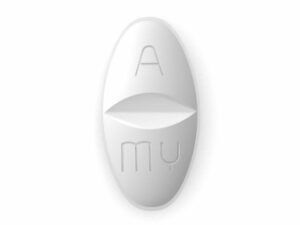

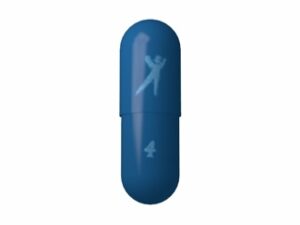
Cardizem (Diltiazem) — Patient Guide (Australia)
Cardizem contains diltiazem, a medicine used to help treat certain heart conditions by relaxing blood vessels and slowing the heart rate. This patient-friendly guide explains what Cardizem does, how it works in the body, typical uses, dosing considerations, food and alcohol interactions, safety information, practical tips, and frequently asked questions—specifically for people in Australia.
1) Basic product information
| Category | Details |
|---|---|
| Medicine | Cardizem (diltiazem) |
| Medicinal ingredient | Diltiazem (a calcium channel blocker) |
| Common forms | Oral tablets/capsules (including extended-release forms, depending on brand and product availability) |
| How it’s taken | By mouth, usually once or multiple times daily depending on formulation |
| Typical goal | Improve blood flow, reduce heart workload, control heart rate, and help relieve certain symptoms |
Note: Different strengths and formulations (for example, immediate-release vs extended-release) may affect how often you take Cardizem and how quickly it starts working. Always follow the specific instructions provided for your product.
2) How Cardizem works (mechanism of action)
Diltiazem belongs to a class of medicines called non-dihydropyridine calcium channel blockers. It works by blocking calcium entry into certain heart and blood vessel cells. This leads to:
- Relaxation of blood vessels (vasodilation), which can help lower blood pressure and improve circulation.
- Slowing of the heart rate by reducing the speed of electrical signals through the heart’s conduction system.
- Reduced force of heart contraction (to a degree), which may lower the heart’s oxygen demand.
In many conditions, these combined effects help reduce symptoms such as chest discomfort and help control heart rate in rhythm disorders.
3) Pharmacokinetics (what the body does to the medicine)
Pharmacokinetics describes how the body absorbs, distributes, metabolises, and eliminates diltiazem. While individual results vary, the following points are useful for understanding timing and interactions.
- Absorption: Diltiazem is absorbed from the gastrointestinal tract. For extended-release formulations, absorption is slower to provide steadier levels.
- Peak levels: Blood concentrations rise after dosing; peak levels occur at different times depending on the formulation. Extended-release products typically reach peak levels later than immediate-release products.
- Distribution: Diltiazem distributes throughout the body, including cardiovascular tissues.
- Metabolism: Diltiazem is primarily metabolised by the liver, involving enzymes that can be affected by other medicines. This is why some drug combinations may increase side effects.
- Elimination: The medicine and its metabolites are eliminated mainly via the kidneys and through bile routes. Your dose may need adjustment in people with significant kidney or liver impairment, as advised by a clinician.
Because metabolism can be influenced by other medicines and substances, drug interactions (including certain antibiotics and antifungals) are important to consider.
4) Typical use in Australia (indications)
Cardizem is used for several cardiovascular conditions where slowing the heart and/or dilating blood vessels is beneficial. Common indications include:
- Angina (chest pain due to reduced blood flow to the heart muscle) — helping reduce the frequency and severity of symptoms.
- Hypertension (high blood pressure) — in selected cases as part of blood pressure management.
- Heart rate and rhythm control, particularly certain supraventricular tachycardias and rate control in some patients with atrial fibrillation or atrial flutter (as determined by the treating clinician).
The most appropriate use depends on your diagnosis, heart rate, blood pressure, ECG findings, and overall health.
5) Timing: when and how to take Cardizem
Timing can be important for both effectiveness and safety, especially with extended-release formulations. Follow the instructions given for your specific product and strength.
General guidance
- Take at the same times each day to maintain stable medicine levels.
- Extended-release tablets/capsules: usually swallowed whole—do not crush or chew unless your product instructions say it is safe.
- If you miss a dose: Take it when you remember unless it is close to the next scheduled dose. Do not take double the amount. If you are unsure, ask your pharmacist for advice.
- Do not stop suddenly: abrupt changes may worsen symptoms in some people. If you need to stop, do so with medical guidance.
How long until it works?
Some benefits may be noticed within hours for immediate-release forms, while extended-release products are designed for more sustained effect. For blood pressure or angina control, improvements may develop over several days to weeks. If symptoms worsen or you feel unwell, seek prompt medical advice.
6) Food interactions (food and drink)
Food can affect absorption for some medicines. For diltiazem, food effects are generally considered manageable, but it’s still wise to take your dose consistently.
- Consistency helps: take Cardizem the same way each day (with or without food) unless your healthcare professional advises otherwise.
- Grapefruit and grapefruit juice: may interact with medications metabolised by liver enzymes, potentially increasing blood levels. Many Australian medicines include warnings about grapefruit for similar reasons—consider avoiding grapefruit unless your clinician says it is safe.
If you have questions about your specific formulation, ask your pharmacist to review the patient medicine information for your brand.
7) Alcohol interactions
Alcohol can increase the risk of side effects such as dizziness, light-headedness, and low blood pressure—especially when combined with medicines that affect heart rate and blood vessels.
- Be cautious: avoid heavy drinking.
- Stand up slowly: if you feel light-headed, sit or stand more gradually.
- Seek advice if: you experience fainting, severe dizziness, or unusually slow heart rate after alcohol.
8) Medicine interactions (important drug and supplement considerations)
Diltiazem interacts with other medicines in several ways. Some combinations can increase diltiazem levels (leading to more side effects), while others can add to the effects on heart rate and blood pressure.
Common interaction categories
- Other medicines that slow the heart (for example, beta-blockers or certain antiarrhythmics): may cause excessive slowing of the heart rate or worsen conduction problems.
- Blood pressure medicines: combined effects may lower blood pressure too much in some people.
- Medicines that affect liver metabolism: certain antibiotics, antifungals, antivirals, and other drugs can raise or lower diltiazem levels.
- Statins (cholesterol medicines): some statins may interact and increase the risk of side effects. Your clinician may choose a statin dose or type carefully.
- Antiarrhythmic medicines: combinations require careful monitoring due to the risk of rhythm or conduction changes.
- Simultaneous supplements and herbal products: some can affect heart rhythm or metabolism. Tell your pharmacist about all products, including herbal remedies.
Always inform your pharmacist or doctor about all medicines you take, including over-the-counter products and supplements. This is particularly important if you start, stop, or change dose of any medicine while using Cardizem.
9) Dosing: what is typical and what to expect
Dosing is individual and depends on your condition, age, kidney/liver function, heart rate, blood pressure, and the specific formulation. The information below is general and not a substitute for product-specific instructions from your healthcare professional.
Factors that influence dose
- Diagnosis (angina vs blood pressure vs rhythm control)
- Whether the product is immediate-release or extended-release
- Your baseline heart rate and blood pressure
- ECG and conduction system status
- Other medicines you take (especially those affecting heart rate or metabolism)
- Liver function impairment and—sometimes—kidney function
Starting and adjusting dose
Diltiazem dosing is commonly initiated at a level that balances effectiveness and tolerability. If needed, the dose may be adjusted gradually to reach the desired effect without causing excessive side effects such as slow heart rate or dizziness.
Safety at the dose level
Because diltiazem can affect heart rhythm and blood pressure, it’s important not to change dose without guidance. If you notice symptoms that suggest the dose may be too high (e.g., fainting, pronounced dizziness, severe fatigue, breathlessness), contact your healthcare provider promptly.
10) Safety profile: side effects and who should be cautious
Like all medicines, Cardizem can cause side effects. Many people tolerate diltiazem well, but it’s important to know what to watch for.
Common side effects
- Headache
- Dizziness or light-headedness
- Swelling (oedema) in the ankles/legs
- Fatigue or weakness
- Nausea
- Constipation (in some people)
- Flushing
Less common but important side effects
- Slow heart rate (bradycardia)
- Low blood pressure (hypotension), especially when standing
- Heart rhythm/conduction changes (may show on ECG)
- Shortness of breath or worsening exercise tolerance in some cases
- Liver-related effects (rare; seek advice if you notice yellowing of the skin/eyes or unusual dark urine)
Seek urgent medical help if you have
- Fainting or severe dizziness
- Chest pain that is worsening or different from usual
- Signs of an allergic reaction (swelling of face/lips, hives, difficulty breathing)
- Severe breathlessness, confusion, or collapse
Who should be extra cautious
Some people require careful assessment before using diltiazem, or need close monitoring while taking it. Examples include people with:
- Known heart block or significant conduction problems
- Very slow heart rate at baseline
- Significant low blood pressure
- Some forms of heart failure (depends on severity and type—clinician decision)
- Significant liver impairment
If any of the above apply to you, discuss your individual suitability and monitoring plan with your healthcare professional.
11) Practical use tips (to help you get the best results)
- Monitor symptoms: keep track of chest pain episodes, breathlessness, palpitations, and dizziness.
- Check pulse and blood pressure if advised: a home blood pressure monitor can be useful—especially during dose changes.
- Report warning signs: contact your clinician if your heart rate is very low, you feel faint, or you develop swelling or shortness of breath.
- Be consistent with routine: taking your dose at the same time each day improves steadiness.
- Use a medication reminder: alarms or a blister pack can help reduce missed doses.
- Keep a list of medicines: include prescriptions, over-the-counter products, and supplements.
If your Cardizem is an extended-release product, avoid crushing or cutting unless the manufacturer specifically indicates it is safe. Doing so can change how the medicine is released and may lead to side effects or reduced benefit.
12) Alternative options (other medicines your clinician may consider)
Depending on the condition being treated, clinicians may consider other options such as other rate-control medicines or different classes of blood pressure/angina therapies. Alternatives may include:
- Other calcium channel blockers
- Dihydropyridines (for example, amlodipine) are sometimes used mainly for blood pressure and angina.
- Beta-blockers (to slow the heart and reduce angina symptoms in suitable patients)
- Other antianginal medicines (for example, nitrates or ranolazine, depending on your situation)
- Other rhythm-control/rate-control strategies for selected arrhythmias
The “best” alternative depends on your heart rate, blood pressure, ECG findings, other health conditions, and the medicines you already use. Only your clinician can decide what is appropriate for you.
13) Cardizem and the Australian market: legal and practical context
In Australia, availability and prescribing/dispensing requirements are governed by Australian regulatory frameworks and the classification of medicines under relevant schedules. Depending on the specific product and strength, Cardizem may be supplied under pharmacy procedures consistent with Australian medicine regulations.
For online shopping, reputable pharmacies typically:
- Verify eligibility and the correct medicine/product for your needs.
- Provide product information and consumer medicine advice.
- Ensure safe handling and delivery procedures are followed.
Product availability can vary between brands and strengths due to supply and regulatory factors. If your preferred strength or formulation is unavailable, your pharmacist may suggest an alternative that matches your clinical needs.
14) Recent guidance and monitoring (what clinicians typically focus on)
Clinical practice around diltiazem commonly emphasises:
- Heart rate and blood pressure monitoring, especially after starting or increasing dose.
- ECG review when used for rhythm control or if symptoms suggest conduction issues.
- Review of interacting medicines, particularly those that may raise diltiazem blood levels or increase its heart-slowing effect.
- Liver function awareness if symptoms suggest possible hepatic effects (rare).
Recommendations can evolve as new evidence becomes available, and guidance may vary for individual patient groups. Always follow local advice from your clinician and pharmacist.
15) Delivery and availability (Australia)
Availability of Cardizem depends on product formulation and supply chains. When shopping online in Australia, most reputable pharmacy services can:
- Display available strengths and pack sizes
- Confirm stock status before dispatch
- Provide estimated delivery timeframes to your location
- Use secure packaging to protect tablets/capsules during transit
For the most accurate timing and delivery expectations, check the listing details and delivery information at checkout. If you need a specific formulation (for example, extended-release), ensure the product name and strength match what your clinician prescribed.
16) Cardizem FAQ
1. What is Cardizem used for?
Cardizem (diltiazem) is used for conditions such as angina, hypertension in selected patients, and heart rate control for certain rhythm problems—depending on your diagnosis and clinical evaluation.
2. How should I take it?
Take Cardizem exactly as directed for your product and strength. Keep dosing consistent and, if it is an extended-release formulation, swallow whole as instructed.
3. Can I take Cardizem with food?
Many people can take diltiazem with or without food, but the most important step is consistency. Avoid grapefruit products unless your pharmacist confirms it is safe for your specific situation.
4. What should I do if I miss a dose?
Take it when you remember if it’s not close to the next dose. If it is near the next dose, skip the missed dose—do not take double. Ask your pharmacist if you’re unsure.
5. Is it safe to drink alcohol while taking Cardizem?
Alcohol may increase the risk of dizziness and low blood pressure. Limit alcohol and be cautious. If you feel faint or very dizzy, seek medical advice.
6. What medicines commonly interact with diltiazem?
Medicines that slow the heart, lower blood pressure, or affect liver metabolism may interact. Examples include some beta-blockers, certain antiarrhythmics, and some antibiotics/antifungals. Always tell your pharmacist about your full medicine list.
7. What side effects are most common?
Common effects include headache, dizziness, swelling (oedema), fatigue, nausea, and constipation. If side effects are bothersome or worsening, contact your healthcare professional.
8. When should I seek urgent help?
Seek urgent help if you faint, develop severe dizziness, experience worsening chest pain, have signs of allergy, or develop severe breathlessness or confusion.
9. Will diltiazem make me feel tired?
Some people experience fatigue, especially during the first days after starting or after dose changes. If fatigue is severe or paired with faintness, contact your clinician.
10. Are there alternatives to Cardizem?
Yes. Depending on your condition, clinicians may consider other calcium channel blockers, beta-blockers, or other antianginal/rhythm-control treatments. Discuss options with your healthcare professional.
Important: This information is provided for general understanding and does not replace advice from your clinician or pharmacist. If you are unsure about your dose, interactions, side effects, or the right formulation for your needs, consult a healthcare professional.