Cartia XT (Diltiazem HCl) — Patient Information (Australia)
Cartia XT is a long-acting brand of diltiazem hydrochloride used to help manage certain heart rhythm and blood pressure conditions. It belongs to a group of medicines called calcium channel blockers. Because Cartia XT is “XT” (extended-release), it releases medicine slowly over the day to help maintain steady levels in the body.
This page explains how Cartia XT works, how it’s commonly used, what you can expect from treatment, important safety information, and practical tips for day-to-day use in Australia.
Quick facts
- Active ingredient: Diltiazem HCl
- Brand: Cartia XT
- Type: Extended-release (long-acting) calcium channel blocker
- Common uses: High blood pressure; certain types of angina; and some abnormal heart rhythms (as advised by a healthcare professional)
- How it’s taken: Usually once daily with food; swallow whole—do not crush or break
What Cartia XT is and how it’s supplied
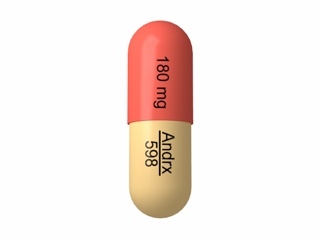
Cartia XT is an extended-release tablet. Extended-release formulations are designed to release the medicine gradually, helping reduce the “peaks and troughs” that can occur with shorter-acting medicines. This can support more consistent effect throughout the day.
In Australia, Cartia XT is typically available in different strengths (commonly 120 mg, 180 mg, and 240 mg extended-release tablets). Your prescribed strength and dosing schedule may differ depending on your condition and response to treatment.
How Cartia XT works (mechanism of action)
Diltiazem blocks specific calcium channels in the heart and smooth muscle (including blood vessel walls). Calcium plays an important role in muscle contraction and electrical signalling in the heart.
- Blood vessels: Relaxation of blood vessel smooth muscle can help lower blood pressure and reduce the workload on the heart.
- Heart rate and conduction: Diltiazem can slow conduction through the heart’s electrical pathways, which may help manage certain heart rhythm problems.
- Angina relief: Improved blood flow and reduced cardiac workload may help reduce angina symptoms (chest pain) in suitable patients.
Overall, Cartia XT helps the heart and blood vessels function more efficiently by reducing excessive constriction and moderating electrical activity.
Typical uses in Australia
Cartia XT is used for the following conditions, depending on your medical history and clinician assessment:
- Hypertension (high blood pressure) — to help reduce blood pressure and lower long-term cardiovascular risk.
- Angina pectoris — to help prevent symptoms and reduce the frequency of chest pain episodes in appropriate patients.
- Some abnormal heart rhythms — such as certain supraventricular tachyarrhythmias, where slowing the heart rate and conduction is beneficial.
If you’re unsure whether Cartia XT is meant for your specific condition, check your medication label or ask your pharmacist.
Indications: when Cartia XT may be considered
Indications can vary depending on local clinical guidance and the individual patient. In general, Cartia XT may be considered when:
- Blood pressure remains above target despite lifestyle changes and/or other medicines.
- Chronic stable angina requires preventive treatment.
- Rate control or conduction slowing is needed for specific rhythm disorders.
Not all people with cardiovascular conditions benefit from diltiazem. Your clinician will consider heart rate, blood pressure, ECG findings, other medications, and underlying heart function.
How to take Cartia XT (timing and dosing)
General timing guidance
Cartia XT is typically taken once daily. Many patients are advised to take it at the same time each day for consistent effect.
Because food can help absorption, it’s commonly recommended to take Cartia XT with meals. Follow the instructions on your label or as directed by your clinician.
Swallow whole—don’t alter the tablet
Do not crush, split, or chew Cartia XT tablets. Altering the tablet can change the extended-release performance and may increase the risk of side effects.
Typical dosing (examples)
Dosing is individualized. The table below shows common starting and target ranges used in practice; your exact dose may differ.
| Condition (typical) | Common approach | Notes |
|---|---|---|
| Hypertension | Once daily, often starting at a lower strength and adjusted gradually | Blood pressure response and tolerability guide changes |
| Angina | Once daily with gradual dose adjustment if needed | Used as preventive therapy; not usually for sudden attacks |
| Some rhythm disorders | Once daily; may be adjusted based on heart rate/ECG | May require monitoring for heart rate and conduction effects |
If you miss a dose, take it when you remember unless it’s close to the next dose. Do not take double doses. If you’re unsure, ask your pharmacist for advice.
Pharmacokinetics (how the body handles Cartia XT)
Pharmacokinetics describe how the medicine is absorbed, distributed, metabolised, and eliminated.
Absorption
- Cartia XT is designed for extended-release absorption, typically resulting in a slower rise in diltiazem levels.
- Food may influence absorption, which is why dosing guidance often includes taking with meals.
Distribution and metabolism
- Diltiazem is metabolised in the liver (primarily through pathways involving CYP3A4).
- It has systemic distribution that allows it to affect both vascular smooth muscle and the heart’s conduction system.
Elimination
- The medicine is cleared from the body primarily via metabolic processes and subsequent excretion.
- Because it’s extended-release, dosing aims to maintain therapeutic levels across 24 hours.
If you have liver impairment or take medicines that strongly affect liver enzymes, your clinician may adjust the dose and monitor closely.
Food interactions
Many patients are advised to take Cartia XT with food. Food can affect absorption and may help reduce variability in blood levels.
- General rule: Follow your label instructions—do not switch from taking with meals to taking on an empty stomach unless advised.
- Grapefruit and grapefruit juice: Some medicines in this class can be affected by substances found in grapefruit. To minimise risk, it’s often best to avoid grapefruit unless your pharmacist says it’s safe.
If you regularly consume grapefruit products or have changes in diet, discuss this with your pharmacist.
Alcohol and medicine interactions
Alcohol
Alcohol may increase dizziness, light-headedness, or faintness in some people—especially when combined with medicines that lower blood pressure. If you drink alcohol, consider:
- Starting with small amounts and monitoring how you feel
- Avoiding heavy drinking or binge patterns
- Taking extra care when standing up quickly
Important medicine interactions
Diltiazem can interact with several medicines, mainly through effects on heart rate/conduction and liver metabolism (CYP3A4). Tell your clinician and pharmacist about all medicines you take, including over-the-counter products and herbal supplements.
- Other heart-rate lowering medicines: Combining with other drugs that slow the heart may increase risk of slow pulse (bradycardia) or heart block.
- Beta-blockers: The combination may be used in selected cases, but requires careful monitoring for heart rate and symptoms.
- Antiarrhythmics: Some antiarrhythmics can add to conduction effects.
- CYP3A4 inhibitors: Certain antibiotics, antifungals, or other medicines that inhibit CYP3A4 may increase diltiazem levels and side effects.
- CYP3A4 inducers: Some medicines may reduce diltiazem levels and reduce effectiveness.
- Statins: Some statins can interact with diltiazem depending on the specific statin.
Never start, stop, or change doses of other medicines without checking for interactions. Your pharmacist can help you review your medication list.
Safety profile: common and important side effects
Most people tolerate Cartia XT well, but like all medicines it can cause side effects. Many side effects are dose-related and may improve with dose adjustment.
Common side effects
- Swelling (often ankles/legs), due to fluid accumulation
- Headache
- Dizziness or light-headedness (especially after standing)
- Flushing (warmth/redness)
- Fatigue
- Nausea or mild gastrointestinal upset
- Constipation (in some people)
Less common but serious risks (seek urgent medical help)
- Very slow heart rate, fainting, or severe dizziness
- Chest pain worsening or new severe symptoms
- Signs of allergy (swelling of face/lips, trouble breathing, rash)
- Severe shortness of breath or sudden worsening of heart failure symptoms (if applicable)
Who should be extra cautious
Extra caution is often needed if you have:
- Low blood pressure or significant dizziness
- Existing heart conduction problems (e.g., certain types of heart block)
- Very slow heart rate
- Moderate to severe liver impairment (dose adjustment and monitoring may be needed)
- Pregnancy or breastfeeding (discuss with your clinician)
If you experience concerning symptoms, contact a healthcare professional promptly.
Practical use tips for everyday life
- Take at the same time each day to maintain steady levels.
- Swallow whole with water. Do not crush or split.
- Pair with meals if your instructions recommend it—try to keep the routine consistent.
- Monitor blood pressure and pulse if advised. A too-slow pulse can be a sign you need review.
- Be careful when standing (dizziness can occur). Rise slowly from sitting or lying positions.
- Keep a medication list (including OTC and supplements) and show it at appointments.
- Report swelling of ankles or sudden weight gain, especially if you have heart failure risk.
What to expect when starting Cartia XT
Response varies. Some effects (such as reduced heart rate or changes in angina frequency) may be noticeable relatively early, while blood pressure improvements can take days to weeks. Dose adjustments are often made gradually.
During the first days of treatment, pay attention to dizziness, fatigue, or changes in your pulse. If you feel faint or extremely unwell, seek medical advice urgently.
Alternative options to consider
Depending on your condition, clinicians may consider alternatives to diltiazem. These may include:
- Other calcium channel blockers (e.g., amlodipine for blood pressure; different formulations for angina/rhythm depending on the situation)
- Beta-blockers (often used for rate control and angina prevention)
- Other anti-hypertensive medicines such as ACE inhibitors, ARBs, thiazide-like diuretics, depending on your profile
- Antiarrhythmic or rhythm strategies for selected cases (specialist-led)
The best alternative depends on your diagnosis, ECG findings, other medical conditions, and current medications. Discuss with your pharmacist or clinician before switching.
Cartia XT in Australia: market, legal and guidance context
In Australia, medicines containing diltiazem are regulated under the Therapeutic Goods Administration (TGA) framework. Availability, prescribing requirements, and product supply can vary by strength and formulation.
Ongoing clinical guidance for cardiovascular medicines is shaped by:
- National treatment recommendations (e.g., hypertension and angina/rhythm management guidance)
- Individual patient risk factors and monitoring needs
- Safety communications related to medicine interactions or class effects
If you’re newly starting Cartia XT, it’s common to have medication review and monitoring for blood pressure, heart rate, and tolerability.
Recent guidance (general patient-facing points)
While specific updates can vary over time, recent emphasis in cardiovascular medication safety often includes:
- Careful review of interactions, particularly with medicines affecting liver enzymes
- Monitoring for bradycardia and conduction problems when combining heart-rate affecting medicines
- Adherence to extended-release instructions (do not crush/alter)
- Reporting of new or worsening symptoms promptly
Your pharmacist can also check for any current alerts relevant to your specific product strength and your other medicines.
Delivery and availability (online pharmacy in Australia)
Cartia XT availability may vary by strength and supply, and different brands or generics may be listed depending on stock. When ordering online:
- Check the strength and form (extended-release) before checkout.
- Confirm your dosing instructions with the product label.
- Delivery times depend on location and courier service. Some orders are dispatched the same business day if stock is available.
- Cold-chain is usually not required for Cartia XT tablets, but products must be stored as directed.
If a dose or strength is temporarily unavailable, you may be offered an equivalent option (where appropriate) or advised on the expected restock time.
Storage
- Store at room temperature, away from excessive heat and moisture.
- Keep in the original packaging until use.
- Keep out of reach of children.
FAQ — Cartia XT (Diltiazem HCl)
1) What is Cartia XT used for?
Cartia XT is used to manage conditions such as high blood pressure, angina (chest pain), and some abnormal heart rhythms, depending on your diagnosis and clinician recommendations.
2) How long does Cartia XT take to work?
Some people notice changes early, but blood pressure and angina control often takes days to weeks, especially after dose adjustments. Your clinician may monitor your response over time.
3) Should I take it with food?
It’s commonly recommended to take Cartia XT with meals for more consistent absorption. Follow the instructions on your label.
4) Can I crush or split Cartia XT tablets?
No. Extended-release tablets should be swallowed whole. Crushing or splitting can change how the medicine is released and may increase side-effect risk.
5) What if I miss a dose?
Take it when you remember if it’s not close to your next dose. If the next dose is near, skip the missed dose. Do not double up.
6) Are there foods I should avoid?
Grapefruit and grapefruit juice may interact with medicines in this class in some patients. It’s often best to avoid grapefruit unless your pharmacist confirms it’s safe.
7) Can I drink alcohol while taking Cartia XT?
Alcohol may worsen dizziness or lower blood pressure. If you choose to drink, do so cautiously and monitor for light-headedness. Avoid heavy drinking.
8) What medicines commonly interact with diltiazem?
Interactions can occur with medicines that affect heart rate/conduction and those metabolised by liver pathways (notably CYP3A4). Always share your full medication list with your pharmacist.
9) What side effects are most likely?
Common side effects include ankle/leg swelling, headache, dizziness, flushing, fatigue, and constipation or nausea in some people.
10) When should I seek urgent help?
Seek urgent medical assistance if you experience fainting, very slow heartbeat, severe or worsening chest pain, trouble breathing, signs of a significant allergic reaction, or sudden worsening of heart failure symptoms.
11) Is Cartia XT the same as immediate-release diltiazem?
No. Cartia XT is extended-release. Dosing and release characteristics differ from immediate-release products, so don’t substitute without clinician guidance.
12) Can I stop Cartia XT suddenly?
Do not stop suddenly unless your clinician advises it. Stopping abruptly may worsen symptoms in some conditions. If you’re considering stopping or changing, speak with your pharmacist or clinician first.
Important reminder
This information is intended to help you understand Cartia XT in everyday language. Always follow the instructions provided with your specific product and seek personalised advice if you have questions about dosing, interactions, or side effects—particularly if you have heart rhythm concerns, low blood pressure, liver problems, or you take multiple medicines.