
Clopidogrel (Clopidogrel bisulfate) — Patient Information (Australia)
Clopidogrel, supplied as clopidogrel bisulfate, is a medicine used to help prevent harmful blood clots. If you’ve been prescribed clopidogrel, this guide explains how it works, when it’s taken, what to watch for, and key interactions—written for patients in Australia.
Always follow your healthcare professional’s instructions. This page provides general information and does not replace personal medical advice.
Quick facts
- What it’s used for: reducing the risk of blood clots in people with certain heart or blood-vessel conditions.
- How it works: it helps prevent platelets from sticking together and forming clots.
- How it’s taken: usually once daily (dose depends on your condition).
- Common warnings: increased bleeding risk; tell your doctor/dentist before procedures.
- Key interactions: some medicines can increase bleeding risk or reduce effectiveness.
Basic product information
| Category | Information |
|---|---|
| Generic name | Clopidogrel (as clopidogrel bisulfate) |
| Drug class | Antiplatelet (P2Y12 inhibitor) |
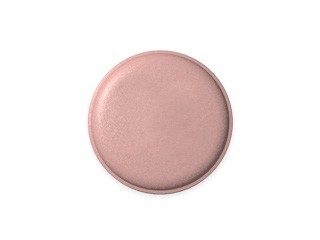
| Typical dosing form | Tablets (strengths vary by product) |
| How it’s used | To reduce clot-related events such as heart attack, stroke, and certain complications after stent placement or vessel disease |
| Food | Generally can be taken with or without food; some dosing instructions may vary by regimen |
How clopidogrel works (mechanism of action)
Blood clots form when platelets clump together and a clotting cascade is activated. Clopidogrel reduces this process by targeting a specific platelet pathway.
Clopidogrel is a prodrug. After absorption, it is converted in the body to an active metabolite that blocks the P2Y12 ADP receptor on platelets. This prevents platelets from becoming “sticky” and limits their ability to form clots.
Practical meaning: clopidogrel helps lower the chance of clot-related events, but it also increases the risk of bleeding.
Pharmacokinetics (how the body handles clopidogrel)
Understanding how clopidogrel behaves in the body can help explain why timing matters and why effects take time.
- Absorption: After you take clopidogrel by mouth, it is absorbed and then processed by liver enzymes to form its active metabolite.
- Activation: Activation depends on metabolic enzymes (notably CYP2C19). This is one reason some medicines can affect clopidogrel’s effectiveness.
- Onset: Platelet inhibition begins after dosing, but the full antiplatelet effect may take several days for stable maintenance effects (depending on whether a loading dose was used).
- Half-life: The active metabolite has a short half-life; however, platelet effects last longer because platelets do not “reset” quickly once inhibited.
- Elimination: Metabolites are cleared mainly via the kidneys and through liver-related pathways.
Typical uses in Australia
Clopidogrel is commonly used to reduce the risk of clotting events in people with cardiovascular and vascular disease. The exact indication and duration depend on your medical history and treatment plan.
Common indications may include:
- After acute coronary syndromes (such as heart attack or certain types of unstable chest pain), especially when part of an antiplatelet strategy.
- After stent placement to help reduce stent-related clotting risk (often alongside other antiplatelet therapy for a defined period).
- Peripheral arterial disease (disease affecting blood flow to the limbs).
- Stroke or transient ischaemic attack (TIA) in certain patients as advised by clinicians.
Your healthcare professional will determine the best approach for your individual risk of clotting versus bleeding.
Dosing and timing
Dosing varies depending on the specific condition, whether a “loading dose” was used, and whether clopidogrel is combined with other medicines. The information below gives typical patterns but should not replace your personal plan.
Typical maintenance dosing
- Most commonly: 75 mg once daily.
- Some regimens: may involve an initial loading dose followed by daily maintenance dosing, depending on the clinical scenario.
How to take clopidogrel
- Take it at the same time each day to keep platelet inhibition consistent.
- Swallow whole with water (unless your product instructions say otherwise).
- Do not stop suddenly without medical advice—stopping can increase the risk of clot-related events.
If you miss a dose
- Take it as soon as you remember on the same day.
- If it’s close to the next dose, skip the missed dose and continue your regular schedule.
- Do not double up to make up for a missed dose.
Food interactions
In many people, clopidogrel can be taken with or without food. However, certain practical points are worth knowing:
- Some clopidogrel regimens may advise taking the dose with food to reduce stomach upset.
- Significant changes in diet are usually not required, but consistency helps—avoid abrupt, major dietary shifts when possible.
- If you have ongoing indigestion, stomach irritation, or other GI symptoms, talk to your pharmacist or doctor.
Important: the most clinically significant interactions are often with other medicines, not typical foods.
Alcohol and medicine interactions
Alcohol
- Alcohol can increase bleeding risk when combined with antiplatelet medicines.
- If you drink alcohol, consider using a lower intake and avoid binge drinking.
- If you have a history of stomach ulcers, bleeding, or liver disease, discuss alcohol use with your clinician.
Common medicine interactions
Clopidogrel’s effectiveness and bleeding risk may change when taken with certain other medicines. Below are the most relevant interaction themes to discuss with your healthcare professional or pharmacist.
1) Medicines that may increase bleeding risk
- Other antiplatelet medicines (e.g., aspirin, prasugrel, ticagrelor) — may be prescribed in specific circumstances, but bleeding risk is higher.
- Anticoagulants (e.g., warfarin, apixaban, rivaroxaban, dabigatran) — can significantly increase bleeding risk.
- Non-steroidal anti-inflammatory drugs (NSAIDs) (e.g., ibuprofen, naproxen, diclofenac) — increase bleeding risk, especially with longer use.
- Some antidepressants (SSRIs/SNRIs) — may increase bleeding risk, particularly if combined.
2) Medicines that may reduce clopidogrel activation (reduced effectiveness)
- Proton pump inhibitors (PPIs) such as omeprazole and esomeprazole may reduce clopidogrel activation. Not every PPI has the same effect, and sometimes stomach protection is still recommended with a suitable alternative.
- Some other strong inhibitors of CYP2C19 may reduce clopidogrel’s active level.
3) Caution with “as needed” products
- Many cold/flu products and pain relievers contain ingredients that can interact. Check labels and confirm with a pharmacist if you’re unsure.
Tip: keep an up-to-date list of all medicines (including vitamins, herbal products, and over-the-counter items) and show it to every healthcare provider.
Safety profile and when to seek help
Clopidogrel is generally well tolerated, but its main risk is related to bleeding because it decreases platelet clotting. Most people will not experience serious bleeding, but it’s important to know what to watch for.
Common or expected effects
- Easy bruising.
- Minor bleeding that may take longer to stop (e.g., from cuts).
- Nosebleeds may occur in some people.
Serious bleeding warning signs (seek urgent medical help)
- Vomiting blood or material that looks like coffee grounds
- Black, tarry stools (or visible blood in stool)
- Unexplained severe headache, dizziness, fainting, or weakness (possible internal bleeding)
- Blood in urine
- Heavy or prolonged bleeding that won’t stop
- Unexpected bruising that rapidly enlarges or is associated with pain
Other precautions
- Procedures and dentistry: inform your dentist/surgeon before any procedure. Your team may advise when to stop or continue.
- Injury: seek advice after significant falls or head injuries, even if you feel “okay.”
- Low platelet disorders or prior bleeding: your clinician will weigh risks carefully.
If you experience symptoms suggestive of bleeding or a severe allergic reaction (e.g., facial swelling, trouble breathing, widespread rash), seek emergency assistance.
Practical use tips for everyday life
- Use a daily routine: take clopidogrel at the same time each day, such as with breakfast or at bedtime.
- Track refills: don’t run out—antiplatelet protection is important.
- Bleeding prevention: use a soft toothbrush and consider an electric razor to reduce cuts.
- Be cautious with new medications: confirm any new pain relievers or “natural” products with a pharmacist.
- Carry information: consider having a card or app note listing you take clopidogrel for emergency staff.
Alternative options (and why they may differ)
“Alternative” depends on why you’re taking clopidogrel and your risk profile. Other antiplatelet agents or anticoagulants may be appropriate for some patients. Options your doctor may consider include:
Other antiplatelet medicines
- Aspirin (often used alone or in combination depending on the condition).
- Ticagrelor or prasugrel (P2Y12 inhibitors with different activation pathways and bleeding profiles).
Anticoagulants (for specific conditions)
- If clot risk relates to conditions like atrial fibrillation, medicines such as apixaban, rivaroxaban, or dabigatran may be considered instead of antiplatelet therapy.
Switching between medicines should be done only under clinician guidance. Don’t stop clopidogrel or change doses without advice.
Market and legal context for Australia
In Australia, clopidogrel is regulated under the Therapeutic Goods Administration (TGA) framework and is supplied as an approved medicine. Availability and product brands vary, and some clopidogrel products may be listed on the Pharmaceutical Benefits Scheme (PBS) depending on eligibility and indication.
Pharmacy supply must comply with Australian legislation and pharmacy practice standards, including identity checks and patient counselling requirements. Your healthcare team may also provide instructions on the recommended duration of treatment.
Recent guidance and evolving practice (overview)
Antiplatelet therapy recommendations can evolve with ongoing evidence, especially regarding the:
- duration of dual antiplatelet therapy (when clopidogrel is combined with another antiplatelet)
- use of stomach protection for patients at gastrointestinal risk
- selection of P2Y12 inhibitor based on bleeding and clot risks
- interactions with acid-suppressing medicines
In Australia, clinicians commonly apply guidance from national and specialty cardiology/vascular groups, and individual decisions are tailored to patient factors. If you have questions about why your regimen looks the way it does, your pharmacist or prescriber can explain the rationale.
Delivery and availability
Clopidogrel is widely available through Australian pharmacies in different brands and tablet strengths. Online pharmacies may offer home delivery services depending on coverage and local regulations.
- Availability: may vary by tablet strength and brand.
- Packaging: medicines are supplied in original manufacturer packaging when purchased through regulated channels.
- Storage: keep tablets in a cool, dry place as directed on the pack.
- Delivery: delivery times vary by location; keep an eye on tracking updates if available.
If you need help confirming stock or selecting the correct strength for your regimen, use the “contact us” options offered by the pharmacy.
Frequently asked questions (FAQ)
1) What is clopidogrel used for?
Clopidogrel is an antiplatelet medicine used to help prevent blood clots in people with certain heart or blood-vessel conditions, including after stent placement, and in some cases of stroke/TIA or peripheral arterial disease.
2) How long does it take to work?
You begin to affect platelet function within hours after dosing, but stable protective effects often build over several days. If you started with a special loading regimen, effects may begin faster.
3) Can I take clopidogrel with food?
In general, clopidogrel can be taken with or without food. Follow the instructions on your product label or from your clinician, especially if your regimen includes specific directions.
4) What happens if I miss a dose?
Take it when you remember on the same day. If it’s near your next dose, skip the missed dose and continue normally. Do not take a double dose.
5) Does clopidogrel increase bleeding?
Yes. Clopidogrel reduces the blood’s ability to clot quickly. You may bruise more easily or have longer bleeding from cuts. Seek urgent care if you notice signs of serious bleeding (such as black stools, vomiting blood, or severe unusual symptoms).
6) Are there painkillers I should avoid?
Some painkillers—especially NSAIDs like ibuprofen or naproxen—can increase bleeding risk. Ask your pharmacist what’s safest for you, particularly if you need regular pain relief.
7) Can I drink alcohol?
Occasional alcohol in small amounts may be acceptable for some people, but alcohol can increase bleeding risk. Avoid binge drinking and seek advice if you’ve had ulcers, bleeding, or liver disease.
8) What about stomach medicines like omeprazole?
Some acid-suppressing medicines (PPIs) may reduce clopidogrel activation (most notably omeprazole and esomeprazole). If stomach protection is needed, your pharmacist or doctor may recommend an alternative strategy.
9) Do I need to stop clopidogrel before surgery or dental work?
You should always tell your dentist or surgeon you take clopidogrel. Whether it’s paused depends on the procedure and your cardiovascular risk. Your clinician will advise the safest plan.
10) Are there alternatives to clopidogrel?
Yes—depending on your condition, your clinician may consider other antiplatelet medicines or other clot-prevention strategies. Do not switch without medical guidance.
When to contact your healthcare professional
Contact your pharmacist, general practitioner, or specialist promptly if you:
- develop persistent or heavy bleeding
- experience black/tarry stools, blood in urine, or vomiting blood
- have severe or unusual headache, weakness, or dizziness
- plan a dental procedure or surgery
- need to start any new medicine (including over-the-counter products and supplements)
For emergency symptoms of serious bleeding or allergic reaction, seek urgent medical assistance immediately.
Note: This information is intended for patient education in Australia. Your personalised instructions may differ based on your diagnosis, other medicines, and overall risk factors.