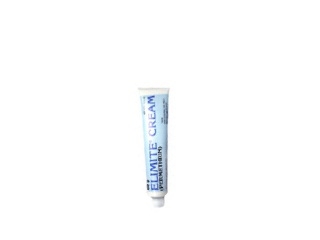

Elimite (Permethrin) – Patient Information
Elimite contains permethrin, a medicine used to treat certain common skin infestations. It works by killing the parasites responsible for the condition, helping to relieve itching and stop the spread to others.
This guide explains what Elimite is, how it works, how it is usually used, and important safety and practical tips—written for people in Australia.
Key product information
| Feature | What you should know |
|---|---|
| Active ingredient | Permethrin (pyrethroid insecticide) |
| Common strengths | Typically available as 5% cream for scabies (and sometimes other formulations depending on brand and country) |
| How it’s used | Topical application to skin (and in scabies, usually includes treatment of the whole body as advised) |
| What it treats | Most commonly scabies (and in some settings, lice depending on product/formulation) |
| How quickly it works | Many people feel improvement after treatment, but itching can persist for days to weeks even after mites are killed |
| Availability in Australia | Availability may vary by pharmacy and current listings; some permethrin products are commonly stocked |
What is Elimite?
Elimite is a topical medicine containing permethrin, a type of pyrethroid that targets parasites living on the skin. It is commonly used to treat scabies, a contagious infestation caused by Sarcoptes scabiei.
Because scabies is highly contagious through close skin-to-skin contact, correct use and treating close contacts (as advised) are key parts of successful control.
How Elimite works (mechanism of action)
Permethrin is designed to interfere with the nervous system of the parasite:
- It affects nerve cell signalling in the mites/lice.
- This causes paralysis and eventual death of the parasites.
- It also helps prevent the infestation from continuing to spread.
Important: even after parasites are killed, your skin can remain irritated. Itching and rash may continue for a period while the immune system settles.
Pharmacokinetics (how the body handles permethrin)
Because Elimite is applied to the skin, only small amounts typically enter the bloodstream.
- Absorption: When used as directed, systemic absorption is generally low. Absorption may be slightly higher if applied over large areas, under occlusion, or to irritated skin.
- Distribution: Systemic distribution (if any) is limited.
- Metabolism: Permethrin is broken down primarily in the liver to inactive metabolites.
- Excretion: Metabolites are mainly eliminated via urine (and to a lesser extent other routes).
These characteristics contribute to its effectiveness when used locally while limiting whole-body exposure.
Typical uses (indications)
Elimite is mainly indicated for:
- Scabies – treatment of infestations on the skin caused by scabies mites.
- In some product forms/markets, permethrin is also used for head lice or other ectoparasites; however, availability and exact indication depend on the specific product formulation and brand.
If you’re unsure whether a particular permethrin product is intended for your condition, check the pack instructions or ask your pharmacist.
Timing and how often to use it
Timing can vary depending on the condition treated and the exact product instructions. For scabies, a common approach is:
- Apply as instructed for the recommended duration.
- Repeat after about 7 days if advised, because eggs may hatch after the first application and a second treatment helps ensure complete eradication.
Itching timeline: After successful scabies treatment, itch can continue for 2–4 weeks (sometimes longer) due to ongoing allergic/immune reaction to dead mites and their remains. This does not automatically mean treatment failure.
When to seek further advice: If new burrows appear, you develop worsening symptoms, or close contacts also remain symptomatic despite correct use, contact a healthcare professional for reassessment.
Food interactions
Because Elimite is applied to the skin, there are no known direct food–medicine interactions for permethrin topical use. Food does not typically affect how the medicine acts.
However, if you are taking other medications (e.g., for itch control or infection), always follow the advice given for those medicines.
Alcohol and medicine interactions
Alcohol: There are no well-established alcohol interactions with topical permethrin, as systemic absorption is generally low when used correctly.
Other medicines: Topical permethrin has limited systemic interaction potential. Still, it’s sensible to avoid applying other strong topical agents to the same area at the same time unless advised.
If you use emollients, medicated creams, or antiseptics, it can help to apply Elimite as a first step and then allow the skin to recover before applying other products—unless the pack instructions recommend otherwise.
Dosing – how much to use and duration
Always follow the instructions on the specific product pack. Dosing is usually described as an application amount (e.g., covering the entire body in scabies treatment) rather than weight-based dosing.
For scabies (typical practice)
- Cover the skin thoroughly with a thin, even layer where advised.
- Don’t forget common sites such as between fingers and toes, wrists, elbows, armpits, waist, buttocks, genitals, and around the navel.
- Children and infants may have additional areas treated (for example, scalp/hairline) depending on guidance.
- Duration: leave on for the time specified by the product instructions (commonly around 10 hours for many scabies regimens—check your pack).
- Rinse off at the recommended time and change clothing/bedding as instructed.
- Repeat after approximately 7 days, unless your pack or clinician advises otherwise.
For other conditions
If the permethrin product is intended for a different infestation (such as lice), follow that product’s dedicated directions, which will differ in technique and timing.
Do not under-apply: using too little or missing areas can reduce effectiveness and may contribute to treatment failure.
Safety profile and side effects
Most people tolerate permethrin well when used as directed. Like all medicines, it can cause side effects.
Common side effects
- Mild burning or stinging
- Redness or irritation
- Itching (which may persist as part of the underlying condition)
- Dryness or mild skin reaction
Less common or serious reactions
- Severe skin irritation or worsening rash
- Swelling (especially face/lips)
- Signs of allergy such as hives, breathing difficulty, or widespread rash
Seek urgent medical help if you develop severe allergic symptoms or breathing difficulties.
Precautions
- Avoid eyes, mouth, and inside the nose. If accidental contact occurs, rinse with water.
- Do not apply to broken skin unless the pack instructions permit it and a clinician has advised.
- Do not use more frequently than recommended.
- In very young infants and in people with extensive skin disease, check product suitability with a pharmacist or clinician due to differing absorption and sensitivity.
Pregnancy and breastfeeding
Topical permethrin is commonly used in pregnancy and breastfeeding when indicated, but individual circumstances vary. Ask a pharmacist for specific guidance based on your situation and the product instructions.
Practical use tips for best results
Correct application improves outcomes and helps prevent reinfestation.
Before you apply
- Read the pack instructions fully.
- Schedule treatment for a time when you can keep the medicine on for the required duration.
- Trim nails (optional but may reduce scratching and skin damage).
During application
- Use enough cream to fully cover the treated areas.
- Apply gently, especially in skin folds.
- Wash hands after application (unless your hands are part of the treated areas and you’ve been instructed otherwise).
- Cover treated skin with clean clothing if recommended.
After treatment
- Rinse off at the recommended time and pat dry.
- Put on clean clothes.
- Wash bedding and recently worn clothing as instructed.
- Do not treat repeatedly “just in case” beyond the recommended schedule.
Preventing reinfestation (scabies-specific)
Reinfestation is a common reason scabies treatment appears not to work. For scabies, practical steps include:
- Treat close contacts if they have symptoms or if your local guidance advises treatment of all household contacts.
- Wash bedding and clothing used within the past few days (follow pack guidance; many regimens recommend laundering in hot water where possible).
- Items that can’t be washed may be sealed in a bag for a set period (follow guidance—time depends on parasite survival; pack instructions and local health guidance provide the best advice).
- Vacuum upholstered furniture and car seats used recently.
Alternative options
If permethrin is not suitable, not available, or has not cleared the infestation after correct use, there may be alternative treatments depending on diagnosis and local recommendations.
- Other topical scabicides (e.g., products based on different active ingredients may be used in some cases)
- Oral treatments may be considered for some infestations or in outbreaks (availability and suitability vary)
- Symptomatic relief for itching, such as emollients or anti-itch therapies, can be used alongside scabies treatment (ask your pharmacist for options in Australia)
Note: the “best” option depends on age, skin condition, severity, and whether close contacts are being treated. A pharmacist can help you choose the most appropriate approach based on the condition being treated.
Market and legal context in Australia (overview)
In Australia, availability and the classification of medicines are regulated. Topical permethrin products are widely known for infestation control and are commonly stocked in pharmacies depending on current supply and product listings.
General considerations for Australian customers include:
- Pack directions and local availability can differ between brands and strengths.
- Always use the product specifically intended for your condition.
- Where outbreaks occur (e.g., in institutions or households), local public health guidance may be followed regarding contact treatment, laundering, and repeat dosing.
Recent guidance: The general principles used in modern infestations management—correct application, treating contacts, laundering/decontamination, and understanding that itching may persist—are consistently emphasized across many health resources. Because recommendations can be updated, it’s wise to check current local advice through a pharmacist or relevant health authority, especially during outbreaks.
Delivery and availability (online pharmacy)
Elimite (permethrin) may be available for online purchase in Australia depending on current stock levels and product listings. Delivery times can vary by location and order volume.
- In-stock items: usually dispatched quickly according to the pharmacy’s service standards.
- Out-of-stock items: may require restocking; some pharmacies can provide alternatives if you specify your condition and age group.
- Packaging: products are supplied in manufacturer-labelled packaging.
If you require specific strength or formulation (for example, 5% cream for scabies), select the correct option in the product listing before checkout.
FAQ
1) Will Elimite cure scabies in one treatment?
Many people improve significantly after one application, but for scabies a second treatment around 7 days later is commonly recommended to kill mites that hatch from eggs after the first application. Always follow the pack instructions.
2) Why is the itching still there after treatment?
Itching can persist for 2–4 weeks (sometimes longer) after successful scabies treatment because of ongoing skin inflammation and immune response to dead mites. If you develop new burrows, worsening spread, or symptoms persist beyond expected timelines, seek further advice.
3) Can I use Elimite if my skin is very sensitive?
Permethrin is generally well tolerated, but sensitive or heavily inflamed skin may sting. Follow the pack instructions carefully. If you experience severe irritation or signs of allergy, stop using and seek advice from a pharmacist or clinician.
4) Should I treat everyone in the household?
For scabies, close contacts often need assessment and may need treatment depending on symptoms and local guidance. Reinfestation can occur if close contacts are left untreated. Ask a pharmacist for advice tailored to your household situation.
5) Do I need to wash bedding and clothes every time?
Yes, laundering and decontamination are important parts of infestation control. Follow the pack instructions for how recently used bedding and clothing should be washed, and how to treat items that cannot be laundered.
6) How long should I leave the cream on?
Leave Elimite on for the duration stated in the product instructions. Many scabies regimens use around 10 hours, but you should confirm the exact time on your pack.
7) Can I apply moisturiser before or after Elimite?
Usually, apply Elimite to clean, dry skin and follow the pack guidance for what to do afterwards. If you plan to use moisturiser for dryness, apply it after rinsing and drying, unless the pack specifically says otherwise.
8) Is Elimite safe for children?
Permethrin is used in children for infestation treatment, but technique and coverage can vary with age. Use the correct product and follow the pack instructions. For infants or very young children, ask a pharmacist if you’re unsure.
9) Are there interactions with other medicines or alcohol?
Topical permethrin has minimal expected systemic interactions. There are no well-established alcohol interactions with topical use. If you’re using other skin treatments, avoid layering strong products unless the pack instructions recommend it.
10) What if I miss a step or apply incorrectly?
If you miss an important area, use too little, or do not repeat on schedule when required, eradication may fail. For scabies, ask a pharmacist for advice on what to do next based on how far treatment has progressed.
When to get help
Contact a pharmacist or clinician if:
- Your symptoms are not improving after correct treatment and timing
- You develop spreading infection signs (e.g., increasing redness, warmth, pain, pus, fever)
- You suspect reinfestation despite decontamination steps
- You experience severe irritation or possible allergic reaction
Elimite (permethrin) can be highly effective when used correctly. With careful application, appropriate timing, and treatment of close contacts and contaminated items, you can reduce spread and help your skin settle.