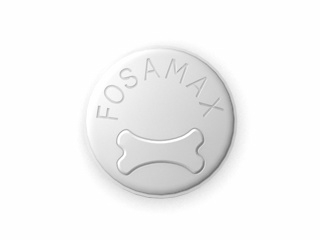

Fosamax (Alendronate) — Patient Information (Australia)
Fosamax is a medicine containing alendronate, a type of drug called a bisphosphonate. It is used to help strengthen bones and reduce fracture risk in people with low bone density or osteoporosis.
This page explains how Fosamax works, how to take it correctly, what to expect, and important safety information for living safely with treatment in Australia.
Quick facts
- Active ingredient: Alendronate (usually as sodium alendronate)
- Class: Bisphosphonate
- Common strengths: 70 mg weekly or 10 mg daily (availability can vary)
- How it’s taken: By mouth, with specific timing rules to protect the stomach and improve absorption
- Key benefit: Helps prevent bone loss and reduces the risk of fractures
- Common side effects: Heartburn, nausea, stomach upset
Basic product information
| Category | Details |
|---|---|
| Medicine name | Fosamax (alendronate) |
| Type | Bisphosphonate |
| Purpose | Treatment and prevention of osteoporosis; fracture risk reduction |
| Typical dosing schedules | Once daily (10 mg) or once weekly (70 mg), depending on the prescribed regimen |
| How to take safely | With plain water only; stay upright after dosing |
Note: Brand availability and pack sizes may differ. Always check the product label and the Consumer Medicine Information (CMI) supplied with your medication.
How Fosamax works (mechanism of action)
Bone is a living tissue that constantly remodels. Osteoclast cells break down old bone; osteoblasts build new bone. In osteoporosis, bone breakdown can outpace bone formation, leading to weaker bones.
Alendronate works mainly by:
- Inhibiting osteoclast activity (reducing bone resorption)
- Binding strongly to bone mineral, especially at sites where bone is being broken down
- Helping maintain or increase bone density over time
Because it acts by slowing bone breakdown, Fosamax does not usually “build bone quickly” like some anabolic treatments. Instead, it helps bones remain stronger and less likely to fracture.
Pharmacokinetics (absorption, distribution, metabolism, excretion)
Understanding the way alendronate is handled by the body helps explain why correct timing matters.
Absorption
- Low oral absorption (especially if taken with food, drinks other than water, or supplements).
- Absorption is best when taken on an empty stomach.
- Alendronate is poorly absorbed across the gut; therefore, small changes in timing or food intake can reduce effectiveness.
Distribution
- After absorption, alendronate rapidly binds to bone.
- Only a small fraction circulates in blood before being taken up into bone or removed.
Metabolism
- Not significantly metabolised by the body.
Elimination
- Primarily eliminated by the kidneys.
- Because it is excreted largely unchanged, kidney function matters for safety.
Typical uses and indications
Fosamax is used for conditions where fracture risk is elevated due to low bone density or increased bone fragility.
Common indications include
- Osteoporosis in postmenopausal women (to reduce the risk of vertebral and hip fractures in appropriate patients)
- Osteoporosis in men (to reduce fracture risk in men with osteoporosis)
- Glucocorticoid-induced osteoporosis (in people receiving systemic corticosteroids), to help prevent bone loss and reduce fractures
- Paget’s disease of bone (osteitis deformans) in selected patients, where alendronate is used to reduce bone turnover
Whether Fosamax is suitable for you depends on your diagnosis, fracture risk, age, kidney function, other medicines, and laboratory values such as vitamin D and calcium.
When and how to take Fosamax (timing and administration)
Correct dosing is crucial. The most common reason for treatment failure is incorrect timing with food or supplements.
General rules (for daily or weekly dosing)
- Take on an empty stomach (no food beforehand).
- Use plain water only to swallow the tablet.
- Do not chew or crush the tablet.
- After taking: remain upright (sitting or standing) for at least 30 minutes (or longer if your clinician advises).
- Stay upright to reduce the risk of irritation or injury to the oesophagus (food pipe).
Daily dosing example (10 mg, if prescribed)
- Take first thing in the morning.
- Wait at least 30 minutes before breakfast or any other drinks (except water).
Weekly dosing example (70 mg, if prescribed)
- Choose a consistent day each week that fits your routine.
- Take on an empty stomach and follow the same upright and waiting rules.
- If you miss a weekly dose, follow the instructions provided with your product or CMI (timing rules can differ—avoid double dosing).
What to avoid around the dose
- Food (including breakfast)
- Milk and dairy drinks
- Fruit juice and other beverages
- Coffee or tea
- Mineral supplements and some medicines that contain calcium, magnesium, iron, or other minerals
Food interactions and absorption limits
Alendronate absorption is highly sensitive to the presence of food and certain minerals.
Best practice: Take Fosamax with water only, and delay eating and most other oral medications until the waiting period is completed.
Common food and supplement interactions
- Calcium supplements, antacids, iron, and magnesium supplements can reduce absorption if taken too close to your dose.
- High-fibre meals may slightly reduce absorption compared with fasting conditions, so avoid taking the tablet with food.
- Mineral-containing drinks can also interfere.
Practical tip: If you need calcium or vitamin D, many people take them later in the day after Fosamax absorption has occurred, as advised by their healthcare professional.
Alcohol interactions
Moderate alcohol intake does not typically have a direct chemical interaction with alendronate. However, alcohol can influence bone health and increase the risk of stomach irritation in some people.
- If you drink alcohol, keep it moderate and follow general bone-health guidance.
- Be cautious if you already experience heartburn or indigestion, as both alcohol and Fosamax can contribute to gastrointestinal discomfort.
Medicine interactions (important examples)
Some medicines can affect Fosamax absorption or increase the risk of side effects.
Medicines that may reduce absorption
- Calcium supplements
- Antacids (including aluminium/magnesium hydroxide)
- Iron supplements
- Magnesium-containing products
Medicines that may increase gastrointestinal risk
- Non-steroidal anti-inflammatory drugs (NSAIDs) (e.g., ibuprofen, naproxen) may contribute to stomach irritation. Many people can still use NSAIDs safely, but report persistent pain or bleeding.
- Aspirin and other gastric-irritating medicines can contribute in some patients.
Kidney-function considerations
- Because alendronate is cleared by the kidneys, other medicines that impact kidney function can be relevant.
Always tell your healthcare professional about all medicines, including supplements and occasional products, so they can advise the correct spacing and monitor safety.
Dosing: how much and how often
Dose and schedule depend on the condition being treated and individual factors such as age, fracture risk, and kidney function.
Common dosing schedules (examples)
- Osteoporosis (postmenopausal women): often 10 mg daily or 70 mg weekly
- Osteoporosis (men): often 10 mg daily or 70 mg weekly
- Glucocorticoid-induced osteoporosis: often 5 mg daily or 10 mg daily depending on the regimen
- Paget’s disease (selected patients): dosing schedules may differ and may be for shorter courses in some cases
Important: Doses should follow your labelled instructions. Avoid changing frequency or strength without clinical advice.
Calcium and vitamin D
For many people, adequate calcium and vitamin D intake is needed to support bone health and reduce the risk of low calcium levels. Your healthcare professional may recommend supplements if diet alone is not enough.
Safety profile: side effects and when to seek help
Most people tolerate Fosamax reasonably well when taken correctly. However, bisphosphonates can cause gastrointestinal effects and—rarely—more serious complications.
Common side effects
- Heartburn (pyrosis)
- Indigestion or upper abdominal discomfort
- Nausea
- Stomach pain
Less common but important oesophageal symptoms
- Pain when swallowing
- Chest pain
If you develop these symptoms, stop taking Fosamax and seek medical advice promptly—oesophageal irritation can occur if the dosing instructions aren’t followed.
Rare but serious risks
- Osteonecrosis of the jaw (ONJ): rare. Risk may be higher in people with cancer treatments, poor oral health, or invasive dental procedures.
- Atypical femoral fractures: rare. Watch for new thigh or groin pain, especially with long-term therapy.
- Severe allergic reactions: rare but possible. Seek emergency help for swelling of face/lips, breathing difficulty, or widespread rash.
- Low blood calcium (hypocalcaemia): more likely if vitamin D is low or calcium intake is inadequate.
Kidney function and suitability
Because Fosamax is excreted by the kidneys, kidney impairment may affect suitability. Your healthcare professional may require blood tests and may adjust or avoid bisphosphonate use depending on kidney function.
Practical use tips for getting the most benefit
- Set a daily or weekly reminder to help avoid missed doses.
- Take with a full glass of plain water and do not lie down right after swallowing.
- Keep your morning routine consistent (for morning dosing schedules).
- Plan calcium/vitamin D separately from the Fosamax dose, as advised.
- Stay hydrated and chew thoroughly if you have swallowing difficulties.
- Inform your dentist if you are taking bisphosphonates—especially before any tooth extractions or implants.
- Report new symptoms early (e.g., persistent swallowing pain, chest pain, or unusual thigh/groin pain).
Alternative options to consider
If Fosamax is not suitable (for example, due to swallowing problems, gastrointestinal intolerance, or specific medical considerations), other treatments may be considered for osteoporosis and fracture prevention.
Common alternatives
- Other bisphosphonates: such as risedronate or ibandronate (oral) or zoledronic acid (intravenous) depending on availability and suitability.
- Denosumab: an injection given under medical supervision that reduces bone resorption.
- Selective oestrogen receptor modulators (SERMs): for appropriate postmenopausal patients.
- Anabolic agents: treatments that stimulate bone formation may be considered in some high-risk cases.
- Calcium and vitamin D support: important foundations, though they do not replace osteoporosis medicines when fracture risk is high.
Your choice depends on your risk profile, kidney function, tolerance, and whether you prefer oral or non-oral options.
Australia: market and legal context
In Australia, Fosamax (alendronate) is marketed for bone conditions such as osteoporosis and is subject to Australian medicines regulation and pharmacy dispensing practices. Supply may be influenced by product availability and whether the specific strength and dosing schedule are currently in stock.
As with all medicines in Australia, products are expected to have appropriate labelling and Consumer Medicine Information (CMI). Pharmacy dispensing and patient information services help ensure correct use—especially for bisphosphonates where timing is essential.
Note on listings: Availability can vary by strength (e.g., 70 mg weekly vs 10 mg daily). If your preferred strength is not available, your pharmacist can advise alternatives within the same active ingredient class or other clinically appropriate options.
Recent guidance and practical updates (general)
In clinical practice, ongoing guidance for bisphosphonate use focuses on:
- Correct administration to minimise oesophageal irritation
- Assessing fracture risk and reviewing ongoing need for long-term therapy
- Ensuring adequate calcium and vitamin D where appropriate
- Dental and jaw health awareness, particularly before invasive dental procedures
Your healthcare professional may recommend periodic reviews (for example, based on bone density tests) to decide whether continuing, switching, or pausing therapy is appropriate for your situation.
Delivery and availability (Australia)
Online pharmacy availability depends on stock levels and the particular Fosamax strength required (commonly 70 mg weekly or 10 mg daily). Delivery times vary by location across Australia and carrier performance.
What you can expect when ordering:
- Confirmation of stock for the selected strength and pack size
- Careful packaging to protect tablets and comply with standard handling procedures
- Delivery to metropolitan and regional areas (timeframes depend on carrier service)
- Information included with your order to support safe use
If you need help matching the correct product strength to your dosing schedule, our pharmacy team can often verify label details before dispatch.
FAQ: Fosamax (alendronate) for patients
1) How long does Fosamax take to work?
Fosamax starts affecting bone breakdown relatively early, but fracture risk reduction and meaningful changes in bone density typically require months to years of consistent use. The best approach is taking it exactly as directed and having regular clinical reviews.
2) What if I accidentally ate breakfast before my dose?
Food can reduce absorption. If you already ate, the dose may not absorb as well. Do not double up. Follow the dosing instructions in the CMI or seek advice from your pharmacist or healthcare professional about what to do next.
3) Can I take Fosamax with coffee or tea?
It’s best to take Fosamax only with plain water. Coffee or tea can reduce absorption. Wait until after the recommended 30-minute interval and then have your usual beverages.
4) How should I separate Fosamax from calcium or antacids?
Calcium supplements and antacids can interfere with absorption if taken too close to your Fosamax dose. Many people take calcium later in the day. Ask your pharmacist or healthcare professional for a specific spacing plan based on your regimen.
5) Can I lie down after taking Fosamax?
No. Stay upright (sitting or standing) for at least 30 minutes after taking Fosamax to reduce the risk of irritation to the oesophagus.
6) Is Fosamax safe if I have heartburn?
Some people find bisphosphonates worsen reflux. Correct administration helps reduce risk. If you have active or severe reflux, difficulty swallowing, or persistent pain, speak with your healthcare professional for alternative options.
7) What should I do before dental surgery?
If you are taking bisphosphonates, inform your dentist. Planning dental procedures is important because ONJ is rare but serious. Do not stop the medicine without medical advice.
8) Does Fosamax affect my kidneys?
Alendronate is eliminated by the kidneys. Suitability depends on kidney function. Your healthcare professional may request blood tests or may recommend an alternative if kidney impairment is present.
9) Are there warning signs that mean I should stop and seek medical help?
Seek prompt medical advice if you develop:
- New or worsening difficulty swallowing
- Pain when swallowing
- Severe chest pain
- Symptoms of a serious allergic reaction
- Unusual thigh or groin pain
- Jaw pain, swelling, or delayed healing after dental work
10) What are common mistakes when taking Fosamax?
The most common issues are taking it with food or the wrong drink, not waiting the required time before lying down, and taking calcium/iron/antacids too close to the dose.
Summary
Fosamax (alendronate) is a bisphosphonate medicine used in Australia to treat osteoporosis and reduce fracture risk. It works by slowing bone breakdown and helps maintain bone strength over time. The key to benefit is proper timing: take it with plain water only, on an empty stomach, and remain upright for at least 30 minutes. Be mindful of interactions with food and mineral supplements, and seek medical advice promptly for swallowing pain, chest pain, or other concerning symptoms.
If you have questions about your dosing schedule, interactions, or suitability based on your health history, a pharmacist can help you understand how to take Fosamax safely.