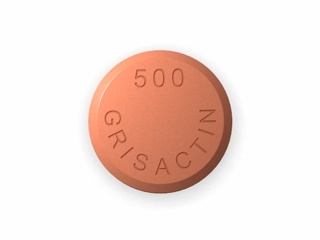
Grisactin (Griseofulvin) – Patient Information (Australia)
Grisactin contains griseofulvin, an antifungal medicine used to treat certain types of fungal infections that affect the skin, scalp and nails. This guide explains how Grisactin works, how it’s usually taken, what to expect, and important safety information for adults and children.
If you have questions specific to your condition or other medicines you’re taking, speak with your pharmacist or doctor.
Basic Product Information
| Item | Details |
|---|---|
| Medicine name | Grisactin |
| Active ingredient | Griseofulvin |
| Therapeutic class | Systemic (oral) antifungal |
| Common uses | Fungal infections of skin/scalp (dermatophytes) and some nail infections |
| How it’s taken | By mouth, usually for several weeks (scalp/skin often shorter than nails) |
| Key concept | Works by affecting fungal cells and preventing growth/replication |
Note: Products can differ by strength and formulation. Always check your pack for the exact dose and instructions.
How Grisactin Works (Mechanism of Action)
Griseofulvin is an antifungal that targets dermatophytes (fungi that commonly cause “ringworm,” tinea, and related infections). It works mainly by:
- Disrupting fungal cell division: It interferes with the growth of fungal cells, helping stop the infection spreading.
- Binding to fungal cell structures: The medicine becomes incorporated into newly formed fungal cells, making them more resistant to breakdown and helping slow ongoing growth.
- Allowing healthy skin/nail growth to replace infected tissue: Over time, the treated area clears as new, uninfected tissue forms.
Because fungal growth is slow—especially in nails—complete clearing can take time even after symptoms start improving.
Pharmacokinetics (How Your Body Handles Griseofulvin)
Pharmacokinetics describes what the body does to a medicine—absorption, distribution, metabolism and elimination.
- Absorption: Griseofulvin is absorbed from the gut. Absorption can improve when taken with food, particularly meals with fat.
- Distribution: It tends to reach and persist in the skin and keratin-containing tissues (such as hair and nails). This helps it treat dermatophyte infections in these locations.
- Metabolism: Griseofulvin is metabolised in the liver.
- Elimination: The medicine and its metabolites are removed mainly via the kidneys (urine) and partly via the faeces.
Practical implication: Taking Grisactin as directed and for long enough is critical. Missing doses or stopping early can lead to relapse.
Typical Use in Australia (What It Treats)
Grisactin is commonly used for infections caused by dermatophytes, including:
- Tinea corporis (ringworm on the body)
- Tinea cruris (ringworm in the groin)
- Tinea pedis (athlete’s foot, in more extensive or resistant cases)
- Tinea capitis (ringworm of the scalp)
- Tinea barbae (beard area, in appropriate cases)
- Nail infections (onychomycosis) caused by dermatophytes, in selected situations
It is not usually the first choice for non-dermatophyte yeast infections (e.g., some causes of thrush), which require different antifungals.
Indications (When Grisactin Is Considered)
Grisactin is generally considered when:
- The infection is widespread or recurrent
- The infection involves scalp or hair-bearing areas (where topical treatments alone may not be sufficient)
- The infection involves nails and requires a systemic option
- Topical antifungals have not worked or are not suitable
Your clinician may also consider:
- Whether the fungus is likely a dermatophyte
- The extent of infection
- Previous treatment history
- Underlying conditions (for example, immune status or liver health)
Timing and How Long It Takes
Fungal infections often improve gradually. With Grisactin:
- Skin symptoms: may start improving within days to 1–2 weeks, but treatment is often continued to reduce relapse.
- Scalp infections: usually require longer courses than simple skin infections.
- Nail infections: can take months because nails grow slowly; clearing may lag well behind symptom improvement.
Key message: Even if you feel better, finish the course recommended for your situation.
Dosing – General Guidance
Dosing depends on factors such as your age, weight (especially in children), the type of infection and severity, and which Grisactin product strength is dispensed.
Because dosing differs between patients, follow the instructions on your pack or provided by your healthcare professional.
- Children: dosing is typically weight-based.
- Adults: dosing is usually fixed by product strength and infection type.
- Nail/scalp: treatment durations are commonly longer than for skin-only infections.
If you’re unsure about your dosing schedule, ask your pharmacist to confirm:
- How many tablets/medicine per dose
- How often to take it
- When to start and stop
- Whether the dose should be adjusted for any liver concerns or interactions
Food and Absorption Interactions
Food can affect how well griseofulvin is absorbed. In general, it’s helpful to take Grisactin with a meal or with food.
- Best practice: take it with or after a meal, ideally with some fat (for better absorption).
- Consistency: try to keep the timing with meals consistent across days.
- If you miss a meal: take it as soon as you can with food, unless your dosing schedule is close to the next dose—then simply continue your normal schedule.
Avoid taking it on an empty stomach unless your specific product instructions or clinician advice say otherwise.
Alcohol and Medicine Interactions
Alcohol
While there isn’t one universal “no alcohol ever” rule for griseofulvin, caution is advised because:
- Griseofulvin is processed by the liver
- Alcohol can also stress the liver and may increase the risk of side effects
Practical advice: It’s generally best to avoid or limit alcohol during treatment, especially if you have liver disease or you notice unusual fatigue, nausea or yellowing of the skin/eyes.
Other medicines (important interactions)
Griseofulvin can interact with other medicines because it may affect how the liver enzymes process drugs. Always provide your pharmacist with a full list of medicines, including:
- Prescription medicines
- Over-the-counter medicines
- Herbal products (e.g., St John’s wort)
- Vitamins and supplements
Examples of medicine interaction considerations include (not exhaustive):
- Oral contraceptives: Griseofulvin may reduce their effectiveness in some situations. Discuss contraception reliability with a healthcare professional.
- Warfarin and anticoagulants: Monitoring and dose adjustments may be needed due to possible changes in clotting control.
- Other medicines metabolised in the liver: Griseofulvin may change levels of certain drugs.
- Alcohol-containing products and sedatives: may increase dizziness or drowsiness in some people depending on the combined effects.
If you start or stop any medicine while taking Grisactin, speak to your pharmacist—especially antibiotics, antifungals, seizure medications, blood thinners, or hormonal treatments.
Safety Profile (Side Effects and Warnings)
Like all medicines, Grisactin can cause side effects. Many people experience none or only mild effects. However, some reactions require urgent medical attention.
Common or mild side effects
- Headache
- Nausea, upset stomach
- Dizziness
- Fatigue
- Skin sensitivity or mild rash
Less common but important side effects
- Liver problems (see warning signs below)
- Severe allergic reaction (rare)
- Serious skin reactions (rare)
- Blood changes (rare; may be detected by blood tests)
Seek urgent medical help if you notice
- Yellowing of the skin or eyes (jaundice)
- Dark urine, pale stools, or severe persistent nausea/vomiting
- Unusual bruising or bleeding
- Fever with rash, mouth ulcers, or widespread skin peeling
- Swelling of the face/lips or trouble breathing
Who should take extra care
- Liver disease or heavy alcohol use
- History of drug rash or severe allergy
- Children (dosing and monitoring are important)
- Older adults (consider overall medication burden)
Practical Use Tips for Best Results
To maximise success and reduce recurrence, combine medicine-taking with infection-control habits.
- Take Grisactin consistently: set a daily reminder.
- Finish the full course: stopping early can allow the fungus to return.
- Use topical treatments if advised: for many cases, clinicians recommend an antifungal cream/shampoo along with oral medicine (especially for scalp or to reduce spread).
- Hygiene and cleaning:
- Keep the affected area clean and dry.
- Wash towels, bedding, and clothing regularly.
- Don’t share hats, brushes, towels or socks.
- Manage footwear for athlete’s foot: rotate shoes, consider antifungal sprays/powders in shoes if appropriate.
- Avoid scratching: helps prevent skin damage and secondary bacterial infection.
- Sun protection: if you notice increased skin sensitivity, protect your skin from sun exposure.
When to expect improvement: some improvement should be seen within the first couple of weeks for skin infections, though complete clearance—particularly for nails—may take much longer.
Alternative Options (Depending on the Infection)
The best treatment depends on the location, severity, and the type of fungus. Alternatives may include:
- Topical antifungals (creams, gels, sprays, solutions) for limited skin infections
- Oral antifungals other than griseofulvin for certain cases (for example, terbinafine or itraconazole), depending on fungal type, infection site and patient factors
- Antifungal shampoos for scalp involvement to reduce fungal load and spread
- Supportive measures like drying treatments, footwear hygiene and treating household contacts if needed
A clinician may choose an alternative based on factors such as drug interactions, liver health, pregnancy considerations, or previous treatment response.
Australia: Market and Legal Context
In Australia, antifungal medicines are supplied under the national scheduling framework. Availability and prescribing requirements can vary depending on:
- The specific product formulation/strength
- Whether it is listed for particular indications
- Supply category and regulatory rules applicable at the time of distribution
Pharmacies may require valid clinical information to ensure appropriate use, dosing, and safety screening. Always use medicines as directed on the supply label.
Online pharmacy delivery services must follow Australian laws and safety standards, including identity verification where needed and compliance with medicine handling procedures.
Recent Guidance and Ongoing Care Considerations
Australian healthcare guidance for fungal skin and nail infections typically emphasises:
- Accurate diagnosis (fungal infections can resemble eczema, psoriasis or bacterial conditions)
- Appropriate duration of therapy (insufficient courses increase relapse risk)
- Risk assessment for systemic medicines, particularly in people with liver disease or those taking interacting drugs
- Infection control measures to prevent spread to family members or reinfection
Recommendations can evolve as new evidence becomes available. If your symptoms do not improve as expected, or if they worsen, seek advice for reassessment.
Delivery and Availability (Online Pharmacy)
Grisactin may be available through online pharmacies in Australia depending on local stock and supply arrangements. Delivery options typically include standard or express shipping, with times depending on the delivery address and courier network.
- Check product details: confirm the strength and formulation on the website listing and your order confirmation.
- Storage: follow pack instructions (typically store at controlled room temperature away from moisture and direct heat).
- Plan ahead: fungal treatments often require several weeks, so arrange refills early if your course extends beyond your first supply.
If you need urgent treatment for a spreading infection, contact the pharmacy for expected dispatch times or consider local in-person care.
FAQ: Common Questions About Grisactin
1) How do I know if Grisactin will work for my infection?
Grisactin is most effective for dermatophyte infections. These include many forms of ringworm (tinea) and some nail infections. If symptoms are not fungal or if the fungus is a different type, treatment may not work. If there is uncertainty, ask a clinician or pharmacist about appropriate testing or alternative therapy.
2) When should I see improvement?
Skin infections often start improving within days to 1–2 weeks, but you may still see gradual changes beyond that. Nail infections can take months to fully clear because nails grow slowly. Continue treatment as directed.
3) Can I stop taking Grisactin once I feel better?
Generally, no—stopping early can allow the fungus to persist and cause relapse. Finish the full course advised for your infection type and severity.
4) Should I take Grisactin with food?
It’s usually recommended to take griseofulvin with a meal to help absorption. If your specific product instructions differ, follow those instructions.
5) Can I drink alcohol while taking Grisactin?
Alcohol is best avoided or limited while you’re taking Grisactin, mainly due to liver considerations. If you plan to drink, discuss your situation with a pharmacist—especially if you have liver disease or you’ve had abnormal liver tests.
6) What medicines should I avoid?
Avoid starting or stopping other medicines without advice. Tell your pharmacist about all medicines and supplements you use, including herbal products, because interactions can occur—especially with warfarin, hormonal contraception and other drugs processed by the liver.
7) What if I miss a dose?
Take it when you remember if it’s not close to the next dose. If you’re near the next scheduled dose, skip the missed dose and continue as normal. Do not take two doses at once.
8) Can children take Grisactin?
Grisactin can be used in children for appropriate fungal infections, but dosing is important and should be based on the child’s characteristics and the product strength. Follow clinician instructions carefully.
9) Are there special warnings for liver problems?
Yes. Seek medical attention promptly if you develop signs such as yellow eyes/skin, dark urine, severe persistent nausea, or unusual bruising. If you have liver disease or symptoms suggesting liver problems, get medical advice before continuing.
10) What if my infection keeps coming back?
Recurrent fungal infections can result from incomplete treatment, reinfection from surfaces or close contacts, or misdiagnosis. Consider:
- Confirming the diagnosis (especially for unusual rashes)
- Using recommended topical products
- Cleaning and hygiene measures
- Assessing for household spread
Disclaimer: This information is intended to help you understand Grisactin. It does not replace medical advice. If you have concerns about side effects, interactions, pregnancy, or the best treatment for your specific infection, speak with a healthcare professional.