
Hair Loss Cream (Australia) — Patient Information
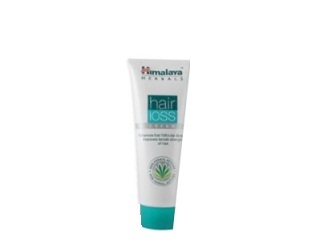
Hair Loss Cream is a topical medicine designed to help with hair loss by supporting normal hair growth. This patient-friendly guide explains how it works, how to use it, what to expect, and important safety information. It also covers interactions, practical tips, and where to find it in Australia.
Please read this page carefully before use. If you have questions or concerns—especially if you’re pregnant, breastfeeding, have skin conditions, or are using other medicines—speak with a pharmacist or doctor.
Key Product Information
| Feature | What you’ll typically find |
|---|---|
| Medicine type | Topical hair loss treatment (cream applied to the scalp) |
| Target area | Scalp (commonly areas of thinning) |
| How it’s used | Applied as directed to dry scalp skin |
| When results may start | Often several weeks; full benefit may take months |
| Common side effects | Scalp irritation, dryness, redness, itching (usually mild) |
| Availability | Sold through legitimate online pharmacies in Australia subject to local rules |
Indications: What It’s Used For
Hair Loss Cream is used for the treatment of hair thinning in suitable people, commonly for patterns associated with androgen-related (hormonal) hair loss.
It is intended for use on the scalp only. It should not be applied to broken or infected skin.
- Helps support regrowth in areas experiencing thinning
- May improve hair density over time
- Works best when used consistently as directed
Not suitable for: Sudden hair shedding due to illness or nutritional deficiency, patchy hair loss, or hair loss involving eyebrows/eyelashes. If you have sudden or patchy loss, consult a clinician for diagnosis.
How Hair Loss Cream Works (Mechanism of Action)
Hair loss creams used for thinning commonly act by improving the growth cycle of hair follicles. When applied to the scalp, the active ingredient encourages hair follicles to move toward a more active growth phase.
In practical terms, the medicine may:
- Support normal follicle function
- Help reduce the tendency toward further thinning
- Encourage new hair growth over time
Important: Creams generally work gradually. You may not see immediate changes, but continued use can help maintain or improve hair appearance.
Pharmacokinetics (How the Body Handles It)
Because Hair Loss Cream is applied to the scalp, only a portion of the dose is expected to be absorbed through the skin. Absorption can vary between individuals depending on scalp condition (for example, irritation or inflammation), application technique, and whether the skin is intact.
In general:
- Topical absorption: Absorption through intact scalp skin is typically limited
- Distribution: Small amounts may reach the bloodstream, though levels are generally low
- Metabolism: The active ingredient can be metabolised in the body
- Elimination: Metabolites are removed primarily through normal body clearance pathways
Why this matters: Even though systemic absorption is usually low, side effects or interactions can still occur—especially if used more frequently than recommended, over large areas, or on irritated skin.
Typical Use and Who Should Consider It
Hair Loss Cream is commonly used by people experiencing gradual thinning of hair on the scalp. It’s most effective when:
- Hair thinning is ongoing and patterned
- Use begins early in the thinning process
- You can commit to daily or regular application for several months
Before you start: Consider taking baseline photos in consistent lighting and angle (or using a mirror) to help you track changes over time.
How to Use Hair Loss Cream (Dosing and Timing)
Always follow the directions on the product label or as advised by your pharmacist. This page provides general guidance.
Typical dosing (general example)
- Adults: Apply the prescribed amount to the affected scalp area
- Frequency: Often once or twice daily depending on the product strength and instructions
- Hands: Wash hands thoroughly after application
Area to apply: Apply to the areas showing thinning. Do not apply to other body parts unless instructed.
When to apply
Choose a consistent routine that you can maintain:
- Apply to the scalp when it is dry
- After applying, allow it to absorb before styling or touching the scalp
- Wait at least the stated time before washing your hair (commonly several hours, but follow your product directions)
How long it takes to work
Hair regrowth treatments usually show effects gradually.
| Timeframe | What you may notice |
|---|---|
| First 2–8 weeks | Little change for many people; mild shedding or increased shedding may occur in some |
| 8–16 weeks | Possible improvement in thickness or reduced shedding |
| 4–6 months | More visible regrowth or thicker hair may appear |
| 6–12 months | Ongoing benefit; maintaining results often requires continued use |
Do not stop early just because you don’t see results immediately. However, if you experience significant irritation, worsening shedding, or other concerning symptoms, stop and seek advice.
Practical Use Tips (Getting the Best Results)
- Use the right amount: More is not necessarily better and may increase side effects.
- Apply to the scalp: Part hair carefully so the cream reaches the scalp skin.
- Avoid contact with eyes and face: Be careful when applying around hairline edges.
- Wash hands after use: Prevent accidental transfer to eyes or other skin.
- Don’t apply over irritated areas: If your scalp is red, broken, or inflamed, pause and talk to a pharmacist.
- Be consistent: Set a daily reminder and keep the same routine.
If you miss a dose: Apply as soon as you remember unless it’s close to the next dose. Do not double up.
Food Interactions
Because Hair Loss Cream is topical, food interactions are not typically expected to be significant. In general:
- No known direct food–medicine interactions are commonly relevant for topical hair loss treatments
- However, if you have a sensitive scalp or are taking other medicines, always consult a pharmacist for personalised guidance
If you experience unexpected symptoms after starting the cream (for example, dizziness, palpitations, or severe headache), discontinue use and seek advice.
Alcohol and Medicine Interactions
Alcohol
Topical absorption is usually low, so alcohol is not commonly a major issue. That said:
- Avoid alcohol if you notice it worsens side effects such as dizziness or irritation.
- If you experience lightheadedness, faintness, or fast heartbeat after applying the cream, do not continue until you’ve spoken to a pharmacist or doctor.
Other medicines
Interactions with other medicines are uncommon but can occur due to absorption variations and individual factors. Talk to a pharmacist if you take:
- Medicines affecting blood pressure or heart rate
- Vasodilators (medicines that widen blood vessels)
- Topical scalp products (especially those that strongly irritate the skin)
Be cautious when combining with other scalp treatments—avoid applying multiple medicated products on the same area unless advised.
Safety Profile: Possible Side Effects
Like all medicines, Hair Loss Cream can cause side effects. Many are mild and localised to the scalp.
Common side effects
- Scalp dryness
- Redness or irritation
- Itching
- Flaking or mild dermatitis
- Temporary increased shedding early in treatment for some people
Less common but serious reactions (seek medical advice urgently)
- Signs of allergic reaction: swelling of face/lips, hives, difficulty breathing
- Chest pain, severe dizziness, fainting, or rapid heartbeat
- Severe scalp reaction: intense burning, blistering, widespread rash
Stop using the cream and seek urgent medical help if you develop symptoms of allergy, breathing difficulty, or significant cardiovascular symptoms.
Warnings and Precautions
- Do not apply to broken skin: Avoid use on cuts, burns, or infected scalp areas.
- Avoid eyes and mucous membranes: If accidental contact occurs, rinse with plenty of cool water.
- Cardiovascular history: If you have heart conditions, low/high blood pressure, or symptoms like palpitations, talk to a pharmacist before use.
- Skin sensitivity: If you have eczema, psoriasis flare-ups, or frequent scalp irritation, you may need extra advice.
- Women who are pregnant or breastfeeding: Discuss with a healthcare professional before starting.
- Children and adolescents: Use only if approved for the specific age group and as advised by a healthcare professional.
Practical Guidance for Day-to-Day Use
Shampooing and styling
- Use your usual shampoo routine, but avoid washing your hair immediately after applying unless your product instructions allow it.
- Let the cream dry/absorb before applying hair sprays, gels, or heavy styling products.
Hair treatments
Perms, relaxers, dyes, and aggressive scalp exfoliants can increase irritation. If you’re planning chemical or heat treatments:
- Consider spacing these treatments away from cream application days
- If your scalp becomes irritated, pause the cream until the skin settles
Tracking progress
- Take photos every 4 weeks to assess thickness and coverage
- Compare under similar lighting and hair-part position
- Be patient—hair growth is slow
Alternative Options for Hair Thinning
If Hair Loss Cream isn’t suitable or you don’t see improvement, several alternatives may be considered (availability depends on Australian regulations and your personal situation).
Non-medicine options
- Hair styling strategies (part changes, volumising products)
- Low-light/LED hair devices (where available and supported)
- Scalp care to reduce inflammation (gentle shampoo, avoid harsh products)
Other medicine options
- Other topical hair-loss medicines with different strengths or formulations
- Oral treatments may be appropriate for some people under medical guidance
- Specialist approaches such as minoxidil-based regimens (depending on suitability) or dermatology-led options
Tip: If you’re unsure which option fits your pattern and goals, ask a pharmacist which treatments are appropriate and how they compare.
Market and Legal Context in Australia (Online Pharmacy)
In Australia, hair loss medicines are regulated under the Therapeutic Goods Administration (TGA) framework. Products sold through legitimate online pharmacies must comply with Australian laws and standards, including requirements related to labelling, packaging, and supply.
To help ensure safe supply:
- Choose an accredited online pharmacy
- Check that the product page provides clear details about the medicine, strength, directions, and safety information
- Be cautious of products that lack Australian labelling or credible sourcing
Recent guidance: Australian guidance commonly emphasises proper labelling, consumer information, correct use, and pharmacy-based advice for topical and systemic medicines where applicable. Always follow the directions provided with the product you purchase.
Delivery and Availability
Hair Loss Cream is commonly available through online pharmacies in Australia depending on stock levels and supply arrangements. Typical delivery expectations include:
- Fast processing: orders are usually processed shortly after purchase during business hours
- Home delivery: shipping to your address via authorised carriers
- Tracking: many pharmacies provide order tracking details
Availability can vary by region and demand. If your preferred strength or pack size is temporarily out of stock, the pharmacy may offer alternatives or restock alerts.
Temperature and storage: Store according to the label instructions, typically at controlled room temperature away from direct sunlight and moisture. Keep out of reach of children.
Buying Safely: What to Look For
- Correct product name and strength (check the label)
- Clear usage instructions on the packaging
- Australian labelling including active ingredients, expiry date, and warnings
- Reliable pharmacy supply to reduce the risk of counterfeit products
FAQ: Frequently Asked Questions
1) How soon will I see results?
Many people notice little change in the first few weeks. Improvement may begin around 8–16 weeks, with more visible results often taking several months. Consistent daily/regular use is key.
2) Should I stop if I notice increased shedding?
Some people experience temporary shedding early in treatment. If shedding is mild and improves, it may settle. However, if shedding is severe, lasts longer than expected, or you develop significant scalp irritation, stop and seek advice.
3) Can I apply it after showering?
Apply to the scalp when it is dry. If your scalp is damp, the cream may spread differently and reduce effectiveness or increase irritation.
4) What if I miss a dose?
Apply when you remember unless it’s close to the next dose. Don’t double up.
5) Can I use other hair products or treatments?
You can usually continue normal hair care, but avoid applying other medicated or strongly irritating products to the same scalp area unless advised. If you experience redness or itching, simplify your routine and seek guidance.
6) Is it safe to use on an irritated or broken scalp?
No. Do not apply to broken, inflamed, or infected skin. Wait until the skin has healed.
7) Will it work if my hair loss is due to stress or illness?
Hair loss from stress, illness, or nutritional issues may have a different cause. If you have sudden or diffuse shedding, consult a clinician or pharmacist for advice before starting.
8) Are there interactions with alcohol or other medicines?
Systemic interactions are usually limited because it is topical, but symptoms like dizziness or palpitations are warning signs. If you take medicines affecting blood pressure/heart rate or vasodilators, ask a pharmacist for personalised advice.
9) Can women use Hair Loss Cream?
Some topical hair-loss medicines may be suitable depending on the specific formulation and dose. Discuss with a pharmacist, particularly if you are pregnant, planning pregnancy, or breastfeeding.
10) What should I do if I accidentally get it in my eyes?
Rinse with cool water immediately and seek medical advice if irritation persists.
Summary
Hair Loss Cream is a topical hair thinning treatment intended to support hair growth in suitable individuals. It works gradually by helping hair follicles move toward a more active growth phase. Results typically require consistent use over several months. While side effects are often mild and localised to the scalp, discontinue use and seek medical help for signs of allergy or serious symptoms such as chest pain, fainting, or breathing difficulty.
If you’d like, tell us your age, the pattern of hair thinning, how long it’s been happening, and any scalp irritation you have—then a pharmacist can help you choose the most appropriate approach and how to use it safely.