Itraconazole (Antifungal Medicine) — Patient Information (Australia)
Itraconazole is an antifungal medicine used to treat a range of fungal infections. It works by stopping fungi from making essential components needed to grow and survive. Because different fungal infections and formulations (capsules vs oral solution vs tablets) can behave differently in the body, it’s important to use itraconazole exactly as directed by your healthcare professional.
This information is designed to be patient-friendly and Australia-focused. Always read the product packaging and follow your clinician’s instructions.
Basic product information
| Item | Details |
|---|---|
| Generic name | Itraconazole |
| Medicine type | Systemic antifungal (triazole) |
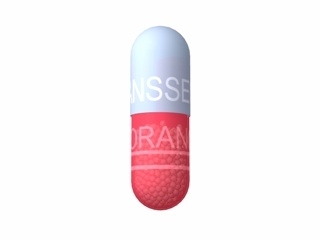
| Common formulations | Capsules, oral solution, (where available) tablets |
| Typical conditions treated | Several fungal infections including certain skin, nail, lung and systemic (deep) mycoses |
| How it’s taken | Oral (by mouth), usually once or twice daily depending on indication |
How itraconazole works (mechanism of action)
Itraconazole belongs to the triazole family of antifungal medicines. It works by interfering with the production of ergosterol, an essential component of fungal cell membranes.
- It inhibits a fungal enzyme called lanosterol 14α-demethylase.
- Without adequate ergosterol, the fungal cell membrane becomes damaged and the fungus can’t grow effectively.
- Depending on the organism and infection site, itraconazole may be fungistatic (slows growth) or fungicidal (kills fungi) at sufficient concentrations.
What this means for you: fungal infections often improve gradually. Even after symptoms ease, fungi may still be present—so completing the full course is usually important to reduce the risk of relapse.
Pharmacokinetics (how the body handles itraconazole)
Itraconazole shows complex behaviour in the body. Key points include absorption differences between formulations, strong binding to tissues, and interactions with other medicines.
Absorption
- Capsules have absorption that is affected by stomach acid (acid helps the medicine dissolve).
- Oral solution is generally absorbed more easily and behaves differently from capsules.
- Taking with certain foods can improve absorption of some formulations (see food interactions below).
Distribution
- Itraconazole distributes into tissues and may accumulate in some compartments (for example skin and certain keratin-containing tissues like nails).
- Because of this, benefit can continue after the end of treatment for some infections.
Metabolism and elimination
- Itraconazole is primarily metabolised in the liver.
- It is eliminated mainly via bile and faeces (with a smaller amount in urine).
Half-life
- Itraconazole can remain in the body for days to weeks, particularly because of tissue retention.
- This is one reason drug interactions remain important even after stopping therapy.
Typical uses (indications) in plain language
Itraconazole may be used to treat a variety of fungal infections, including (depending on local guidelines and availability):
- Systemic (deep) fungal infections such as some cases of:
- Histoplasmosis
- Blastomycosis
- Aspergillosis (selected cases)
- Other less common systemic mycoses
- Fungal skin and nail infections (for example certain onychomycosis—fungal nail infections—depending on the product and regimen)
- Vaginal candidiasis is typically treated with other antifungals; itraconazole may be considered in some situations but the choice depends on guidelines and your specific case.
- Other endemic mycoses (regional infections caused by fungi found in specific environments)
Important: Not every fungal infection is best treated with itraconazole. The most suitable antifungal depends on the fungus involved, the infection site, severity, and your medical history.
Timing and how to take itraconazole
How you take itraconazole can affect how well it works. Always follow the instructions on your specific product label.
General timing
- Take it at the same times each day to maintain steady levels.
- If you miss a dose, take it when you remember unless it is close to the next scheduled dose. Do not double to make up for a missed dose.
Take it with/without food (depends on formulation)
- Capsules: often require food to improve absorption (commonly taken immediately after a meal).
- Oral solution: absorption patterns differ from capsules; directions vary by product. Many oral solutions are taken on an empty stomach (commonly with water), but confirm for your exact product.
- Tablets: specific instructions depend on formulation and brand.
Tip: If you’re unsure whether your medicine is a capsule, oral solution, or tablet, check the pack and speak with a pharmacist if needed.
Food interactions (what to watch for)
Food can affect absorption. In general:
- Some itraconazole formulations are best taken with food to support absorption.
- A very large or unusual meal pattern may change how consistently you absorb the medicine. Try to maintain a consistent routine where possible.
Stomach acid interactions are especially important (see next section). Acid-suppressing medicines can significantly reduce itraconazole absorption, particularly with capsules.
Alcohol interactions
Alcohol doesn’t always directly “cancel out” itraconazole, but combining alcohol with itraconazole can be problematic because itraconazole is metabolised in the liver.
- If you drink alcohol, consider keeping intake low and avoid binge drinking.
- Be cautious if you have liver disease or a history of liver problems.
- Call for advice urgently if you develop signs of liver irritation (for example, severe nausea, vomiting, unusual tiredness, dark urine, pale stools, or yellowing of skin/eyes).
Medicine interactions (including alcohol-related and key drug classes)
Itraconazole is known for significant drug interactions. It can inhibit certain liver enzymes and transporter proteins that other medicines rely on. This can lead to higher levels of interacting medicines and increase the risk of side effects.
Medicines that may be unsafe with itraconazole
Do not take itraconazole together with some medicines unless your healthcare professional specifically advises it. Examples often include:
- Certain medicines for heart rhythm and rate control (some antiarrhythmics)
- Some medicines used for severe allergies or asthma (depending on brand and active ingredient)
- Some cholesterol-lowering medicines (statins can interact)
- Certain sedatives/anti-anxiety medicines, sleeping tablets, or opioids (varies by ingredient)
- Ergot alkaloids (migraine/vascular indications)
- Some antihistamines and other agents that can affect heart rhythm (QT prolongation)
Because interaction risk depends on the exact active ingredient and dose, always provide your pharmacist with a complete list of:
- All prescription and non-prescription medicines
- Herbal products and supplements
- Any recent antibiotics or antifungals
Acid-suppressing medicines (important for absorption)
Itraconazole capsules generally require adequate stomach acid. Medicines that reduce acid may reduce itraconazole levels, potentially leading to treatment failure.
- Proton pump inhibitors (PPIs) (e.g., omeprazole, esomeprazole) may reduce absorption.
- H2-receptor antagonists (e.g., famotidine) may also reduce absorption.
- Antacids may affect timing and absorption if taken close together.
If you use acid-suppressing medicines, ask your pharmacist how to space doses or whether an alternative antifungal is better.
Enzyme inducers (can make itraconazole less effective)
Some medicines can increase the metabolism of itraconazole, lowering its levels. Examples may include:
- Certain anticonvulsants
- Some medicines for tuberculosis (rifampicin-type)
- Herbal products such as St John’s wort
Other antifungals
- Combining antifungals can sometimes be appropriate but may also increase side effects or reduce effectiveness depending on the combination.
- Discuss your regimen with a healthcare professional before combining treatments.
Dosing overview (how dosing is typically arranged)
Dose and duration depend on the infection, severity, and which formulation you are using. Your label will provide exact instructions.
Common practical dosing patterns (examples only—always follow your product instructions):
- Some conditions are treated with once-daily dosing.
- Other conditions require twice-daily dosing.
- Some fungal nail infections may use pulse regimens (periods on treatment followed by periods off) depending on clinical guidance.
Duration matters
- Skin and nail infections may take weeks to improve because fungi persist in deeper layers and nails grow slowly.
- Systemic infections often require longer courses and may involve monitoring.
Special populations
- Children: dosing is based on weight and specific indication; it must be individually determined.
- Elderly: dose adjustment may be needed depending on liver function and interacting medicines.
- Liver impairment: itraconazole may be used cautiously; monitoring may be recommended.
Never adjust your dose without medical advice. Stopping early can lead to recurrence.
Safety profile (what to know before and during treatment)
Common side effects
- Nausea or upset stomach
- Headache
- Diarrhoea
- Abdominal discomfort
- Dizziness (less commonly)
Less common but serious risks
Itraconazole can rarely affect:
- Liver function (hepatotoxicity). Seek urgent advice if you notice symptoms of liver injury.
- Heart function and rhythm (especially in people with certain cardiac conditions). If you experience worsening shortness of breath, sudden weight gain, or swelling, seek medical help.
- Severe allergic reactions (rash with swelling, difficulty breathing, blistering skin).
- Interactions with other medicines, which can increase side effects or cause dangerous heart rhythm changes.
When to seek urgent help
- Yellow skin/eyes, dark urine, severe fatigue or persistent vomiting
- Fainting, severe dizziness, palpitations with shortness of breath
- Severe rash, blistering, or swelling of face/lips
Pregnancy and breastfeeding (general considerations)
The safety of itraconazole during pregnancy or breastfeeding depends on the specific situation and infection severity. Discuss risks and benefits with a healthcare professional, especially if you are pregnant, planning pregnancy, or breastfeeding.
Practical tips for successful use
- Use the correct formulation: capsules and oral solution may have different absorption requirements.
- Follow meal instructions: if your label says “take after food,” follow that closely.
- Check interactions early: tell your pharmacist about all medicines and supplements before starting.
- Don’t stop early: fungal infections often improve slowly; completing the course reduces recurrence.
- Track symptoms: note improvements or worsening and report concerns promptly.
- Be consistent: taking doses at the same times each day helps maintain effective levels.
Monitoring and follow-up
Your clinician may recommend monitoring depending on the infection type, dose, and your medical history.
- Liver tests may be considered, particularly with long courses or existing liver risk factors.
- Clinical assessment of response (improved symptoms, reduced lesion size, or reduced fungal markers where applicable).
- If you have a history of heart failure or abnormal heart rhythms, extra care may be necessary.
Alternative options for fungal infections
The best alternative depends on the fungus, site of infection, and severity. Your healthcare professional may consider other antifungals such as:
- Fluconazole (for some yeast infections; dosing differs)
- Terbinafine (commonly used for some dermatophyte skin and nail infections)
- Voriconazole or posaconazole (often for more serious systemic fungal infections in specialist settings)
- Amphotericin B (used for severe systemic infections in hospital settings)
- Topical antifungals (for mild or localised skin infections)
Key point: switching antifungals without guidance can reduce effectiveness or increase side effects due to drug interaction differences.
Market and legal context in Australia (general)
In Australia, medicines including itraconazole are regulated under the Australian health system. Availability, prescribing requirements, and pharmacy supply can vary depending on:
- The specific product strength and formulation
- The intended indication
- Regulatory classification and current guidelines
- Whether supply requires additional clinical screening
Online pharmacies in Australia typically follow relevant laws and pharmacy standards, including identity and safety checks, and providing suitable patient counselling and product information.
Recent guidance and clinical practice considerations (summary)
Clinical practice for antifungal therapy continues to evolve. Current themes in guidance and real-world practice include:
- Confirming the diagnosis (or species) when feasible, particularly for recurrent or severe infections.
- Checking drug interactions before starting because itraconazole has a high interaction burden.
- Considering liver and heart history, especially for longer courses or people with comorbidities.
- Ensuring adequate absorption by following food and stomach-acid instructions for the specific formulation.
If you have a complex medical history or take multiple medicines, ask your pharmacist to perform an interaction check before each supply or refill.
Delivery and availability (what to expect from an online pharmacy)
Availability of itraconazole may vary by strength and formulation. When ordering online in Australia, the process typically includes:
- Product selection (confirming strength and dosage form)
- Safety screening (including potential interactions and suitability checks)
- Shipping confirmation and tracking
- Packaging that protects tablets/capsules from moisture and heat
Storage at home: store according to the label instructions, typically away from excessive heat, moisture, and direct sunlight. Keep out of reach of children.
Delivery timeframe: depends on your location within Australia and local carrier schedules. Many online pharmacies provide estimated dispatch and shipping times at checkout.
FAQ — Frequently asked questions
1) What is itraconazole used for?
Itraconazole is used to treat a range of fungal infections, including some serious “deep” infections and certain skin or nail fungal infections, depending on the diagnosis and formulation.
2) How long does it take to work?
Improvement is often gradual. Skin conditions may improve in weeks, while nail infections can take much longer because nails grow slowly. If there’s no improvement after an appropriate period, contact your clinician for review.
3) Should I take itraconazole with food?
Often, capsules need to be taken with food to support absorption. Oral solution and other formulations can have different instructions. Always follow the instructions for your exact product.
4) Can I take antacids or acid reducers with itraconazole?
Acid-lowering medicines may reduce itraconazole absorption, especially capsules. Ask your pharmacist about the best spacing or alternatives.
5) Are there medicines I should avoid?
Yes. Itraconazole can interact with many medicines, including some used for heart rhythm problems, certain cholesterol-lowering drugs, sedatives, migraine/vascular medicines (ergot derivatives), and more. Provide a full list of your medicines and supplements for a complete check.
6) What if I miss a dose?
Take it when you remember unless it is almost time for your next dose. Do not double doses.
7) Can I drink alcohol while taking itraconazole?
Small amounts may be tolerated by some people, but alcohol can add strain to the liver. Avoid heavy or frequent drinking and seek advice if you have liver disease or symptoms of liver problems.
8) What are warning signs of liver problems?
Look out for yellowing of the skin/eyes, dark urine, pale stools, severe or persistent nausea/vomiting, loss of appetite, or unusual tiredness. Seek urgent medical advice if these occur.
9) Is itraconazole safe for everyone?
No. People with certain heart conditions, significant liver impairment, or those taking interacting medicines may need extra caution or alternative treatment.
10) Are there alternative treatments?
Yes. Depending on your infection, alternatives may include fluconazole, terbinafine, topical antifungals, or other specialist antifungals. The right choice depends on the fungus and your health profile.
Always consult a healthcare professional if you have questions about whether itraconazole is appropriate for your specific condition, if symptoms worsen, or if you experience side effects.