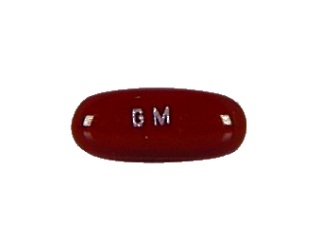


Lamprene (Clofazimine) — Patient Guide (Australia)
Lamprene contains clofazimine, an antibiotic/anti-inflammatory medicine used mainly for leprosy (Hansen’s disease). It can also be used in certain circumstances for other conditions, depending on clinical assessment and local guidelines.
This guide is written to help you understand how Lamprene works, how it is used, key safety issues, and practical tips. It does not replace advice from your clinician.
Quick overview
- Medicine: Lamprene (clofazimine)
- How it works: Targets organisms involved in leprosy and helps reduce inflammation
- Common use: Leprosy treatment regimens (typically as part of combination therapy)
- Available forms: Oral capsules (strength depends on product presentation)
- Key considerations: Long-lasting effects in the body, skin colour changes, and important drug–alcohol considerations
Basic product information
Lamprene is a brand of clofazimine. Clofazimine is a member of the riminophenazine class.
- Therapeutic class: Antibiotic with anti-inflammatory properties
- Route: Oral (by mouth)
- Typical treatment duration: Often measured in months or years for leprosy
- Onset: Response develops over time; symptom improvement and organism control may take weeks to months
How Lamprene works (mechanism of action)
Clofazimine has multiple actions that help treat leprosy:
- Antimicrobial activity: It interferes with the growth and survival of Mycobacterium leprae, the bacterium that causes leprosy.
- Anti-inflammatory effects: Clofazimine may help reduce inflammation associated with leprosy reactions, which can involve skin and nerve symptoms.
- Cellular effects: The medicine accumulates in tissues and can affect key biological processes inside the organism.
Important: In many leprosy regimens, clofazimine is used alongside other medicines to improve effectiveness and reduce the risk of resistance.
Pharmacokinetics (how the body handles it)
Clofazimine has features that are important for dosing and safety:
- Absorption: Absorbs after oral administration, with absorption influenced by gastrointestinal factors.
- Distribution: Widely distributed into the body and preferentially accumulates in certain tissues.
- Long half-life: Clofazimine stays in the body for a long time; effects may persist after stopping.
- Metabolism and excretion: Metabolised mainly in the body and eliminated slowly.
What this means for you: Because the medicine remains in tissues, side effects—especially skin changes—may develop gradually and can take time to improve after treatment stops.
What Lamprene is used for (indications)
The main approved and commonly used indication is:
- Leprosy (Hansen’s disease): Used as part of combination treatment regimens for certain forms of the disease, including chronic management and specific reaction-related situations as directed by treating specialists.
Use for other conditions is uncommon and depends on specialist evaluation and local treatment protocols.
Typical timing and how to take Lamprene
Always follow the dosing instructions provided with your medicine. For general patient guidance:
- Consistency helps: Try to take Lamprene at the same time(s) each day.
- With food: Taking with meals may improve comfort for some people and can reduce stomach upset.
- Swallow whole: Swallow capsules whole with a glass of water. Do not crush or open unless your clinician instructs otherwise.
- Missed dose: If you miss a dose, take it when you remember on the same day. If it is close to the time of the next dose, skip the missed dose and continue as normal. Do not double up.
How long it takes to work: Improvement is usually gradual. Skin lesions, nerve symptoms, and disease activity typically improve over weeks to months as treatment continues.
Dosing guidance (general)
Dosing can vary based on the leprosy type, severity, specialist regimen, and individual factors such as tolerance and monitoring results. Therefore, the safest approach is to use the exact schedule provided for you.
In general, clofazimine regimens in leprosy may involve:
- Initial phase: Depending on the regimen, dosing may be higher initially (or at specific intervals) before moving to a maintenance schedule.
- Maintenance phase: Lower or intermittent dosing may be used long term.
Children, pregnancy, and renal/hepatic impairment: Dosing must be specifically determined by the treating clinician. Tell your healthcare team if you are pregnant, trying to conceive, breastfeeding, or have liver or kidney problems.
Do not change your dose without medical guidance. Because clofazimine remains in the body for a long time, abrupt changes can affect side effects and disease control.
Food interactions
Food interactions with clofazimine are not typically as dramatic as with some other medicines, but taking Lamprene with food is commonly recommended for comfort.
- Take with meals if needed: If you get nausea or stomach upset, take it with food.
- Consistency: Try to keep your routine similar from day to day.
If you have swallowing difficulties or a sensitive stomach, ask your pharmacist for advice on the best way to take your specific capsule form.
Alcohol and medicine interactions
Alcohol: Clofazimine may not have a specific “absolute” interaction with alcohol for everyone, but alcohol can worsen side effects such as nausea, dizziness, and fatigue, and may affect adherence and liver health.
- Safer approach: Limit or avoid alcohol while you’re taking Lamprene, especially if you experience any stomach upset or feel unwell.
- Discuss your intake: Tell your clinician if you drink alcohol regularly.
Medicine interactions: Clofazimine can interact with other medicines through overlapping side-effect profiles (such as effects on the skin, gastrointestinal system, or liver) and through how medicines are metabolised.
- Meds you should always mention: Liver-related medicines, antibiotics/antimycobacterial therapies, antiarrhythmics, antidepressants, and any regular over-the-counter or herbal products.
- Use a single “medication list”: Keep an up-to-date list for appointments and share it with your pharmacist/doctor.
Check before adding: If you’re starting a new medicine, vitamin, or herbal supplement, ask a pharmacist whether it is compatible with clofazimine.
Safety profile and side effects
Like all medicines, Lamprene (clofazimine) can cause side effects. Many people tolerate it well, but some effects are important to recognise early.
Common side effects
- Skin colour changes: Clofazimine can cause pink to reddish-brown discolouration and sometimes a darker tone. This is a well-known effect.
- Dryness and itching: Some people experience dry skin, mild itching, or irritation.
- Gastrointestinal symptoms: Nausea, stomach discomfort, and abdominal pain can occur.
- Fatigue: Feeling tired is sometimes reported.
Less common but important side effects
- Severe skin reactions: Rash that spreads quickly, blisters, or signs of allergy require urgent assessment.
- Eye problems or visual changes: Seek medical advice promptly if you develop new vision symptoms.
- Hepatic (liver) effects: Unusual tiredness, dark urine, yellowing of the eyes/skin, or right upper abdominal pain should be assessed urgently.
- Intestinal issues: Persistent abdominal pain, vomiting, or significant changes in bowel habits should be reviewed.
When to get urgent medical help
Seek urgent care or contact a healthcare professional promptly if you have:
- Swelling of the face/lips, difficulty breathing, or severe rash (possible allergic reaction)
- Yellowing of the skin or eyes (jaundice), severe fatigue, or dark urine
- Severe or persistent abdominal pain, vomiting, or inability to keep fluids down
- New neurological symptoms such as severe weakness or sudden confusion
Skin discolouration: what to expect
Skin staining from clofazimine is often gradual and may persist even after treatment stops. It is commonly harmless, but it can be distressing. Protect your skin from sun exposure, moisturise regularly, and discuss concerns with your healthcare team.
Practical use tips (for day-to-day success)
- Plan for long-term treatment: Leprosy treatment can be lengthy. Set reminders so you don’t miss doses.
- Skincare routine: Use fragrance-free moisturiser, mild cleansers, and consider barrier creams if skin feels dry or irritated.
- Sun protection: Use sunscreen and protective clothing. Skin reactions and irritation can be more noticeable during treatment.
- Hydration: Staying well hydrated can help reduce headaches and general discomfort.
- Track symptoms: Keep notes of itch, rash, stomach discomfort, and any new symptoms to report at follow-up visits.
- Don’t stop early: Even if you feel better, leprosy management requires completing the recommended regimen.
Monitoring and follow-up
Clinicians may monitor you during treatment, depending on your condition and risk factors. Monitoring can include:
- Clinical review: Skin lesions, nerve symptoms, and signs of leprosy reactions
- Blood tests: Liver function tests and overall health measures as needed
- Medication review: Checking for interactions with other medicines
If you miss appointments, side effects may go unnoticed—so aim to attend follow-ups.
Alternative options
Leprosy treatment usually involves combination therapy. Alternatives depend on the leprosy type and the regimen recommended by specialists.
Examples of alternative medicines that may be used in leprosy regimens (depending on your circumstances) can include:
- Dapsone
- Rifampicin
- Other specialist-directed regimens based on drug availability and your response
Choosing an alternative: Treatment selection considers disease classification, reaction type, side-effect history, drug interactions, pregnancy considerations, and monitoring results.
Do not switch medicines on your own. If Lamprene isn’t suitable due to side effects or other reasons, your treating team can suggest safer options.
Lamprene and Australia: market & legal context
In Australia, medicines are regulated through the Therapeutic Goods Administration (TGA). Availability, pack sizes, and prescribing rules can differ by medicine category and clinical indication.
- Regulation: Clofazimine products must comply with Australian medicines regulation and quality standards.
- Clinical use: Because clofazimine is used for specific conditions and long regimens, specialist assessment and ongoing clinical monitoring may be required.
- Pharmacy supply: Supply depends on stock availability, hospital/specialist programs where applicable, and patient eligibility for certain medicines.
If you’re trying to obtain Lamprene in Australia, your pharmacist can advise on expected timeframes and whether alternative supply routes or equivalent options are available.
Recent guidance and treatment updates (high-level)
Leprosy management guidelines can be updated based on global and local public health recommendations, with continued emphasis on:
- Combination therapy to improve effectiveness and prevent resistance
- Monitoring for adverse effects, including skin changes and potential liver or gastrointestinal issues
- Management of leprosy reactions alongside antimicrobial therapy when required
- Patient support to improve adherence and reduce treatment-related distress (e.g., skin discolouration counselling)
Your clinician may follow the latest Australian and international recommendations for leprosy classification and regimen selection.
Delivery and availability (Australia)
Online pharmacy availability varies based on supply. If Lamprene is not immediately in stock, the pharmacy may offer:
- Ordering/processing times: Delivery timelines depend on supplier availability.
- Substitution policies: Substitutions are not always permitted for brand-specific medicines; your pharmacist will advise what is possible.
- Cold-chain: Usually not required for clofazimine capsules, but storage instructions must be followed.
Storage at home: Store at room temperature and keep in the original packaging. Keep out of reach of children. Avoid moisture and heat.
FAQ about Lamprene (Clofazimine)
1) Is Lamprene an antibiotic?
Yes. Clofazimine has antimicrobial activity against the bacteria that cause leprosy and is used as part of treatment regimens. It also has anti-inflammatory effects.
2) Why does my skin turn darker or reddish?
Skin colour changes are a known effect of clofazimine. It can cause pink to reddish-brown discolouration. In many cases, the change is not harmful, but it may take time to fade after stopping.
3) How long does it take to start working?
Improvements generally occur gradually. Disease control and symptom relief can take weeks to months, depending on leprosy type, reaction status, and your overall health.
4) Can I take Lamprene with food?
It is often taken with food or after a meal to help with stomach comfort. Keep a consistent routine and follow the instructions provided with your medicine.
5) Can I drink alcohol while taking Lamprene?
Moderation is advised. Alcohol may worsen stomach upset, fatigue, and could affect liver health. If you drink regularly, discuss your alcohol intake with your healthcare team.
6) What if I miss a dose?
Take it when you remember on the same day, unless it is near the next dose time. Then skip the missed dose and continue your schedule. Do not double up.
7) Are there medicines or supplements I should avoid?
Because interactions can occur, tell your pharmacist about all medicines, including over-the-counter products and herbal supplements. Particular caution may be needed with medicines that affect the liver or have similar side effects.
8) When should I contact a doctor urgently?
Contact urgent care or a healthcare professional promptly if you have severe rash or allergy symptoms, jaundice (yellow skin/eyes), dark urine, severe persistent abdominal pain, or significant vision changes.
9) Will my skin colour return to normal after stopping?
Many people see gradual improvement, but the timeline varies because clofazimine persists in the body for a long time. Some changes may take months to settle.
10) Can Lamprene be used for other skin conditions?
Clofazimine is mainly used for leprosy under specialist guidance. It should not be used for other conditions unless specifically directed by a clinician based on diagnosis.
Summary
Lamprene (clofazimine) is a long-acting medicine used primarily for leprosy. It works through antimicrobial and anti-inflammatory actions, and it remains in the body for a long time, which influences both treatment response and side effects—particularly skin discolouration.
- Take it consistently and follow your regimen plan.
- Expect possible skin colour changes and manage dryness/itching with supportive care.
- Be cautious with alcohol and discuss any liver or stomach symptoms promptly.
- Use follow-up monitoring as recommended to ensure safety and effectiveness.
If you have questions about your specific dose, how to take it with meals, or what to do if side effects occur, speak with a pharmacist or your treating clinician for advice tailored to you.