Minocin (Minocycline Hydrochloride) — Patient Information
Minocin contains minocycline hydrochloride, an antibiotic from the tetracycline group. It is used for certain bacterial infections and for some inflammatory skin conditions. This guide explains how Minocin works, how it’s used, key safety information, and practical tips to help you get the most from your treatment while reducing avoidable risks.
Important: Always follow the directions given by your healthcare professional. If you have questions about whether Minocin is right for you, or how long you should take it, speak with your pharmacist or prescriber.
Quick Product Overview
| Category | Details |
|---|---|
| Medicine name | Minocin (minocycline hydrochloride) |
| Drug class | Tetracycline antibiotic |
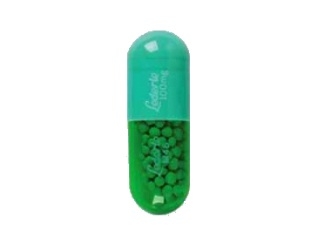
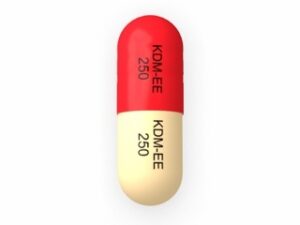
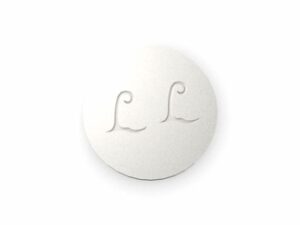
| Common forms | Tablets/capsules (strengths vary by brand and packaging) |
| Typical uses | Bacterial infections; acne (where appropriate); other specific conditions as advised |
| How it’s taken | By mouth, usually once or twice daily depending on the indication |
| Key cautions | Sun sensitivity; interactions with minerals/antacids; rare serious liver/immune side effects |
How Minocin Works (Mechanism of Action)
Minocycline works by stopping bacteria from making the proteins they need to survive. Specifically, it binds to the bacterial 30S ribosomal subunit, interfering with protein synthesis. As a result, bacterial growth slows and infections can resolve.
Minocycline is active against a range of organisms depending on local resistance patterns and the condition being treated. Your clinician chooses it based on the likely bacteria involved and your medical history.
Pharmacokinetics: What the Body Does to Minocin
Absorption: Minocycline is absorbed from the gastrointestinal tract. Food and particular products containing minerals can reduce absorption (details below).
Distribution: It distributes into many body tissues, including skin and respiratory tissues—one reason it can be used for certain infections and acne.
Metabolism and elimination: Minocycline is cleared from the body through a combination of metabolic pathways and excretion, including via the kidneys and other routes. Clearance can be affected by liver and kidney function, so dose adjustments may be needed in some people.
Half-life (general concept): After dosing, the drug remains in the body long enough to support the chosen dosing schedule. The exact timing varies among individuals.
Typical Uses and Indications
Minocin may be used for:
- Acne (in some cases): especially moderate to severe inflammatory acne when appropriate.
- Bacterial infections: for specific susceptible infections as determined by your clinician.
- Other conditions: some conditions require specific antibiotic selection; Minocin may be chosen when it is appropriate for the organism and clinical scenario.
Note: The exact indication and suitability depend on your diagnosis, likely bacteria, allergies, past antibiotic exposure, and local resistance patterns.
Timing and How to Take Minocin
When to take it
- Take Minocin at the times your healthcare professional recommends.
- If it’s prescribed once daily, choose a consistent time each day.
- If prescribed twice daily, try to space doses evenly (for example, morning and evening).
With water and posture
- Swallow tablets/capsules with a full glass of water.
- To reduce the risk of throat/esophageal irritation, remain upright for at least 30 minutes after taking a dose.
Consistency with food
Minocin can usually be taken with food if it upsets your stomach, but note that certain foods and supplements can reduce absorption (see the food interaction section).
Food Interactions and Absorption Tips
Some foods and products can interfere with how much Minocin you absorb. Minocycline binds to certain minerals.
Avoid or separate from Minocin
- Dairy products (milk, yoghurt, cheese) — calcium may reduce absorption
- Antacids containing aluminium, magnesium, or calcium
- Iron supplements
- Zinc supplements
- Magnesium-containing products
- Multivitamins that contain minerals
Practical separation guidance: If you take any of the above, separate them from Minocin by at least 2–4 hours (or follow your pharmacist’s advice). This can help maintain absorption.
Food doesn’t usually mean “no”
While mineral-containing products should be separated, normal meals are often acceptable. If you notice stomach upset, taking with a light meal may help.
Alcohol and Medicine Interactions
Alcohol
Moderate alcohol may not be strictly prohibited for everyone, but alcohol can increase the risk of side effects such as nausea, dizziness, and upset stomach. For safety—especially if you’ve previously experienced medication-related liver problems—consider limiting or avoiding alcohol while taking Minocin.
Other medicine interactions
Tell your pharmacist or healthcare professional about all medicines and supplements you take, including non-prescription items. Key interaction themes include:
- Minerals/antacids (aluminium, magnesium, calcium): reduce absorption when taken too close together.
- Retinoids (e.g., isotretinoin): may increase risk of certain side effects, such as pressure changes in the head.
- Warfarin or other blood thinners: antibiotics can alter clotting control in some people; monitoring may be needed.
- Oral contraceptives: while the impact varies by antibiotic, if you’re concerned about contraceptive reliability, discuss backup methods with your clinician.
- Other antibiotics: combination therapy may be needed in some cases; selection depends on infection type.
- Liver-affecting medicines: if you take medicines that affect the liver, your clinician may monitor you more closely.
If you’re starting a new medicine (including herbal products), ask your pharmacist whether it should be taken at a different time than Minocin.
Dosing: How Minocin Is Commonly Prescribed
Only your healthcare professional can determine your dose. Dosing depends on the condition being treated, your age, kidney and liver function, other medications, and how well you tolerate the medicine.
General dosing principles (not a personal recommendation)
- Adults: doses may range depending on indication and severity.
- Children and adolescents: tetracycline-class antibiotics may have specific age restrictions and caution due to effects on teeth/bone development.
- Longer courses (e.g., acne): may require assessment of response and tolerability, and should not be taken longer than advised.
What to do if you miss a dose:
- If you remember soon after the scheduled time, take it when you can.
- If it’s nearly time for the next dose, skip the missed dose and continue your schedule.
- Do not take a double dose to make up for a missed one.
If you’re unsure, ask your pharmacist for guidance based on your dosing schedule.
Safety Profile: What to Watch For
Like all medicines, Minocin can cause side effects. Many are mild and improve as your body adjusts. However, some effects require prompt medical attention.
Common or expected side effects
- Nausea or stomach upset
- Diarrhoea
- Headache
- Dizziness
- Skin sensitivity to sunlight (sunburn more easily)
Less common but important risks
- Vaginal or oral yeast infections (thrush/candidiasis) in some people
- Skin rashes (mild to severe)
- Photosensitivity: increased risk of rash/blistering in the sun
Seek urgent medical help if you develop
- Severe or persistent diarrhoea (especially watery/bloody), abdominal cramps, or fever
- Signs of allergy: swelling of face/lips, wheezing, severe rash, or trouble breathing
- Signs of liver problems: yellowing of skin/eyes (jaundice), dark urine, severe fatigue, right upper abdominal pain
- Severe dizziness, fainting, or neurological symptoms such as new confusion
- Severe headache with vision changes (needs assessment)
Stop and get advice: If you experience severe side effects, contact your healthcare professional promptly. Don’t stop or restart on your own without advice.
Practical Use Tips (Making Treatment Easier)
- Sun protection: Use SPF 30+ broad-spectrum sunscreen, wear protective clothing, and limit direct sun exposure. Photosensitivity can occur even with short exposure.
- Hydration: Take with a full glass of water and stay well hydrated.
- Avoid mineral “near-misses”: Keep a gap between Minocin and dairy/antacids/iron/zinc/multivitamins (ask your pharmacist for your best schedule).
- Oral comfort: If you feel throat irritation, ensure adequate water intake and remain upright after swallowing.
- Track response: For acne, improvement can take time—often several weeks. If there’s no improvement or symptoms worsen, check in with your clinician rather than increasing dose yourself.
- Complete the course (unless advised otherwise): Stopping early can reduce effectiveness and increase resistance risk.
- Watch the gut: If you develop persistent diarrhoea, contact your doctor promptly.
Alternative Options
Whether alternatives are appropriate depends on the condition being treated, severity, and your history of antibiotic use and tolerance. Some possible alternatives (as chosen by your clinician) may include:
- Other antibiotics that target similar bacteria (based on susceptibility and indication)
- For acne: topical therapies (e.g., benzoyl peroxide, topical retinoids), hormonal options (where appropriate), or other systemic treatments depending on severity
- For specific infections: different antibiotic classes may be preferred based on local guidelines
Important: Do not switch antibiotics without advice. The best choice depends on diagnosis and resistance patterns.
Australia Market & Legal Context (What to Expect)
In Australia, medicines are supplied under the Australian regulatory framework, which includes medicine scheduling and pharmacy supply rules. Minocin is regulated to ensure safe and appropriate use. Availability and prescribing rules may vary by product presentation and strength.
Pharmacists in Australia follow professional standards to confirm:
- your medication history and allergies
- possible drug interactions
- appropriate dosing instructions and duration
- cautions based on age, pregnancy/breastfeeding status, and medical history
If you’re concerned about access or availability, speak with your pharmacist. They can also advise on suitable substitutions if a product is temporarily unavailable.
Recent Guidance & Treatment Considerations
Antibiotic use is guided by ongoing best-practice recommendations focusing on:
- Right drug, right dose, right duration to reduce resistance.
- Review after a short period for conditions like acne to check effectiveness and tolerability.
- Awareness of antibiotic-associated side effects, particularly gastrointestinal symptoms and rare serious reactions.
- Sun-safety for tetracycline antibiotics due to photosensitivity risk.
Local Australian guidance may differ by indication (for example, acne vs. infectious disease). Your clinician may also request cultures or consider alternative therapy depending on clinical response.
Delivery and Availability (Online Pharmacy)
Minocin may be available through approved online pharmacy channels depending on local supply. Availability can vary due to stock levels, manufacturer supply, and prescription/dispensing requirements under Australian regulations.
Delivery considerations:
- Orders are typically packed and dispatched within business hours where available stock exists.
- Delivery times vary by location and shipping method.
- Cold chain is generally not required for Minocin tablets/capsules, but always store as directed on the pack.
Storage: Store at room temperature in a dry place, away from direct sunlight and out of reach of children. Keep the container tightly closed.
FAQ: Minocin (Minocycline Hydrochloride)
1) What is Minocin used for?
Minocin is used for certain bacterial infections and may be used for acne or other specific conditions where minocycline is appropriate. Your healthcare professional will determine suitability based on your diagnosis.
2) How long does Minocin take to work?
For acne, some people notice improvement within a few weeks, but fuller results may take longer (often several weeks). For infections, improvement may be seen sooner, but it’s important to complete the planned course unless advised otherwise.
3) Can I take Minocin with food?
Often yes. If it upsets your stomach, taking it with a light meal can help. Avoid taking it with mineral-containing products that can interfere with absorption (dairy, antacids, iron, zinc, magnesium—separate by a few hours if needed).
4) Do I need to avoid dairy?
Dairy can reduce absorption due to calcium. If you use dairy, consider spacing dairy away from your dose by a few hours, particularly if you’re taking Minocin on an empty stomach or your pharmacist has advised separation.
5) What about antacids or iron supplements?
Antacids and mineral supplements can reduce absorption. Take them at a different time than Minocin. Ask your pharmacist for a schedule that fits your dosing.
6) Is it safe to drink alcohol while taking Minocin?
Alcohol may increase side effects such as dizziness or stomach upset. If you’re unsure, limit alcohol and discuss your situation with your pharmacist—especially if you have a history of liver problems.
7) Will Minocin make me sunburn more easily?
Yes. Tetracyclines including minocycline can cause photosensitivity. Use sunscreen and protective clothing and reduce sun exposure while taking Minocin.
8) What should I do if I miss a dose?
Take it when you remember if it’s not close to the next dose. Otherwise skip the missed dose and continue your schedule. Do not double up.
9) What side effects require urgent medical attention?
Seek urgent help if you develop severe allergic reactions, severe/persistent diarrhoea (especially with blood), symptoms suggesting liver problems (jaundice, dark urine), severe headache with vision changes, or worsening neurological symptoms.
10) Are there alternatives if Minocin isn’t suitable?
Yes. Alternatives depend on the condition being treated. For infections, other antibiotics may be considered; for acne, there are topical and other systemic options. Ask your pharmacist or clinician about appropriate alternatives.
11) Can I use Minocin in pregnancy or while breastfeeding?
Minocycline may not be suitable for all situations. Discuss your circumstances with a healthcare professional to weigh benefits and risks.
Summary
Minocin (minocycline hydrochloride) is a tetracycline antibiotic that works by inhibiting bacterial protein synthesis. It can be used for certain bacterial infections and may be used for acne depending on the situation. Successful treatment depends not only on taking the correct dose at the right times, but also on avoiding common absorption-reducing products (such as antacids, iron, zinc, and mineral-rich foods) and practicing sun safety. If you experience severe side effects—particularly allergic reactions, significant diarrhoea, or signs of liver problems—seek medical attention promptly.