


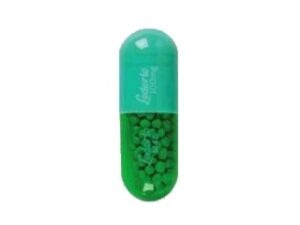
Ilosone (Erythromycin) — Patient Information
Ilosone is a brand of erythromycin, an antibiotic medicine used to treat certain bacterial infections. It works by stopping bacteria from making the proteins they need to grow and spread. This guide explains what Ilosone is, how it works, how it’s used, and important safety and interaction information for people in Australia.
Always follow the directions on your medicine label and any written advice from your healthcare professional. If you have questions about whether Ilosone is suitable for you, speak with a clinician or pharmacist.
Quick product facts
| Product | Ilosone |
|---|---|
| Active ingredient | Erythromycin |
| Medicine type | Macrolide antibiotic |
| Common uses | Certain bacterial throat, skin, respiratory, and eye infections (depending on the bacteria) |
| How it works | Stops bacteria protein production |
| Typical form | Tablets or suspension (availability varies by product strength) |
| Key safety notes | Heart rhythm risk in susceptible people; interactions with several medicines; allergy risk |
How Ilosone works (mechanism of action)
Erythromycin is a macrolide antibiotic. It works by binding to the bacterial ribosome (the part of the cell that builds proteins). This blocks the bacteria from producing essential proteins, which helps prevent bacterial growth and can lead to elimination of the infection.
The effectiveness of erythromycin depends on the bacteria involved and their susceptibility. For some infections, culture and sensitivity testing (when appropriate) helps guide the best antibiotic choice.
Pharmacokinetics: how the body handles erythromycin
Understanding how a medicine moves through the body can help with safe use. While individual responses vary, the general features of erythromycin pharmacokinetics include:
- Absorption: Erythromycin is absorbed from the gastrointestinal tract. Absorption can be affected by food and the specific formulation (for example, whether it’s enteric-coated or not).
- Distribution: It distributes into many tissues, including respiratory tissues and some skin tissues. It may also reach certain body fluids.
- Metabolism: Erythromycin is processed by the liver.
- Excretion: Metabolites are removed mainly through the biliary system and faeces; some is excreted through the urine.
- Half-life: The time it takes for levels to reduce can vary by formulation and patient factors, which is one reason dosing schedules may differ.
Your clinician’s dosing instructions are designed to maintain adequate antibiotic levels over the dosing interval.
What Ilosone is used for (indications)
Ilosone (erythromycin) may be used for bacterial infections caused by susceptible organisms. Common indications can include:
- Respiratory tract infections (such as certain cases of bacterial pharyngitis/tonsillitis, bronchitis, or pneumonia depending on local guidance and organism susceptibility)
- Skin and soft tissue infections (where appropriate)
- Eye infections (for certain bacterial conjunctivitis cases)
- Ear, nose, and throat infections where a macrolide is considered suitable
- Some specific bacterial conditions where erythromycin is recommended as part of a treatment plan (your prescriber will specify the condition and duration)
Note: Viral infections (such as colds and influenza) do not respond to antibiotics. Using antibiotics only when they are needed helps protect you and supports antibiotic stewardship.
Typical dosing and timing
Dosing depends on the infection type, severity, age, weight (especially in children), kidney/liver function, and whether other medicines are being used. Your label or clinician instructions are the key reference.
General guidance (not a substitute for your prescription label)
- Take at evenly spaced times to maintain consistent antibiotic levels.
- Complete the full course unless your clinician tells you to stop.
- Do not skip doses and do not stop early if you feel better.
- If you miss a dose: take it as soon as you remember, unless it’s close to your next dose. Do not take double the dose.
Timing with meals
Whether to take Ilosone with or without food can vary by formulation. In general:
- If your product label says “with food”: take it with meals to help reduce stomach upset.
- If your product label says “on an empty stomach” or “before food”: follow that instruction for best absorption.
- If you are unsure, ask your pharmacist which instruction applies to your exact Ilosone product and strength.
Food interactions: what to know
Food can influence how much erythromycin is absorbed and how well it works. Key points include:
- General absorption effect: Some formulations may be better absorbed when taken with food, while others may be affected in the opposite direction.
- Consistency is important: Take each dose the same way (either always with meals or always as directed on your label).
- Grapefruit and certain fruit juices: Some medicines are affected by components of grapefruit. While the best-known interaction is with certain other medications, it’s wise to avoid grapefruit if you notice any unusual side effects or if your clinician has advised avoiding it.
If you have gastrointestinal sensitivity (nausea, vomiting, reflux), taking Ilosone with food may be more comfortable—confirm with your pharmacist for your product type.
Alcohol and medicine interactions
Alcohol doesn’t directly “cancel out” antibiotics in the same way it can with some medicines, but it can:
- Worsen side effects such as stomach upset, nausea, dizziness, or diarrhoea
- Make it harder to maintain hydration during illness
- Increase strain on the liver, which is relevant because erythromycin is metabolised in the liver
For best safety, consider limiting or avoiding alcohol while you are taking Ilosone, especially if you feel unwell or have liver-related conditions.
Important medicine interactions
Ilosone (erythromycin) can interact with a range of medicines. These interactions may change medicine levels in your body, raise the risk of side effects, or affect heart rhythm.
Tell your pharmacist or clinician about all medicines you take, including:
- Prescription medicines
- Over-the-counter medicines
- Herbal products and supplements
- Vitamins (especially high-dose combinations)
Common interaction themes to be aware of
- Heart rhythm risk (QT prolongation): Erythromycin can increase the risk of abnormal heart rhythms in some people, particularly when combined with other medicines that also affect heart rhythm.
- Statins: Some cholesterol-lowering medicines can have increased levels when taken with erythromycin, raising the risk of muscle-related side effects (myopathy/rhabdomyolysis).
- Blood-thinning medicines: Some antibiotics can influence how clotting medicines work. Monitoring may be required depending on the agent.
- Antiarrhythmics and certain psychotropic medicines: Combined effects on heart rhythm can be a concern.
- Antiseizure medicines and other metabolised medicines: Interactions can alter drug levels.
Because interaction risk is highly specific to the exact medicine(s) you use, always confirm compatibility with your pharmacist.
Safety profile: who should be cautious
Most people tolerate erythromycin, but side effects can occur. Your safety depends on your medical history, other medicines, and the infection being treated.
Common side effects
- Nausea
- Vomiting
- Diarrhoea (mild gastrointestinal upset may occur)
- Abdominal discomfort
- Headache
Seek urgent medical help if you experience
- Signs of an allergic reaction: swelling of the face/lips, trouble breathing, hives, severe rash
- Severe or persistent diarrhoea, especially if watery or bloody, or with fever (possible antibiotic-associated colitis)
- Symptoms suggesting heart rhythm problems: fainting, severe dizziness, palpitations, or new chest discomfort
- Yellowing of the skin/eyes (jaundice), dark urine, or severe fatigue (possible liver-related reaction)
- Severe muscle pain or weakness (especially if taking certain lipid-lowering medicines)
Who needs extra caution
- People with a history of macrolide allergy
- People with known heart rhythm disorders or low potassium/magnesium
- People with liver disease
- People taking multiple medicines that may interact with erythromycin
- Older adults or those with frailty, who may be more susceptible to side effects
Practical tips for using Ilosone
- Take exactly as directed: Use a dosing schedule that matches your label (for example, morning/evening or every 6 hours, depending on product).
- Finish the course: Even if you feel better, bacteria may still be present. Stopping early can lead to relapse and contribute to antibiotic resistance.
- Shake well if using a suspension: Liquid forms often require shaking to mix the medicine evenly.
- Measure carefully: Use the oral syringe/cup supplied. Avoid household teaspoons for precision.
- Hydrate: If you have gastrointestinal side effects, drink water regularly.
- Track side effects: If you experience new symptoms after starting Ilosone, note when they began and how severe they are.
- Don’t share: Antibiotics are selected for a particular infection and person. Don’t use leftover medicine or share with others.
What to do if you miss a dose
If you forget a dose, take it as soon as you remember. If it is almost time for the next dose, skip the missed dose and continue your normal schedule. Do not take two doses at once to make up for a missed dose.
How long does treatment usually take?
Treatment duration depends on the infection, severity, and clinical response. Some bacterial infections improve within a few days, but the course length may still be required to ensure eradication. If symptoms don’t improve after a reasonable period, contact your clinician.
Alternative options
Depending on the type of infection and the bacteria involved, clinicians may consider alternatives. Options can include other macrolides, beta-lactam antibiotics, or different classes altogether. The best choice depends on:
- The suspected or confirmed bacteria and its antibiotic sensitivity
- Your allergy history
- Local resistance patterns
- Other medicines you take (to avoid harmful interactions)
- Infection severity and site
If Ilosone isn’t suitable due to intolerance, allergy, or resistance, your pharmacist or clinician can advise on possible alternative antibiotics or non-antibiotic supportive treatment where appropriate.
Market and legal context in Australia (overview)
In Australia, antibiotics are regulated to ensure safe and appropriate use. Availability can depend on product form and strength, and medicines may be supplied under relevant prescribing and dispensing rules, as required by Australian legislation and professional practice.
This page provides consumer information to help you understand erythromycin. Your local pharmacy can confirm product details, correct instructions, and whether the medicine is appropriate for your situation.
Recent guidance and antibiotic stewardship (Australia)
Australian health authorities emphasise appropriate antibiotic use to reduce the risk of antibiotic resistance. Common principles include:
- Using antibiotics only when there is strong evidence of bacterial infection
- Choosing the narrowest effective antibiotic when possible
- Reviewing treatment if symptoms do not improve
- Completing the intended course
If your infection improves quickly, it can still be important to continue treatment as advised. Conversely, if symptoms worsen or fail to improve, seek medical advice promptly.
Delivery and availability
Ilosone (erythromycin) may be available through online pharmacy services that comply with Australian requirements for medicines supply and delivery. Availability can vary by strength, formulation (tablet vs suspension), and stock levels.
When ordering online, check:
- The exact product name and strength (to match what your clinician/pharmacist recommended)
- Whether the item is in stock and the estimated dispatch time
- Delivery areas and any restrictions based on medicine category
- Packaging and storage instructions on arrival
If you have urgent symptoms, contact a healthcare professional or local pharmacy rather than waiting for delivery.
Storage advice
- Store the medicine as directed on the pack (commonly at room temperature, away from moisture and heat).
- Keep out of reach of children.
- Check expiry date and discard any medicine that is expired or damaged.
- If using a suspension, follow the label instructions about refrigeration (if applicable) and discard dates after opening.
FAQ (Frequently asked questions)
1. What is Ilosone used for?
Ilosone contains erythromycin, an antibiotic used to treat certain bacterial infections. The exact indication depends on the bacteria involved and your clinical assessment.
2. How should I take Ilosone?
Take Ilosone exactly as directed on your label. Follow the instructions about timing with food, and take doses at evenly spaced times. If you are using a liquid form, shake and measure carefully.
3. Can I take Ilosone with food?
Food can affect absorption. Some people are advised to take erythromycin with meals to reduce stomach upset, while other formulations may have different instructions. Always follow the directions on your specific product.
4. What if I miss a dose?
Take it when you remember unless it’s nearly time for the next dose. Do not take double doses. If you are unsure, ask your pharmacist.
5. Can I drink alcohol while using Ilosone?
It’s generally safer to limit or avoid alcohol during treatment. Alcohol can worsen side effects and may increase strain on the liver.
6. What medicines commonly interact with erythromycin?
Erythromycin can interact with several medicine types, particularly those that affect heart rhythm, certain cholesterol-lowering medicines (statins), some blood-thinning medicines, and other drugs metabolised by the liver. Always check with your pharmacist and provide a full list of your medicines.
7. What side effects are common?
Common side effects include nausea, vomiting, abdominal discomfort, and diarrhoea. If side effects are severe or you develop concerning symptoms, seek medical advice.
8. When should I seek urgent help?
Seek urgent care if you develop signs of allergy (such as facial swelling or breathing difficulty), severe diarrhoea, fainting/severe dizziness or palpitations, or symptoms suggesting liver problems (jaundice, dark urine).
9. How quickly should I feel better?
Some improvement may occur within a few days, but this varies by infection type and severity. If there is no improvement or symptoms worsen, contact a clinician for review.
10. Are there alternatives if Ilosone doesn’t suit me?
Yes. Depending on the infection and your medical history, a clinician may recommend a different antibiotic or treatment approach. Do not switch medicines without professional advice.
11. Can I use Ilosone for viral infections?
Antibiotics do not treat viral infections like colds or influenza. Ilosone is used for bacterial infections that are susceptible to erythromycin.
Disclaimer
This information is provided to help you understand Ilosone (erythromycin). It does not replace advice from a qualified healthcare professional. If you have questions about your specific condition, allergies, or medicine interactions, speak with your pharmacist or clinician.