

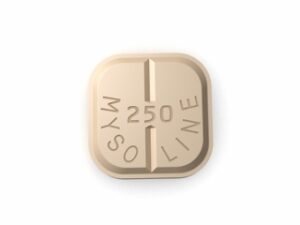
Mirapex (Pramipexole) — Patient-Friendly Guide (Australia)
Mirapex is a medicine containing pramipexole, a medicine used to treat certain movement disorders. This guide explains what Mirapex is, how it works, how it’s usually taken, and important safety information—written for patients using an Australian pharmacy context.
Quick Overview
- Active ingredient: Pramipexole
- Brand name: Mirapex
- Common uses: Parkinson’s disease; Restless Legs Syndrome (RLS)
- How it works: Dopamine receptor stimulation (dopamine agonist)
- Typical dosing: Starts low and is increased gradually (varies by condition)
- Common side effects: Nausea, dizziness, sleepiness, low blood pressure, headache
Basic Product Information
Mirapex (pramipexole) belongs to a class of medicines called dopamine agonists. Depending on your individual needs, your prescriber may use different strength tablets and a schedule that gradually builds to the required dose.
In Australia, medicines like Mirapex are regulated and supplied through the healthcare system. Availability and presentation (e.g., tablet strengths and formulation type) can vary.
How Mirapex Works (Mechanism of Action)
In the brain, dopamine helps coordinate movement and regulate nerve signalling. In conditions such as Parkinson’s disease and Restless Legs Syndrome, dopamine pathways do not function normally.
Pramipexole works mainly by stimulating dopamine receptors, helping to reduce symptoms by improving signalling in dopamine-related pathways.
- Parkinson’s disease: helps improve movement symptoms such as stiffness and slowness
- RLS: helps reduce uncomfortable sensations and urges to move the legs, especially at rest
Pharmacokinetics (How the Body Handles Pramipexole)
“Pharmacokinetics” describes what happens to a medicine after you take it—absorption, distribution, metabolism, and elimination. Understanding these steps can help explain timing and interactions.
- Absorption: Pramipexole is absorbed after oral dosing. How quickly it reaches peak levels can vary between individuals.
- Food effects: Taking pramipexole with food can affect the rate of absorption in some people (see the food section below).
- Distribution: It distributes into body tissues, including the brain.
- Metabolism: A relatively small amount may be metabolised; the major pathway is elimination unchanged.
- Excretion: Mainly via the kidneys. Dose adjustments may be required for kidney impairment.
Your clinician may adjust dose based on symptom response and side effects, and may consider kidney function before selecting the dose.
Typical Uses (Indications)
1) Parkinson’s Disease
Mirapex (pramipexole) is used to treat symptoms of Parkinson’s disease. It may be used alone or in combination with other Parkinson’s medicines, depending on the stage of disease and your treatment plan.
2) Restless Legs Syndrome (RLS)
Mirapex is also used to treat Restless Legs Syndrome, a condition that causes uncomfortable sensations in the legs—often described as crawling, tingling, aching, or an urge to move—typically worse in the evening or at night when resting.
When to Take Mirapex (Timing & Dosing Schedule)
The best timing depends on what you’re taking it for (Parkinson’s disease vs RLS) and on your personal dose. Always follow the schedule given to you by your healthcare professional.
Restless Legs Syndrome (RLS): common approach
- Many people take pramipexole in the evening to match symptom timing.
- Taking it at the same time each night can help with consistency.
Parkinson’s disease: common approach
- Doses may be divided during the day.
- Some people take a morning and evening schedule; others require different patterns.
If you miss a dose, do not try to “double up” without advice—ask your pharmacist or clinician for guidance on what to do in your situation.
Dosing Information (General Principles)
Dosing is individual and should be determined by your healthcare professional. Doses generally start low and are increased gradually to balance symptom relief and side effects.
- Start low, go slow: Gradual titration reduces the chance of sudden side effects such as dizziness.
- Adjust for kidney function: Because pramipexole is eliminated largely via the kidneys, people with reduced kidney function may need different dosing.
- Reassessment over time: Your dose may change if symptoms improve, side effects occur, or treatment goals change.
If you want, share your prescribed strength and schedule with your pharmacist for confirmation of how to take it. (Always follow official medical instructions.)
Food Interactions
Food can influence how quickly pramipexole is absorbed. In many cases, pramipexole can be taken with or without food, but how you take it may affect side effects such as nausea or timing of relief.
- With food: may reduce stomach upset for some people and can delay or alter absorption.
- On an empty stomach: may lead to faster absorption in some individuals.
For best consistency, try to take Mirapex in the same way each day (either always with food or always on an empty stomach), unless your clinician advises otherwise.
Alcohol and Medicine Interactions
Alcohol
Alcohol can increase the risk of side effects such as dizziness, drowsiness, and reduced reaction time. When combined with pramipexole, impairment may be more noticeable.
- Avoid or limit alcohol, especially when starting or increasing the dose.
- If you choose to drink, do so cautiously and discuss safe limits with your pharmacist or clinician.
Other medicines that may interact
Interactions can occur through shared effects (for example, increased sleepiness) or through changes to how pramipexole is processed in the body. Tell your healthcare provider about all medicines and supplements you take.
Examples of medicine categories to discuss:
- Sedatives and sleeping tablets (increased drowsiness and falls risk)
- Opioid pain medicines (increased sedation/respiratory risk)
- Other medicines that affect dopamine (may increase risk of side effects such as hallucinations)
- Medicines that lower blood pressure (may increase dizziness/orthostatic hypotension)
- Medicines affecting kidney function (may influence pramipexole levels)
This is not a complete list. Your pharmacist can provide interaction checking for your full medication list.
Safety Profile: Important Risks and How to Reduce Them
Like all medicines, Mirapex may cause side effects. Many are mild and improve after dose adjustments. However, some symptoms require prompt medical attention.
Common side effects
- Nausea
- Dizziness or light-headedness
- Sleepiness or fatigue
- Headache
- Swelling in the legs/feet (peripheral oedema)
- Constipation or other gastrointestinal changes
Serious or less common risks (discuss promptly)
- Sudden sleep onset: some people experience abrupt sleepiness without warning. Use caution with driving and machinery.
- Hallucinations or confusion: more likely in older adults or those with cognitive impairment.
- Low blood pressure on standing (orthostatic hypotension): may cause faintness or falls.
- Impulse control problems: behaviours such as compulsive gambling, shopping, eating, or sexual behaviours have been reported. Seek advice if you notice changes.
- Augmentation in RLS: symptoms can become worse earlier in the day, spread to other body parts, or become more severe after treatment. This is a known issue with some RLS therapies and should be reviewed.
Withdrawal or stopping suddenly
Do not stop Mirapex abruptly unless you’ve been told to do so. Stopping suddenly can worsen symptoms and may cause problems such as sleep disruption or other medication-related effects. Dose changes should be managed by your clinician.
If you miss several doses, or if you’re unsure how to restart after interruptions, check with your pharmacist.
Practical Use Tips (Patient-Friendly Guidance)
- Start-up period: Be extra careful the first days and during dose changes—dizziness and sleepiness are more likely then.
- Driving and machinery: Avoid driving if you feel drowsy or have had episodes of sudden sleep. Discuss your situation with your clinician.
- Stand up slowly: If you feel light-headed, rise slowly from sitting or lying positions.
- Keep a symptom diary: Particularly for RLS, tracking symptom timing and severity can help your healthcare team adjust dosing and reduce augmentation risk.
- Watch for behaviour changes: Impulse control issues may develop gradually—family members can be helpful in noticing changes.
- Kidney health matters: If you have kidney impairment, ensure your clinician knows, as dosing may need adjustment.
- Report hallucinations early: Early review helps prevent complications.
Alternative Options (If Mirapex Isn’t Suitable)
Treatment for Parkinson’s disease and Restless Legs Syndrome can involve different medicine classes and non-medicine strategies. Alternatives may include:
For Parkinson’s disease
- Other dopamine agonists (choice depends on individual tolerability and symptom pattern)
- Levodopa preparations (often central to Parkinson’s management)
- MAO-B inhibitors and/or other Parkinson’s medicines depending on your stage and symptoms
For Restless Legs Syndrome (RLS)
- Iron supplementation if iron deficiency is present (commonly assessed by blood tests)
- Other medications used for RLS such as specific alpha-2-delta ligands (your clinician will advise suitability)
- Non-drug measures including exercise, sleep hygiene, and reducing caffeine/nicotine where appropriate
The best alternative depends on your diagnosis, symptom pattern, other health conditions, and your personal risk profile. Ask your pharmacist about options available in Australia.
Market & Legal Context for Australia
Mirapex (pramipexole) is an established prescription medicine in Australia, supplied through regulated pharmacy channels. Supply depends on stock availability and the specific product strengths/formulations requested.
Patients are encouraged to:
- Use medicines only as directed by their healthcare professional.
- Keep medicines in their original packaging and check the label carefully before use.
- Not share medication with others, even if they have similar symptoms.
Note: product availability and brand presentations can change. Your pharmacy can confirm the exact product available at the time of ordering.
Recent Guidance & Clinical Considerations (General Overview)
Clinical guidance for dopamine agonists in RLS and Parkinson’s continues to evolve. Recent focus areas include:
- RLS augmentation awareness: clinicians monitor symptom patterns and adjust therapy when augmentation occurs.
- Managing sedation risk: counselling on sleepiness and driving/operating machinery is emphasized.
- Monitoring for impulse control disorders: patients and carers are advised to report behavioural changes early.
- Individualised dosing: titration and reassessment help balance benefit and side effects.
Your clinician may also evaluate contributing factors such as iron status for RLS and may review comorbidities that can affect tolerability (e.g., kidney function, sleep disorders).
Delivery & Availability (Australia)
Online pharmacy availability can vary depending on stock, the specific tablet strength, and formulation type. If your requested product is out of stock, some pharmacies can:
- Offer an estimated restock time
- Suggest an alternative strength or packaging size if clinically appropriate
- Recommend contacting you if substitutions are considered
Delivery timeframes depend on the service selected (standard vs express) and your location within Australia. Your online pharmacy checkout typically provides an estimated delivery window.
Storage
- Store tablets at room temperature unless the packaging specifies otherwise.
- Keep out of reach of children.
- Protect from moisture and excessive heat.
FAQ: Common Questions About Mirapex (Pramipexole)
1) What is Mirapex used for?
Mirapex (pramipexole) is commonly used for Parkinson’s disease and Restless Legs Syndrome (RLS). Your diagnosis and symptom pattern determine how and when it’s taken.
2) How long does it take to start working?
Some people notice improvement in symptoms within days, but effects may develop over time as the dose is increased. For RLS, symptom relief may become more noticeable as dosing becomes established. If you’re not seeing benefit, do not increase dose yourself—speak with your clinician.
3) Can I take Mirapex with food?
In many cases, it can be taken with or without food. Because food may affect absorption rate, choose a consistent routine (either with food or without) unless your healthcare professional advises a change.
4) Is it safe to drink alcohol?
Alcohol may increase dizziness and sleepiness. It’s safest to limit or avoid alcohol, especially when starting Mirapex or changing your dose. Ask your pharmacist for advice tailored to you.
5) What should I do if I feel very sleepy?
If you feel unusually drowsy, avoid driving and operating machinery. Contact your clinician promptly for advice. Sudden sleep episodes have been reported with dopamine agonists.
6) What is augmentation in RLS?
Augmentation is a known issue where RLS symptoms can become worse earlier in the day, spread to other body parts, or become more intense during treatment. If you notice this pattern, arrange a review with your clinician.
7) Can I stop Mirapex suddenly?
Do not stop abruptly without professional guidance. Stopping suddenly can worsen symptoms or lead to other problems. A planned dose reduction is typically used.
8) Are there foods I must avoid?
There are no universal dietary bans. However, some patients find that caffeine or certain triggers worsen RLS. Maintain a consistent eating routine with your dose to reduce absorption variability.
9) Who needs extra caution?
People with kidney impairment, older adults (higher risk of confusion/hallucinations), and those taking other sedating medicines may need closer monitoring. Discuss your full medical history with your healthcare professional.
10) What side effects are most important to report?
Report promptly if you experience hallucinations, fainting, severe dizziness, sudden sleep episodes, or impulse control changes (new compulsive behaviours).
Summary
Mirapex (pramipexole) is a dopamine agonist used for Parkinson’s disease and Restless Legs Syndrome. It helps improve symptoms by stimulating dopamine receptors in the brain. Effective use typically involves starting at a low dose and increasing gradually, careful attention to timing, and monitoring for side effects such as dizziness, sleepiness, hallucinations, and—especially for RLS—augmentation.
If you have questions about how to take Mirapex safely, what to expect, or whether it interacts with your other medicines, your pharmacist can help you check your specific medication list and dosing schedule.