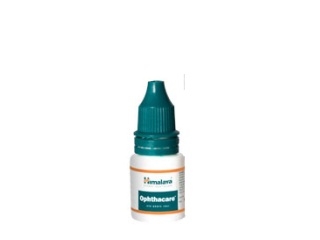

Ophthacare Eye Drops (Australia) — Patient-Friendly Guide
Ophthacare is a lubricating eye product used to help relieve discomfort from dry, irritated eyes. Depending on the exact formulation sold in Australia, Ophthacare may be a lubricating solution and/or a product designed to support eye comfort. This guide explains how it works, how to use it safely, and what to expect. Always check the label and packaging for the specific strength and directions for your product.
If you have eye pain, sudden vision changes, severe redness, discharge, or symptoms that worsen quickly, seek medical advice promptly.
Key Product Information
| Category | What it’s used for | Common forms | How it’s usually supplied |
|---|---|---|---|
| Eye care / lubricating drops | Temporary relief of dry, gritty, or irritated eyes | Eye drops (may be preservative-free in some brands/variants) | Generally available via pharmacy/retail channels in Australia |
- Active ingredient(s): Varies by specific Ophthacare product/variant. Verify on the carton or bottle.
- Strength: Listed on the product label.
- Who it’s for: Adults and, depending on the formulation, children as advised by the product information or a healthcare professional.
- Typical use: Support tear film stability and improve comfort.
How Ophthacare Works (Mechanism of Action)
Ophthacare is designed to improve eye comfort by lubricating and supporting the tear film. Dry eye occurs when the tear film does not spread evenly or evaporates too quickly, leading to irritation, burning, or a gritty sensation.
While the precise mechanism depends on the formulation, lubricating eye products typically:
- Increase lubrication to reduce friction between the eyelid and the eye surface.
- Support tear film stability, helping tears spread more evenly.
- Help soothe irritation by reducing exposure of sensitive eye tissue.
- Promote comfort during triggers such as wind, air conditioning, screens, and contact lens wear.
Important note: Lubricating drops are usually intended for symptom relief. If your dry eye is caused by an underlying condition (for example, blepharitis or an autoimmune issue), you may need additional management.
Pharmacokinetics (What Happens in the Body)
Most lubricating eye drops act locally on the eye surface rather than being absorbed into the bloodstream in meaningful amounts. For many eye lubricants, pharmacokinetics are limited and primarily reflect distribution on the ocular surface.
In general terms:
- Onset of action: Often improves comfort within minutes as the solution spreads over the eye surface.
- Distribution: The liquid coats the conjunctiva and cornea, supporting the tear film.
- Elimination: Tears and the normal blinking mechanism wash out the product; excess drains through the tear drainage system.
- Systemic absorption: Typically low for topical ophthalmic lubricants.
Because formulations vary, the specific absorption and duration may differ. Always follow the labelled dosing schedule.
Indications (When Ophthacare Is Typically Used)
Ophthacare is commonly used for relief of symptoms associated with dry or irritated eyes, including:
- Dry eye symptoms such as burning, stinging, scratchy feeling, or watering eyes caused by irritation
- Gritty or sandy sensation
- Redness related to dryness (not due to infection or injury)
- Discomfort from environmental factors such as wind, smoke, dust, air conditioning, and heating
- Screen-related eye strain where reduced blinking contributes to dryness
- Comfort during contact lens wear (if your specific Ophthacare product is suitable for contact lens users—check the label)
Ophthacare is not intended to treat eye infections or serious eye inflammation. If you suspect infection (e.g., sticky discharge, significant pain, or light sensitivity), seek advice urgently.
Typical Timing and How Often to Use It
Timing depends on symptom severity and the product’s formulation (for example, whether it contains preservatives). Follow the directions on the packaging and leaflet. Typical use patterns include:
- For mild, occasional dryness: Use when symptoms occur (e.g., once or a few times daily).
- For frequent symptoms: Use on a regular schedule (for example, several times per day) to maintain comfort.
- For prolonged screen use or dry environments: Consider using shortly before a trigger period and reapplying as needed.
General practical tip: If you are using more than one type of eye product, separate applications to reduce dilution or wash-out (see “Practical Use Tips” below).
Dosing (General Guidance)
The correct dose is determined by the product label for your specific Ophthacare variant. The information below is general and intended for patient understanding.
- Usual method: Instil 1–2 drops into the affected eye(s).
- Number of doses: Often between 1 and 6 times daily depending on symptoms and formulation.
- Contact lenses: If your product is approved for use with contact lenses, use as directed. Otherwise, remove lenses before instillation and wait before reinsertion.
- Missed dose: Use when you remember if it’s close to your next scheduled dose. Do not double up.
Do not exceed the maximum dose stated on the packaging. If symptoms persist beyond a few days to a week, consult a healthcare professional.
Food Interactions
There are generally no known direct food interactions with topical lubricating eye drops because systemic absorption is minimal. However, general considerations still apply:
- Stay hydrated: Drinking water may support overall comfort and tear production.
- Watch for allergy triggers: If your dryness is associated with allergies, diet changes won’t replace appropriate management.
If your Ophthacare formulation includes other active ingredients (less commonly), check the leaflet for specific interaction guidance.
Alcohol and Medicine Interactions
Because Ophthacare is used on the eye surface, alcohol interaction is unlikely. Systemic effects from eye drops are generally minimal.
For other medicines:
- Other eye drops/ointments: Ophthalmic products may interact by dilution or by affecting how long the other product remains on the eye. Separate products (see below).
- Systemic medicines: Significant interactions are unlikely with lubricating eye drops.
If you use multiple eye medications (for example, antihistamine eye drops, antibiotic drops, steroid drops, or glaucoma drops), ask a pharmacist or clinician how to schedule them.
Safety Profile and Side Effects
Ophthacare is generally well tolerated. As with all eye products, temporary reactions may occur.
Common (usually mild) side effects
- Temporary blurred vision right after instilling (usually clears quickly)
- Mild stinging or burning lasting a short time
- Watery eyes
- Minor redness that improves as the product settles
Seek urgent advice if you experience
- Severe pain or worsening discomfort
- Sudden vision changes
- Marked swelling of the eyelids or face
- Significant discharge (especially yellow/green) or crusting
- Light sensitivity (photophobia)
- Symptoms of allergy such as hives, trouble breathing, or widespread swelling
Allergy and preservative considerations
- If your Ophthacare product contains preservatives, frequent use may irritate some individuals, especially with severe dry eye. If irritation occurs, consider asking about a preservative-free option.
- Stop use and seek advice if you suspect sensitivity to an ingredient.
Practical Use Tips (How to Get the Best Results)
- Wash your hands before instilling drops.
- Check the dropper tip to ensure it’s clean and not cracked.
- Don’t touch the eye surface with the nozzle to avoid contamination.
- Use proper technique:
- Tilt your head back or look up.
- Gently pull down the lower eyelid to create a small pocket.
- Instil the prescribed number of drops.
- Close your eyes gently for 1–2 minutes.
- Press lightly at the inner corner (near the nose) for about 30–60 seconds if comfortable—this may reduce drainage and waste.
- Remove contact lenses if your product label instructs so (and replace only after the recommended waiting period).
- Wait between products: If using other eye drops, wait at least 5–10 minutes unless your healthcare professional says otherwise.
- Be consistent: Regular use often provides better comfort than last-minute dosing.
- Storage: Store according to the label (commonly at room temperature; protect from excessive heat). If it’s preservative-free or single-use, follow the discarding instructions.
Alternative Options for Dry Eye Relief
Depending on your symptoms and cause of dryness, alternative approaches may include:
- Different lubricating drops (gel, ointment, or thicker formulations for nighttime)
- Preservative-free lubricants for frequent use or sensitive eyes
- Lubricating gels for longer-lasting comfort (often used at night)
- Hygiene measures such as warm compresses if you have lid margin irritation/blepharitis
- Environmental adjustments: reducing air blowers, using a humidifier, and taking screen breaks
- Prescription treatments: for persistent severe dry eye, clinicians may recommend other therapies (your pharmacist or optometrist can guide you)
If your dryness is linked to medications, contact lenses, or an underlying condition, addressing the cause can improve results.
Market and Legal Context in Australia
In Australia, eye care products are regulated through the Therapeutic Goods Administration (TGA). Many lubricating eye drops are supplied as over-the-counter or pharmacy-available products, depending on their ingredients and classification.
- Quality and listing: Ophthalmic products sold in Australia are subject to manufacturing and regulatory requirements.
- Labelling: Australian packaging includes key safety information such as indications, directions, precautions, and storage.
- Pharmacist advice: For correct selection (for example, preservative-free options), a pharmacist can help based on your symptom pattern and product variant.
Recent guidance (general): Dry eye care commonly emphasises lubrication, reducing triggers (screen time, airflow), lid hygiene when relevant, and using preservative-free products when symptoms persist or frequent dosing is needed. If symptoms are persistent or worsening, professional assessment is recommended.
Delivery and Availability
Ophthacare is typically available through Australian pharmacies and pharmacy-led online stores, subject to local stock levels and product variant availability.
- Home delivery: Many online pharmacies deliver within Australia with tracking (availability may vary by provider and region).
- Check your product variant: Ophthacare may exist in different strengths or formats; ensure the description matches your intended use (for example, preservative-free).
- Storage for transit: Lubricating eye drops are generally stable at normal temperatures; however, extreme heat can affect product quality—follow storage instructions on arrival.
If you have questions about stock availability or delivery timing, refer to the online pharmacy’s delivery policy or contact customer support.
FAQ — Ophthacare Eye Drops
1) What is Ophthacare used for?
Ophthacare is typically used to relieve symptoms of dry, irritated, or uncomfortable eyes by lubricating the eye surface and supporting the tear film.
2) How quickly will it work?
Many people notice comfort improvement within minutes as the drops spread over the eye surface. If you don’t feel any benefit after several applications, check you’re using the correct product and technique, and consider speaking with a pharmacist or optometrist.
3) Can I use Ophthacare with contact lenses?
Some lubricating drops are suitable for contact lens wear; others are not. Check the label for your specific Ophthacare variant. If not suitable, remove your lenses before use and wait the recommended time before reinserting.
4) Should I use it before or after other eye drops?
To reduce interference between products, use one product at a time and separate different drops by about 5–10 minutes. If you use multiple prescription or medicated eye products, ask a pharmacist for a schedule.
5) Does Ophthacare contain preservatives?
It depends on the product variant. If you use drops frequently or find that drops irritate your eyes, ask whether a preservative-free option is available for your needs.
6) Can I drive after using Ophthacare?
Some people experience temporary blurred vision right after instilling drops. If this happens, wait until vision is clear before driving.
7) Is it safe to use every day?
Many lubricating drops can be used daily for chronic dryness. Follow the labelled dose and consult a healthcare professional if you require frequent use, experience irritation, or symptoms persist.
8) What if I accidentally use more than the recommended amount?
Using extra drops usually causes mild temporary symptoms such as watering or blurred vision. Rinse gently with sterile saline if the eye feels uncomfortable and contact a pharmacist or healthcare professional if you’re concerned.
9) Are there alcohol interactions?
Significant alcohol interactions are unlikely with topical lubricating eye drops. Still, if you experience unusual side effects, seek medical advice.
10) When should I stop using Ophthacare and get medical help?
Seek urgent advice if you develop severe pain, sudden vision changes, marked swelling, significant discharge, or light sensitivity, or if symptoms rapidly worsen.
Conclusion
Ophthacare eye drops are a convenient option for supporting eye comfort in many cases of dry or irritated eyes. By lubricating the ocular surface and helping stabilise the tear film, they can reduce burning, grittiness, and dryness—particularly during common triggers like screen time, air conditioning, and dry outdoor conditions.
For best results, use the product as directed on the packaging, apply with good technique, and consider preservative-free alternatives if you need frequent dosing or experience irritation. If symptoms persist or become severe, consult a pharmacist, optometrist, or doctor.