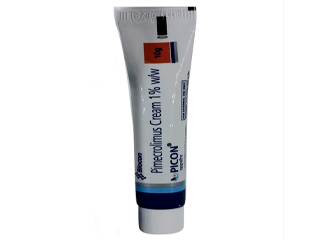
Pimecrolimus Cream (Pimecrolimus) — Patient Information for Australia
Pimecrolimus is a topical medicine used to treat certain inflammatory skin conditions, most commonly eczema (atopic dermatitis). It belongs to a class of medicines called topical calcineurin inhibitors (TCIs).
This page provides patient-friendly information about pimecrolimus, including how it works, how it behaves in the body, when and how to use it, potential interactions, and practical tips to help you get the best results.
Basic Product Information
| Category | Details |
|---|---|
| Generic name | Pimecrolimus |
| Medicine type | Topical calcineurin inhibitor (anti-inflammatory) |
| Common form | Cream |
| Common use | Inflammation from eczema/atopic dermatitis |
| Main skin area | Face, neck, and other eczema-prone areas (as advised) |
| How it’s applied | Thin layer to affected skin, typically twice daily during flares |
Brand names can vary. Always check your specific product label for strength and instructions.
How Pimecrolimus Works (Mechanism of Action)
Pimecrolimus is designed to calm immune activity within the skin. In people with eczema, the immune system and skin barrier become overactive, causing:
- Redness and inflammation
- Itching and irritation
- Flare-ups that may recur
Pimecrolimus works by inhibiting calcineurin, a pathway that helps activate immune cells in the skin. By reducing the release of certain inflammatory signals, it helps to:
- Reduce inflammation
- Relieve itch and discomfort
- Improve the appearance of eczema patches
Compared with some other topical treatments, pimecrolimus is often used when you want a non-steroid option, particularly for areas like the face where steroid exposure may be a concern.
Pharmacokinetics (Absorption and What Happens in the Body)
Pimecrolimus is applied to the skin. In most patients, only a small amount of the medicine passes through the skin into the bloodstream.
- Absorption: Systemic absorption is generally low when used correctly on limited areas.
- Distribution: If absorbed, it is distributed through the bloodstream and processed by the body.
- Metabolism: The medicine is mainly metabolised in the liver.
- Elimination: Excretion occurs through normal body clearance mechanisms.
Your risk of significant whole-body exposure increases if pimecrolimus is used over very large areas, used for prolonged periods, or applied to broken/oozing skin without guidance. Following label instructions helps keep exposure low.
Typical Use and Indications
Pimecrolimus cream is used for eczema (atopic dermatitis) in patients who need topical control of inflammation.
In clinical practice, it may be considered for:
- Short-term treatment of eczema flare-ups
- Intermittent use to manage recurring outbreaks
- Eczema areas including face and neck where steroid-sparing strategies are preferred
The exact age range and approved indications can vary by product and Australian regulatory status. Always refer to the information provided with your specific product and your healthcare professional’s advice.
When to Apply (Timing and Frequency)
A common approach is to apply pimecrolimus to affected areas twice daily at the start of a flare. Some patients are advised to apply again when symptoms return.
- Start early: Using it when eczema is first becoming itchy or red can help control flares.
- Apply consistently during flares: Follow the schedule on your product instructions.
- Stop when clear: Many regimens aim to use it during active flare periods rather than continuously.
- Use moisturisers: Regular moisturising often reduces flare frequency.
Practical timing tip: Apply after cleansing and patting skin dry. Many people find it easiest to apply once in the morning and once in the evening.
How to Use Pimecrolimus Correctly
The effectiveness and safety of topical pimecrolimus depend on correct application.
Step-by-step
- Wash hands before and after application.
- Clean the area gently with a mild cleanser if needed, then pat dry.
- Apply a thin layer of cream to the affected eczema patches.
- Avoid applying to eyes or inside the mouth unless specifically directed.
- Do not cover with tight bandages unless your clinician advises it.
How much to use
A “thin layer” means just enough to coat the area evenly, not a thick coating. If you are unsure about the amount, ask a pharmacist or clinician.
Moisturiser routine
- Apply moisturiser after cleansing, but allow time before applying pimecrolimus if advised.
- Alternatively, some patients apply pimecrolimus first and moisturiser later; follow local product directions.
Food Interactions
Pimecrolimus is applied to the skin, and food interactions are not expected for most people. Systemic absorption is usually low.
If you use other medicines and have concerns about overall interactions, speak with a healthcare professional. For pimecrolimus specifically, the more relevant considerations are usually skin condition and other topical treatments.
Alcohol and Medicine Interactions
Alcohol
There are no widely established direct interactions between pimecrolimus and alcohol. However, alcohol can sometimes worsen skin sensitivity or dehydration in some people, which may make eczema feel worse.
- If you notice flares after drinking, consider reducing alcohol and monitoring your skin response.
- Avoid alcohol-based products on the skin unless advised (they can irritate).
Interactions with other medicines (including topical products)
Because pimecrolimus works locally and has low systemic absorption, major drug interactions are uncommon. Still, interactions can occur when medicines affect the immune system or when using multiple topical products.
Tell your healthcare professional or pharmacist about:
- Other creams, ointments, or lotions you use on the same skin areas
- Medicines that suppress the immune system (oral or injectable), if applicable
- Any recent treatments for eczema (e.g., steroid creams, antifungals, or other anti-inflammatories)
General practical advice: Avoid applying pimecrolimus to the same area at the same time as other thick topical products unless your clinician advises a specific routine. This helps reduce irritation and improves medication contact.
Safety Profile and Side Effects
Like all medicines, pimecrolimus can cause side effects. Many people experience none or only mild effects. Side effects are usually local (on the skin), particularly during early use.
Common side effects
- Burning, stinging, or tingling at the application site
- Skin irritation, redness, or dryness
- Itching that may occur initially
Serious or urgent symptoms
Seek urgent medical advice if you develop:
- Signs of a severe skin infection (increasing pain, spreading redness, pus, fever)
- Symptoms of an allergic reaction (swelling, hives, trouble breathing)
- Rapidly worsening eczema despite treatment
Important cautions
- Do not use on infected skin unless specifically directed. Eczema infections may require different treatment.
- Avoid applying to open wounds or areas that are strongly oozing unless advised.
- If your eczema is not improving, your clinician may need to review the diagnosis or add/adjust therapy.
Long-term use considerations
Pimecrolimus is often used intermittently for recurrent eczema rather than continuously. Following the recommended schedule and reassessing symptoms helps balance benefits and safety.
Practical Use Tips for Better Results
- Moisturise daily: A good moisturiser is one of the most important eczema treatments. Use it even when your skin looks better.
- Use lukewarm showers: Hot water can worsen itching and dryness.
- Choose gentle skin care: Fragrance-free soaps and detergents may help.
- Manage triggers: Common triggers include stress, sweating, dry air, and certain fabrics.
- Don’t over-apply: More cream is not necessarily better; use a thin layer as directed.
- Sun exposure: If you are using pimecrolimus, be cautious with excessive sunlight. Ask your healthcare professional about appropriate sun protection.
If you feel burning or stinging after applying, this is commonly mild and temporary for many people. However, if it is severe or persists, speak to a pharmacist.
Dosing Guidance (General)
Dosing can vary depending on age, severity, and the exact product formulation. Always follow the instructions supplied with your pimecrolimus cream.
Typical dosing pattern
- Adults and children (as indicated on your product): Usually apply a thin layer to affected skin twice daily.
- During flares: Treatment is often started early and continued until the affected area improves.
- Maintenance/intermittent use: Some regimens allow intermittent use for recurring patches.
Missed dose
- If you miss a dose, apply when you remember unless it’s close to the next scheduled dose.
- Do not apply extra cream to make up for the missed dose.
How long to use
Many people use pimecrolimus for short periods during active eczema flare-ups. If your symptoms do not improve within the expected timeframe, consult a healthcare professional for review.
Alternative Options for Eczema (Other Treatments)
Eczema management is usually tailored to the person and the severity of symptoms. Pimecrolimus is one option; alternatives may include:
- Emollients (moisturisers): The foundation of eczema care.
- Topical corticosteroids: Often used for flares, with steroid-sparing strategies sometimes used for maintenance.
- Topical antifungals or antibiotics if infection is present.
- Other topical calcineurin inhibitors (depending on availability and suitability).
- Systemic treatments (for severe or widespread eczema) such as immunomodulators or biologic therapies, guided by specialists.
Your best choice depends on the location of eczema, age, flare frequency, skin sensitivity, and response to prior treatments. If you are unsure, speak with a pharmacist or GP for personalised guidance.
Market and Legal Context for Australia
In Australia, medicines are regulated through the Therapeutic Goods Administration (TGA). Topical medicines may be supplied via:
- Pharmacist-only supply or other supply categories (depending on product status)
- Prescription pathways for certain strengths or indications (depending on the product’s TGA classification)
Supply rules and approved indications can change over time, so it’s important to use the information on your specific product packaging and the latest guidance from Australian health authorities.
For eczema products, some treatments may be available OTC under specific conditions, while others require assessment. A pharmacist can help you choose the safest option for your situation.
Recent Guidance and Clinical Updates (Overview)
Eczema care guidelines commonly emphasise a stepwise approach:
- Prevent flares with moisturisers and skin barrier care
- Treat inflammation during flare-ups with appropriate topical agents
- Reassess diagnosis and infection if symptoms do not respond
- Use steroid-sparing strategies for sensitive areas (like the face/neck) or for people who need longer-term control
Topical calcineurin inhibitors remain part of the eczema treatment toolkit for selected patients and locations. Always check product-specific instructions and follow local healthcare advice.
Delivery and Availability (Online Pharmacy in Australia)
Availability may vary depending on the brand, concentration, and current pharmacy stock. When ordering online in Australia, look for:
- Correct product name and strength (check the label)
- Clear usage instructions included with your order
- Reliable delivery details and tracking options
Many online pharmacies provide:
- Standard and express delivery (varies by location)
- Safe packaging to protect creams from damage
- Customer support via email/phone if you have questions before ordering
If you need urgent treatment for an active flare, consider ordering early and choosing the fastest delivery option available.
Frequently Asked Questions (FAQ)
1) Is pimecrolimus a steroid?
No. Pimecrolimus is not a corticosteroid. It is a topical calcineurin inhibitor, which works differently from steroid creams.
2) When will I see results?
Many people notice improvement within days, especially when applied early during a flare. If you do not see improvement after the expected timeframe on your product information, contact a pharmacist or GP for review.
3) Can I use moisturiser with pimecrolimus?
Yes, moisturising is strongly recommended for eczema. Apply moisturiser as directed, and try not to mix products in a way that reduces contact with pimecrolimus.
4) Can I apply pimecrolimus to my face?
Pimecrolimus is commonly used for eczema in sensitive areas such as the face and neck in appropriate patients. Use only where indicated and avoid the eyes and inside the mouth.
5) What if my eczema looks infected?
If you see signs such as increasing redness, warmth, pus, honey-coloured crusting, or fever, contact a healthcare professional. Infected eczema may require different treatment and should not be managed with anti-inflammatory cream alone.
6) Is it safe to use on children?
Safety and dosing depend on age and the product’s approved indications. Check the product information and ask a pharmacist or clinician if you’re unsure.
7) Can I use pimecrolimus long-term?
Many regimens are intermittent (used during flare-ups and then stopped when skin clears). If you need ongoing management, discuss a long-term plan with a clinician to ensure the approach remains appropriate.
8) Are there any food or alcohol interactions?
Food interactions are not expected. Alcohol interactions are not well established, but alcohol may worsen skin for some people indirectly (e.g., dehydration or trigger effects).
9) What should I do if I forget a dose?
Apply it when you remember unless it’s close to the next scheduled dose. Do not apply extra cream to make up for a missed dose.
10) Who should not use pimecrolimus?
People with allergy to pimecrolimus or cream ingredients should avoid it. Use caution if you have active infections on the skin, and seek professional advice if you are unsure.
Summary
Pimecrolimus cream is a topical anti-inflammatory medicine used to manage eczema (atopic dermatitis). It works by calming immune-related inflammation in the skin, and is often chosen as a steroid-sparing option, particularly for sensitive areas like the face and neck. When applied correctly as a thin layer during flare-ups, pimecrolimus can reduce redness, itching, and discomfort.
For best results, combine medication with consistent moisturising and gentle skin care, monitor for signs of infection, and follow the dosing instructions provided with your specific product. If symptoms worsen or do not improve, consult a pharmacist or GP to review your treatment plan.