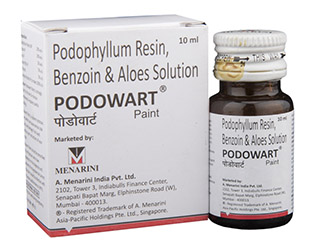
Podowart (Podophyllum resin) – Patient Information
Podowart is a topical medicine containing podophyllum resin, used for certain types of warts on external skin surfaces. This guide explains how Podowart works, how to use it safely and effectively, what to expect, and important safety information for people in Australia.
Always read the Consumer Medicine Information (CMI) provided with your product. If you are unsure whether Podowart is suitable for your condition, ask your pharmacist or doctor.
Key product information
| Product | Active ingredient | Form | Where it is used | Common use |
|---|---|---|---|---|
| Podowart | Podophyllum resin | Topical solution/paint (as per product pack) | Selected external genital and anal warts (as directed) | Chemical treatment to destroy wart tissue |
Important: Podowart is intended for specific wart types and external areas only. It is not for use inside the vagina, urethra, rectum, or other internal body openings. If your warts are not in an approved area, a clinician should confirm the diagnosis and best treatment.
What is Podowart used for?
Podowart (podophyllum resin) is used to treat external genital warts (and sometimes other surface warts) caused by human papillomavirus (HPV), when recommended for that particular wart type and location.
It works by destroying wart tissue on the surface so that the wart shrinks and falls away.
Not for:
- Unknown skin lumps or lesions that haven’t been assessed
- Warts that may be on internal mucosal surfaces
- Warts not located on the external areas specified in the product directions
- Use in or around eyes
How Podowart works (mechanism of action)
Podophyllum resin contains compounds that interfere with cell division in wart tissue. In simple terms, it:
- Acts on wart cells in a way that slows or prevents their growth
- Promotes damage and breakdown of wart tissue
- Helps the wart shrink and eventually disappear
Because warts are caused by HPV, treatments target the visible wart tissue. HPV may remain in surrounding skin, so warts can sometimes return even after successful treatment.
How quickly does it work? (timing and what to expect)
The experience varies from person to person and depends on wart size, number, and location.
Typical course:
- Within the first few days: you may notice mild redness or irritation where the product is applied.
- Within 1–2 weeks: treated warts often begin to shrink.
- Up to several weeks: complete clearing may take more time, and repeat treatments are often needed.
Do not over-apply: Using more frequently or in larger amounts than directed increases the risk of irritation and side effects without necessarily improving outcomes.
Dosing and how to use Podowart
Follow the dosing schedule in the product pack instructions or as advised by your pharmacist/doctor. Because Podowart is intended for specific external areas, correct application technique is crucial.
General principles for safe, effective application
- Only apply to the wart(s): Avoid surrounding healthy skin.
- Use the supplied applicator: Many packs include an applicator or instructions to apply carefully.
- Wash hands before and after: If you’re treating genital warts, avoid touching other body areas after application.
- Allow to dry as directed: Keep the area dry and protected from friction after application.
- Stop and seek advice if severe irritation occurs: Burning, swelling, bleeding, or painful sores may indicate overexposure or an inappropriate area.
Typical timing (example guidance)
Many podophyllum resin wart treatments use a schedule involving short treatment intervals followed by a rest period. The exact frequency and whether to leave it on for a specific time depends on the specific Podowart formulation and pack directions.
Please follow your pack instructions. If you’re unsure about the schedule, ask your pharmacist to walk you through the steps.
Missed dose
- If you forget an application, apply it when you next normally would.
- Do not double up.
Food interactions
Because Podowart is applied to the skin, food interactions are not expected to be a major concern for most people. However, if you experience stomach upset or feel unwell for any reason, inform your pharmacist or doctor.
Practical note: Keep the treated area protected from friction after application. Loose clothing can help reduce irritation.
Alcohol and medicine interactions
There is limited evidence of meaningful alcohol interactions with a topical podophyllum resin product for most users, since systemic absorption is typically low when used as directed.
Still, avoid:
- Using other skin treatments on the same area unless advised
- Applying moisturisers or antiseptics to the area immediately after Podowart unless the product instructions say it’s safe
Tell your pharmacist/doctor about all medicines and supplements you use, including topical products and any medicines that affect immunity.
Indications (who it may be suitable for)
Podowart is indicated for treatment of external genital warts (as specified in the product directions for Podowart in Australia) and selected external wart presentations.
Appropriateness depends on factors such as:
- Wart location (external vs internal)
- Size and number of warts
- Skin condition and sensitivity
- Whether the diagnosis is confirmed as warts
- Immune status (for example, if you are immunocompromised)
Seek medical review urgently if lesions do not look typical, rapidly worsen, bleed easily, or you’re unsure whether it’s HPV-associated warts.
Pharmacokinetics (how the body handles it)
After topical application, only a small portion of podophyllum resin is expected to be absorbed into the bloodstream when used correctly. Pharmacokinetic behaviour can vary with:
- The size of the area treated
- The condition of the skin (irritated or broken skin may increase absorption)
- Frequency and amount applied
- Whether it is applied to mucosal-like surfaces (generally not recommended unless explicitly directed)
Once absorbed, podophyllum compounds may be metabolised by the body and eliminated primarily through normal excretory pathways. Systemic effects are uncommon when used strictly according to the directions.
Because dosing errors increase absorption risk, it’s important not to apply more frequently or to larger areas than directed.
Safety profile and side effects
Most people experience local skin reactions. However, podophyllum resin can irritate skin and mucous membranes if applied too broadly or to sensitive areas.
Common side effects (local skin reactions)
- Redness
- Burning or stinging sensation
- Itching
- Swelling or tenderness
- Mild pain at the treated site
- Skin peeling or crusting as the wart tissue breaks down
Less common but more serious reactions
Stop use and seek urgent advice if you develop:
- Severe burning, blistering, or ulceration
- Significant swelling of the genital area
- Heavy bleeding or spreading sores
- Signs of an allergic reaction (hives, facial swelling, breathing difficulty)
- Systemic symptoms such as marked dizziness, nausea/vomiting, or unusual weakness (seek medical attention)
Who should get professional advice before using
- Children (unless directed by a clinician)
- People who are pregnant or breastfeeding (discuss with a healthcare professional first)
- People who are immunocompromised
- Anyone with uncertain diagnosis or atypical lesions
Practical use tips (to improve comfort and results)
- Use careful targeting: Apply a thin amount exactly to the wart.
- Protect surrounding skin: Avoid contact with healthy skin; if accidental contact occurs, rinse promptly (as directed by your product advice).
- Consider timing around daily activities: Plan applications when you can rest without friction or heavy sweating.
- Avoid sex until irritation settles: Genital warts treatments can cause soreness. Ask a clinician/pharmacist when it’s safe to resume sexual activity.
- Don’t combine multiple wart products: Unless advised, avoid other topical wart remedies on the same area.
- Track changes: If you’re not seeing improvement by the recommended review time, check back with your pharmacist/doctor.
When to stop and seek medical review
Contact a healthcare professional if:
- Your warts do not improve after the recommended treatment course
- Warts spread quickly
- You develop severe pain, bleeding, or deep sores
- You suspect the lesions are not warts
- You are pregnant, breastfeeding, or immunocompromised and symptoms persist
Alternative treatment options
Depending on wart type, size, location, and your preferences, other options may include:
In-clinic or clinician-directed treatments
- Cryotherapy (freezing)
- Trichloroacetic acid (chemical cautery) in appropriate settings
- Electrosurgery or other procedures
- Laser therapy in selected cases
- Surgical removal
Other topical treatments
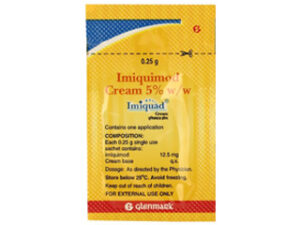
- Imiquimod cream (works via immune modulation; suitability depends on wart type/location)
- Other prescribed topical agents that may be used by clinicians
Your pharmacist can discuss which alternatives may be appropriate for your specific situation. In Australia, treatment recommendations can also be influenced by local guidelines and the confirmed diagnosis.
Market, legal and availability context in Australia
In Australia, availability of medicines—including treatments for warts—depends on regulatory classification and guidance from the Therapeutic Goods Administration (TGA) and related listing arrangements. Podophyllum resin products may be supplied under specific conditions or as particular formulations.
Online pharmacy supply is typically subject to standard requirements for:
- Product listing/registration status
- Correct labelling and consumer information
- Age and suitability checks where required
- Adherence to professional guidance for safe use
Availability may vary: If your chosen product isn’t available, your pharmacist may suggest alternatives that are appropriate and available in Australia.
Recent guidance and evolving care
Clinical approaches to HPV-associated warts evolve over time. Current best practice generally emphasises:
- Accurate diagnosis (warts vs other skin conditions)
- Correct application to the right body area
- Managing irritation and monitoring response
- Reducing transmission through safe sexual practices and partner considerations
- Vaccination awareness (HPV vaccination can reduce risk of future HPV-related disease)
If you have ongoing recurrences, consult a healthcare professional to confirm the diagnosis and discuss a plan that may include alternative therapies.
Delivery and availability (Australia)
Podowart may be available through Australian online pharmacies subject to local stock and product listing. Delivery options, timeframes, and fees depend on the pharmacy provider and your location.
- Packaging: Medicines are typically shipped in original packaging with labels and consumer information.
- Storage: Store as directed on the pack (often at room temperature and away from heat).
- Check on arrival: Ensure the expiry date is valid and the seal is intact.
If you’re ordering multiple items, check that instructions for each product are compatible (for example, whether other topical products should be avoided on the same area).
FAQ
1) Can I use Podowart for any type of wart?
Podowart is intended for specific wart types and external locations as described in the product directions. If you’re unsure whether your lesions are warts, get advice—other skin conditions can resemble warts.
2) How often should I apply Podowart?
Follow the exact schedule provided in the Podowart pack instructions. Frequency and timing can vary by product formulation. Using it more often than directed increases the risk of irritation.
3) Will the wart disappear immediately?
No. The wart tissue needs time to break down and shrink. Some improvement is often noticed within days, but complete clearing may take weeks and may require multiple treatment sessions.
4) Is Podowart safe for sensitive genital skin?
It can be used on the external areas indicated in the instructions, but genital skin can be sensitive. Apply carefully only to the wart(s) and stop use if irritation becomes severe.
5) What should I do if I accidentally apply it to healthy skin?
Rinse promptly if the product instructions advise rinsing. Avoid further exposure of healthy skin. If you develop persistent burning, blistering, or soreness, seek medical advice.
6) Can I drink alcohol while using Podowart?
Alcohol interactions are not expected to be a major issue with topical podophyllum resin when used as directed. If you feel unwell for any reason, seek advice and follow the pack safety information.
7) Can I have sex while using Podowart?
Wart treatments can cause soreness and irritation. Avoid sex if the area is painful or broken, and consider discussing timing and safe practices with a pharmacist or doctor.
8) Will my warts come back?
HPV may remain in nearby skin even after visible warts are cleared, so recurrence is possible. If warts return, treatment options can be reassessed.
9) What if I’m pregnant or breastfeeding?
Discuss suitability with a healthcare professional before using Podowart during pregnancy or while breastfeeding. The safest option depends on your individual situation and treatment area.
10) What if there is no improvement?
If warts do not improve after the recommended treatment course or if they worsen, stop and seek clinical review to confirm diagnosis and consider alternative treatments.
Disclaimer: This information is designed to help you understand Podowart and how it is typically used. It does not replace the Consumer Medicine Information or professional advice. If you have questions about your specific condition, consult a pharmacist or doctor.