
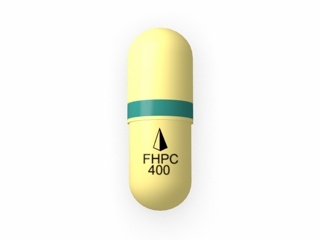


Ponstel (Mefenamic Acid) — Patient-Friendly Medicine Information (Australia)
Ponstel contains mefenamic acid, a medicine used to relieve pain and reduce inflammation. It belongs to the group of medicines called NSAIDs (non-steroidal anti-inflammatory drugs).
This guide is designed to help you understand how Ponstel works, how it’s commonly used, what to watch for, and how it may interact with food, alcohol, and other medicines. Always follow the instructions provided by your healthcare professional or on the medicine label.
Quick product information
| Item | Details |
|---|---|
| Medicine name | Ponstel |
| Active ingredient | Mefenamic acid |
| Drug class | NSAID (pain reliever/anti-inflammatory) |
| Common uses | Pain relief for certain conditions such as menstrual pain (dysmenorrhoea) |
| How it works (high level) | Reduces prostaglandins involved in pain and inflammation |
| Typical dosing approach | Depends on the indication and individual factors; often taken for a short period |
How Ponstel works (mechanism of action)
Mefenamic acid helps relieve pain primarily by reducing the production of prostaglandins. Prostaglandins are chemical messengers in the body that contribute to:
- Pain (inflammation-related pain signals)
- Inflammation (swelling and irritation)
- Fever (in some NSAIDs, though Ponstel is most commonly used for pain)
- Menstrual cramps (prostaglandins play a key role in uterine muscle contractions)
Like other NSAIDs, Ponstel works by inhibiting enzymes involved in prostaglandin formation (commonly described as COX inhibition). By lowering prostaglandin levels, symptoms such as pain and cramping may lessen.
Pharmacokinetics: how the body handles mefenamic acid
Pharmacokinetics describes what the body does to the medicine—absorption, distribution, metabolism, and elimination.
Absorption
After oral dosing, mefenamic acid is absorbed from the gastrointestinal tract. Peak blood levels typically occur within a few hours (exact timing can vary between people and formulations).
Distribution
Mefenamic acid and its metabolites distribute throughout the body, including tissues where prostaglandin-related effects are relevant to pain and inflammation.
Metabolism
Mefenamic acid is metabolised mainly in the liver to other compounds. A major metabolite contributes to overall activity and/or elimination.
Elimination
Metabolites are removed from the body primarily via the kidneys and also through the bile and gut. The medicine is not intended for long-term, continuous use unless specifically advised.
Important: Individual factors such as age, liver or kidney function, and other medications can affect exposure and risk.
What Ponstel is used for (typical indications)
Ponstel is used to relieve pain associated with conditions where prostaglandins are thought to play a major role. In everyday pharmacy practice in Australia, mefenamic acid is most commonly known for:
- Menstrual pain (also called dysmenorrhoea), including cramping pain
- Short-term pain relief for other inflammatory or painful conditions when an NSAID is appropriate
Whether Ponstel is suitable for you depends on your symptoms and personal risk factors (for example, history of stomach ulcers, kidney disease, asthma triggered by NSAIDs, or use of certain medicines).
Timing and how to take Ponstel
For pain relief, many people benefit from taking the dose when symptoms begin, rather than waiting until pain becomes severe. For menstrual cramps, early use at the start of symptoms is often more effective.
General timing principles
- Start early: Take when pain begins or shortly after, particularly for menstrual discomfort.
- Use the shortest duration: NSAIDs are generally used for the shortest time necessary.
- Space doses evenly: Follow the dosing schedule on your label or directions from a healthcare professional.
- Do not exceed the maximum: Higher doses increase the risk of side effects.
If your pain is not improving after a short course, or if symptoms are worsening, seek medical advice rather than continuing to take more.
Dosing guidance (adult and general considerations)
Dosing should follow the product label and your prescriber’s instructions. Below is general information to help you understand typical dosing approaches. The exact dose and duration can vary by product strength and your condition.
Typical adult regimen (general information)
- Mefenamic acid is commonly used at doses such as 500 mg initially followed by 250 mg at intervals, depending on the indication.
- For some pain conditions, an initial dose is followed by subsequent doses at set times, usually for a limited number of days.
Do not use longer than advised
- For menstrual pain, NSAIDs are often taken only for the first few days of the period (or as advised).
- For other short-term pain, a brief course may be sufficient.
Children and adolescents
Use in children and adolescents depends on age, weight, and the specific indication. Because dosing varies widely by age group and clinical context, it’s essential to follow Australian product information and clinician advice.
Missed dose
If you miss a dose, take it when you remember unless it’s close to the time for the next dose. Do not double up.
Food interactions and taking with meals
Food can influence NSAID tolerance and stomach irritation.
Can you take Ponstel with food?
- Yes—taking it with food or milk can help reduce stomach upset for many people.
- If you experience nausea, stomach burning, or pain after dosing, consider taking it with meals (unless your clinician advises otherwise).
Does food change how it works?
Food may slow absorption slightly, but it generally does not “stop” the medicine from working. The priority is often improving tolerance by reducing gastric irritation.
Alcohol and medicine interactions
Alcohol with Ponstel
It’s generally best to avoid or limit alcohol while taking NSAIDs, because combining alcohol with medicines like mefenamic acid can increase the risk of:
- Gastrointestinal irritation (heartburn, gastritis)
- Gastrointestinal bleeding (especially in people with risk factors)
- Reduced judgement about symptom severity
Important interactions with other medicines
Some combinations may increase side effects or reduce safety. Below are common categories of interactions to discuss with a pharmacist or doctor:
- Other NSAIDs (including ibuprofen, naproxen, diclofenac): increased risk of stomach bleeding and kidney strain.
- Aspirin: the combination may increase bleeding risk. Low-dose aspirin should not be stopped without medical advice.
- Anticoagulants (e.g., warfarin) and antiplatelet medicines: higher risk of bleeding.
- Corticosteroids (e.g., prednisone): increased risk of gastrointestinal side effects.
- SSRIs/SNRIs (e.g., sertraline, fluoxetine, venlafaxine): can increase bleeding risk when combined with NSAIDs.
- Diuretics (e.g., hydrochlorothiazide) and blood pressure medicines like ACE inhibitors/ARBs: can increase risk of kidney impairment in some circumstances.
- Lithium: NSAIDs may increase lithium levels.
- Methotrexate: NSAIDs may affect methotrexate clearance and increase toxicity.
- Diabetes medicines (e.g., sulfonylureas): NSAIDs may alter blood sugar effects in some people.
Always inform your pharmacist or healthcare professional about all medicines, including over-the-counter products and supplements. “Natural” products can also interact.
Safety profile: who should be cautious?
NSAIDs like mefenamic acid can be effective for short-term pain relief, but they also have important safety considerations. Your risk depends on your medical history and current medications.
Seek urgent help if you have
- Signs of allergic reaction: rash, swelling of face/lips, wheezing, or difficulty breathing
- Symptoms of stomach bleeding: vomiting blood, black/tarry stools, or severe persistent stomach pain
- Signs of serious skin reactions: blistering or peeling skin
- Reduced urine output or sudden kidney-related symptoms
- Chest pain or symptoms of stroke (face drooping, weakness, speech trouble)
Common side effects
Many people tolerate mefenamic acid well when taken correctly, but common effects may include:
- Stomach upset (nausea, indigestion)
- Heartburn
- Abdominal pain
- Headache or dizziness (less commonly)
Serious risks to understand
- Gastrointestinal harm: ulcers, bleeding, and perforation risk increases with higher doses, longer durations, older age, prior ulcer/bleeding history, and concurrent medicines that affect bleeding.
- Kidney effects: NSAIDs can reduce kidney blood flow, especially in dehydration, older age, kidney disease, or when combined with diuretics/ACE inhibitors/ARBs.
- Cardiovascular risk: NSAIDs may increase risk of heart-related events, particularly with prolonged use or in people with existing cardiovascular disease.
- Asthma sensitivity: some people experience worsening asthma or bronchospasm with NSAIDs.
- Liver concerns: rarely, liver function changes can occur.
Who needs extra caution?
Check with a pharmacist or doctor before using Ponstel if you:
- Have a history of stomach ulcers or gastrointestinal bleeding
- Have kidney disease or are at risk of dehydration (e.g., vomiting/diarrhoea)
- Have heart disease, high blood pressure, or stroke history
- Have asthma that reacts to NSAIDs
- Use medicines that raise bleeding risk (anticoagulants, antiplatelets, steroids, certain antidepressants)
- Are pregnant (especially later pregnancy) or trying to conceive
Practical tips for safe, effective use
- Use the lowest effective dose for the shortest necessary time.
- Take with food if you’re prone to stomach upset.
- Stay hydrated, particularly if you’re unwell with diarrhoea or vomiting.
- Do not combine with other NSAIDs (including over-the-counter products) unless a healthcare professional advises.
- Read labels carefully: some cold/flu products also contain NSAID ingredients.
- Monitor symptoms: if pain persists beyond the usual short course or you develop new symptoms, stop and seek advice.
- Consider alternatives if you have risk factors for stomach bleeding or kidney problems.
Alternative options (what else can help?)
Alternative pain relief may depend on the cause of pain. Common options include:
- Paracetamol (acetaminophen): useful for pain relief with a generally different safety profile (often gentler on the stomach than NSAIDs).
- Other NSAIDs (e.g., ibuprofen or naproxen): may be suitable for some people, but the same class-related risks apply.
- Non-medicine approaches:
- Heat packs for menstrual cramps
- Gentle exercise and stretching
- Rest and adequate hydration
If you’re using Ponstel for menstrual pain, consider discussing with a healthcare professional whether other strategies (including specific hormonal options) may suit you better.
Market and legal context in Australia
In Australia, access to medicines and pharmacy supply practices follow the Australian regulatory framework administered by the Therapeutic Goods Administration (TGA). Medicines can be supplied as prescription or pharmacy-only depending on their classification and product details.
For online pharmacy purchasing, the correct product must match the patient’s needs and comply with Australian requirements for safe supply. Always ensure the medicine is appropriate for the person using it and that the right strength and dosing instructions are provided.
Note: Medicine availability can vary by supplier, product form, and regulatory updates.
Recent guidance and public health considerations
Australian medicines safety guidance commonly reinforces:
- Use NSAIDs at the lowest effective dose for the shortest duration.
- Be alert for gastrointestinal, kidney, and cardiovascular risks.
- Avoid taking multiple NSAIDs together.
- Talk to a pharmacist if you have risk factors or are taking interacting medicines.
Pharmacists may recommend additional precautions (for example, considering gastroprotection in higher-risk patients) based on your history and current medications.
Delivery, availability, and ordering (Australia)
Online pharmacies in Australia typically aim to provide safe and timely delivery options. Availability may vary depending on stock levels and the specific pack size.
- Dispatch times depend on location and courier arrangements.
- Delivery estimates are usually shown at checkout.
- Product authenticity: reputable pharmacies source medicines via authorised channels.
If you need Ponstel urgently or are unsure whether a pack size is suitable, check product details on the listing or contact customer support for availability and delivery timelines.
FAQ
1) Is Ponstel the same as mefenamic acid?
Yes. Ponstel is a brand name that contains mefenamic acid as the active ingredient.
2) How quickly does it work?
Many people notice pain relief within a few hours of taking a dose. Timing can vary depending on your dose, metabolism, and whether you take it with food.
3) Can I take Ponstel for period pain?
It is commonly used for menstrual pain (dysmenorrhoea). Starting early when cramps begin may help. Use only for the duration recommended for your situation.
4) What should I avoid while taking Ponstel?
Try to avoid:
- Other NSAIDs (to reduce stomach/kidney bleeding risk)
- Excess alcohol
- Taking it longer than necessary
Also check cold/flu products for NSAID ingredients.
5) Can I take Ponstel with food?
Taking it with food or milk can help reduce stomach upset for many people. If your label or clinician instructions differ, follow those instructions.
6) What if I’m already taking blood thinners or aspirin?
Combination risks can be significant. Tell your pharmacist or doctor about all medicines you take. Do not stop prescribed blood thinners without professional advice.
7) Who shouldn’t take Ponstel?
People with certain conditions or histories should use caution or avoid NSAIDs, including those with previous NSAID-related allergic reactions, a history of stomach ulcers or bleeding, significant kidney impairment, or certain asthma sensitivity. If you’re unsure, ask a pharmacist.
8) Are there safer options if I have a sensitive stomach?
Some alternatives may be gentler, such as paracetamol. For NSAIDs, strategies like taking with food and discussing risk-reduction options with a pharmacist may help.
9) Can I use Ponstel during pregnancy or breastfeeding?
NSAID use in pregnancy—particularly later pregnancy—may be inappropriate. If you are pregnant, trying to conceive, or breastfeeding, seek professional advice before using Ponstel.
10) When should I seek medical advice?
Seek medical advice if:
- Your pain does not improve after a short trial
- You develop severe stomach pain, black/tarry stools, or vomiting blood
- You have breathing difficulties, swelling, or a rash
- You suspect an allergic reaction
Disclaimer: This information is general and not a substitute for individual medical advice. If you have questions about whether Ponstel is suitable for you, ask a pharmacist or healthcare professional.