
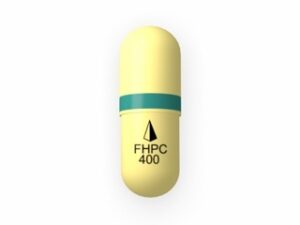
Provera (Medroxyprogesterone Acetate) — Patient Information
Provera is a medicine containing medroxyprogesterone acetate, a synthetic form of the hormone progesterone. In Australia, it is commonly used to treat hormone-related conditions in people with a uterus. This guide explains what Provera is for, how it works, how it’s typically taken, key safety points, and practical information to help you use it confidently.
This page is written for general information. Individual treatment decisions depend on your medical history and current symptoms.
Key Product Facts
- Active ingredient: Medroxyprogesterone acetate (MPA)
- Medicine type: Hormone (progestogen) therapy
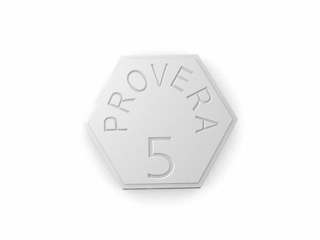
- Common forms: Tablets (strengths vary by product/brand availability)
- How it’s used: Oral dosing schedules vary depending on the condition
- Who may use it: People with a uterus, as determined by a healthcare professional
How Provera Works (Mechanism of Action)
Progesterone plays an important role in regulating the menstrual cycle and supporting the lining of the uterus (endometrium). Provera provides a progestogenic effect in the body.
Depending on how it’s used (continuous vs. cyclical schedules), Provera can:
- Stabilise and thin the uterine lining (endometrium), helping reduce excessive bleeding in some cases.
- Counterbalance oestrogen effects on the endometrium when combined with oestrogen therapy in selected situations.
- Influence menstrual patterns by modifying hormone signalling in the brain and ovaries.
- Support hormone-based treatment plans for conditions such as abnormal uterine bleeding.
Important note: Provera is not an oestrogen and does not work like a contraceptive. If pregnancy prevention is needed, ask your clinician about suitable options.
Pharmacokinetics (How the Body Handles Provera)
Pharmacokinetics describes how the body absorbs, distributes, metabolises, and eliminates a medicine.
- Absorption: After oral administration, medroxyprogesterone acetate is absorbed from the gastrointestinal tract.
- Distribution: It distributes into body tissues and is present in circulation bound to plasma proteins.
- Metabolism: Like many steroid hormones, it is metabolised primarily in the liver.
- Elimination: Metabolites are excreted mainly via urine (and also through other pathways), with elimination that may vary between individuals.
Because metabolism involves the liver, liver function and certain medicines that affect liver enzymes may influence Provera levels.
Typical Uses in Australia
Provera is used for hormone-related conditions, most commonly involving the uterus and menstrual bleeding. Typical indications include:
- Abnormal uterine bleeding (e.g., bleeding related to hormone imbalance)
- Endometrial protection in specific hormone therapy regimens for people receiving oestrogen
- Assessment and management of irregular menstrual cycles associated with inadequate progesterone effects
- Hormone suppression as part of broader treatment plans for certain conditions (as determined by your clinician)
Because the exact indication determines the dose and schedule, always follow the plan provided for your specific situation.
Dosing & Timing (General Guidance)
Doses can vary by condition, your age, and your response. Below are commonly used regimens described in product literature and clinical practice. Your prescriber may adjust based on your needs.
| Condition (typical) | Common dosing approach | Timing notes |
|---|---|---|
| Abnormal uterine bleeding | A cyclical or short-course progestogen schedule may be used | Bleeding changes can occur within days to weeks. A “withdrawal bleed” may follow after stopping, depending on your schedule. |
| Endometrial protection with oestrogen therapy | Often given as either sequential or continuous progestogen therapy alongside oestrogen | Consistency matters—take at the same times each day if daily dosing is recommended. |
| Irregular cycles related to progesterone deficiency | Cyclical dosing is commonly used | Repeat courses may be needed to regulate patterns over time. |
How to take Provera:
- Take the tablet by mouth with water.
- Try to take it at the same time each day (or as directed) to maintain steady hormone levels.
- If you are unsure, check your dispensing label or ask your pharmacist for clarification on your specific regimen.
Missed dose: If you miss a dose, take it when you remember unless it is close to the next scheduled dose. Do not double up. If you’ve missed multiple doses, contact your pharmacist or clinician for advice.
Food Interactions
For most people, Provera can be taken with or without food. However, if stomach upset occurs, taking it with food may help.
- Meals: Food is generally not expected to significantly change absorption.
- Consistency: Taking it similarly each day can help you remember your regimen.
Tip: If you’re experiencing nausea or bloating, let your pharmacist know—small adjustments (timing with meals, hydration) may improve comfort.
Alcohol & Medicine Interactions
Alcohol is not known to directly “cancel” Provera’s effect in the way some medications can, but alcohol can affect sleep, mood, and liver metabolism. Because Provera is metabolised in the liver, heavy or frequent alcohol intake may increase side-effect risk.
Practical advice:
- Limit alcohol where possible.
- If you drink regularly, discuss this with your clinician—especially if you have any liver disease or experience unusual side effects.
Interactions with other medicines: Some medicines may alter hormone levels by affecting liver enzymes. Common examples of drugs that can be relevant include:
- Enzyme inducers (may reduce hormone effectiveness), such as certain anti-epileptics (e.g., carbamazepine, phenytoin), some tuberculosis treatments (e.g., rifampicin) and some HIV medicines.
- Some antibiotics/antifungals can also affect hormone metabolism indirectly (the specific relevance depends on the product).
- Herbal supplements such as St John’s wort may affect metabolism.
Always tell your pharmacist about all medicines and supplements you use, including “over-the-counter” products, vitamins, herbal remedies, and skin treatments.
Clinical Indications in More Detail
Provera is used to manage conditions where progesterone effects are beneficial. Your clinician may prescribe Provera for:
- Abnormal uterine bleeding due to hormonal imbalance, including bleeding patterns influenced by irregular ovulation.
- Endometrial changes and protection when oestrogen is used (oestrogen can thicken the endometrium; progestogens help counteract this).
- Short-term regulation of menstrual timing and assessment of hormone responsiveness in selected clinical scenarios.
Not for everyone: Whether Provera is appropriate depends on your medical history, including risk factors for blood clots and cancers, unexplained vaginal bleeding, and liver health.
Safety Profile & When to Seek Urgent Help
All medicines have potential risks and side effects. Many people take Provera without serious complications, but it’s important to understand warning signs.
Common side effects
- Changes in bleeding (spotting, breakthrough bleeding, or changes to period pattern)
- Nausea or mild stomach discomfort
- Headache
- Breast tenderness
- Mood changes or fatigue
- Bloating or fluid retention
Less common but important risks
- Blood clots: Hormone medicines can increase clotting risk in some circumstances.
- Liver problems: People with liver disease may have increased risk or require monitoring.
- Changes in cholesterol/lipids may occur in some individuals.
- Weight change or appetite changes (varies between individuals).
Seek urgent medical advice if you have
- Signs of a blood clot (e.g., sudden chest pain, shortness of breath, coughing blood, painful swelling in one leg, sudden weakness/numbness on one side, trouble speaking).
- Severe or worsening headaches, especially with vision changes.
- Yellowing of the skin/eyes (jaundice) or severe upper abdominal pain.
- Heavy or persistent vaginal bleeding that concerns you, particularly if accompanied by dizziness or fainting.
- Allergic reaction symptoms such as swelling of the face/lips, hives, or difficulty breathing.
If you’re unsure whether symptoms are serious, contact your healthcare provider or local emergency services.
Practical Tips for Safe Use
- Keep track of bleeding changes: Note dates, heaviness, and any pain. This helps clinicians adjust the regimen if needed.
- Use reminders: Setting a daily phone alarm can reduce missed doses.
- Know your risk factors: If you have a history of blood clots, migraine with aura, smoking, obesity, or certain cancers, discuss these before starting or continuing therapy.
- Maintain routine monitoring: Your clinician may recommend check-ups, especially if therapy is longer-term.
- Check medicine lists regularly: Review all current medications and supplements at each visit.
- Don’t stop suddenly without advice: If you’re on a structured course, follow the schedule unless your clinician advises otherwise.
Alternative Options
The best alternative depends on the reason you’re taking Provera. Options may include:
- Other progestogens (different forms and regimens may better match your needs)
- Non-hormonal treatments for specific causes of heavy bleeding (depending on diagnosis)
- Combined hormone strategies in selected cases, guided by your clinician
- Procedural options for some uterine bleeding causes (e.g., imaging and targeted therapies when appropriate)
Because abnormal uterine bleeding can have multiple causes (such as fibroids, polyps, thyroid disorders, or other conditions), it’s important that any alternative is chosen after appropriate assessment.
Market & Legal Context in Australia (General Information)
In Australia, medicines including Provera are regulated under the Therapeutic Goods Administration (TGA) framework. Availability can vary by product strength and formulation, and supply may be subject to pharmacy stock levels and brand/formulation changes over time.
Online pharmacies typically provide information about product availability, delivery, and safe use practices. If a particular strength is temporarily unavailable, pharmacies may offer an equivalent product where legally permitted.
Important: Your eligibility and the suitability of Provera depend on your individual health profile and current medicines.
Recent Guidance & Updates (How to Stay Informed)
Clinical guidance for hormone medicines evolves as new evidence emerges. In Australia, up-to-date information typically comes from:
- Australian health guidelines relevant to abnormal uterine bleeding and menopausal hormone therapy
- Prescriber and consumer medicine information reviewed through the TGA and manufacturer updates
- Pharmacist counselling at the point of dispensing
What you can do: If you’re taking Provera long-term, ask your pharmacist or clinician during reviews whether any recommendations have changed for your specific indication.
Delivery & Availability (Online Pharmacy Information)
Provera tablet availability may depend on local pharmacy stock and the specific strength/formulation requested. Online pharmacies in Australia generally offer:
- Order processing: Your order is prepared and checked before dispatch.
- Packaging: Medicines are typically supplied in manufacturer packaging with labels as required.
- Delivery times: Vary by service area, courier, and dispatch timing.
To avoid delays:
- Double-check the product name and strength on your confirmation screen.
- Ensure your address details are complete.
- Be available to receive parcels if delivery requires a signature.
If Provera is out of stock, the pharmacy may contact you with alternatives or updated dispatch timelines.
Frequently Asked Questions (FAQ)
1) What is Provera used for?
Provera (medroxyprogesterone acetate) is used for hormone-related conditions, most commonly to help manage abnormal uterine bleeding and for specific endometrial protection regimens when oestrogen is used. Your exact reason for taking it determines the dose schedule.
2) How long does it take to work?
Some people notice changes in bleeding within days. For others, changes can take a few weeks, especially with cyclical dosing. A “withdrawal bleed” can occur after completing a course, depending on the schedule your clinician recommends.
3) Can I take Provera with food?
Yes—Provera is generally taken with or without food. If you get stomach upset, taking it with a meal may help.
4) Can I drink alcohol while taking Provera?
Moderate alcohol intake is not always directly prohibited, but heavy or frequent drinking may increase side-effect risk (including liver-related effects). If you drink alcohol regularly or have liver issues, discuss it with your clinician.
5) What interactions should I watch for?
Tell your pharmacist about all medicines and supplements, especially drugs that affect liver enzymes (such as some anti-epileptics, tuberculosis treatments, and St John’s wort). These can influence hormone levels and effectiveness.
6) What if I miss a dose?
Take it when you remember unless it’s close to the next dose. Do not take double doses. If you miss more than one tablet or you’re unsure, contact your pharmacist for advice.
7) Are there any serious warning signs?
Yes. Seek urgent medical help for symptoms of blood clots (such as sudden chest pain, shortness of breath, one-sided leg swelling), jaundice, severe headaches with vision changes, or heavy/persistent bleeding that concerns you.
8) Who should not take Provera?
Suitability depends on your medical history. Provera may be unsuitable in certain situations such as unexplained vaginal bleeding, active liver disease, or other conditions where hormone therapy risks outweigh benefits. Discuss your history with your healthcare provider.
9) Will Provera affect my fertility or cause pregnancy?
Provera is not intended as a contraceptive. If pregnancy is possible or prevention is needed, ask your clinician about appropriate methods. Hormonal bleeding patterns may change during treatment, so contraception planning should be addressed separately.
10) What are common side effects?
Common effects include changes in bleeding, headaches, nausea, breast tenderness, mood changes, and bloating/fluid retention.
When to Talk to Your Pharmacist or Clinician
Contact a healthcare professional if you:
- Experience unusual or heavy bleeding
- Develop symptoms of possible clotting or liver problems
- Start new medicines or supplements while taking Provera
- Have concerns about mood changes, severe headaches, or ongoing side effects
With the right dosing schedule and monitoring, Provera can be an effective option for hormone-related conditions. If you have questions about suitability, timing, or interactions, your pharmacist is an excellent resource.