Aygestin (Norethindrone Acetate) — Patient Information (Australia)
Aygestin is a brand of medicine containing norethindrone acetate, a synthetic form of the hormone progestogen (similar to progesterone). It is used to help treat certain gynaecological conditions by influencing the lining of the uterus (endometrium) and hormone balance.
This page is designed to help you understand how Aygestin works, how it is typically taken, what to expect, and when to seek medical advice. It does not replace guidance from your healthcare professional.
Basic product information
- Brand name: Aygestin
- Active ingredient: Norethindrone acetate
- Medicine type: Progestogen / progestin
- What it’s for: Hormonal treatment for specific conditions affecting the uterus and menstrual bleeding
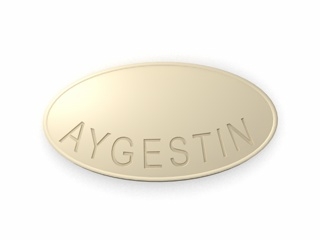
- Common strengths: Available in tablet form (strengths may vary by brand presentation)
- How it is usually supplied: Oral tablets
Note: Always check your specific pack for the exact strength and directions.
How Aygestin works (mechanism of action)
Norethindrone acetate is converted in the body to an active form that has progestogenic effects. In many uses, Aygestin:
- Stabilises and thins the endometrium (the lining of the uterus), reducing excessive or abnormal bleeding.
- Helps regulate the menstrual cycle by shifting hormonal signalling in the brain and uterus.
- Opposes estrogen effects on the uterine lining, which can help prevent overgrowth of endometrial tissue.
In some conditions, this hormonal control can relieve symptoms such as heavy menstrual bleeding, irregular bleeding, or bleeding related to hormonal imbalance.
Pharmacokinetics (how the body handles the medicine)
“Pharmacokinetics” describes how Aygestin is absorbed, processed, and eliminated.
- Absorption: Norethindrone acetate is absorbed from the gastrointestinal tract after you take the tablet.
- Metabolism: It is metabolised in the liver. Like many steroid hormones, it can undergo hormone transformation into active and inactive metabolites.
- Distribution: The medicine distributes throughout body tissues, including hormone-sensitive tissues.
- Elimination: Metabolites are eliminated primarily via urine and faeces.
- Half-life: The effective duration of action is influenced by metabolism and the specific hormonal effect needed. Individual response varies.
If you have liver problems, the way the medicine is processed may be affected, and dosing may need careful consideration by your doctor.
Typical uses (indications)
Aygestin is used for several hormone-related gynaecological conditions. Common indications may include:
- Control of abnormal uterine bleeding, including bleeding due to hormonal imbalance.
- Endometriosis-related symptoms in some treatment plans (symptom control and bleeding management).
- Suppression of the endometrium in conditions where reducing uterine lining activity is beneficial.
- Other uterus-related progestogen-responsive conditions as determined by your healthcare provider.
Important: The best use depends on your diagnosis, age, medical history (including clot or liver risk), and whether you are using other hormone therapies.
Dosing — general principles
Dosing of Aygestin varies by the condition being treated and your response to therapy. Your pack instructions and your clinician’s plan should be followed carefully.
General timing approach often used in practice:
- Once daily or divided dosing depending on the dose prescribed and the condition.
- Sometimes taken in cycles for bleeding control (for example, for a set number of days).
- May be adjusted if bleeding persists or side effects occur.
Do not change the dose without medical advice. If you miss doses, see the “Practical use tips” section for guidance.
When to take Aygestin (timing and consistency)
Aygestin tablets are taken by mouth. To help maintain steady hormone levels and reduce breakthrough bleeding:
- Choose a time of day that you can remember (morning or evening).
- Try to take it at the same time each day.
- Use reminders if needed.
If you are taking Aygestin as part of a short course or cycle, follow the exact schedule provided for your situation.
Food interactions
Most people can take norethindrone acetate with or without food. Food typically does not significantly reduce effectiveness for many hormone tablets.
That said, to support consistent absorption and minimise stomach upset:
- Take with a glass of water.
- If nausea occurs, consider taking with food (unless your clinician advised otherwise).
If you have ongoing gastrointestinal issues or you are taking multiple medicines, check with your pharmacist for individual advice.
Alcohol and medicine interactions
Alcohol: Moderate alcohol intake may not directly interfere with Aygestin in most people. However, alcohol can worsen side effects such as dizziness, headaches, mood changes, and can affect the liver. For safety, it’s best to keep alcohol to moderate levels and discuss with a clinician if you have liver disease or frequent heavy drinking.
Medicine interactions: Some medicines can change hormone levels by affecting liver enzymes. Examples (not exhaustive) include:
- Some anticonvulsants (antiepileptic medicines) that induce liver enzymes
- Some antibiotics or antifungals that affect metabolism pathways
- HIV and hepatitis medicines (certain antiviral regimens)
- Herbal products, especially St John’s wort (Hypericum perforatum), which may reduce hormone effectiveness
Always tell your pharmacist or doctor about:
- All medicines you take (including over-the-counter products)
- Herbal supplements
- Recent changes to your medications
Warfarin and anticoagulants: Progestogens can affect blood clotting factors indirectly and may influence bleeding risk depending on the underlying condition. If you take anticoagulants, you should receive personalised advice.
Safety profile — side effects and warnings
Like other hormone medicines, Aygestin can cause side effects. Many are mild and settle after your body adjusts. However, some symptoms may indicate a serious problem and require prompt medical attention.
Common side effects
- Irregular bleeding or spotting (especially in the first months)
- Changes in menstrual pattern
- Breast tenderness
- Headache
- Nausea or bloating
- Mood changes
- Acne or oily skin
- Fluid retention
Less common but important risks
- Blood clots (thromboembolism): Some progestins may increase risk, particularly if combined with other risk factors (e.g., smoking, history of clots, inherited clotting disorders, immobility, certain medical conditions).
- Liver problems: Steroid hormones are processed by the liver. Serious liver issues are uncommon but require urgent assessment.
- Cardiovascular risk: Risk can be higher in people with existing cardiovascular disease or multiple risk factors.
- Depression or mood changes: Report new or worsening mood symptoms promptly.
Seek urgent medical attention if you experience
- Signs of a clot: sudden leg swelling/pain, chest pain, coughing blood, sudden shortness of breath, sudden weakness or numbness on one side, sudden trouble speaking
- Severe abdominal pain or jaundice (yellowing of skin/eyes)
- Severe headache with vision changes
- Very heavy bleeding or bleeding with dizziness/fainting
If you’re unsure whether symptoms are serious, it’s safer to seek medical advice promptly.
Practical use tips (helpful day-to-day guidance)
Starting Aygestin
- Start according to your scheduled plan.
- Keep track of your bleeding pattern (date, amount, and symptoms) during the first weeks.
- Stay consistent—skipping doses can increase irregular bleeding.
If you miss a dose
Missed-dose guidance can depend on your prescribed regimen and how long it has been since your last tablet. In general:
- If you remember soon after the missed dose, take it when you remember.
- If it’s close to the next dose, skip the missed dose and continue with your usual schedule.
- Do not double up unless your clinician or pharmacist specifically advises it.
Because Aygestin may be used in different schedules (including cycles), the safest approach is to ask your pharmacist for advice tailored to your dosing plan.
When to monitor yourself
- Bleeding: watch for unexpected heavy bleeding or persistent spotting.
- Mood changes: new depression, anxiety, or severe irritability should be discussed.
- Headaches: report severe or unusual headaches.
- Other symptoms: breast lumps, severe abdominal pain, or jaundice should be assessed urgently.
Contraception and pregnancy considerations
Hormonal progestogens may affect bleeding patterns, but they are not reliably used for contraception in all circumstances. If pregnancy is possible, discuss appropriate contraceptive options with your pharmacist or clinician.
Alternative options
Depending on your diagnosis, there may be other treatment options. Alternatives commonly include:
- Other hormonal therapies: different progestogens or combined hormone regimens (as appropriate to your situation).
- Non-hormonal approaches: medicines that help reduce bleeding or treat underlying causes.
- Procedural or device options: such as intrauterine systems used for endometrial management (where clinically suitable).
- Surgical options: reserved for specific structural problems or when other treatments are not suitable.
The “best” alternative depends on the cause of your symptoms—such as fibroids, endometriosis, hormonal imbalance, or other uterine conditions—so it’s important to match treatment to diagnosis.
Market and legal context for Australia
In Australia, medicines are regulated by the TGA (Therapeutic Goods Administration). Availability, prescribing requirements, and supply rules depend on classification, indications, and local product listings.
For safety and compliance, pharmacies follow Australian medicine distribution standards, including:
- Checking identity and supply requirements
- Ensuring correct product selection and strength
- Providing appropriate consumer medicine information where available
- Encouraging counselling on side effects and interactions
Regulatory note: Product availability can change over time due to supply, packaging updates, or listing status. If a specific strength or presentation is temporarily unavailable, your pharmacy may contact you about alternatives.
Recent guidance and clinical considerations
Clinical guidance for progestogen therapy may emphasise:
- Individual risk assessment (e.g., personal/family history of clotting, liver disease, migraines with aura, smoking status, and cardiovascular risk factors)
- Monitoring bleeding patterns and re-evaluating if bleeding is persistent, unusually heavy, or causes anaemia
- Choosing the lowest effective dose for the shortest duration consistent with treatment goals
- Reviewing interactions with enzyme-inducing medicines and herbal products
Because recommendations may evolve, your pharmacist or clinician can confirm the most up-to-date approach for your condition and personal risk profile.
Delivery and availability (online pharmacy Australia)
Aygestin may be available through approved Australian pharmacies depending on supply and stock levels. Availability can vary by:
- Tablet strength and pack size
- Current national supply conditions
- Distribution timing and prescription/medication requirements for the specific product in Australia
Delivery expectations:
- Orders are typically dispatched after payment verification and availability confirmation.
- Delivery times vary by location and shipping method.
- Tracking details are often provided so you can monitor progress.
Packaging: Medicines are generally delivered in sealed packaging with product identification and expiry information.
If the item is out of stock, the pharmacy may offer:
- A similar strength/presentation (if appropriate)
- A short delay or backorder arrangement
- Another suitable hormonal option, depending on your treatment plan
FAQ — Common questions about Aygestin
1) What is Aygestin used for?
Aygestin (norethindrone acetate) is used for hormone-responsive uterine conditions, most commonly to help manage abnormal uterine bleeding and other conditions where progestogen therapy is appropriate. Your exact use depends on your diagnosis.
2) How long does Aygestin take to work?
Some people notice improvement in bleeding patterns within days to weeks. For others, it may take longer—especially if your body needs time to adjust to hormonal changes. If bleeding remains heavy or unusual, seek medical review.
3) Will Aygestin cause spotting?
Spotting or irregular bleeding can occur, particularly early in treatment. If bleeding becomes very heavy, lasts a long time, or you feel unwell, contact a healthcare professional promptly.
4) Can I take Aygestin with food?
Yes. Many people take it with or without food. If you experience nausea, taking it with food may help. Keep timing consistent for best results.
5) Are there interactions with other medicines?
Yes, some medicines can change hormone levels. Inform your pharmacist about all medicines and supplements, including herbal products like St John’s wort. If you take anticonvulsants, antivirals, antifungals, or anticoagulants, ask for interaction checks.
6) Is it safe to drink alcohol?
Moderate alcohol may not directly affect Aygestin for most people. However, alcohol can worsen side effects and affect liver health. If you drink heavily or have liver disease, discuss with your clinician.
7) What should I do if I miss a tablet?
Follow pharmacist or label advice for your specific regimen. Often, you take it when remembered unless it’s close to the next dose, and do not double unless instructed. Because dosing schedules differ, ask your pharmacist for guidance.
8) What are warning signs I should not ignore?
Seek urgent medical help if you have signs of a blood clot (chest pain, sudden shortness of breath, leg swelling), jaundice, severe abdominal pain, or severe headache with neurological symptoms.
9) Are there alternatives to Aygestin?
Yes. Depending on the reason you’re taking Aygestin, alternatives may include other hormone therapies, non-hormonal treatments, or devices/procedures. Your doctor or pharmacist can help match options to your condition.
10) Where can I find more information?
You can ask your pharmacist for consumer medicine information specific to the product you receive and discuss your medical history and current medicines to ensure safe use.
Summary
Aygestin (norethindrone acetate) is a progestogen tablet used to treat certain uterine and hormone-related conditions, especially abnormal uterine bleeding. It works by stabilising the uterine lining and counterbalancing estrogen’s effects. Like all hormone medicines, it can cause side effects and has specific safety considerations—particularly around clot risk, liver health, and drug interactions. For best results, take your tablet at the same time each day, monitor bleeding changes, and seek prompt medical help if you experience severe or worrying symptoms.