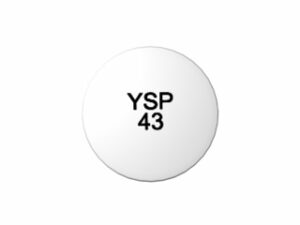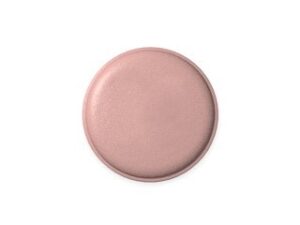



Rabeprazole (Rabeprazole Sodium) – Patient Information (Australia)
Rabeprazole (also written as rabeprazole sodium) is a medicine used to reduce stomach acid. It belongs to a group of medicines called proton pump inhibitors (PPIs). Rabeprazole is used for conditions such as heartburn (reflux), gastro-oesophageal reflux disease (GORD), and stomach or duodenal ulcers.
This page explains how rabeprazole works, how to take it, important safety information, interactions, and practical tips for living with reflux and acid-related conditions. It is written to be patient-friendly and is suitable for online pharmacy information in Australia.
Quick Facts
- Medicine: Rabeprazole (rabeprazole sodium)
- Group: Proton pump inhibitor (PPI)
- Main use: Reduces stomach acid
- Common conditions: Reflux/heartburn, GORD, ulcers (including H. pylori regimens)
- Typical dosing: Often once daily (dose depends on condition)
- Onset: Acid control begins quickly, but full benefit may take several days
Basic Product Information
| Category | Details |
|---|---|
| Generic name | Rabeprazole (as rabeprazole sodium) |
| Medicine type | Proton pump inhibitor (PPI) |
| What it does | Reduces acid production in the stomach |
| Common forms | Tablets/capsules depending on brand and strength available in Australia |
| Strengths | Available strengths vary by product/brand (commonly 10 mg or 20 mg for reflux-related use) |
How Rabeprazole Works (Mechanism of Action)
Rabeprazole works by blocking the proton pump in the lining cells of the stomach. These pumps are responsible for producing hydrochloric acid. By inhibiting the pump, rabeprazole reduces acid secretion.
Key points about its action:
- More effective with daily use: PPIs like rabeprazole are designed to be taken regularly to achieve strong and sustained acid reduction.
- Pro-drug activation: Rabeprazole is converted into an active form in the acidic environment of the stomach.
- Not an instant “neutraliser”: It reduces acid production rather than directly neutralising existing acid.
Pharmacokinetics (How the Body Handles It)
Understanding how rabeprazole behaves in the body can help you use it correctly.
- Absorption: Rabeprazole is absorbed after oral dosing. The medicine’s activity depends on the acidic environment for activation.
- Time to peak effect: Blood levels rise after dosing, and acid suppression begins within about the first day for many people. Maximum benefit may take several days of consistent use.
- Metabolism: Rabeprazole is metabolised mainly by liver enzymes (including CYP pathways).
- Excretion: It is eliminated mostly through metabolism and excretion of breakdown products.
- Duration of action: Even though the drug level declines over time, its effect on the proton pumps can persist, supporting once-daily dosing for many indications.
Note: Individual response can vary depending on the condition being treated, timing of doses, and other medicines taken.
Typical Uses and Indications
Rabeprazole is used to treat conditions related to excess stomach acid. Depending on the specific condition, it may be used alone or in combination with other medicines.
Common indications
- GORD (gastro-oesophageal reflux disease) and heartburn symptoms
- Erosive oesophagitis (damage/irritation of the oesophagus from acid reflux)
- Gastric (stomach) and duodenal ulcers
- H. pylori infection (typically as part of an “eradication” regimen with antibiotics and acid suppression)
- Zollinger–Ellison syndrome and other conditions involving excessive acid production
In Australia, availability and dosing schedules may differ based on whether a product is used for over-the-counter short-term reflux relief or for longer-term medical management under a clinician’s guidance. Always follow the instructions provided with your specific product.
When to Take Rabeprazole (Timing)
Timing is important for PPIs because they work best when the stomach is preparing to produce acid.
- Best time: Usually taken once daily in the morning, typically 30 minutes before food (or as directed on your product label).
- If you take it at night: If advised for your condition, take it before dinner or before bedtime as instructed. Follow professional advice for your schedule.
- Consistency matters: Take it at the same time each day.
- How long it takes to help: Many people feel better within a few days, but full healing of reflux-related inflammation or ulcers can take longer (weeks), depending on severity.
Missed dose: If you miss a dose, take it when you remember unless it is close to the next dose. Do not take double the dose.
Food Interactions and Practical Eating Tips
Food can affect how well rabeprazole works. Because it is activated in the stomach, it is generally recommended to take it before meals.
Food and drink
- Take before food: Aim for 30 minutes before eating for best effect.
- With or without food: Some people may be advised that it can be taken with food if needed; however, for maximum acid suppression, the pre-meal approach is preferred in most product instructions.
- What about meals during treatment? Continue a normal diet but consider reflux-friendly habits (smaller meals, avoiding late-night eating).
Common reflux triggers to consider
- Large or fatty meals
- Chocolate, peppermint, and spicy foods (for some people)
- Tomato-based foods and citrus (for some people)
- Alcohol and caffeine (for some people)
- Eating within 2–3 hours of lying down
Alcohol Interactions
Rabeprazole does not directly “react” with alcohol in the way some medicines do, but alcohol can worsen reflux symptoms.
- Reflux may increase: Alcohol can irritate the oesophagus and relax the valve between the stomach and oesophagus, increasing heartburn.
- Ulcer risk: In people with ulcers, heavy alcohol intake may delay healing and increase irritation.
- Practical advice: If you notice alcohol worsens symptoms, consider reducing intake or avoiding it during treatment, especially in the early weeks.
If you drink alcohol regularly or heavily, discuss it with a healthcare professional, particularly if you have ulcer disease, bleeding concerns, or frequent reflux symptoms.
Medicine Interactions (Including Common Ones)
Interactions may occur because reducing stomach acid can affect how other medicines are absorbed and how the stomach environment supports certain drugs.
Important interaction considerations
- Some medicines require stomach acid to absorb well: Reduced acid may decrease absorption of certain drugs.
- Specific anti-platelet medicines: There are complex considerations with some medicines used to prevent blood clots (e.g., clopidogrel). Your clinician/pharmacist can advise the best timing or alternative.
- Antifungals: Some antifungal medicines may have absorption affected by changes in stomach acidity.
- HIV medicines: Some treatments may interact depending on the exact regimen.
- Other acid medicines: Combining with antacids or H2 blockers may be used in some cases, but follow product directions and seek advice for long-term combined use.
Antacids and symptom relief
Antacids (e.g., calcium carbonate) may provide quicker, short-term relief for breakthrough heartburn. They are often used alongside PPIs, but:
- Consider spacing doses if you’re unsure.
- Do not exceed antacid label directions.
- Seek advice if you need frequent symptom relief or your symptoms persist.
Always check your medicines
Before starting rabeprazole, review your current medicines and supplements with your pharmacist or doctor—especially if you are taking multiple medicines, have kidney/liver disease, or use long-term therapy.
Dosage and How to Use Rabeprazole
Dose depends on the condition being treated, symptom severity, and response to therapy. Always use the dose on your product label or as directed by your healthcare professional.
Below are general dosing ranges commonly used for reflux and acid-related conditions. Actual dosing may vary by product and indication.
Typical adult dosing (general information)
- Reflux/heartburn and GORD: Often taken 10 mg once daily or 20 mg once daily depending on symptom control and product strength.
- Erosive oesophagitis: May require 20 mg once daily (or higher in some clinical scenarios) for a longer healing course.
- Ulcer treatment: Dose and duration vary; common approaches include 20 mg once daily, sometimes with different regimens.
- H. pylori eradication regimens: Rabeprazole is usually combined with two antibiotics and continued acid suppression for a set number of days, depending on local protocols.
- Zollinger–Ellison syndrome: Doses may be higher and tailored, often requiring specialist management.
Duration of treatment
- Short-term reflux symptoms: Many people are treated for a limited period. If symptoms continue, further assessment is important.
- Ulcers and erosive disease: Typically require longer courses to heal and reduce recurrence.
- Do not stop early: Stopping too soon may lead to symptom return.
Children: Dosing depends on age/weight and indication. Only use paediatric dosing if recommended for the specific product and situation.
Safety Profile and Side Effects
Most people tolerate rabeprazole well. However, like all medicines, it can cause side effects in some individuals.
Common side effects
- Headache
- Diarrhoea or constipation
- Nausea, abdominal discomfort, or bloating
- Dizziness in some people
Seek urgent medical attention if
- Signs of an allergic reaction (e.g., swelling of face/lips, rash, trouble breathing)
- Severe or persistent vomiting
- Blood in vomit or black/tarry stools
- Unexplained weight loss or trouble swallowing
- Chest pain or symptoms that could be unrelated to reflux
Long-term use considerations
When PPIs are used for months to years, potential risks should be discussed with a healthcare professional. Possible long-term considerations include:
- Vitamin/mineral effects: Reduced acid can affect absorption of some nutrients in certain people.
- Infections: Stomach acid plays a role in infection control; reduced acid may increase susceptibility to some gastrointestinal infections.
- Bone health: Long-term PPI therapy has been studied in relation to fracture risk; individual risk depends on many factors.
- Magnesium: Rarely, low magnesium can occur with prolonged use, which may require monitoring.
Do not take longer than needed: If you are using rabeprazole regularly, ask a pharmacist or doctor about the lowest effective dose and appropriate review of ongoing therapy.
Practical Use Tips (Lifestyle + Medicine)
For best results, combine rabeprazole with reflux-friendly habits.
Taking it correctly
- Morning routine: Take it before breakfast to match how acid secretion works.
- Keep consistent: Take every day at the same time.
- Do not crush/chew: Follow tablet/capsule instructions on the packaging. Some formulations should not be crushed.
Reducing reflux triggers
- Avoid large meals; consider smaller portions
- Stop eating at least 2–3 hours before lying down
- Elevate the head of your bed if nighttime reflux occurs
- Maintain a healthy weight if recommended
- Avoid smoking, which can worsen reflux
Managing breakthrough symptoms
- Use quick-acting symptom relief strategies as advised (often antacids)
- If you need frequent extra medication, review the treatment plan with a pharmacist/doctor
- Persistent symptoms may require assessment for other causes
Alternative Options
If rabeprazole isn’t suitable or isn’t controlling symptoms, there are alternatives. Your best choice depends on your diagnosis, symptom pattern, and medical history.
Other PPIs
- Omeprazole
- Esomeprazole
- Pantoprazole
- Lansoprazole
These medicines work in the same class but differ slightly in metabolism and effectiveness for individuals. If switching, timing and dose adjustments should be guided by a pharmacist or doctor.
H2 receptor antagonists (H2 blockers)
- Famotidine (availability may vary by product/strength)
H2 blockers can help some people, particularly for milder or more occasional symptoms, but PPIs are generally more effective for frequent or erosive reflux.
Antacids and alginate-based products
- Antacids for fast, short relief
- Alginate preparations (often forming a barrier) for reflux episodes
These can be helpful for breakthrough symptoms but do not provide the same acid-control as PPIs.
Non-medicine approaches
- Dietary adjustments
- Sleep position and bed elevation
- Weight management
- Evaluating medications that can worsen reflux (e.g., some pain relievers)
Australia Market & Legal Context (General Information)
In Australia, proton pump inhibitors and reflux medicines are supplied under established pharmacy and medicines regulations. Product availability can vary depending on:
- Formulation strength (some strengths may be available for short-term use in pharmacies)
- Whether a product is for over-the-counter use versus medicines managed under clinician direction
- Brand and pack size
To support safe use, pharmacists may ask questions about your symptoms and medicines, and may recommend when it is appropriate to seek medical assessment rather than self-manage. If your symptoms are severe, persistent, or associated with red flags (such as weight loss, difficulty swallowing, vomiting blood, or black stools), you should seek medical evaluation promptly.
Pharmacovigilance: As with all medicines in Australia, side effects can be reported through appropriate channels to help monitor safety. If you experience unexpected symptoms, talk to a pharmacist.
Recent Guidance and Ongoing Considerations
Clinical guidance for reflux and acid-related conditions often emphasises:
- Correct timing of PPIs (typically before meals)
- Reassessment after an initial course, particularly if symptoms persist
- Using the lowest effective dose for the shortest necessary duration
- Reviewing long-term therapy to ensure benefits continue to outweigh risks
- Checking for alarm symptoms and considering further evaluation when present
Because recommendations can be updated as new evidence emerges, your pharmacist or doctor can advise on the most appropriate approach for your circumstances.
Delivery and Availability (Australia)
Rabeprazole is widely available through pharmacies and approved online pharmacy services in Australia, depending on brand, strength, and whether a product is classified for over-the-counter supply or restricted distribution.
What to expect with online purchasing
- Stock availability: Can vary by brand and strength.
- Packaging: Medicines are supplied in original packaging as required.
- Delivery times: Depend on the pharmacy service and your location within Australia.
- Tracking: Many services provide tracking updates.
If your symptoms require urgent assessment, do not delay care while waiting for delivery. If you are unsure which strength or duration suits your situation, contact a pharmacist.
FAQ
1) How quickly does rabeprazole work?
Many people notice improvement within a few days. However, PPIs work by reducing acid production over time, so complete symptom control (especially for inflammation) may take several days and, for healing, sometimes several weeks depending on the condition.
2) Should I take rabeprazole before or after meals?
For best results, take rabeprazole before food, commonly 30 minutes before breakfast, unless your product label or pharmacist advises otherwise.
3) Can I drink alcohol while using rabeprazole?
You can, but alcohol may worsen reflux symptoms and irritate the oesophagus. If you notice alcohol triggers your heartburn, reducing or avoiding alcohol during treatment can help.
4) Are there any foods I should avoid?
No specific food is universally forbidden, but reflux commonly worsens with large meals, fatty foods, spicy foods, chocolate, peppermint, and eating late at night. Keep track of your triggers and adjust your diet accordingly.
5) Can I take antacids with rabeprazole?
Often yes, antacids may be used for short-term breakthrough relief. Follow antacid label directions and consult a pharmacist if you need them frequently or if symptoms don’t improve.
6) What side effects should I watch for?
Common side effects include headache and stomach upset (diarrhoea/constipation). Seek urgent care if you develop allergic symptoms, black/tarry stools, vomiting blood, severe persistent vomiting, or trouble swallowing.
7) Is rabeprazole safe for long-term use?
Many people use PPIs safely, but long-term therapy should be regularly reviewed. Discuss with a pharmacist or doctor the lowest effective dose and the need for ongoing treatment, particularly if you plan to take it for many months.
8) What if I forget a dose?
Take it when you remember unless it is almost time for the next dose. Do not double up.
9) Can I stop rabeprazole suddenly?
Some people may experience rebound acid symptoms after stopping. If you have been taking rabeprazole for a prolonged period, ask a pharmacist or doctor about the safest way to stop or step down.
10) When should I see a doctor rather than self-treat?
Get medical advice promptly if you have alarm symptoms such as:
- Unintentional weight loss
- Difficulty swallowing or painful swallowing
- Vomiting blood
- Black/tarry stools
- Persistent symptoms despite a proper trial
- Chest pain that could be heart-related
Important: This information is general and may not apply to everyone. If you have ongoing symptoms, complex medical conditions, or take multiple medicines, speak with a pharmacist or doctor for personalised advice.