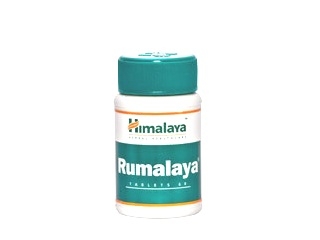
Rumalaya (Capsules) – Patient Information for Australia
Rumalaya is a herbal medicine commonly used in Australia to help relieve pain and inflammation associated with everyday aches and musculoskeletal discomfort. Many people use it as a supportive option for conditions such as osteoarthritis-type pain and joint and muscular discomfort.
This page explains how Rumalaya works, how it is typically taken, important safety information, and practical tips to help you use it effectively. Always read the product label and follow the advice of your healthcare professional when needed.
Basic product information
- Product name: Rumalaya
- Dosage form: Capsules (commonly supplied as film-coated or herbal capsules depending on brand presentation)
- Typical ingredients: A blend of herbal actives (composition can vary slightly by formulation and local product presentation)
- Uses (general): Supportive relief of pain and inflammation related to joints and muscles
- How supplied: Sold through retail pharmacies and online dispensaries in compliance with Australian regulations
Important: Ingredient lists and strengths can vary between versions and markets. Please check the exact ingredients and directions on your specific pack.
How Rumalaya works (mechanism of action)
Rumalaya is designed to reduce discomfort linked to inflammation and soft tissue irritation. Its herbal components are believed to help through a combination of effects, such as:
- Anti-inflammatory activity: Helps calm inflammatory pathways involved in swelling, redness, and pain.
- Pain modulation: May reduce pain signals associated with joint and muscle inflammation.
- Antioxidant support: Some herbal constituents are studied for antioxidant effects, which may help protect tissues from oxidative stress.
While the exact mechanism can differ among herbal formulations, the overall goal is to support relief of musculoskeletal pain and improve day-to-day comfort.
Pharmacokinetics (how the body processes it)
For herbal products, pharmacokinetic (PK) data can be less extensive than for single-molecule pharmaceuticals. However, general considerations for multi-ingredient herbal medicines include:
- Absorption: Active constituents may be absorbed through the gastrointestinal tract after oral administration.
- Distribution: Plant-derived compounds and metabolites can distribute to tissues, including areas affected by inflammation.
- Metabolism: Many herbal constituents are metabolised in the liver and other tissues.
- Elimination: Metabolites are typically eliminated via bile and/or urine.
Practical takeaway: Herbal medicines may not act instantly like some fast-acting pain relievers. Many people notice changes over several days, while others may take longer depending on the nature of their symptoms.
Typical use and indications
Rumalaya is commonly used for supportive relief of:
- Joint discomfort (e.g., stiffness and aching associated with osteoarthritis-type symptoms)
- Muscle pain and minor aches
- Inflammation-associated pain related to everyday wear and tear
- General musculoskeletal discomfort that may affect mobility and comfort
The specific indication wording on Australian packaging may differ from the examples above. For the most accurate guidance, refer to the product carton label and consumer information sheet.
When and how to take Rumalaya (timing)
Follow the dosing instructions on your label or as directed by a healthcare professional. Typical approaches include:
- Consistency matters: Take Rumalaya at the same times each day.
- On regular days: Many people use it during periods of ongoing discomfort (e.g., flare-ups or daily symptoms).
- Notice period: It may take several days to appreciate the full benefit.
If you are using other pain relief medicines, consider spacing them as advised by your healthcare professional to help you understand which treatments are helping.
Dosing (general guidance)
Exact dose depends on the specific product strength and label directions. The following provides general consumer guidance commonly seen with Rumalaya capsule formulations:
- Adults: Typically taken in divided doses (often 1 capsule more than once daily), depending on the label.
- Children: Use in children should be assessed carefully—check the product label and consult a clinician if unsure.
- Missed dose: Take the missed dose when you remember unless it is close to the next dose. Do not double up.
Always check your pack: For the most accurate dosing, use the directions printed on the specific Rumalaya product you have.
Food interactions
Many users can take Rumalaya with or without food. However, for herbal products, food can influence comfort and absorption.
- With meals: Taking Rumalaya after food may reduce the chance of stomach upset for some people.
- Empty stomach: If you experience nausea or discomfort, switch to taking it with a meal.
- Grapefruit/strong herbal mixes: If your formula includes components that may be affected by metabolism pathways, avoid starting other new supplements at the same time without advice.
Tip: Keep a consistent routine. If you take it with breakfast today, continue with breakfast unless your label says otherwise.
Alcohol interactions
Alcohol can irritate the stomach and can worsen inflammation or pain in some individuals. There is usually limited information about specific interactions between Rumalaya herbal components and alcohol.
- For best comfort: It’s generally advised to limit or avoid alcohol while you’re using pain and inflammation medicines.
- Watch for side effects: If you notice increased dizziness, stomach upset, or unusual symptoms after drinking alcohol, consider avoiding alcohol and seek advice.
Interactions with other medicines
Herbal medicines can interact with other treatments, mainly by affecting how the body metabolises substances or by increasing/lowering effects. The risk varies with your personal health, other medicines, and the exact formulation.
Be cautious if you take any of the following categories (examples below are not exhaustive):
- Anticoagulants/antiplatelet medicines (blood thinners)
- Anti-inflammatory medicines or other pain relievers
- Diabetes medicines or lipid-lowering medicines
- Immunosuppressants (conditions requiring immune suppression)
- Liver-related medications or conditions affecting liver function
- Other herbal supplements (to avoid stacking overlapping ingredients)
What to do: If you take regular medicines (especially for chronic conditions), consult a pharmacist or healthcare professional before starting Rumalaya.
Safety profile and side effects
Many people tolerate Rumalaya well when used as directed. However, herbal products can still cause adverse effects or allergic reactions. Always stop use and seek advice if you experience concerning symptoms.
Common or mild side effects
- Gastrointestinal discomfort (e.g., nausea, mild stomach upset)
- Headache or dizziness (uncommon, but possible)
- Loose stools (occasionally)
Serious or allergy warning signs
Seek urgent medical attention if you develop symptoms of a severe allergic reaction, such as:
- Swelling of the face, lips, tongue, or throat
- Difficulty breathing or wheezing
- Hives, rash that spreads quickly, or fainting
Who should be extra cautious
- Pregnancy or breastfeeding: Use only with professional advice due to limited safety data.
- Liver disease: Discuss with a clinician before use.
- History of allergies: Check ingredients carefully and stop if reactions occur.
- People taking multiple medications: Ask about possible interactions.
Practical use tips (getting the best results)
- Give it time: Many inflammatory or joint-related benefits are gradual. Monitor symptoms over at least a few days.
- Track your response: Note pain score, stiffness, or mobility (e.g., morning stiffness duration) to see if it helps.
- Use a supportive lifestyle approach: Gentle stretching, strength training, and appropriate mobility work often improve joint function.
- Heat or cold therapy: Heat can help stiffness; cold can help acute flare pain. Use alongside Rumalaya if safe for you.
- Avoid “stacking” too many herbs: Taking multiple herbal anti-inflammatory products at the same time can increase side effect risk.
If your symptoms worsen, you develop new swelling, fever, redness, or severe pain, seek medical advice promptly.
Alternative options
Depending on the cause and severity of your discomfort, options may include:
Non-medicine alternatives
- Physiotherapy or tailored exercise programs
- Weight management (if relevant) and ergonomic adjustments
- Hot/cold treatments and massage therapy
- Assistive devices for joints (e.g., braces or supportive footwear)
Other medicine options
- Topical analgesics (e.g., gels/creams that target local pain)
- Oral pain relievers used appropriately (as advised by a pharmacist/doctor)
- Other complementary medicines with different ingredient profiles
If you have ongoing or progressive joint symptoms, a healthcare professional can help identify the underlying cause and select the most appropriate approach.
Australia: market and legal context
In Australia, herbal and complementary medicines must meet regulatory requirements and are generally supplied through categories such as:
- Registered medicines with specific indications (where applicable)
- Listed complementary medicines with consumer-focused statements about intended use
Product availability can vary by formulation and regulatory status. Online pharmacies in Australia aim to supply goods that comply with relevant Australian legislation, including requirements for quality, labelling, and safe supply.
When comparing brands, always check:
- The active ingredients and strength
- The approved indications/claims on the pack
- The recommended dosage and contraindications
- Expiry date and storage instructions
Recent guidance: Australian health agencies commonly remind consumers to:
- Read labels carefully
- Seek advice if you are pregnant, breastfeeding, have chronic conditions, or take other medicines
- Report side effects and stop use if adverse reactions occur
Delivery and availability in Australia
Rumalaya is widely available through online pharmacy channels in Australia subject to stock levels and shipping constraints. Delivery times vary depending on your location and the courier used.
- Availability: Typically stocked in most major cities, with delivery subject to regional service levels.
- Packaging: Usually supplied in sealed containers to maintain product integrity.
- Storage: Store as directed on the label (commonly in a cool, dry place, away from direct sunlight).
If you need the product urgently, check the website for current dispatch times and shipping estimates at checkout.
How to store and handle Rumalaya
- Keep capsules in their original packaging.
- Store below the temperature stated on your label.
- Keep away from moisture and humidity (avoid bathrooms if advised against by the label).
- Keep out of reach of children.
FAQ – Rumalaya in Australia
1) What is Rumalaya used for?
Rumalaya is typically used for supportive relief of pain and inflammation associated with musculoskeletal discomfort, including joint and everyday aches. Follow the exact intended-use statement on your product label.
2) How long does Rumalaya take to work?
Many people notice gradual improvement over several days. If you don’t feel any benefit after a reasonable trial (and you’re using it as directed), consult a pharmacist or healthcare professional to reassess your options.
3) Can I take Rumalaya with food?
Often you can. If you have a sensitive stomach, taking it after meals may improve tolerance. Use the label directions for your specific product.
4) Should I avoid alcohol?
It’s generally best to limit alcohol while using pain and inflammation treatments, as alcohol can worsen stomach irritation and potentially influence how you feel. If you notice side effects after alcohol, avoid it and seek advice.
5) Can Rumalaya interact with other medicines?
Herbal products can interact with other medicines. If you take blood thinners, anti-inflammatory medications, immunosuppressants, diabetes or cholesterol medicines, or have liver issues, check with a pharmacist before starting Rumalaya.
6) Is Rumalaya safe for everyone?
Not necessarily. Extra caution is needed for pregnancy or breastfeeding, people with liver disease, and anyone with a history of allergies or those taking multiple medicines. Always check the label and seek professional advice if unsure.
7) What should I do if I miss a dose?
Take it when you remember unless it’s close to your next dose. Do not take double doses.
8) Are there any warning signs that mean I should stop?
Stop use and seek advice if you develop signs of allergy (rash, swelling, trouble breathing) or persistent or severe side effects such as significant stomach pain or worsening symptoms.
9) What are some alternatives if Rumalaya isn’t enough?
Depending on your symptoms, alternatives may include topical pain relief, other oral options used appropriately, physiotherapy, exercise programs, or heat/cold therapy. A healthcare professional can help tailor choices to your situation.
10) Is Rumalaya available for delivery across Australia?
Availability and shipping depend on stock and your location. Check the website for current delivery options, dispatch time, and any regional restrictions.
Important note
This information is intended to help you understand Rumalaya and how it is commonly used. It does not replace advice from a healthcare professional. If your pain is severe, persistent, associated with injury, or accompanied by swelling, fever, or other concerning symptoms, seek medical advice promptly.