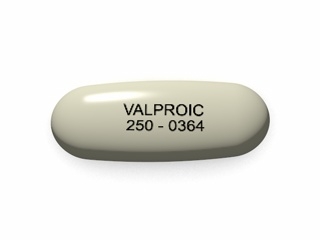

Valparin® (Valproic Acid) – Patient Information (Australia)
Valparin® is a brand of valproic acid, an anti-epileptic medicine used to help control seizures and, in some cases, treat other conditions. This guide is written to help you understand how Valparin works, how it’s usually taken, and what to consider for safety. Always follow the instructions provided with your medicine and ask your healthcare professional if you have questions.
Basic product information
- Active ingredient: Valproic acid (a type of valproate)
- Brand examples: Valparin® (forms may vary by local availability)
- Common uses: Epilepsy/seizure disorders; and selected other conditions as advised by a clinician
- How it’s taken: Usually by mouth (tablet/capsule/syrup/other formulations depending on country stock)
- Typical dosing frequency: Often once or twice daily depending on formulation and regimen
In Australia, valproate-containing medicines are closely monitored due to safety considerations in specific groups (particularly during pregnancy). Your prescriber and pharmacist will provide guidance tailored to your situation.
How Valparin works (mechanism of action)
Valproic acid helps stabilise brain activity. While the exact mechanism is complex, it is known to:
- Increase inhibitory signalling in the brain (particularly through effects on GABA, an inhibitory chemical messenger).
- Modulate neuronal firing by influencing sodium and calcium channels.
- Alter neurotransmission involved in seizure activity.
The overall effect is a reduction in the likelihood of abnormal electrical activity that causes seizures. For mood-related indications (when used), it may also influence pathways involved in mood regulation.
Pharmacokinetics (how the body handles the medicine)
Pharmacokinetics describes absorption, distribution, metabolism, and elimination. Key points for valproic acid include:
| Process | What typically happens with valproic acid |
|---|---|
| Absorption | Valproic acid is absorbed after oral dosing. Absorption may vary by formulation (e.g., immediate-release vs modified-release). |
| Time to effect | For seizure control, benefit depends on consistent daily dosing. Mood-related effects (if used) may take time to become noticeable. |
| Distribution | Valproate distributes throughout the body, including the brain. It is largely protein-bound (binding can be influenced by other factors). |
| Metabolism | Primarily metabolised by the liver through multiple pathways. |
| Elimination | Breakdown products are eliminated mainly through the kidneys. |
| Half-life | In many patients, the half-life is in the range of several hours, which is why dosing schedules are often once or twice daily depending on formulation. |
Because valproate is metabolised by the liver, liver health and concurrent medicines can influence levels and safety. Regular monitoring may be recommended by your healthcare professional.
Typical uses (indications)
Valparin is commonly used for seizure disorders. Depending on the formulation and clinical assessment, it may be used for:
- Epilepsy, including some forms of generalised seizures.
- Focal seizures (partial onset), in selected cases.
- Seizure syndromes where valproate is appropriate.
- Other conditions in specific circumstances, where benefits outweigh risks and monitoring is in place.
Use for mood-related conditions or bipolar disorder (where applicable) should always be guided by a clinician, particularly because of safety considerations in certain populations.
When to take Valparin (timing & consistency)
Taking valproate at the right times helps maintain steady levels and seizure control. Timing guidance may vary by formulation, so follow your specific label instructions.
- Take it consistently: Try to take doses at the same times each day.
- Regular schedule: If prescribed twice daily, aim for about 12 hours apart.
- Don’t stop suddenly: Sudden stopping can increase seizure risk. If changes are needed, they are usually done gradually under medical guidance.
- Missed dose: If you miss a dose, take it as soon as you remember if it’s not close to the next dose. Don’t take a double dose.
Food interactions and taking with meals
Valproic acid can often be taken with or without food. However, food may affect absorption and help with side effects such as nausea. Practical tips:
- If it upsets your stomach: Consider taking it with meals (unless your label specifically advises otherwise).
- Be consistent: If you usually take it with food, continue doing so to maintain predictable absorption.
Alcohol interactions
Alcohol can increase the risk of side effects such as dizziness, drowsiness, and impaired coordination. It may also affect liver health—an important safety consideration with valproate.
- Recommendation: It’s generally best to avoid alcohol or keep it to a minimum, and discuss your alcohol intake with your pharmacist or doctor.
- Driving/operating machinery: Avoid if you feel drowsy or slowed down.
Interactions with other medicines (important)
Valproate can interact with many medicines. Some interactions can raise valproate levels (increasing risk), while others can lower levels (reducing effectiveness). Always tell your pharmacist about all medicines you take, including over-the-counter products and herbal supplements.
Common interaction themes
- Medicines affecting liver enzymes: Certain anti-epileptics and other medicines can change how valproate is metabolised.
- Other anti-epileptic medicines: Regimens often require careful monitoring when starting, stopping, or changing dose.
- Blood thinning medicines (warfarin-like): Valproate may affect bleeding risk indirectly—your clinician may advise closer monitoring.
- Sedatives and medicines that cause drowsiness: Combined use may increase drowsiness and reduce alertness.
- Medicines affecting kidney/liver function: These may change how valproate behaves.
Herbal and supplement interactions
Some supplements may affect seizure threshold or liver metabolism. Examples include products with St John’s wort. Discuss all supplements with your pharmacist to reduce avoidable risk.
Safety profile and important precautions
Like all medicines, valproate can cause side effects. Most people tolerate it well when used as directed, but some reactions can be serious. If you experience concerning symptoms, seek medical help promptly.
Common side effects
- Nausea, vomiting, indigestion
- Headache
- Drowsiness or dizziness
- Tremor
- Weight gain
- Changes in appetite
Serious risks (seek urgent advice if these occur)
- Liver problems: Valproate can rarely cause severe liver injury. Seek urgent medical advice if you notice signs such as unusual tiredness, weakness, loss of appetite, abdominal pain (especially right upper side), persistent vomiting, yellowing of skin/eyes (jaundice), or dark urine.
- Pancreatitis: Seek urgent advice if severe stomach pain (especially with nausea/vomiting) occurs.
- Unusual bruising or bleeding: This may indicate effects on blood cells.
- Severe rash or allergic reactions: Get urgent help for swelling, breathing difficulties, or blistering/rash with fever.
- Confusion or marked drowsiness: Particularly if new or worsening.
Pregnancy and reproductive health (very important in Australia)
Valproate is associated with increased risk of birth defects and developmental problems when taken during pregnancy. Because of this, strict precautions and risk-management requirements may apply in Australia.
- If you are planning pregnancy: Discuss earlier with your healthcare professional to consider safer alternatives.
- If you could become pregnant: Effective contraception is typically essential while using valproate unless your prescriber has deemed otherwise in very specific circumstances.
- If you become pregnant while taking valproate: Contact your clinician promptly. Don’t stop suddenly without advice.
Children and adolescents
Children and adolescents may need special monitoring. Dosing and safety depend on age, weight, seizure type, and overall clinical picture.
Dosing: what to expect
Valproate dosing is individualised. Factors include seizure type, age, body weight, other medicines, liver function, and tolerance. Your clinician may start with a lower dose and gradually increase to achieve seizure control with acceptable side effects.
General dosing principles
- Start low, titrate slowly: This can reduce side effects and improve tolerability.
- Use the exact formulation prescribed: Some products differ in release characteristics.
- Adherence matters: Missing doses can reduce effectiveness and raise risk of breakthrough seizures.
- Monitoring may be needed: Blood tests may be recommended for liver function and valproate levels in certain situations.
Typical timing of doses
Many people take valproate once or twice daily. Modified-release forms may be taken less frequently. Always follow your specific label directions.
Maximum/target dose
The “right” dose varies widely between individuals. Your healthcare professional will determine a safe and effective dose for you. Do not adjust the dose yourself.
Practical use tips (making treatment easier)
- Create a dosing routine: Link doses to daily habits (e.g., breakfast and bedtime) to reduce missed doses.
- Use reminders: Phone alarms or medication reminder apps can help.
- Keep medicines organised: Store at room temperature in a dry place, away from sunlight (follow the packaging instructions).
- Track seizure control: Keeping a simple diary can help you and your clinician assess effectiveness.
- Know your warning signs: Learn the symptoms of potential liver injury or pancreatitis so you can seek timely help.
- Don’t change brands or formulations without advice: Switching between products can change absorption and dosing needs.
What to do if you miss a dose
If you forget a dose:
- Take it when you remember if it’s not close to the next scheduled dose.
- If you are near the next dose, skip the missed dose and continue as normal.
- Do not double up to “catch up” unless your clinician specifically instructs you.
If you miss multiple doses or have breakthrough seizures, seek advice from your healthcare professional.
Alternative treatment options
Depending on the condition you’re treating, clinicians may consider other anti-epileptic medicines or mood stabilisers. The “best” alternative depends on seizure type, medical history, age, pregnancy potential, and side effect preferences.
Examples of alternatives clinicians may consider (not exhaustive):
- Other anti-epileptic medicines such as levetiracetam, lamotrigine, carbamazepine, and others (choice depends on seizure type and patient factors).
- For some mood-related indications: other mood stabilisers may be considered based on risk profile and monitoring needs.
Any change in seizure medication should be planned carefully to avoid loss of control. Do not substitute without professional guidance.
Market and legal context in Australia (overview)
In Australia, medicines containing valproate are managed with additional safeguards due to known risks in pregnancy and other safety considerations. Availability and use can vary based on the formulation and regulatory requirements. Your healthcare professional and pharmacist will ensure you receive appropriate counselling and monitoring.
Key themes you may encounter in practice include:
- Risk communication about pregnancy and developmental risks.
- Contraception and pregnancy planning discussions where relevant.
- Careful review of suitability for individuals who may become pregnant.
Recent guidance and monitoring expectations (general)
Guidance for valproate use has emphasised:
- Use of the lowest effective dose where clinically appropriate.
- Regular review of whether continued valproate is the best option for the patient.
- Enhanced counselling for pregnancy prevention and planning.
- Monitoring for adverse effects such as liver health and blood abnormalities when clinically indicated.
Your pharmacist can help you understand what monitoring applies to your treatment plan.
Delivery and availability (Australia online pharmacy)
Valparin availability can vary by product form and supplier stock. When ordering from an online Australian pharmacy:
- Check product details: Confirm the exact formulation and strength shown on the listing.
- Delivery timeframes: Delivery times depend on your location and current stock.
- Packaging and storage: Medicines are typically delivered in sealed packaging; store as instructed on the label.
If your preferred strength or formulation is temporarily unavailable, the pharmacy may offer guidance on the closest available option or help arrange alternatives.
FAQ – Frequently asked questions
Is Valparin used for epilepsy only?
Valparin is widely used for seizure disorders. In some cases, valproate may be prescribed for other conditions depending on clinical assessment and risk-benefit considerations.
How long does it take to work?
Some seizure reduction may be noticed after dose stabilisation, but full effect can depend on reaching the appropriate dose and consistent daily use. If you’re starting treatment or changing dose, improvements may take days to weeks (or longer), depending on the individual.
Can I stop Valparin if my seizures improve?
Do not stop suddenly. Stopping can increase seizure risk. If a change is considered, it should be done gradually with clinician guidance.
Can I take Valparin with food?
Often, yes. If you experience stomach upset, taking it with meals may help. Be consistent with how you take it day to day.
What should I avoid while taking Valparin?
It’s generally recommended to avoid or limit alcohol, and to be cautious with other medicines that cause drowsiness or affect the liver. Always check interactions with your pharmacist.
Are there any diet restrictions?
There are no specific universal dietary restrictions for everyone on valproate, but maintaining overall nutrition and hydration is important. Your clinician may provide additional guidance if you have special dietary needs.
Will Valparin affect driving or operating machinery?
It may cause dizziness or drowsiness in some people. If you feel affected, avoid driving or hazardous tasks until you know how the medicine affects you.
Do I need blood tests?
Your clinician may recommend blood tests to monitor liver function, blood counts, and sometimes valproate levels—especially during initiation, dose changes, or if symptoms develop.
What are the signs of a serious side effect?
Seek urgent medical advice for symptoms such as jaundice (yellowing of skin/eyes), severe abdominal pain (possible pancreatitis), unusual bleeding/bruising, severe rash, or significant confusion/drowsiness.
Can Valparin interact with other anti-epileptic medicines?
Yes. Valproate can interact with many anti-epileptic drugs. When used in combination, clinicians may adjust doses and monitor levels to improve safety and effectiveness.
What should I do if I become pregnant?
Contact your healthcare professional promptly. Do not stop suddenly without medical advice, as seizure control is also important. Your clinician will discuss the safest plan going forward.
Where can I get more help?
Your pharmacist can help with instructions on how to take Valparin, what to watch for, and how it may interact with your other medicines.
Summary
Valparin (valproic acid) is an anti-epileptic medicine that works by helping stabilise brain electrical activity. Its effects depend on consistent dosing and careful monitoring for side effects, particularly liver-related risks. If you’re taking Valparin in Australia, extra safety considerations apply to pregnancy and reproductive health. If you have questions about your dosing schedule, interactions, or what to watch for, speak with your pharmacist or healthcare professional.