Vitamin C (Ascorbic Acid) — Patient Information
Vitamin C, also known as ascorbic acid, is a water‑soluble vitamin essential for many daily body functions. It contributes to normal immune system function and helps protect cells from oxidative stress. Many people use vitamin C supplements to support overall health, particularly when dietary intake may be lower.
This page provides clear, practical information about Vitamin C (Ascorbic Acid) for customers in Australia, including how it works, how it is absorbed and used in the body, typical dosing, safety considerations, and common interaction questions.
Basic product information
| Product name | Vitamin C (Ascorbic Acid) |
|---|---|
| Type | Vitamin supplement (water‑soluble) |
| Common forms | Tablets, capsules, chewables, effervescent tablets, powders |
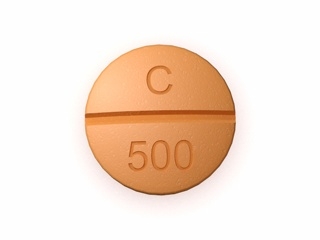
| Vitamin strength | Varies by brand (e.g., 250 mg, 500 mg, 1000 mg) |
| Typical route | Oral (by mouth) |
| Storage | Store in a cool, dry place; keep out of reach of children |
Always check the label on your specific product for the exact strength (mg of ascorbic acid per dose), additional ingredients, and recommended directions.
How Vitamin C works (mechanism of action)
Vitamin C is involved in a range of biochemical processes. Key roles include:
- Immune support: Vitamin C helps support the normal function of the immune system. It also acts as an antioxidant.
- Antioxidant activity: Vitamin C helps protect cells from damage caused by oxidative stress.
- Collagen formation: Vitamin C contributes to the formation of collagen, which supports skin, blood vessels, gums, and cartilage.
- Iron absorption: Vitamin C can enhance absorption of non‑haem iron (the type found in plant foods and some supplements).
Vitamin C is used by the body continuously, but it is not stored in unlimited amounts—so regular intake helps maintain healthy levels.
Pharmacokinetics (absorption, distribution, metabolism, excretion)
When taken by mouth, Vitamin C is absorbed mainly in the small intestine. Absorption can vary depending on dose and the state of the gut.
Absorption
- Transporters: Vitamin C uses active transport mechanisms in the gut, and absorption generally becomes less efficient at higher doses.
- Food effects: Taking vitamin C with food may improve tolerance for some people (e.g., less stomach discomfort).
Distribution
- Vitamin C circulates in the blood and can reach many tissues. The body may concentrate it in certain cells involved in immune function and connective tissues.
Metabolism
- Vitamin C is partly metabolised into inactive or less active forms.
Excretion
- Excess Vitamin C is mainly eliminated through the kidneys in urine.
- Because elimination is urinary, very high intakes may increase the amount excreted.
Practical takeaway: Vitamin C is water‑soluble and the body does not “store” it indefinitely, so consistent daily intake is often more useful than occasional very large doses.
Typical uses
People commonly take Vitamin C (ascorbic acid) for:
- Filling dietary gaps when fruit and vegetable intake is limited.
- Supporting immune health as part of a healthy lifestyle.
- Supporting collagen formation and skin health.
- Assisting iron absorption when taken with iron-containing meals or supplements (especially non‑haem iron).
- General antioxidant support for everyday wellness.
Evidence for preventing or treating specific conditions varies by outcome. Vitamin C is best thought of as a nutrient supplement that supports normal physiological functions.
When to take Vitamin C (timing)
Vitamin C can be taken at any time of day. The best timing depends on comfort and your routine.
- With meals: Many people prefer taking vitamin C with breakfast or lunch to reduce the chance of stomach upset.
- For iron absorption: If you are taking non‑haem iron, consider taking vitamin C at the same time as the iron dose/meal (unless advised otherwise).
- Split dosing: If taking higher amounts (e.g., 1000 mg or more), splitting the dose can help with tolerability.
If you experience stomach discomfort, nausea, or heartburn, try taking it with food or switching to a different formulation (e.g., capsule instead of effervescent).
Food interactions and how to manage them
Vitamin C is water‑soluble and generally has few complicated food interactions. However, some practical points can help.
- Absorption with food: Taking vitamin C with food may improve comfort and does not typically reduce the benefit.
- Iron-containing foods: Vitamin C may increase absorption of non‑haem iron from meals (e.g., spinach, legumes, fortified cereals).
- High-dose tolerance: Large doses can cause gastrointestinal upset in some people, especially on an empty stomach.
Alcohol interactions
Alcohol does not have a direct, universally predictable chemical interaction with vitamin C the way some medications do. However, regular or heavy alcohol intake can affect overall nutritional status and oxidative stress levels, which is one reason people may consider vitamin C as part of general wellness.
- GI comfort: If you notice vitamin C worsens reflux or stomach sensitivity, avoid taking it right after alcohol and consider taking it with food.
- Overall nutrition: The most reliable approach is maintaining a balanced diet and moderate alcohol intake when possible.
If you drink alcohol heavily or have ongoing liver-related issues, discuss supplementation choices with a healthcare professional.
Medicine interactions
Vitamin C can interact with certain medicines and laboratory tests. Many interactions are related to urine acidity (vitamin C can slightly acidify urine) or effects on absorption.
Important examples (discuss if relevant)
- Iron supplements: Vitamin C may increase absorption of non‑haem iron. This can be helpful but may also increase side effects such as constipation for some people.
- Some cancer medicines (e.g., certain treatments where high-dose antioxidants may be approached cautiously): speak with your healthcare team before using high-dose vitamin C.
- Warfarin (vitamin K antagonist): Routine vitamin C doses are not the same as vitamin K and usually do not have a direct interaction, but changes in diet/supplements can matter. If you take warfarin, confirm your plan with your clinician/pharmacist.
- Laboratory tests: High doses may interfere with some blood/urine test results. Tell your clinician you take vitamin C if tests are scheduled.
General advice
- Keep doses within the recommended range on the label unless advised otherwise.
- If you take multiple medicines, it’s sensible to ask a pharmacist whether your specific vitamin C dose is suitable.
Indications (what it’s commonly used for)
In everyday terms, vitamin C supplements are used for:
- Correcting or preventing vitamin C deficiency (e.g., when dietary intake is inadequate).
- Supporting normal immune function and overall nutrition.
- Supporting collagen formation and connective tissue health.
- Assisting iron absorption when iron intake is low or iron deficiency is being managed.
If you suspect a deficiency (for example, if you have fatigue, gum issues, or bruising), consider seeking medical advice for appropriate assessment.
Dosing guidelines (typical adult use)
Dosing depends on your diet, age, and health goals. Always follow the instructions on the product label.
General dietary reference (Australia)
Adults require a baseline amount of vitamin C from food and/or supplements. Many supplements are designed to help people reach or maintain adequate intake.
Common supplementation ranges (adults)
- Maintenance / general wellness: commonly 100–500 mg per day.
- Higher intakes: some people use 1000 mg per day, typically for short periods or during times when intake may be lower.
Important: Higher doses may increase the chance of side effects such as diarrhoea or stomach cramps, and may not be necessary for most people.
Children
- Children’s needs are lower than adults. Use paediatric formulations where available and follow label directions based on age.
How to take it
- Swallow tablets/capsules with water.
- Chewables should be chewed thoroughly.
- Effervescent tablets should be dissolved fully in water before drinking.
Safety profile and side effects
Vitamin C is generally well tolerated within recommended doses. Because it is water‑soluble, the body eliminates excess through urine. However, too much may cause gastrointestinal symptoms.
Common side effects (especially at higher doses)
- Stomach upset
- Nausea
- Heartburn or reflux (for some people)
- Diarrhoea or loose stools
- Abdominal cramps
Kidney stone considerations
People with a history of kidney stones should seek advice before taking high-dose vitamin C. High intakes may increase urinary oxalate in some individuals, which can contribute to certain types of stone formation.
When to be cautious
- Kidney disease or reduced kidney function
- History of kidney stones
- Recurrent gout (relevant due to uric acid and metabolic considerations—ask a professional)
- Use of multiple supplements containing vitamin C (accidental double-dosing is common)
Pregnancy and breastfeeding
Vitamin C is important during pregnancy and breastfeeding. However, doses should not be increased unnecessarily. Aim for dietary intake and follow product label directions or professional advice if you are considering higher doses.
Practical use tips
- Choose the right form: If you get reflux, you may tolerate capsules better than acidic chewables or effervescent products.
- Start low: If you are new to supplementation, begin with a lower dose and increase only if needed and well tolerated.
- Avoid double counting: Check other products you take (e.g., multivitamins, “immune” blends) to see how much vitamin C they already contain.
- Stay hydrated: Adequate fluid intake supports normal urine output and may help reduce discomfort in some people.
- Do not expect immediate cures: Vitamin C supports normal functions over time; it is not a fast-acting medicine for acute symptoms.
Alternative options
If vitamin C is not the right fit for you, there are several alternatives depending on your goal:
- Diet-first approach: citrus fruits, kiwi fruit, berries, capsicum, broccoli, tomatoes, and fortified foods.
- Other vitamin C forms: Some supplements use different vitamin C derivatives. For most people, ascorbic acid is effective; tolerability varies by formulation.
- Multivitamins: If your aim is general nutrition, a multivitamin may help. Check total vitamin C content.
- Iron plus vitamin C combinations: If you’re addressing iron intake, choose a product that includes vitamin C to support non‑haem iron absorption.
- Focus on overall immune support: adequate sleep, healthy diet, regular movement, and vaccination where appropriate are key.
Vitamin C in Australia: market and legal context
In Australia, vitamin and mineral supplements are regulated under the Australian regulatory framework for listed complementary medicines and related products. Labelling requirements include ingredient amounts and directions for use. Products sold online should comply with Australian standards for quality, safety, and presentation.
When you purchase Vitamin C (Ascorbic Acid) from an Australian pharmacy or reputable retailer, look for:
- Clear label strength (mg per tablet/capsule)
- Batch/expiry information where required
- Ingredients list, including any sweeteners or flavourings
- Directions for use and age guidance
Claims about health support are typically limited by regulatory requirements. Many products focus on maintaining normal immune function or collagen formation, based on permitted nutrition content.
Recent guidance and practical updates
Over recent years, general public guidance has emphasised that:
- Supplements are complementary to a balanced diet, not a replacement for healthy eating.
- Higher is not always better: many people take more than needed, which can increase side effects without additional benefit for most healthy adults.
- Check total intake: vitamin C is present in multivitamins and “immune” blends.
- Individual risk factors matter (e.g., kidney stone history, medication use, and specific health conditions).
Product recommendations can change as new evidence becomes available and as regulators update permitted claims. For the most accurate information for your situation, check the label on the specific product and consult a pharmacist if you’re unsure.
Delivery and availability (Australia)
Vitamin C (Ascorbic Acid) supplements are widely available in Australia. Online pharmacies typically offer:
- Standard delivery options across metropolitan and regional areas
- Express delivery where available
- Secure packaging to protect tablets/capsules from moisture
Availability depends on the specific brand, strength (mg), and formulation (tablets, capsules, chewables, or effervescent). To ensure freshness, reputable retailers display expiry dates and maintain cold-chain requirements where necessary (most vitamin C products do not require refrigeration, but storage instructions must be followed).
FAQ — Vitamin C (Ascorbic Acid)
1) How much vitamin C do I need each day?
Daily needs vary by age and overall health. Many adults aim for amounts supported by Australian dietary reference guidance, which can be met through food and/or supplements. Follow your product label for typical dosing and avoid unnecessary high doses unless advised.
2) Can I take vitamin C every day?
Yes, for many people daily supplementation is appropriate, particularly if dietary intake is inconsistent. Choose a dose that you tolerate well and check you are not duplicating vitamin C from other products.
3) Will vitamin C prevent colds?
Vitamin C is sometimes used to support immune health. Research results vary for preventing or shortening common colds. It is most useful as a supplement to help meet nutritional needs, rather than as a guaranteed cold prevention strategy.
4) Is vitamin C safe in high doses?
High doses may cause stomach upset and diarrhoea in some people and may increase the risk of issues such as kidney stones in those predisposed. If you are considering higher doses, it’s best to seek advice from a pharmacist or clinician, especially if you have kidney issues or take multiple medicines.
5) What happens if I miss a dose?
Missing an occasional dose is unlikely to cause problems. Resume your normal routine the next day. There is usually no need to double up.
6) Does vitamin C interact with antibiotics?
Vitamin C is not known for major interactions with most common antibiotics. However, individual medicines and formulations differ. If you are unsure, ask a pharmacist and check the product information for any specific warnings.
7) Should I take vitamin C with or without food?
Both can be suitable. If you experience stomach discomfort, take it with food. If your label directions specify “take on an empty stomach” (rare for vitamin C), follow those instructions.
8) Can I take vitamin C with iron?
Vitamin C can enhance absorption of non‑haem iron. If you take an iron supplement, taking vitamin C at the same time may be beneficial. If you experience constipation or nausea, you may need to adjust the timing or dose.
9) Does vitamin C affect blood or urine test results?
High intake may interfere with some laboratory tests. If you have bloodwork or urine testing scheduled, inform your healthcare provider that you take vitamin C.
10) Who should avoid or ask first before using vitamin C supplements?
People with kidney disease, a history of kidney stones, or those taking multiple medications should check with a healthcare professional—especially before using higher doses.
Summary
Vitamin C (ascorbic acid) is a widely used, water‑soluble vitamin that supports immune function, collagen formation, antioxidant protection, and helps improve non‑haem iron absorption. It is generally safe when taken within recommended doses, though high doses may cause gastrointestinal side effects in some people. For the best results, take it consistently, follow label directions, and consider your personal health factors and potential interactions.