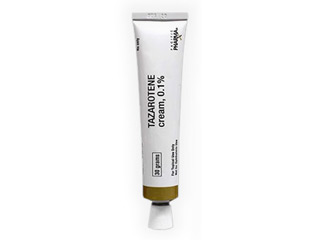
Tazarotene: Patient-Friendly Guide (Australia)
Tazarotene is a topical medicine used to treat certain skin conditions, most commonly acne and psoriasis. It belongs to a group of medicines called retinoids, which help normalise skin cell behaviour and reduce inflammation. This guide explains how tazarotene works, how it behaves in the body, how to use it safely and effectively, what to expect in the first weeks, and important interactions and safety considerations for people in Australia.
Always follow the product instructions provided with your specific brand and strength. If you’re unsure whether tazarotene is right for you, speak with a healthcare professional.
Basic product information
| Category | Details |
|---|---|
| Generic name | Tazarotene |
| Type | Topical retinoid (applied to the skin) |
| Common strengths | Often available as creams/gels in different strengths (brand and market availability may vary) |
| Typical forms | Cream or gel for skin use |
| What it is used for | Acne, plaque psoriasis (and other dermatology indications depending on formulation and local guidance) |
| How it’s applied | Thin layer to affected areas, typically once daily in the evening (varies by plan) |
How tazarotene works (mechanism of action)
Tazarotene is a retinoid that acts on receptors in the skin (retinoic acid receptors). It helps to:
- Normalise skin cell turnover by influencing how quickly skin cells grow and shed.
- Reduce abnormal scaling, which is particularly helpful in conditions like plaque psoriasis.
- Improve acne-related changes by decreasing formation of clogged pores (microcomedones) and reducing inflammation.
- Support skin barrier and tone improvements over time by promoting more regular skin renewal (results build gradually).
Because it works at the level of skin cell behaviour, tazarotene generally requires consistent use for several weeks to see meaningful improvement.
Pharmacokinetics: how the medicine moves in the body
Pharmacokinetics describes what happens after you apply tazarotene. Since it is used on the skin, absorption is typically limited, but some medicine can enter the bloodstream.
Absorption
Tazarotene is absorbed through the skin in a small amount. The extent of absorption may increase if:
- the treated area is large,
- the skin is inflamed or broken,
- the medicine is applied more frequently or in thicker layers than recommended,
- used with occlusive dressings (coverings) unless directed.
Metabolism
Once absorbed, tazarotene is metabolised in the body. The main active form relates to a retinoid metabolite that contributes to its effects in the skin.
Elimination
The metabolites are eliminated mainly via urine and faeces. In most people, blood levels remain relatively low when used as directed on intact skin.
What this means for patients
- Use the smallest effective amount.
- Avoid applying to broken skin or large areas beyond your treatment plan.
- Seek medical advice if you develop significant irritation, swelling, or signs of a skin reaction.
Typical use and timing
Tazarotene is commonly used as an evening treatment because retinoids are often best tolerated at night and can help reduce daytime friction or sun exposure on treated skin.
When to apply
- Most regimens: once daily in the evening (or as directed by your healthcare professional or product instructions).
- Start slowly: many people begin with every-other-night application to improve tolerance.
- Consistency matters: results are usually gradual and may take several weeks.
Where to apply
- Apply only to the affected areas.
- Avoid sensitive zones such as the corners of the nose, mouth, eyes, and eyelids.
- If accidental contact occurs, rinse thoroughly with lukewarm water.
How to apply
- Wash your hands and the area gently with a mild cleanser.
- Pat the skin dry (fully dry skin helps reduce irritation).
- Use a pea-sized amount or the quantity recommended for your area—spread thinly.
- Apply to the affected areas only, then wash your hands again.
- Follow with moisturiser if your skin is prone to dryness (often helpful).
Do not apply thicker layers to “speed up” results—this usually increases irritation without improving effectiveness.
Indications: what it may be used for
Indications can vary by product and local approvals. In many dermatology settings, tazarotene topical treatment is used for:
- Plaque psoriasis (for adults in many settings, depending on product availability and guidance).
- Acne vulgaris (mild to moderate cases, depending on formulation and plan).
- Other dermatologic conditions may be considered in specific circumstances under clinician guidance and local product guidance.
If you’re using tazarotene for acne, you may notice early dryness or mild peeling before visible improvement. For psoriasis, scaling and thickness often improve gradually.
Dosing: how much and how often
Dosing depends on the condition, affected area size, and the specific strength/formulation. Follow your local product instructions or the dosing plan you were given.
General dosing principles
- Frequency: commonly once daily in the evening.
- Thin layer: spread evenly over affected skin—more is not better.
- Build tolerance: if irritation occurs, reduce frequency (e.g., every other night) and increase gradually as tolerated.
- Do not overspread: avoid applying to unaffected skin “just in case.”
Typical example schedules (general)
These examples are for tolerance planning and may not match your exact product instructions.
- Week 1: apply every second night (if prone to irritation).
- Week 2–3: progress to once nightly if skin tolerates it.
- Maintenance: continue daily or adjust frequency based on response and comfort.
If your skin becomes very red, blistered, or intensely itchy, stop and seek advice. Severe irritation can require treatment adjustment.
What to expect: onset of effects and treatment duration
Tazarotene works over time by affecting cell turnover and inflammation. The skin may look worse before it looks better in the first couple of weeks (sometimes called “retinoid flare”), particularly for acne.
- Acne: some improvements may appear after 4–6 weeks, with more noticeable results by 8–12 weeks.
- Psoriasis: visible improvement may take several weeks, with continued benefit possible over 8–12 weeks.
If there is no improvement after a reasonable period (commonly 12 weeks for acne-type goals or longer for psoriasis), your treatment plan may need reassessment.
Food interactions
Tazarotene is a topical medicine, and food interactions are generally not expected to be clinically significant. Because systemic exposure is typically limited when used as directed, it is unlikely to be affected by what you eat.
However, if you are using other medicines that interact with retinoids systemically or you have complex medical conditions, discuss your full medicine list with a healthcare professional.
Alcohol and medicine interactions
There are usually no direct alcohol interactions expected with topical tazarotene. Still, alcohol can worsen dehydration and skin irritation in some people, which may make retinoid side effects feel stronger.
Other medicine interactions (topical and systemic)
Interactions mainly relate to skin irritation and additive effects with other topical products.
- Other exfoliating or irritating topical products (e.g., products with strong acids like glycolic/salicylic, or harsh scrubs) can increase redness, peeling, and burning.
- Other retinoids (including similar vitamin A derivatives) used at the same time can increase irritation.
- Benzoyl peroxide is commonly used in acne; some people can combine, but it may increase dryness. If you combine products, consider “not at the same time” (e.g., alternating nights) if tolerated.
- Topical antibiotics may be used concurrently in acne plans depending on the regimen.
With any combination therapy, a gradual “add one thing at a time” approach can help identify what your skin tolerates best.
Safety profile: common and serious side effects
Like all medicines, tazarotene can cause side effects. Many are related to irritation of the skin where it’s applied. Most people can reduce side effects by using the correct amount, applying to dry skin, and moisturising regularly.
Common side effects
- Dryness and flaking
- Redness
- Burning or stinging
- Itching
- Peeling
- Skin discomfort in treated areas
Less common but important reactions
- Severe irritation (significant swelling, intense redness, blistering)
- Allergic-type reactions (widespread rash, hives)
- Exacerbation of dermatitis if you have sensitive or eczema-prone skin
When to seek urgent medical advice
Seek urgent medical care if you develop signs of a severe allergic reaction (e.g., trouble breathing, swelling of the face/lips), or if the skin reaction is severe (blistering, oozing, or rapidly worsening pain).
Who should be extra cautious
- People with very sensitive skin or a history of eczema flares
- Those using multiple active skincare treatments
- Anyone with treated skin that is broken or actively infected
Practical use tips to improve tolerance
Tazarotene tolerance often improves with “skin coaching” habits. Consider the tips below:
1) Start slow
If you’re new to tazarotene, beginning every other night can reduce initial dryness and peeling. Increase gradually as your skin adapts.
2) Moisturise strategically
- Use a gentle moisturiser after cleansing.
- You may moisturise before tazarotene (a “buffer” approach) or after, depending on comfort and how your skin tolerates it.
- Avoid moisturisers with very strong fragrance or known irritants if you are prone to reactions.
3) Use gentle skin care
- Choose mild cleansers and avoid harsh scrubbing.
- Limit exfoliating toners and strong acids while you’re adjusting to tazarotene.
4) Sun protection is essential
Retinoids can make skin more sensitive. In Australia, where UV exposure can be intense, daily sun protection helps prevent irritation and supports overall skin health.
- Use a broad-spectrum sunscreen (SPF 30+ or higher as appropriate).
- Consider protective clothing and shade.
5) Avoid occlusion unless directed
Covering the area with tight dressings may increase absorption and irritation.
6) Don’t “chase” irritation with more product
If you develop burning or significant peeling, reduce application frequency and moisturise. If severe, discontinue and seek advice.
Food and sun: additional considerations
While food interactions are not a common concern for topical tazarotene, sunlight and skin care routine are major factors for tolerance. Avoid additional irritants and protect the treated areas from UV.
Alternative options for acne and psoriasis
Treatment choice depends on your condition, severity, skin type, and how well you tolerate actives. Below are commonly used alternatives (availability and suitability vary in Australia).
Acne alternatives (topical and supportive)
- Adapalene (a topical retinoid)
- Tretinoin (another topical retinoid)
- Benzoyl peroxide (helps bacteria and inflammation)
- Salicylic acid (exfoliant; can irritate similar to retinoids)
- Azelaic acid (often better tolerated; helps acne and redness in some people)
Psoriasis alternatives
- Topical corticosteroids (reduces inflammation; often used in stepwise regimens)
- Vitamin D analogues (for plaque psoriasis)
- Emollients and moisturisers (core maintenance therapy)
- Other retinoid or non-retinoid topical therapies depending on local guidance
Your clinician or pharmacist can help you compare options based on your skin goals and risk of irritation.
Market and legal context for Australia (general overview)
In Australia, topical dermatology medicines may be supplied through different pathways depending on formulation and classification (for example, some retinoid products may be prescription-only or may be available under specific arrangements).
Availability can vary by:
- strength and formulation (cream vs gel),
- local product approvals,
- regulatory classification and supply rules,
- pharmacy dispensing requirements.
Online pharmacy availability is therefore dependent on compliance with Australian medicine regulations and the specific product’s classification.
Recent guidance and practical updates (what matters most)
Guidance for topical retinoids generally focuses on improving safety and reducing irritation. Common themes include:
- Gradual introduction to minimise early dryness and peeling.
- Strict sun protection to reduce UV-related irritation and support skin recovery.
- Use of moisturisers and gentle cleansing routines.
- Avoiding excessive layering or applying to unaffected skin beyond the plan.
- Caution with combination products to prevent “stacking” irritants.
Always check the most current product information and consult a healthcare professional if you’re unsure how to fit tazarotene into your existing routine.
Delivery and availability via online pharmacies (Australia)
Availability of tazarotene online can vary by product type and classification. For any online order, reputable Australian pharmacies typically ensure:
- proper product storage and cold/temperature stability where required,
- accurate labelling (strength, dosage form, batch details where relevant),
- discreet packaging and timely delivery options across Australian states and territories,
- customer support if you need help choosing the right formulation and strength.
Delivery times and fees vary. Check the pharmacy website for current delivery estimates, minimum order requirements, and return policies.
How to store tazarotene
- Store at room temperature unless the product label states otherwise.
- Keep out of reach of children.
- Keep the container tightly closed to protect the product from light and air exposure.
- Check the expiry date on the packaging and do not use after expiry.
FAQ about tazarotene
1) Is tazarotene only for severe skin conditions?
Not necessarily. Tazarotene is often used for conditions like acne and plaque psoriasis depending on severity and tolerance. Your specific regimen should match your skin needs and the product’s intended use.
2) When will I start seeing results?
Many people notice gradual changes after 4–6 weeks for acne and several weeks for plaque psoriasis. The best results typically develop with consistent use over 8–12 weeks or longer.
3) My skin is getting dry and red—should I stop?
Mild dryness or redness can be expected early on. If symptoms are mild, reduce application frequency, apply moisturiser, and ensure you’re using a thin layer on fully dry skin. Stop and seek advice if you experience severe burning, blistering, swelling, or spreading rash.
4) Can I use moisturiser with tazarotene?
Yes—moisturiser is often important for tolerability. Some people buffer by applying moisturiser before tazarotene, while others moisturise after. Choose a gentle, fragrance-free option if you’re prone to irritation.
5) Can I combine tazarotene with other acne or psoriasis treatments?
Sometimes yes, but combination regimens can increase irritation. If you’re using other actives (exfoliants, retinoids, strong acids), consider alternating nights or ask a pharmacist or clinician for advice on a compatible routine.
6) Can I drink alcohol while using tazarotene?
There are usually no direct alcohol interactions with topical tazarotene. However, alcohol may contribute to dehydration or worsen skin dryness in some people, which can make irritation feel worse.
7) Does tazarotene interact with food?
Food interactions are not typically expected with topical tazarotene because absorption into the bloodstream is limited. Focus instead on avoiding additional topical irritants and using sun protection.
8) Can I use it in the morning?
Many regimens use evening application. If you want to change timing, consider that skin may be more sensitive with daytime exposure—particularly in Australia’s UV conditions. Ask your healthcare professional if your situation warrants a different schedule.
9) What should I do if it gets into my eyes or mouth?
Rinse thoroughly with lukewarm water right away. If irritation persists or is severe, seek medical advice.
10) Are there non-medicine steps that help alongside tazarotene?
Yes. For acne: gentle cleansing, avoiding aggressive scrubbing, and using non-comedogenic moisturisers and sunscreen. For psoriasis: consistent moisturising and avoiding skin trauma (friction, harsh exfoliation). These habits can reduce irritation and support improvement.
Key takeaways
- Tazarotene is a topical retinoid used for acne and plaque psoriasis depending on local product indication.
- Results are gradual; early dryness and peeling can occur, especially when starting.
- Use a thin layer on affected areas and consider starting every other night to improve tolerance.
- Moisturise and use sunscreen—especially important in Australia’s sun conditions.
- Avoid combining irritants unless your plan says so.
This information is general and may not cover every individual situation. If you have questions about suitability, timing, or managing side effects, consult a pharmacist or healthcare professional.