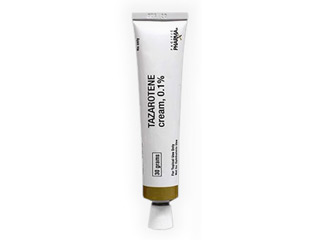
Tazorac (Tazarotene) — Patient Information (Australia)
Tazorac® contains tazarotene, a topical medicine used for certain skin conditions. This page explains how tazarotene works, how it’s used, what to expect, and important safety information. It is written for general information and does not replace advice from a healthcare professional.
Quick overview
- Active ingredient: Tazarotene
- Medicine type: Topical retinoid (vitamin A–related medicine)
- Common uses: Plaque psoriasis (mild to moderate), acne, and photoageing (as product availability varies by country and formulation)
- Where it’s applied: Affected skin only
- Typical skin response: Gradual improvement over weeks; irritation is common early
Basic product information
Brand: Tazorac®
Generic name: Tazarotene
Forms: Tazorac is available as a topical cream/gel depending on local supply. Strengths commonly include 0.05% and 0.1% for some indications. Exact strengths and formulation availability can vary.
Who it’s for: Adults and, in selected circumstances, adolescents/children depending on the indication and local product guidance.
Important note: Tazarotene is a strong active retinoid. Proper application technique is essential to reduce dryness and irritation.
How Tazorac works (mechanism of action)
Tazarotene is a topical retinoid. After application, it is converted in the skin to its active metabolite(s). It works by:
- Normalising skin cell turnover: It helps slow abnormal skin cell growth and speeds up normalisation in conditions like plaque psoriasis.
- Reducing inflammation: It can reduce inflammatory signalling in affected skin.
- Improving acne-related processes: It helps reduce clogged pores (comedones) and supports more normal keratinisation.
- Supporting skin renewal: For photoageing indications (depending on product availability), it can improve texture and fine changes by influencing cell differentiation and collagen-related processes.
What you may notice: Many people experience dryness, redness, or mild burning during the first few weeks. This usually improves as your skin adapts.
Pharmacokinetics (how the body handles it)
Understanding absorption helps explain why careful application matters.
- Absorption through skin: Tazarotene is designed for local effect. Only a small amount is typically absorbed through intact skin.
- Metabolism: In the body, tazarotene is metabolised mainly into inactive and active forms through metabolic pathways after absorption.
- Elimination: Metabolites are eliminated primarily through urine and/or faeces depending on the formulation and patient factors.
- Steady state: With regular use, skin effects build gradually; systemic levels (if any) generally remain low with correct topical use.
Practical implication: Using more than directed, applying to larger areas, using under occlusion, or applying to broken/irritated skin may increase absorption and side effects.
Typical use (indications)
Tazorac may be used for:
- Plaque psoriasis: Especially chronic, stable plaques on appropriate body areas (as directed by a clinician).
- Acne: In some formulations/strengths and local indications.
- Photoageing: For fine lines and uneven texture/skin changes, depending on available product indication.
Availability and indication can vary: In Australia, the exact approved indications and strength/formulation may depend on the version of the product listed by the regulator and supplier. Always follow the directions provided with your specific product.
When to start seeing results (timing)
Topical retinoids typically work gradually. A realistic timeline helps you manage expectations:
- First 1–2 weeks: Possible dryness, redness, mild peeling, or stinging—often strongest early on.
- Weeks 3–6: You may notice fewer new lesions (for acne) or improvement in thickness and scaling (for psoriasis).
- Weeks 6–12: More noticeable improvement in texture and severity for many people.
- Long-term maintenance: Some conditions may benefit from ongoing use, adjusted by a clinician.
If you experience severe irritation, swelling, blistering, or worsening symptoms, stop using and seek medical advice promptly.
Dosing and how to apply
Use exactly as directed. Dosing depends on the condition and the strength of the product.
General application guidance
- Frequency: Often once daily (commonly at night). For sensitive skin, many clinicians recommend starting every second night and increasing as tolerated.
- Amount: Use a thin layer—typically a “pea-sized” amount for small areas (or enough to cover the affected region thinly).
- Where to apply: Apply to affected skin only. Avoid eyes, lips, corners of the nose, and skin folds unless directed.
- Clean, dry skin: Apply to dry skin. Wash with a gentle cleanser, pat dry, and wait 10–20 minutes before applying.
Step-by-step practical routine
- Gentle cleanse the area and pat dry.
- Apply a thin layer of Tazorac to affected skin.
- Wash your hands after application (unless treating your hands).
- Moisturise if needed (see tips below).
- Use sun protection during the day, as retinoids can increase sensitivity to sunlight.
Combining with moisturisers (the “sandwich” method)
If irritation occurs, consider:
- Apply a moisturiser to the area first, wait a few minutes, then apply a thin layer of Tazorac.
- Alternatively, apply Tazorac first and moisturise 10–20 minutes later.
Missed dose
If you miss a dose, apply it when you remember unless it’s close to the next scheduled dose. Do not apply extra to “catch up”.
Food interactions
Because Tazorac is a topical medicine, it is not typically expected to have direct food interactions. There is generally no requirement to change diet or timing of meals.
Important: If any significant systemic absorption occurs (for example, over large areas, broken skin, or excessive use), it could theoretically increase side effects. Follow application instructions carefully.
Alcohol and medicine interactions
Alcohol
Topical tazarotene does not typically interact directly with alcohol. However, alcohol may worsen dryness or irritation for some people indirectly (for example, by contributing to dehydration or triggering skin sensitivity). If you notice increased irritation after alcohol, reduce or avoid it.
Other medicines
Tell your healthcare professional about all medicines and skin products you use, including:
- Other topical retinoids or strong exfoliants
- Topical benzoyl peroxide (often used in acne—some people tolerate combination, but irritation risk may rise)
- Topical corticosteroids (may be used alongside plans for flare control, depending on the condition)
- Products containing salicylic acid, glycolic acid, or frequent scrubs
- Medicines that increase skin sensitivity
Practical approach: To reduce irritation, introduce one new skin product at a time and avoid applying other potentially irritating products to the same area unless advised.
Safety profile and side effects
Like other retinoids, tazarotene commonly causes skin irritation—especially at the start of treatment.
Common side effects
- Dryness or peeling
- Redness
- Burning, stinging, or itching
- Skin irritation at the application site
Less common but important
- Severe dermatitis (significant swelling, blistering)
- Worsening of symptoms after initial flare that does not settle
- Eye irritation if it migrates to eyelids or around the eyes
When to seek urgent medical help
- Signs of a serious allergic reaction (for example, widespread hives, facial swelling, trouble breathing)
- Severe swelling, blistering, or intense pain
Pregnancy, breastfeeding, and fertility considerations (important)
Tazarotene is associated with a risk of harm to an unborn baby. If you are pregnant, planning pregnancy, or could become pregnant, discuss options with a healthcare professional before use.
Key practical points:
- Use effective contraception if advised by a clinician.
- Do not use on large areas or for extended periods unless specifically directed.
- If pregnancy is suspected, seek medical advice promptly.
Breastfeeding: Discuss with a healthcare professional whether and how to use Tazorac while breastfeeding. Avoid applying to the chest/nipple area.
Practical use tips to reduce irritation
- Start slowly: Begin every second night for the first 1–2 weeks if your skin is sensitive.
- Use a moisturiser: Apply a gentle moisturiser regularly, especially after cleansing.
- Avoid “double irritation” products: Limit alcohol-based toners, exfoliating acids, and harsh cleansers.
- Be careful with sun: Use broad-spectrum sunscreen and protective clothing.
- Don’t over-apply: More is not better and increases side effects.
- Protect treated skin: Avoid sunburn and extreme weather exposure.
- Let skin dry after washing: Applying to damp skin may increase irritation.
Alcohol and skin: extra considerations
While alcohol doesn’t usually interact with tazarotene directly, consider:
- Skin dryness and barrier irritation can be intensified by alcohol-containing skincare products.
- If you drink alcohol and notice flare-ups of redness or dryness, note this pattern and discuss it with a clinician.
Common mistakes to avoid
- Applying to broken skin, open wounds, or sunburnt areas.
- Using it more frequently than directed to get faster results.
- Applying too thick a layer.
- Using with other strong actives on the same area without a plan.
- Skipping sunscreen while using a retinoid.
Alternative options
Your best alternative depends on the condition being treated (acne, plaque psoriasis, or photoageing) and the severity of symptoms. Common alternatives include:
For acne
- Topical adapalene (a retinoid; often milder for some people)
- Benzoyl peroxide (helps reduce acne-causing bacteria)
- Salicylic acid (comedolytic; may irritate some retinoid users)
- Topical antibiotics in selected cases (as part of a structured plan)
For plaque psoriasis
- Topical corticosteroids for inflammation control
- Vitamin D analogues (e.g., calcipotriol-type products)
- Emollients/moisturising therapy for barrier support
- Phototherapy or systemic options for more severe disease (managed by specialists)
For photoageing
- Other topical retinoids or retinol-based products
- Broad-spectrum sun protection and moisturising as foundational care
Note: Switching products can change irritation levels. Introduce new treatments one at a time.
Market and legal context for Australia (overview)
In Australia, medicines are regulated under the Therapeutic Goods Administration (TGA). Topical retinoids such as tazarotene may be subject to specific regulatory requirements, including how they are supplied (for example, through prescription pathways and/or product listing status), and the approved indications and strengths may vary.
What this means for you:
- Only use a product that matches the indication on your product label and supporting documents.
- Follow the dosing instructions provided with your specific item.
- Be aware that availability may change depending on TGA listings and supplier stock.
If you’re ordering online, choose a reputable pharmacy and ensure the product description, strength, and active ingredient match your needs.
Recent guidance and updates (how to stay current)
Guidance for retinoid use can evolve as evidence and regulatory policies update. While specific recent changes depend on local TGA and professional recommendations, common evolving themes include:
- Emphasis on pregnancy risk counselling and preventing exposure where relevant
- Patient education on irritation management (moisturising, start-low approach)
- Sun protection as a standard part of retinoid care
Tip: If you haven’t used tazarotene before, ask a healthcare professional or pharmacist to review your routine—especially if you use other acne/psoriasis products, actives, or exfoliants.
Delivery and availability (Australia)
Availability of Tazorac products can vary by supplier and stock levels. When ordering online:
- Check strength and formulation: Cream vs gel and the % strength may differ.
- Confirm the product label: Ensure it contains tazarotene and matches your intended use.
- Delivery regions: Most online pharmacies deliver across Australia, but shipping times can vary by state and suburb.
- Cold chain: Topical retinoids are usually shipped at ambient temperature; follow storage instructions on the pack.
Storage: Store at room temperature away from direct sunlight and heat. Keep out of reach of children.
FAQ — Frequently asked questions
1) Can I use Tazorac every day?
It depends on your skin tolerance, the condition being treated, and the product strength. Many people start less frequently (e.g., every second night) and increase to once daily if irritation is manageable. Follow clinician or pharmacist instructions.
2) Is it safe to use on face, body, and hands?
Tazorac may be prescribed for specific areas depending on the indication. The face and body have different sensitivities. Avoid eyes, lips, and corners of the nose. If treating hands, wash hands after application to prevent accidental transfer to eyes.
3) Why is my skin getting red or peeling in the first weeks?
That is a common early retinoid effect. Your skin is adjusting. Reduce frequency, moisturise, and avoid other irritants. If severe blistering or intense pain occurs, stop and seek advice.
4) Should I stop if my acne/psoriasis seems worse at first?
Some initial change can occur. Mild flare can be expected, especially with retinoids. However, if worsening is severe, persistent, or accompanied by significant inflammation, contact a healthcare professional.
5) Can I use other skincare products with Tazorac?
Many people use moisturisers and gentle cleansers alongside tazarotene. Avoid strong exfoliating acids, harsh scrubs, and multiple irritating actives on the same area unless advised. Sunscreen is strongly recommended.
6) Does Tazorac have a strong smell?
Some topical retinoids have a noticeable odour depending on formulation. If smell is bothersome or your skin reacts to the base, discuss options with a pharmacist.
7) What if it gets in my eyes?
Rinse thoroughly with cool water immediately. Seek urgent medical advice if irritation persists.
8) How long can I use it?
Duration depends on your condition and response. Some people use it long-term for maintenance under medical guidance; others use for specific periods. Review your progress regularly.
9) Can I drink alcohol while using Tazorac?
There is typically no direct interaction between alcohol and topical tazarotene. However, alcohol-based skincare products and dehydration may worsen dryness or irritation. Use moisturisers and choose gentle products.
10) What are the best ways to reduce irritation?
- Apply a thin layer
- Start with reduced frequency
- Use moisturisers (including “sandwich” technique)
- Use sunscreen and avoid sunburn
- Avoid other harsh actives during the initial adjustment period
Summary
Tazorac (tazarotene) is a topical retinoid used for conditions such as plaque psoriasis and acne, and in some cases photoageing depending on product indication and formulation. It improves skin by normalising cell turnover and reducing inflammation. Results often take several weeks, and early irritation is common—especially if you apply too much or use it too frequently at the start.
If you have questions about whether tazarotene is suitable for your skin condition, your current skincare routine, or how to minimise side effects, ask a healthcare professional or pharmacist for guidance.