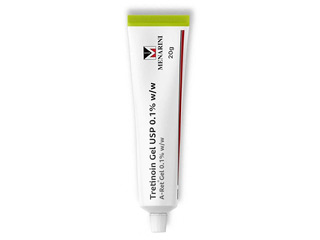
A-Ret (Tretinoin) – Patient Guide (Australia)
A-Ret (tretinoin) is a topical medicine used to improve the appearance of acne and certain skin concerns. This page explains how it works, how to use it safely, what to expect during treatment, and important practical information for people in Australia.
This information is general and may not replace advice from a healthcare professional. If you are unsure which product strength is right for you, or if you have sensitive skin, eczema, or other skin conditions, check with a pharmacist or clinician before starting.
Product overview
| Category | Details |
|---|---|
| Active ingredient | Tretinoin (a retinoid) |
| Common form | Topical cream/gel/lotion (exact formulation varies by brand and strength) |
| Uses | Acne (comedonal and inflammatory), and sometimes other skin-related indications as directed by a clinician |
| How it is applied | To affected areas of skin (usually once daily at first) |
| How long it takes | Often 6–12 weeks to see meaningful improvement; longer courses may be needed |
How tretinoin works (mechanism of action)
Tretinoin is a vitamin A–derived compound (a topical retinoid). It helps normalise the way skin cells develop and shed within pores. It works in several ways:
- Reduces comedones (blocked pores): It helps prevent formation of blackheads and whiteheads.
- Improves cell turnover: It encourages more regular shedding of dead skin cells, reducing pore blockage.
- Supports clearer skin over time: With consistent use, new lesions can form less often and existing inflammation may settle.
- Anti-inflammatory effects (indirect): By lowering blockage, it can reduce triggers for acne inflammation.
At the start of treatment, some people notice dryness, redness, or temporary worsening (often called a “purge”) because pores are changing and old material is being cleared. This doesn’t necessarily mean the treatment is failing.
Pharmacokinetics (how the body handles tretinoin)
Tretinoin is applied to the skin. Because most of the medicine remains local, only small amounts typically enter the bloodstream when used as directed. Key practical points:
- Absorption: Skin absorption is usually limited, but it can increase if you apply to large areas, use excessive amounts, apply to broken/irritated skin, or cover treated areas with occlusive dressings.
- Distribution/metabolism: Any systemically absorbed drug is processed by the body and cleared over time.
- Time to effect: Improvement is driven by ongoing changes in the skin rather than immediate drug levels in the bloodstream.
Because systemic exposure is generally low, tretinoin is considered primarily a local skin therapy. However, you should still follow safety guidance carefully (especially if you are pregnant or planning pregnancy).
What A-Ret (tretinoin) is typically used for
A-Ret is most commonly used for acne. Depending on the strength and local product labelling, it may help with:
- Comedonal acne (blackheads and whiteheads)
- Inflammatory acne (papules, pustules)
- Acne prevention over time by reducing new pore blockage
In some settings, topical tretinoin may be recommended for other skin concerns (for example, photoageing), but your best guidance depends on the product strength and your clinician’s assessment.
When to start and how long it takes to work
Many people are tempted to stop early because it feels like nothing is happening in the first couple of weeks. It usually takes longer than that for tretinoin to show its full benefit.
- First 1–2 weeks: Dryness, peeling, mild stinging or redness may occur. Some people also notice more visible bumps.
- Weeks 3–6: Continued adjustment of the skin; acne may gradually reduce.
- Weeks 6–12: Most people can assess whether it’s working.
- Beyond 12 weeks: Some improvements continue with ongoing use.
Consistency matters more than applying more often. Overuse tends to increase irritation rather than speed up results.
Dosing and practical application (general guidance)
Use A-Ret exactly as directed on the product packaging or by your healthcare professional. The points below are general for topical tretinoin used for acne.
Typical dosing schedule
- Adults and adolescents: Usually a pea-sized amount for the whole face, applied as a thin layer to areas that need it.
- Frequency: Start once daily at night, or less often (e.g., every second night) if your skin is sensitive.
- Increase gradually: You may increase frequency to once daily as tolerated (commonly after 2–4 weeks).
How to apply correctly
- Wash your skin gently with a mild cleanser and pat dry.
- Wait 10–20 minutes after washing before applying. Applying to damp or freshly washed skin can increase irritation.
- Apply a thin, even layer to the whole acne-prone area (not only individual spots).
- Avoid the corners of the nose, mouth, eyes, and any broken skin.
- Wash your hands after use.
How much is enough?
A common guideline is pea-sized amount for the entire face. Using more does not generally improve results and may increase dryness, peeling, and burning.
Missed dose
If you miss a dose, apply it when you next plan to use it. Do not double up.
Timing and routines (day/night planning)
Tretinoin is typically used at night because it can be more irritating when combined with sunlight and because topical retinoids can be affected by environmental factors.
- Night routine: Cleanse → wait → apply A-Ret → moisturise if needed.
- Morning routine: Gentle cleanser (if needed) → moisturiser → sunscreen SPF 30+ daily.
Sun protection is essential. Treated skin can be more sensitive to UV exposure, which may worsen irritation and increase the risk of dark marks.
Food interactions
Because A-Ret is used on the skin, food interactions are not expected in the way that occur with oral medicines. There is no known requirement to avoid specific foods to use tretinoin topically.
If you use other medicines for acne (especially oral treatments), you should review their individual food-related instructions with a pharmacist or clinician.
Alcohol interactions
There are typically no direct alcohol interactions with topical tretinoin, since it is not an oral medicine.
However, alcohol may worsen dehydration or irritate skin in some people indirectly (for example, by contributing to dryness). Also consider that some acne regimens may include oral medications—those can have alcohol-related considerations that are specific to the medicine.
Other medicine interactions (topical and skincare products)
The most important “interactions” with topical tretinoin involve other skin products that can irritate your skin or increase dryness.
Be cautious with or avoid (unless advised)
- Other strong exfoliants: Scrubs, facial brushes with vigorous use, or products with strong acids may increase irritation.
- Strong acne actives: Products containing benzoyl peroxide, salicylic acid, or resorcinol may be used with tretinoin in some regimens, but timing and frequency matter. Start slowly and consider alternating nights if irritation occurs.
- Waxing, chemical peels, and laser treatments: Ask a professional for guidance before combining with tretinoin.
- Medicated cleansers: If you already use harsh cleansers, you may need a gentler option while your skin adjusts.
Moisturisers and “buffering”
Many people find it helpful to use a bland moisturiser. If you experience significant irritation, you may discuss “buffering” strategies such as applying moisturiser before or after tretinoin. Examples include:
- Moisturiser on first, then a thin layer of tretinoin
- Moisturiser after tretinoin once it has been applied
Follow your pharmacist’s or clinician’s advice, especially if you are also using other acne treatments.
Safety profile and side effects
Like all medicines, A-Ret can cause side effects. Many are related to irritation of the skin and usually improve as your skin adapts.
Common side effects
- Dryness or flaking
- Redness
- Peeling
- Stinging or burning, especially early on
- Itching
- Skin sensitivity
Less common but important reactions
- Severe irritation (significant swelling, intense burning)
- Rash beyond mild irritation
- Blistering or weeping skin (stop use and seek advice)
- Eye or eyelid irritation if it gets too close to the eyes
When to stop and seek medical advice
Contact a healthcare professional urgently if you experience severe symptoms such as swelling of the face, blistering, or signs of an allergic reaction.
Important precautions
Pregnancy and planning pregnancy
Retinoids are associated with birth defects when exposure is significant. Because absorption is usually limited with topical use, risk depends on dose, area treated, and individual circumstances. If you are pregnant, trying to become pregnant, or could become pregnant, discuss topical tretinoin use with a clinician before starting.
Breastfeeding
If you are breastfeeding, discuss risks and benefits with a healthcare professional. Avoid applying tretinoin to the chest or any area that could come into contact with a baby’s skin or mouth.
Eczema, sunburn, or broken skin
- Do not apply to sunburned or broken skin.
- If you have eczema or another inflammatory skin condition, you may be at higher risk of irritation.
Sun and weather sensitivity
- Use sunscreen daily (SPF 30+), even on cloudy days.
- Consider a hat and protective clothing if you spend time outdoors.
- Cold and windy weather can worsen dryness; use a moisturiser to help.
Practical use tips to reduce irritation and improve results
- Start slowly: Begin every second night if your skin tends to react.
- Use the “pea-sized” rule: More is not better.
- Apply to dry skin: Wait 10–20 minutes after cleansing.
- Choose gentle skincare: Mild cleanser, fragrance-free moisturiser.
- Don’t combine too many actives at once: If using acids or benzoyl peroxide, introduce one change at a time.
- Be patient with early purging: Temporary worsening can occur, but persistent severe irritation should prompt reassessment.
- Track progress: Take photos weekly in similar lighting to evaluate improvement objectively.
Alternative options for acne treatment
Acne treatment is individual. If tretinoin doesn’t suit you, or if irritation is too difficult to manage, there may be alternatives. Options often depend on acne type (comedonal vs inflammatory), skin sensitivity, and other treatments you use.
Common alternatives
- Other topical retinoids: For example, adapalene or tazarotene (availability and suitability vary).
- Benzoyl peroxide: Often used to reduce acne bacteria and inflammation.
- Topical antibiotics (where appropriate): Sometimes used for short courses as part of a plan.
- Azelaic acid: May help with acne and marks and is often better tolerated by some people.
- Salicylic acid: Helps with pore congestion and mild exfoliation.
- Oral treatments for moderate–severe acne: Such as antibiotics, hormonal options, or isotretinoin—only under specialist care.
Your pharmacist or clinician can help you choose an approach based on your skin type, severity, and lifestyle.
Market and legal context in Australia (general)
In Australia, topical tretinoin products like A-Ret may be supplied under scheduling and product-specific requirements. The exact classification can depend on:
- Strength and formulation
- Indication and packaging
- Regulatory status and shelf life
Australian medicines are regulated through the Australian Therapeutic Goods Administration (TGA). Online pharmacy suppliers aim to comply with Australian requirements for authenticity, correct labelling, and safe supply.
If you are buying online, ensure the supplier provides clear product identification (brand, active ingredient, strength, form, and expiry information) and supports safe delivery processes.
Recent guidance and evolving recommendations (what to know)
Acne management guidance commonly emphasises:
- Gradual introduction of retinoids to reduce irritation
- Sun protection as a core part of topical retinoid use
- Combination strategies when appropriate (for example, retinoids with benzoyl peroxide) while avoiding excessive irritation
- Patient education about expected timelines (improvement often takes weeks)
Because guidance can evolve, it’s a good idea to check the product instructions included in your pack, and consult a healthcare professional if you have persistent side effects or lack of improvement after the expected timeframe.
Delivery and availability in Australia
Availability can vary by brand and stock levels. When ordering online, you should expect:
- Product details: A listing that includes active ingredient, strength, formulation type, and quantity.
- Expiry information: Many reputable suppliers show the expiry date or remaining shelf life.
- Shipping timelines: Dependent on location and dispatch schedules.
- Packaging: Sealed, clearly labelled cartons to reduce the risk of damage and tampering.
If you have not received your order or the packaging appears damaged, contact the supplier promptly with order details.
Storing A-Ret
- Store at room temperature unless your specific pack states otherwise.
- Keep the tube/jar tightly closed.
- Store out of sight and reach of children.
- Avoid heat and direct sunlight.
FAQ – A-Ret (Tretinoin)
1. Is A-Ret the same as tretinoin?
A-Ret is a brand name that contains tretinoin as the active ingredient. The exact form (cream/gel/lotion) depends on the specific product you purchase.
2. How quickly will I see results?
Many people notice changes after 6–12 weeks. Early dryness or mild worsening can happen in the first few weeks. Consistent use and proper moisturising and sun protection improve outcomes.
3. Can I use A-Ret with other acne products?
Sometimes yes, but it must be done carefully to avoid irritation. Many regimens combine retinoids with other actives (like benzoyl peroxide) using gradual introduction or alternating nights. If you experience stinging, severe redness, or peeling, pause and seek advice.
4. What if my skin burns or becomes very red?
Mild tingling can occur, especially early on. However, severe burning or significant swelling is not expected. Stop using and contact a healthcare professional or pharmacist for guidance. You may need a slower start, less frequent application, or supportive skincare adjustments.
5. Should I apply A-Ret only to pimples?
Usually you apply it to the acne-prone area in a thin layer rather than only on individual spots. This helps prevent new blockages from forming.
6. Can I use sunscreen while on tretinoin?
Yes—sunscreen is strongly recommended. Choose a broad-spectrum sunscreen (SPF 30+), and consider a moisturiser-friendly formula if your skin is dry.
7. Does food affect tretinoin?
No specific dietary changes are generally required with topical tretinoin because it is applied to the skin. Food interactions are not expected to be relevant.
8. Is it okay to drink alcohol?
There are typically no direct interactions with topical tretinoin. However, alcohol may indirectly worsen dryness or affect your overall routine. If you take other acne medicines, check their individual advice.
9. Can I use A-Ret during pregnancy?
If you are pregnant, planning pregnancy, or could become pregnant, discuss risks with a clinician before using topical tretinoin. Avoiding exposure is often recommended given the retinoid safety considerations.
10. What are good moisturisers to use?
Look for fragrance-free moisturisers for sensitive skin. Your pharmacist can recommend options compatible with acne treatment.
11. What should I do if I miss a dose?
Apply it at your next scheduled application time. Do not double up.
12. Can I stop when my acne improves?
Many people need ongoing maintenance to prevent recurrence. If you want to stop, consider tapering and monitoring. A clinician can help you plan maintenance strategies.
Summary
A-Ret (tretinoin) is a topical retinoid commonly used for acne. It works by helping normalise pore function and improving skin cell turnover. Results usually take time—often several weeks—while skin irritation (dryness, redness, peeling) can occur early and typically improves with gradual use, moisturiser support, and daily sun protection.
For the safest, most effective outcome, apply a thin layer to acne-prone areas at night, start slowly if you’re sensitive, avoid pairing with harsh skin products, and seek professional advice if irritation becomes severe or if you have special circumstances such as pregnancy.