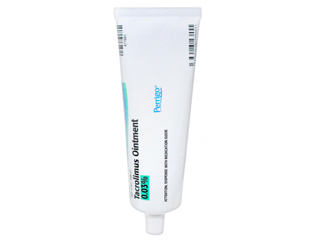

Tacrolimus
Tacrolimus is an immunosuppressant medicine used to help control the body’s immune response. It is commonly prescribed in Australia for preventing organ transplant rejection and for certain immune-related skin conditions. Because tacrolimus can affect immune function and has important safety considerations, it’s important to understand how it works, how it is taken, and what to monitor.
Important: This page provides general information about tacrolimus. Your clinician/pharmacist will tailor your dose and monitoring plan to your situation. Always follow your health professional’s advice.
1) Basic product information
| Category | Details |
|---|---|
| Medicine name | Tacrolimus |
| Type | Immunosuppressant (calcineurin inhibitor) |
| Common forms | Oral capsules/prolonged-release capsules, oral suspension (where available), topical ointment for skin (brand/formulation dependent) |
| Brand examples | Brand names vary by formulation and country availability |
| Monitoring | Blood level monitoring is often used for oral tacrolimus to ensure appropriate exposure |
| Availability in Australia | Supplied through regulated pharmaceutical channels; suitability and availability depend on prescribed indication and formulation |
2) How tacrolimus works (mechanism of action)
Tacrolimus belongs to a class of medicines called calcineurin inhibitors. It works inside immune cells to reduce the activation of T-lymphocytes—cells that play a key role in immune responses.
In simplified terms:
- Normally, T-cells help coordinate immune attack and inflammation.
- Tacrolimus blocks signalling pathways involving the protein calcineurin.
- This decreases the production of immune mediators (for example, cytokines such as interleukin-2).
- Result: a calmer immune response, which helps prevent transplant rejection or reduces inflammation in certain skin diseases.
3) Pharmacokinetics: absorption, distribution, metabolism, and excretion
Tacrolimus pharmacokinetics vary between individuals and can be influenced by food, other medicines, and liver function. Many clinicians monitor tacrolimus blood concentrations to maintain effectiveness while limiting toxicity.
Absorption
- Oral tacrolimus is absorbed through the gut, but absorption can vary widely.
- Prolonged-release formulations may have different absorption profiles than immediate-release forms.
- Formulation changes (including switching brands or excipients) may alter exposure.
Distribution
Tacrolimus distributes widely through the body and binds extensively to blood components. This contributes to monitoring being based on blood levels.
Metabolism
Tacrolimus is primarily metabolised in the liver and intestinal wall by the enzyme system CYP3A (especially CYP3A4/5). Because of this, medicines that inhibit or induce CYP3A can significantly change tacrolimus exposure.
Excretion
Metabolites are eliminated mostly through bile and faeces. Kidney impairment may influence interpretation of overall safety because tacrolimus can also affect kidney function.
4) Typical use in Australia
Tacrolimus is used in two main clinical areas:
- Organ transplantation: to prevent rejection in patients receiving solid organ transplants (e.g., liver, kidney, heart, lung) in combination with other immunosuppressants.
- Immune-mediated skin conditions: topical tacrolimus is used for certain inflammatory skin diseases (commonly for atopic dermatitis/eczema in appropriate patients, depending on product and local guidance).
The exact regimen depends on the product formulation (oral vs topical), indication, your other medicines, kidney/liver function, and individual blood levels (for oral tacrolimus).
5) When to take tacrolimus and timing tips
Oral tacrolimus: timing
- Consistency is key: take doses at the same times each day.
- If you are on a twice-daily regimen, try to space doses evenly (e.g., morning and evening).
- If you are on a once-daily prolonged-release regimen, take it consistently according to the specific product instructions.
Topical tacrolimus: timing
- Apply to the affected skin area as directed (often 1–2 times daily initially, then adjusted based on response).
- Use moisturiser and skin-care routines as advised by your clinician.
- Wash hands after application unless the hands are the treated area.
Missing a dose
If you miss a dose, follow the advice provided by your clinician or product instructions. In general:
- Do not double up to make up for a missed dose.
- If you’re unsure, ask your pharmacist for guidance based on your dosing schedule and formulation.
6) Food interactions and absorption considerations
Food can affect absorption of oral tacrolimus. Many tacrolimus regimens are designed to be taken in relation to meals to stabilise blood levels.
- Common advice: take tacrolimus at the same time each day relative to meals (for example, consistently either with food or on an empty stomach as your clinician instructs).
- Grapefruit and grapefruit juice are typically avoided because they can increase tacrolimus levels.
- If you start or stop eating habits (such as switching from regular meals to intermittent fasting), discuss with your pharmacist/clinician.
If you are uncertain about what your specific product instructions recommend regarding meals, check the label directions or ask your pharmacist.
7) Alcohol and medicine interactions
Alcohol
Alcohol use should be approached cautiously. Tacrolimus is metabolised by the liver and can impact kidney function and overall immunity. Alcohol may affect hydration, liver enzymes, and risk factors that influence safety.
- Best approach: ask your clinician whether moderate or occasional alcohol is appropriate for your situation.
- Tell your clinician if you drink alcohol regularly, drink heavily, or have liver disease.
Key medicine interaction principles
The most clinically important interactions involve medicines that alter CYP3A activity (thereby changing tacrolimus blood levels). Some interactions can cause serious toxicity (too high levels), while others can lead to transplant rejection or treatment failure (too low levels).
Examples of interacting medicine types (not exhaustive)
- Strong inhibitors of CYP3A (can raise tacrolimus levels): some antifungals (e.g., azoles), certain antibiotics (e.g., macrolides), and some antivirals.
- Inducers of CYP3A (can lower tacrolimus levels): certain anticonvulsants, some antibiotics (rifampicin), and some herbal products.
- Other nephrotoxic medicines (may increase kidney risk): some antivirals, some antibiotics, and other drugs that can affect kidney function.
- Medicines affecting potassium: depending on your other treatment, tacrolimus may contribute to electrolyte changes (your clinician may monitor bloods).
Always check: bring a list of your medicines (including over-the-counter products and herbal supplements) to your pharmacist. Tacrolimus has many potential interactions, and the safest plan depends on your full medication list.
Herbal products and supplements
Herbal products can interact with tacrolimus. A well-known example is St John’s wort (commonly used for mood), which can reduce tacrolimus levels. Avoid starting new supplements without checking with your pharmacist or clinician.
8) Indications: what tacrolimus is used for
Oral tacrolimus (transplant indication)
- Prevention of organ rejection in patients who have undergone solid organ transplantation, usually as part of combination immunosuppression.
Topical tacrolimus (skin indication)
- Moderate-to-severe atopic dermatitis/eczema in appropriate patients, typically when topical corticosteroids are unsuitable, ineffective, or as part of a step-down/maintenance strategy—depending on product-specific approvals and clinical guidance.
- Other specific dermatologic indications may apply depending on the product and formulation availability in Australia.
Not all tacrolimus products are interchangeable between oral vs topical formulations. Always use the formulation intended for your diagnosis.
9) Dosing: general guidance and what influences it
Tacrolimus dosing is individualised. Oral dosing often relies on tacrolimus blood levels and monitoring of organ function (e.g., kidneys and liver). Topical dosing depends on the skin condition, severity, body area, and patient age/product instructions.
Oral dosing overview
- Starting dose is selected based on transplant type, co-medications, and clinical status.
- Doses are then adjusted to achieve target blood concentrations.
- Monitoring typically continues after any change in dose or interacting medicines.
Blood level monitoring
For many oral tacrolimus regimens, clinicians measure “tacrolimus trough” levels (blood taken just before the next dose). Target ranges vary by protocol, time since transplant, and clinical scenario.
Topical dosing overview
- Apply a thin layer to affected skin as directed.
- Use for the prescribed duration and reassess response.
- Emollients/moisturisers can be used alongside topical tacrolimus unless your clinician advises otherwise.
What can change your dose
- Changes to other medicines (especially those affecting CYP3A)
- Liver impairment
- Kidney function changes
- Dose formulation switches (brand/prolonged-release vs immediate-release)
- Serious infection or severe illness (your clinician may adjust immunosuppression)
Do not change your dose without medical guidance. Even small changes can alter exposure significantly.
10) Safety profile: what to watch for
Tacrolimus safety depends on formulation, dose, and patient factors. Because tacrolimus suppresses immune activity, it can increase infection risk. It can also affect kidney function and can cause neurological or metabolic side effects in some people.
Common or important possible side effects (oral)
- Infection (due to immune suppression), including serious or unusual infections
- Kidney effects (changes in creatinine/renal function)
- Electrolyte changes, such as elevated potassium or magnesium changes (monitoring may be needed)
- Neurological effects such as tremor, headache, or sleep disturbances (varies by patient)
- Gastrointestinal symptoms such as nausea or diarrhoea (may occur)
- Metabolic effects such as increased blood glucose or risk of diabetes in some patients
Common or important possible side effects (topical)
- Local skin effects: burning, stinging, or warmth at the application site (often early in treatment)
- Skin irritation or redness
- Risk of infection if the skin becomes infected (seek advice promptly)
When to seek urgent medical help
Seek urgent medical care if you develop signs of a serious infection or severe reaction, such as:
- High fever, chills, or feeling very unwell
- Shortness of breath, chest pain, confusion, severe headache
- Severe vomiting/diarrhoea with dehydration
- Signs of kidney problems (your clinician will guide you; symptoms may include reduced urine output)
- Severe allergic reactions such as swelling of face/lips or difficulty breathing
Regular monitoring (oral)
- Tacrolimus blood levels (often trough levels)
- Kidney function (e.g., creatinine/eGFR)
- Liver function
- Blood counts and electrolytes as advised
- Blood glucose in patients at risk
11) Practical use tips for patients
- Use the same product consistently: switching between formulations or brands can affect exposure. If a switch is necessary, your clinician may recommend extra monitoring.
- Keep a medication list: include all prescription medicines, over-the-counter products, and supplements.
- Plan for blood tests: if you’re taking oral tacrolimus, ensure you know when your blood levels are due and whether samples should be taken before the next dose.
- Stay organised: use a pill organiser or reminder system to reduce missed doses.
- Avoid grapefruit: it can increase tacrolimus levels.
- Watch for infections: contact your healthcare provider early if you have fever, persistent cough, burning with urination, or unusual symptoms.
- Protect your skin (topical): avoid applying to infected or severely inflamed areas unless directed; use sunscreen and protective clothing for sun exposure concerns.
12) Alternative options
Depending on the indication, there are other treatment options that a clinician may consider:
For transplant immunosuppression
- Other calcineurin inhibitors: cyclosporin
- Antimetabolites such as mycophenolate mofetil or similar agents
- mTOR inhibitors such as sirolimus or everolimus (suitable for selected patients)
- Biologic agents in specific scenarios
- Adjustment of combination therapy may be used to optimise effectiveness and tolerability
For atopic dermatitis/eczema (topical)
- Topical corticosteroids (short courses for flares)
- Other topical anti-inflammatory options such as pimecrolimus (calcineurin inhibitor alternative)
- For more severe disease, clinicians may consider phototherapy or systemic therapies depending on age and severity
Alternatives depend on your specific diagnosis, severity, age, and response to previous treatment. Discuss options with a healthcare professional.
13) Tacrolimus in the Australian market and legal/regulatory context
Medicines in Australia are regulated by the Therapeutic Goods Administration (TGA). Supply, labelling, and indications for tacrolimus products are determined by product approval, formulation, and clinical evidence. Availability may differ between oral and topical preparations.
In practice, tacrolimus is commonly supplied through pharmacies and hospital dispensing for patients under specialist care. Product choice and use are guided by Australian prescribing practices and monitoring requirements.
Recent guidance and best-practice themes
While specific recommendations can vary over time and by product, current best-practice themes for tacrolimus use in transplant care often include:
- Close monitoring of blood levels when starting, stopping, or switching formulations.
- Awareness of drug–drug interactions (especially CYP3A modifiers).
- Medication adherence as a critical factor in preventing rejection and adverse effects.
- Clear communication when other clinicians prescribe new medicines (e.g., antibiotics/antifungals).
For topical tacrolimus, best-practice often emphasises correct application, skin barrier care, and reassessment of response.
14) Delivery and availability (Australia)
Tacrolimus availability can depend on:
- Whether you need an oral or topical formulation
- The specific brand and strength
- Stock levels at suppliers and pharmacies
- Whether the product is held regularly or supplied on request
When ordering online through an Australian pharmacy, delivery options typically include standard or express service (subject to location and stock). Some items may require identity verification or additional checks in line with regulatory requirements.
To support safe use, we recommend you:
- Double-check the product strength and formulation (e.g., prolonged-release vs immediate-release; ointment vs capsule)
- Keep packaging and label instructions until you have confirmed your schedule
- Contact the pharmacy if you receive a different formulation than expected
15) Tacrolimus FAQ
Is tacrolimus safe to use?
Tacrolimus can be safe and effective when used correctly with appropriate monitoring (particularly for oral tacrolimus). The safety profile depends strongly on dose, other medicines, and regular blood tests. If you have concerns, speak with your pharmacist or clinician.
Why do I need blood tests with oral tacrolimus?
Tacrolimus exposure varies between people and can change with food and interactions. Measuring blood levels helps your healthcare team balance effectiveness (preventing rejection or controlling disease) with reduced risk of side effects.
Can I stop tacrolimus if I feel better?
Do not stop tacrolimus suddenly unless a clinician advises you. Lowering immunosuppression can increase the risk of serious disease flare or transplant rejection (for oral use). Tapering decisions are always individualised.
What should I avoid while taking tacrolimus?
Common things to avoid or be cautious with include:
- Grapefruit (and grapefruit juice)
- Starting new medicines or supplements without checking for interactions
- Herbal products such as St John’s wort
- Missing doses or changing timing/food habits without advice
Do I need to take tacrolimus with food?
Your product instructions and clinician advice will specify whether to take tacrolimus with or without food. Whatever plan is chosen, it’s important to keep it consistent day-to-day to support stable blood levels.
Will tacrolimus interact with antibiotics or antifungal medicines?
Many antibiotics and antifungals can interact with tacrolimus by affecting CYP3A enzymes. Some interactions can significantly raise tacrolimus levels and increase the risk of toxicity, while others can lower levels. Always let your pharmacist know if you are prescribed any new medicine.
Can I drink alcohol?
Alcohol may be appropriate for some patients, but it can also affect liver health and overall safety. Ask your clinician or pharmacist whether alcohol is suitable for your medical situation, especially if you have liver disease or have experienced kidney issues.
How is topical tacrolimus different from oral tacrolimus?
Topical tacrolimus is applied to the skin for local inflammatory disease. Oral tacrolimus is taken by mouth and provides systemic immunosuppression. They are not interchangeable. Each has its own application rules, safety considerations, and possible side effects.
What if I miss a dose of topical tacrolimus?
Apply it when you remember unless it is close to the next scheduled application. Do not apply extra product to “catch up.” If you frequently miss doses, discuss a plan with your clinician to fit your routine.
How long does it take for tacrolimus to work?
For topical tacrolimus, some people notice improvement within days, but full benefit may take longer. For oral tacrolimus used in transplant care, effectiveness depends on consistent dosing and appropriate blood levels. Your clinician can provide expectations for your situation.
Where can I get reliable information?
Your pharmacist can help with interaction checks, dosing schedules, and safe use tips. For transplant patients, specialist clinics often provide monitoring schedules and written guidance.
Summary
Tacrolimus is an immunosuppressant used in Australia mainly for preventing transplant rejection (oral formulations) and treating certain inflammatory skin conditions such as atopic dermatitis (topical formulations). It works by inhibiting T-cell activation. Because it is metabolised by CYP3A and has a variable pharmacokinetic profile, oral tacrolimus typically requires blood level monitoring and careful attention to food and medicine interactions. By taking it consistently, avoiding known interaction triggers (such as grapefruit), and attending recommended monitoring, many patients use tacrolimus safely and effectively under clinical guidance.