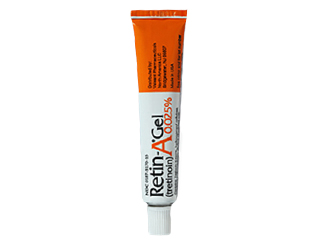
Retin-A Gel (Tretinoin) – Patient Information (Australia)
Retin-A Gel contains tretinoin, a form of vitamin A used in dermatology to improve the appearance and texture of skin affected by acne and other conditions. It works by speeding up the turnover of skin cells and helping to keep pores clear.
This guide is designed to be clear and patient-friendly. It explains how Retin-A Gel works, how it’s typically used, important safety considerations, and practical tips to help you get the best results while minimising irritation.
Basic product information
- Active ingredient: Tretinoin
- Medicinal form: Gel (topical)
- Common strengths (may vary by product range): Often available as different strengths (for example 0.025%, 0.05%, and 0.1% in some regions/brands). Check the exact label for your product.
- How it’s used: Applied to the skin as a thin layer
- Brand name: Retin-A (tretinoin topical)
Note: Product formulations and strengths can differ. Always follow the instructions that come with your specific product and any clinician guidance you’ve been given.
How Retin-A Gel works (mechanism of action)
Tretinoin is a retinoid. Retinoids influence skin cell growth and differentiation. The main ways Retin-A Gel helps include:
- Normalising keratinisation: Helps prevent the build-up of dead skin cells inside pores (comedones).
- Reducing comedone formation: Supports smoother shedding of skin cells, which can reduce clogged pores.
- Anti-inflammatory activity: Tretinoin can help reduce inflammatory signals involved in acne.
- Improving skin texture: Over time, tretinoin may improve uneven texture and fine lines in some people (off-label use may vary; see “Indications” below).
It’s common for skin to look worse before it looks better during the first weeks of treatment (often called “initial purging” or irritation). This can be part of the adjustment period.
Pharmacokinetics (what happens in the body)
Because Retin-A Gel is applied to the skin, only a small amount is generally absorbed through intact skin. Key points include:
- Absorption: Usually low through normal, unbroken skin; absorption may increase if the skin barrier is damaged (for example, frequent irritation, eczema flare, or extensive cuts).
- Distribution: Most of the action is local within the skin layers.
- Metabolism and elimination: Like other retinoids, tretinoin undergoes metabolic breakdown in the body and the metabolites are eliminated, primarily via normal clearance processes.
In practical terms, for most people using Retin-A Gel as directed, systemic exposure is generally low. However, severe irritation or large-area application can raise absorption and the risk of side effects.
Typical uses (indications)
Retin-A Gel is commonly used for:
- Acne vulgaris: Including comedonal acne and acne with inflammatory lesions.
- Supportive therapy: Often used alone or combined with other acne treatments (e.g., benzoyl peroxide or topical antibiotics, depending on severity and tolerability).
Other uses: In some settings, tretinoin may be prescribed or recommended by clinicians for additional skin concerns such as photoageing or fine lines. For the most suitable use in Australia, follow product label instructions and any clinician advice.
Who may benefit and who should be cautious
People who may benefit
- Those with clogged pores, blackheads/whiteheads, and acne-prone skin.
- People willing to use a medication consistently for several weeks to see results.
- Those who can tolerate gradual introduction to reduce irritation.
People who should be cautious
- Pregnancy or planning pregnancy: Retinoids can be harmful to an unborn baby. See “Pregnancy and breastfeeding” in the Safety Profile.
- Breastfeeding: Ask a clinician/pharmacist for advice; avoid applying to the nipple/areola.
- Very sensitive or inflamed skin: Additional irritation may occur; start slowly and consider moisturiser buffering.
- Eczema, broken skin, or severe sunburn: Avoid until skin has recovered.
Dosing and how to apply Retin-A Gel
Important: Always check your exact product label and the instructions you were given. Typical topical directions are below.
| Topic | Typical patient guidance |
|---|---|
| Frequency | Often started once daily or every second night to reduce irritation; then increased as tolerated. |
| Amount | Use a pea-sized amount for the whole face (unless directed otherwise). Apply a thin layer. |
| Where to apply | Acne-prone areas only. Avoid eyes, corners of the nose, mouth, and any broken or irritated skin. |
| Timing of application | Usually applied at night (see “Timing” below). |
| Gentle routine | Cleanse, dry skin well, apply a thin layer, then moisturise if needed. |
Step-by-step practical application
- Wash your face: Use a gentle cleanser. Avoid harsh scrubs.
- Dry completely: Let skin dry for about 10–20 minutes before applying (especially if you’ve just washed).
- Apply a thin layer: Use your fingertip to spread a small amount over affected areas.
- Moisturise if needed: A moisturiser can reduce dryness and irritation. You may use the “moisturiser sandwich” method (below).
- Wash hands after use: Avoid accidental transfer to eyes or lips.
“Moisturiser sandwich” method (to reduce irritation)
- Apply a light moisturiser to dry skin.
- After it absorbs, apply a thin layer of Retin-A Gel.
- Top with moisturiser again if your skin is sensitive.
This can help some people manage dryness while still maintaining treatment consistency.
Timing: when to use Retin-A Gel for best results
- Use at night: Tretinoin is commonly used after dark because it can increase sensitivity to sunlight. Night use also helps reduce interference with daytime skincare and cosmetics.
- Start slowly: If you’re new to retinoids, begin with two to three nights per week and increase gradually based on tolerance.
- Consistency matters: Aim for regular use once daily or as tolerated. Skipping frequently can reduce effectiveness.
Typical improvement patterns for acne may include:
- Weeks 2–6: Possible dryness, mild redness, and/or initial purging.
- 6–12 weeks: More noticeable reduction in new lesions.
- 3–6 months: Best longer-term results for many people.
Food interactions
Retin-A Gel is applied to the skin. As a result, it has minimal direct interaction with foods. There are generally no specific dietary restrictions required.
However, overall vitamin A balance is important in general retinoid safety. Do not take high-dose vitamin A supplements without medical advice, and inform your pharmacist about any vitamin A or retinoid-containing products you use.
Alcohol and medicine interactions
Alcohol
- Topical gel: Alcohol in the sense of drinking is not usually a direct interaction for skin-applied tretinoin.
- Topical products containing alcohol: Using alcohol-based toners or astringents on the same area can worsen irritation, dryness, and skin burning. Consider switching to alcohol-free, gentle products.
Other medicine interactions (common topical and skin-product interactions)
Some combinations can increase irritation or reduce tolerance. Discuss with a clinician or pharmacist if you use any of the following:
- Other strong acne actives: Benzoyl peroxide, salicylic acid, glycolic acid, or alpha hydroxy acids (AHAs) may be used in acne regimens, but may increase dryness. Many people tolerate them by alternating days or using the products at different times.
- “Drying” products: Alcohol-based toners, medicated cleansers, or peel products can make skin more sensitive.
- Topical antibiotics or other retinoids: Combination regimens may be appropriate but should be planned to reduce irritation.
- Photosensitising medications: While tretinoin mainly causes local skin sensitivity, some systemic medicines can increase sun sensitivity. Protect your skin with sunscreen and clothing.
Oral retinoids: If you take oral vitamin A derivatives (or have recently taken them), ask a clinician before using tretinoin gel, as irritation and toxicity risks may be increased.
Safety profile and side effects
Common side effects
Most side effects are related to skin irritation, especially early in treatment.
- Dryness
- Redness or irritation
- Peeling or flaking
- Burning or stinging
- Itching
- Scaling
Less common but important reactions
- Severe skin irritation or blistering
- Swelling of the treated area
- Severe burning or rash
Seek medical advice promptly if you experience severe reactions, signs of allergy (such as widespread rash, facial swelling, or difficulty breathing), or if symptoms are worsening rather than improving after adjusting frequency.
When to pause or adjust use
- If irritation is significant, reduce frequency (for example from nightly to every second night) and increase moisturising.
- Avoid applying to skin that is sunburnt, cut, or severely irritated.
Practical use tips (to reduce irritation and improve results)
- Use a gentle cleanser: Avoid scrubs, exfoliating brushes, and harsh soaps.
- Moisturise regularly: A non-comedogenic moisturiser can improve tolerability.
- Start low and go slow: Gradual introduction reduces “retinisation” symptoms.
- Wear sunscreen daily: Look for broad-spectrum SPF (at least SPF 30). Use hats and shade too.
- Be careful with other actives: If you use benzoyl peroxide, AHAs, or salicylic acid, consider spacing them out (for example alternating nights).
- Apply to fully dry skin: Applying to damp skin can increase stinging.
- Use only a thin layer: More product does not equal faster results; it often increases irritation.
- Protect your lips and corners of the nose: A thin layer of bland moisturiser (not on the gel area itself) can reduce discomfort.
Tip: If you’re wearing makeup, consider applying Retin-A Gel last at night. In the morning, use gentle cleansing and moisturising, then apply SPF and makeup as desired.
Sun exposure and weather considerations
Tretinoin can make skin more reactive to UV light. Sunburn can be more likely and more intense during treatment.
- Avoid peak sun: Try to reduce sun exposure when UV is highest.
- Use sunscreen: Broad-spectrum sunscreen and protective clothing are important.
- Cold/windy weather: Dry air can worsen dryness—consider extra moisturising.
Pregnancy and breastfeeding (important)
Retinoids can be harmful during pregnancy. If you are pregnant, trying to become pregnant, or could become pregnant, discuss options with a healthcare professional immediately before using tretinoin.
- Pregnancy: Do not use tretinoin unless specifically advised by a clinician after considering risks.
- Breastfeeding: Seek advice before use. Avoid applying to the nipple/areola area.
If you become pregnant while using Retin-A Gel, stop and seek medical advice promptly.
Alternative options for acne and retinoid therapy
If Retin-A Gel isn’t suitable due to irritation, availability, or preference, there are other options commonly used for acne:
- Other topical retinoids: Different formulations (e.g., adapalene, tretinoin in other bases) may feel better for some people.
- Benzoyl peroxide: Helps reduce bacteria and inflammation; may be used alone or combined with retinoids.
- Topical salicylic acid: Helps unclog pores; can be useful for blackheads and oily skin.
- Azelaic acid: Offers acne support and can be gentler for some sensitive skin types.
- Oral options or combination regimens: For moderate-to-severe acne, clinicians may consider oral treatments or structured combination therapy.
Switching products: When changing treatments, your skin may need a “washout” or slower reintroduction to reduce irritation.
Market and legal context in Australia (general information)
In Australia, topical medicines are regulated under the Therapeutic Goods Administration (TGA) framework. Product availability (including brand and strength) and whether a medicine can be supplied through certain channels can depend on the regulatory category and local pharmacy policies.
For online pharmacy purchases, availability may vary by strength and formulation. If you’re unsure, speak with your pharmacist about:
- Which strengths are available
- Appropriate directions for your skin type and acne severity
- How to build a compatible routine
Recent guidance: Over recent years, standard dermatology recommendations have continued to emphasise gradual introduction, careful moisturising, strict sunscreen use, and avoiding unnecessary irritants. Keep an eye on updates from reputable Australian dermatology resources and clinician guidance.
Delivery and availability
Availability of Retin-A Gel may vary by:
- Strength (different strengths may have different supply patterns)
- Gel base and packaging
- Online pharmacy inventory and regional delivery schedules
When ordering from an Australian online pharmacy, typical delivery considerations include:
- Dispatch times: Often depend on stock on hand and payment verification.
- Delivery locations: Delivery availability may vary for remote areas.
- Cold-chain: Usually not required for tretinoin gels under normal storage conditions, but check your product label.
Storage: Store at room temperature as directed on the packaging. Keep the gel tightly closed and away from moisture and heat.
FAQ: Retin-A Gel (Tretinoin)
1) How long does it take to work?
Many people notice improvement after 6–12 weeks. Skin texture and prevention of new breakouts often continue improving over 3–6 months. Early dryness or purging may occur in the first few weeks.
2) Should I use Retin-A Gel every day?
Not necessarily at the start. Many people do better by beginning 2–3 nights per week and slowly increasing to once daily if tolerated. If irritation is significant, reduce frequency and moisturise.
3) Can I use Retin-A Gel with moisturiser and sunscreen?
Yes. Moisturiser can reduce dryness. Sunscreen is strongly recommended during the day to help protect your skin from increased sensitivity.
4) What should I do if my skin gets very irritated?
Stop and reassess your routine. You may need to reduce application frequency, use moisturiser more consistently, and avoid other irritating skincare products. Seek advice if symptoms are severe or persistent.
5) Can I use Retin-A Gel with benzoyl peroxide?
Many acne regimens use them together. However, both can be irritating. If you’re getting stinging or peeling, consider alternating them (for example, benzoyl peroxide in the morning and Retin-A Gel at night) or spacing days apart.
6) Will it bleach or stain my clothes or towels?
Retinoid gels can potentially transfer. Allow the product to dry fully before contact with bedding or towels, and consider using a clean pillowcase during the early weeks.
7) Can I shave or use hair-removal products after applying?
Avoid applying close to shaving or using irritating hair-removal products on the treated area until your skin has settled. If you experience burning, wait until irritation improves.
8) Is it safe for teenagers?
It may be appropriate for acne in adolescents depending on clinical assessment. If a teen is using Retin-A Gel, parental guidance and close monitoring of skin tolerance are important.
9) Can I use it around my eyes?
Avoid the eyes and the immediate eye area. If a small amount gets into the eye, rinse with water thoroughly.
10) Is Retin-A Gel suitable for all skin types?
Retin-A Gel can be used across many skin types, but sensitivity varies. If you have darker skin tones, persistent irritation can sometimes increase the risk of temporary dark marks (post-inflammatory hyperpigmentation). Gentle introduction, sunscreen, and moisturising are especially important.
11) Can I drink alcohol while using Retin-A Gel?
Drinking alcohol is not typically known to directly interact with topical tretinoin. However, alcohol may indirectly affect skin hydration and inflammation. If you also use alcohol-containing toners on your face, avoid them to reduce irritation.
Summary
Retin-A Gel (tretinoin) is a topical retinoid that helps treat acne by supporting normal skin cell turnover and keeping pores clear. It is most effective when used consistently, started gradually to minimise irritation, and supported by a gentle skincare routine including daily sunscreen.
If you have questions about how to fit Retin-A Gel into your regimen, your pharmacist can help you choose compatible products and advise on irritation management.