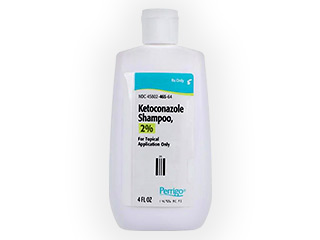
Nizoral Shampoo (Ketoconazole 2%) — Patient Information (Australia)
Nizoral Shampoo is an antifungal medicine containing ketoconazole 2%. It is used to treat certain fungal and yeast-related skin conditions, especially those affecting the scalp. This page explains what it is used for, how it works, how to use it safely, and what to expect.
Active ingredient: Ketoconazole 2% (in a medicated shampoo base)
Common uses: Seborrhoeic dermatitis (dandruff), pityriasis (tinea) versicolor, and related fungal conditions as advised by your healthcare professional.
Quick facts
- Medicine: Nizoral Shampoo (ketoconazole 2%)
- Type: Antifungal shampoo
- Who it helps: People with dandruff/seborrhoeic dermatitis and certain fungal skin conditions
- How it’s used: Applied to the affected area, left on for a short period, then rinsed
- Common timing: Often 2–3 times weekly initially, then maintenance may be needed
- Important note: Avoid eyes and broken skin; rinse well
How Nizoral Shampoo works (mechanism of action)
Ketoconazole is an antifungal medicine. It works by interfering with the production of key substances the fungus needs to survive and grow.
Specifically, ketoconazole helps block steps in ergosterol synthesis, an essential component of fungal cell membranes. Without proper cell membrane formation, fungal cells become damaged and growth slows or stops.
On the scalp, ketoconazole can help reduce yeast overgrowth (commonly Malassezia species) that contributes to dandruff and seborrhoeic dermatitis. By reducing fungal activity and inflammation, it can help relieve symptoms such as itching, flaking, and redness.
Pharmacokinetics (how the medicine behaves in the body)
Ketoconazole in shampoo is primarily used on the skin/scalp. For many people, only small amounts may be absorbed through intact skin. When applied correctly and in recommended amounts, systemic absorption is generally low.
- Absorption: Limited systemic absorption through the scalp/skin when used as directed.
- Distribution: Any absorbed amount is distributed in the body through the bloodstream, but levels are typically low after topical use.
- Metabolism & elimination: Like other ketoconazole formulations, absorbed ketoconazole is metabolised mainly by the liver and eliminated over time. However, with shampoo use, systemic exposure is usually minimal.
Patient-friendly takeaway: Compared with oral ketoconazole tablets, ketoconazole shampoo generally has a much lower risk of widespread body effects when used correctly on the scalp/skin.
What Nizoral Shampoo is used for (indications)
Nizoral Shampoo (ketoconazole 2%) is used to treat fungal/yeast-related conditions affecting the scalp and, in some cases, skin. Common indications include:
- Seborrhoeic dermatitis (dandruff), including itch, flakes, and redness on the scalp
- Dandruff and related seborrhoeic scalp conditions
- Pityriasis versicolor (tinea versicolor) (usually on the body, depending on clinician advice and product instructions)
- Other yeast-associated conditions as directed by a healthcare professional
If you’re unsure whether your rash or flaking is fungal, consider getting advice. Some conditions that look similar (e.g., psoriasis, eczema, contact dermatitis) may require different treatments.
Typical dosing and treatment schedule
Below are commonly used schedules. Always follow the instructions on the product pack or your healthcare professional’s advice.
| Condition | Typical schedule | How long to leave on | Notes |
|---|---|---|---|
| Seborrhoeic dermatitis / dandruff (scalp) | Usually 2–3 times per week | About 3–5 minutes before rinsing | Continue for several weeks or as directed; maintenance may be needed |
| Pityriasis versicolor (body, if advised) | Often 1–2 times daily for a short course, depending on instructions | Follow product guidance for contact time | May require repeated courses; keep skin clean and dry |
| Maintenance / prevention of flare-ups | Sometimes once weekly or as needed | Follow product guidance | Symptoms can return when treatment stops |
Step-by-step practical dosing (scalp)
- Wet the hair/scalp thoroughly.
- Apply enough shampoo to cover the affected areas (scalp is the focus).
- Massage gently into the scalp and hair roots.
- Leave on for the recommended contact time (commonly 3–5 minutes).
- Rinse well with water.
- Wash and style as usual. Avoid getting shampoo in the eyes.
Timing with other hair treatments
- If you also use other medicated shampoos or scalp treatments, separate them in time where possible (or ask your pharmacist).
- To avoid dilution, use ketoconazole shampoo as the main cleansing step for that wash.
- Allow the scalp to rinse thoroughly so residues from other products don’t affect tolerability.
When will it start working? (timing & expectations)
Many people notice improvement within the first 1–2 weeks of regular use, though this can vary. For some conditions, clearing and symptom control may take several weeks.
- Early signs of benefit: less itching, reduced flaking
- Ongoing control: continued use on the recommended schedule helps keep yeast levels down
- Recurrence: symptoms can return if treatment is stopped; a maintenance routine may help
If there’s no improvement after the recommended course, or symptoms worsen, seek advice. You may need a different diagnosis or treatment plan.
Food interactions
Food interactions are usually not relevant for ketoconazole shampoo because it is applied to the scalp/skin. Systemic absorption is generally low when used correctly.
However, if you are using other ketoconazole medicines (for example, oral medications), you may have dietary and medicine interaction considerations. For shampoo alone, you can typically eat normally.
Alcohol and medicine interactions
Because ketoconazole shampoo is topical, the risk of significant alcohol interactions is generally low.
That said, it’s still important to consider interactions in these situations:
- If you use other antifungal medicines (especially oral antifungals), check with your pharmacist for overall interaction risk.
- If you have liver disease or take medicines that affect the liver, ask for advice—particularly if you use any systemic ketoconazole.
- If you use medications that strongly affect liver enzymes, a clinician may want to review your full medication list (again, this is most relevant for oral medications).
Practical guidance: Keep a list of your medicines (including supplements) and show it to your pharmacist if you’re unsure.
Safety profile and side effects
Like all medicines, Nizoral Shampoo can cause side effects. Many are mild and related to skin contact.
Common side effects
- Skin irritation (burning, redness, dryness)
- Itch or discomfort in the treated area
- Dry hair or changes in hair feel
- Altered hair texture in some people
Less common / potential allergic reactions
Stop use and seek medical attention promptly if you experience signs of a serious reaction such as:
- Swelling of the face, lips, or throat
- Severe rash or widespread hives
- Difficulty breathing
Who should take extra care
- Eye exposure: Avoid contact with eyes. If it gets in your eyes, rinse with water immediately.
- Broken or inflamed skin: Use caution; avoid application to open wounds unless advised.
- Children: Use according to product directions and seek pharmacist advice for the right schedule.
- Pregnancy and breastfeeding: Topical use generally has low systemic absorption. If you are pregnant or breastfeeding, discuss with a healthcare professional for personal advice.
Important: If irritation becomes significant, discontinue and seek advice. Don’t increase frequency to “push through” discomfort.
Practical tips for best results
- Massage gently: A short massage helps distribute the medicine across the scalp.
- Keep the contact time: Leaving it on for the recommended minutes improves effectiveness.
- Rinse thoroughly: Reduces residue that may irritate skin.
- Use consistently: Regular washing on the recommended schedule is key—dandruff often returns if treatment is sporadic.
- Don’t share hair products if you’re treating a contagious or yeast-associated condition. While dandruff itself isn’t “caught” like some infections, sharing may prolong irritation or hygiene issues.
- Watch hair and scalp response: If your scalp becomes unusually dry or sensitive, consider a gentle, fragrance-free conditioner on hair lengths (not the scalp) and ask for advice.
- Wash hands after use: Helps avoid accidental contact with eyes.
If you wear wigs or hairpieces
For scalp conditions, maintaining scalp hygiene is important. If you use hair extensions or coverings, ensure they are cleaned regularly. If symptoms persist, ask a clinician or pharmacist whether a different approach is needed.
Alternative options
Depending on your specific diagnosis and severity, other treatments may be considered. Your pharmacist or doctor can help you choose based on your history and scalp condition.
Common alternative treatments for dandruff/seborrhoeic dermatitis
- Other medicated shampoos such as selenium sulfide or zinc pyrithione
- Salicylic acid shampoos to help lift scales
- Coal tar products (some may help but have odour and staining)
- Topical corticosteroids for short-term flare control (typically used under guidance)
- Moisturising and barrier-support measures for sensitive or eczema-prone scalp
Which is best? The best choice often depends on how your scalp responds, sensitivity to ingredients, and whether you need long-term maintenance.
Australia: market and legal context (overview)
In Australia, medicines are regulated under the Australian regulatory framework. Antifungal shampoos containing ketoconazole are generally supplied as medicines for topical use.
Pharmacy supply: Availability may vary by formulation strength and packaging. Many ketoconazole-based shampoos are commonly available through pharmacies and approved online pharmacy channels.
Product information: Always check the packaging and included Consumer Medicine Information (CMI) for details such as active ingredients, excipients, and specific directions for your product.
Guidance updates: Treatment recommendations for dandruff and seborrhoeic dermatitis can evolve based on ongoing clinical practice. If you have persistent symptoms, severe inflammation, or uncertain diagnosis, consider seeking updated advice from a healthcare professional.
Recent guidance and practice points (general)
Current clinical practice for seborrhoeic dermatitis and dandruff typically emphasises:
- Diagnosis first: ensuring the condition is truly seborrhoeic dermatitis or fungal/yeast-associated.
- Regular use early: using the medicated shampoo at the recommended frequency for an adequate trial.
- Maintenance therapy: many people require intermittent ongoing use to prevent recurrence.
- Rule out mimics: psoriasis, contact dermatitis, eczema, and other scalp conditions may require different treatments.
If your symptoms are not responding, or you have widespread skin involvement, fever, pain, or significant skin changes, seek medical assessment.
Delivery and availability (online pharmacy)
Availability can depend on stock levels and the specific product pack size. When ordering online in Australia, delivery timeframes and shipping costs vary by provider.
- Dispatch: Many orders are dispatched within 1–2 business days if the item is in stock.
- Delivery: Typically domestic delivery occurs within several business days depending on location and courier service.
- Packaging: Medicines are usually packed securely to protect contents during transit.
For the most accurate information, check the product listing for current stock, dispatch estimates, and delivery options.
How to store Nizoral Shampoo
- Store at room temperature as directed on the pack.
- Keep the bottle tightly closed.
- Keep out of reach of children.
- Do not use after the expiry date shown on the packaging.
FAQ — Nizoral Shampoo (Ketoconazole 2%)
1) Is Nizoral Shampoo the same as ketoconazole cream?
No. Nizoral Shampoo is a medicated shampoo formulated for scalp/skin washing. Ketoconazole creams or foams are different products with different dosing and application instructions.
2) Can I use it every day?
Follow the dosing schedule on the product pack or as advised. Many people use ketoconazole shampoo 2–3 times per week for dandruff/seborrhoeic dermatitis. Using it too frequently may increase dryness or irritation.
3) How long should I leave it on my scalp?
Typically about 3–5 minutes, but follow your product’s instructions. This contact time helps improve antifungal effectiveness.
4) Will it stain my hair?
Ketoconazole shampoo is not known for the same staining issues as some tar-based products. Still, individual reactions vary. If you’re concerned, patch-test or ask your pharmacist.
5) Can I use conditioner or hair mask?
You can usually use conditioner on hair lengths after rinsing the shampoo. Avoid applying conditioner directly onto the treated scalp if it causes irritation or interferes with medication contact.
6) What if I accidentally get it in my eyes?
Rinse immediately with water for several minutes. Seek medical advice if irritation persists.
7) What if my symptoms get worse at first?
Mild irritation can happen. However, if you develop significant redness, burning, swelling, or a worsening rash, stop use and seek advice.
8) How long should I continue treatment?
For many conditions, treatment continues for several weeks (or until control is achieved), then maintenance may be used to prevent recurrence. If there is no improvement, ask for reassessment.
9) Are there any interactions with other scalp treatments?
Generally, topical use has low systemic interaction risk, but combining multiple medicated products can irritate the scalp. If you use other medicated shampoos or topical steroids, ask your pharmacist for an approach that avoids over-irritation.
10) Is it safe for children?
Children may use ketoconazole shampoo depending on age and the product’s instructions. Consult a pharmacist for appropriate directions.
When to seek medical advice urgently
Seek prompt medical attention if you have signs of a severe allergic reaction (e.g., swelling of the face/lips/throat, difficulty breathing) or if you experience severe skin pain, extensive blistering, or infection signs such as oozing, fever, or rapidly spreading redness.
Note: This information is intended to help you use Nizoral Shampoo safely and effectively. For the most accurate instructions for your specific product and situation, read the pack label and accompanying Consumer Medicine Information, and speak with a pharmacist if you have questions.