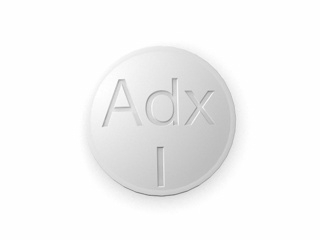


Arimidex (Anastrozole) – Patient Information (Australia)
Arimidex is the brand name for anastrozole, a medicine used to treat certain types of breast cancer. It belongs to a group of medicines called aromatase inhibitors. Arimidex works by lowering oestrogen levels in the body, which can help reduce the growth of hormone-receptor–positive breast cancer.
This page is designed to help you understand how Arimidex works, how it’s usually taken, and what to consider for safe use. If you have any questions about your specific situation, talk with your doctor or pharmacist.
Basic Product Information
| Category | Details |
|---|---|
| Brand name | Arimidex |
| Generic name | Anastrozole |
| Medicine type | Aromatase inhibitor (hormone therapy for breast cancer) |
| Common form | Oral tablets |
| Typical strength | Usually 1 mg tablets |
| How it works | Reduces oestrogen production |
| Who it may be used for | Breast cancer that is oestrogen receptor (ER) and/or progesterone receptor (PR) positive, and certain other hormone-related settings under medical guidance |
How Arimidex Works (Mechanism of Action)
In many postmenopausal women, the body produces most oestrogen by converting androgens (male-type hormones made in small amounts in the body) into oestrogen through an enzyme called aromatase.
Anastrozole inhibits aromatase. By blocking this enzyme, Arimidex significantly lowers oestrogen levels. For cancers that rely on oestrogen to grow, reduced oestrogen can help slow or stop tumour progression and lower the risk of recurrence.
- Targets: Aromatase enzyme
- Result: Reduced oestrogen production
- Goal: Control hormone-sensitive breast cancer
Pharmacokinetics (How the Body Handles the Medicine)
Understanding pharmacokinetics can help explain dosing consistency.
- Absorption: Anastrozole is absorbed after oral administration. It can be taken with or without food (see Food Interactions).
- Distribution: It circulates in the bloodstream and reaches tissues where aromatase activity occurs.
- Metabolism: The medicine is broken down mainly by liver metabolism pathways (including CYP-related processes), producing inactive or less active metabolites.
- Elimination: Metabolites are primarily cleared via the kidneys and through bile pathways.
- Duration of effect: Arimidex has a long-lasting effect on oestrogen suppression, which supports once-daily dosing for many patients.
Individual response and tolerability vary. Your clinician may adjust monitoring, particularly if you have other health conditions (for example, liver or kidney issues).
What Arimidex Is Typically Used For
Arimidex is used in hormone-receptor–positive breast cancer in appropriate patient groups. Common indications include:
- Adjuvant treatment (after initial surgery and other treatments) to reduce recurrence risk in eligible postmenopausal patients with hormone-receptor–positive early breast cancer.
- Extended adjuvant treatment (ongoing prevention of recurrence after initial hormone therapy) in selected patients.
- First-line treatment for hormone-receptor–positive advanced or metastatic breast cancer in postmenopausal women.
- Second-line treatment for advanced breast cancer after progression on prior hormone therapy, depending on clinical circumstances.
Important: The best choice of hormone therapy depends on factors such as menopausal status, tumour receptor status (ER/PR), prior treatments, and overall health.
Timing and How to Take Arimidex
Typical dosing approach
In many settings, Arimidex is taken as:
- 1 mg once daily by mouth
Your dosing schedule may be tailored to your situation. Always follow the dosing instructions provided with your medicine.
When to take it
- Choose a consistent time each day to help you remember.
- With or without food: Meals do not usually require timing changes.
- If you miss a dose:
- Take it when you remember on the same day.
- If it is almost time for the next dose, skip the missed dose.
- Do not take two doses to make up for a missed one.
Practical example
Many people use a routine such as taking Arimidex after breakfast or in the evening at the same time each day. The goal is consistency, not a special fasting schedule.
Food Interactions
Arimidex generally has no clinically significant food interactions. You can usually take it:
- With food if that helps reduce stomach discomfort
- On an empty stomach if that suits you
If you notice nausea or stomach upset, taking it with a light meal may be more comfortable.
Alcohol and Medicine Interactions
Alcohol is not known to directly interfere with anastrozole in a simple way, but alcohol can affect:
- Side effects: Drinking alcohol may worsen dizziness, fatigue, or nausea in some people.
- Bone health: Long-term heavy alcohol intake can contribute to bone thinning, which is relevant because aromatase inhibitors may affect bone mineral density.
- Liver function: While anastrozole is metabolised in the liver, moderate alcohol use is typically considered acceptable for many patients—however, your risk depends on your liver health and other medicines.
General advice: If you choose to drink alcohol, consider keeping it moderate and discuss your pattern with your pharmacist or doctor, especially if you have liver concerns or take other medications.
Drug Interactions (Medicine-to-Medicine Considerations)
Some medicines can affect the metabolism of anastrozole or change the overall balance of drug levels in your body.
Tell your healthcare provider and pharmacist about all medicines you take, including:
- Prescription medicines
- Over-the-counter medicines
- Herbal products and supplements
Common interaction themes to consider:
- Hormone-containing products: Do not take oestrogen-containing treatments or hormone supplements unless your clinician explicitly advises it.
- Some enzyme-acting medicines: Certain drugs may alter metabolism pathways. Your pharmacist can check for clinically meaningful interactions.
- Bone-related medicines: If you also take medicines for osteoporosis or calcium/vitamin D, discuss how they fit into your routine.
Because interaction risk depends on your exact medication list, a pharmacist check is strongly recommended.
Safety Profile: Common and Serious Side Effects
Like all medicines, Arimidex can cause side effects. Many are manageable, but it’s important to know what to watch for.
Common side effects
- Hot flushes
- Joint stiffness or pain (arthralgia)
- Headache
- Fatigue
- Nausea
- Skin rash (less common but possible)
- Vaginal dryness or discomfort
Bone and muscle-related effects
Aromatase inhibitors may reduce bone mineral density, which can increase risk of osteoporosis and fractures. This risk may be higher if you already have low bone density, use corticosteroids, or have other risk factors.
- Your clinician may recommend bone density testing (DEXA scans)
- Calcium and vitamin D supplementation may be advised
- Some patients may be prescribed a bone-protecting medicine
Serious side effects – seek urgent medical help
Contact medical services urgently if you experience:
- Signs of an allergic reaction: swelling of face/lips, severe rash, difficulty breathing
- Severe chest pain or breathing difficulties
- Symptoms of blood clots (e.g., one-sided leg swelling or sudden shortness of breath)
- Severe or persistent musculoskeletal pain or inability to move a limb
When to speak with your pharmacist or doctor soon
- New or worsening joint pain that affects daily activities
- Significant dizziness, fainting, or ongoing nausea/vomiting
- Any unusual bleeding or persistent pelvic pain (especially if you still menstruate or have other symptoms)
Practical Use Tips
These tips can make treatment smoother and help you stay on track.
- Use a daily reminder: Phone alarms, medication apps, or a weekly pill organiser can help.
- Manage joint stiffness: Gentle daily movement, stretching, and maintaining a healthy activity level may help. If pain becomes significant, ask your clinician about targeted strategies.
- Support bone health: Engage in weight-bearing exercise if safe for you, and follow advice about calcium/vitamin D.
- Track side effects: Keeping a simple log (hot flushes, pain level, sleep) can help your healthcare team adjust care.
- Stay hydrated: Some people experience dry skin or discomfort; regular fluids may help overall wellbeing.
- Report changes promptly: Early discussion often leads to better symptom control.
Alternative Options (If Arimidex Isn’t Suitable)
Your clinician may consider alternatives depending on the cancer type, previous treatments, menopausal status, side-effect profile, and personal preferences.
Possible alternatives include:
- Other aromatase inhibitors: e.g., letrozole, exemestane (choice depends on tolerance and clinical factors).
- Other hormone therapies: e.g., tamoxifen in some settings (especially when aromatase inhibitors are not appropriate).
- Targeted and other systemic treatments: In advanced disease, therapy may include combinations with other medicines.
If you experience troublesome side effects, don’t stop medication abruptly without advice—discuss options with your healthcare team.
Market and Legal Context for Australia (General Information)
In Australia, medicines like Arimidex are regulated and supplied through appropriate channels. Availability can vary by manufacturer, pharmacy stock levels, and prescription status requirements under Australian law.
- Supply: Medicines are generally dispensed by licensed pharmacies.
- Safety checks: Pharmacists may conduct interaction and suitability checks based on your medication list.
- Quality: Medicines sold in Australia must meet regulatory standards for quality, safety, and efficacy.
Because regulatory and supply rules may change, the most accurate guidance for you is the information provided by your pharmacist and the Australian regulatory framework in force at the time of dispensing.
Recent Guidance and Monitoring Considerations
Clinical practice around hormone therapies continues to emphasise:
- Accurate oestrogen receptor/hormone receptor testing to guide treatment decisions.
- Bone health monitoring during aromatase inhibitor therapy, including attention to osteoporosis risk.
- Cardiovascular risk assessment for long-term care, as overall patient risk factors matter in survivorship.
- Managing musculoskeletal symptoms early to support ongoing adherence.
Your doctor may schedule follow-ups and monitoring such as blood tests and imaging or tumour markers where appropriate, depending on your stage of disease and treatment plan.
Delivery and Availability (Australia)
Online pharmacies in Australia commonly offer home delivery for eligible medicines, subject to verification steps and local regulations. Delivery times can vary based on:
- Your location (metro vs regional)
- Stock availability
- Courier service schedules
- Public holidays and order processing times
What you can usually expect:
- Secure packaging
- Tracking information once dispatched
- Clear labelling and dosage information
If you have urgent timing needs for continuing therapy, choose an online service that clearly displays dispatch and estimated delivery timeframes.
Frequently Asked Questions (FAQ)
1) Is Arimidex only for postmenopausal women?
Arimidex is primarily used in postmenopausal settings for many hormone-receptor–positive breast cancer indications. However, suitability depends on the clinical context and menopausal status. Your healthcare team will determine the best approach.
2) How quickly does Arimidex start working?
Anastrozole lowers oestrogen levels relatively quickly after dosing. The effects on cancer outcomes are assessed over weeks to months, depending on whether treatment is adjuvant or for advanced disease.
3) Can I take Arimidex with other medications?
Often yes, but interactions can occur. Always provide your full medication list to your pharmacist to check for compatibility, including supplements and herbal products.
4) What should I do if I miss a dose?
- Take it when you remember if it’s not close to the next dose.
- If the next dose is due soon, skip the missed dose.
- Do not double up.
5) Does Arimidex cause weight gain?
Weight changes can happen for many reasons during cancer treatment (stress, reduced activity, menopause-related changes). Arimidex is not typically described as a direct cause of major weight gain, but individual responses vary.
6) How can I cope with hot flushes and joint pain?
Strategies may include lifestyle adjustments (cooling techniques, paced activity), supportive therapies, and discussing symptom-targeted treatments with your clinician. Don’t stop Arimidex—early management often improves comfort and adherence.
7) What about bone thinning—do I need tests?
Your clinician may recommend a bone density test and may advise calcium/vitamin D and/or bone-protecting medicines, particularly if you have risk factors for osteoporosis.
8) Is it safe to drink alcohol while taking Arimidex?
Moderate alcohol intake is often tolerated, but alcohol may worsen side effects and can negatively impact bone health with heavy use. If you’re unsure, ask your pharmacist for advice based on your health and other medications.
9) Are there alternatives if I can’t tolerate side effects?
Yes. Depending on your situation, your doctor may suggest another aromatase inhibitor or a different hormone therapy. Discuss symptoms promptly to find a plan that balances effectiveness and comfort.
10) How long is Arimidex taken for?
Treatment duration depends on the stage of disease and whether it’s used as early/extended adjuvant therapy or for advanced disease. Your healthcare team will outline the expected plan and review it over time.
Important Reminder
This information is intended to support your understanding of Arimidex (anastrozole). It does not replace advice from your healthcare professional. If you experience side effects, have concerns about interactions, or are planning to start any new medicine or supplement, speak with your pharmacist or doctor.