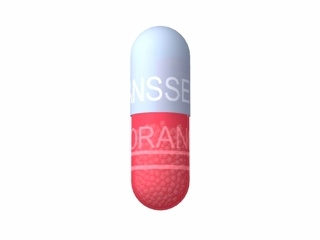
Sporanox (Itraconazole) – Patient Information (Australia)
Sporanox is the brand name for itraconazole, an antifungal medicine used to treat a range of fungal infections. This guide explains how it works, how it is usually taken, important safety information, and what to consider with food, alcohol, and other medicines. It is written to be patient-friendly and suitable for use on an online pharmacy website.
Quick product overview
| Information | Details |
|---|---|
| Medicine | Sporanox (itraconazole) |
| Type | Oral antifungal (azole) |
| Common uses | Fungal infections including certain skin, nail, and systemic fungal infections |
| How it works | Stops fungal growth by interfering with fungal cell membrane production |
| Key considerations | Drug interactions are important; absorption depends on stomach acid and food; monitor for heart-related effects |
| Australia availability | Availability may vary by formulation and supply; check your pharmacy listing |
How Sporanox works (mechanism of action)
Itraconazole belongs to the azole class of antifungal medicines. It works by blocking an enzyme called lanosterol 14α-demethylase (in the fungal pathway for making ergosterol).
- Ergosterol is a key component of the fungal cell membrane.
- When itraconazole reduces ergosterol production, the fungal cell membrane becomes weakened and less functional.
- Depending on the fungus and the site of infection, itraconazole can act in a way that is fungistatic (slows growth) or may contribute to killing fungi at effective levels.
Because fungal infections may involve organisms in tissues where drug levels build over time, treatment often requires consistent dosing for the full course even after symptoms start to improve.
Pharmacokinetics: absorption, distribution, and clearance
Understanding how itraconazole behaves in the body can help explain why food and stomach acid matter, why interactions are common, and why dosing schedules may vary.
Absorption
- Itraconazole is absorbed mainly from the gastrointestinal tract.
- Its absorption can be influenced by stomach acid. Medicines that reduce stomach acid (for example, some antacids and acid-suppressing medicines) may reduce absorption.
- Different formulations (such as capsules vs oral solution in some markets) have different absorption characteristics. Your pharmacy’s product details will specify the formulation you’re using.
Distribution
- Itraconazole distributes into tissues where fungal infections occur.
- It can persist in certain tissues for some time, which is one reason courses can be longer than the time it takes for symptoms to settle.
Metabolism and elimination
- Itraconazole is metabolised by the liver.
- Clearance is gradual, contributing to the need for careful dosing and awareness of interactions.
What Sporanox is used for (typical use)
Itraconazole is used to treat fungal infections. The exact indications depend on the fungus type, infection site, and the individual’s health status.
Common areas of use may include:
- Skin fungal infections (e.g., dermatophyte infections)
- Nail fungal infections (onychomycosis) in appropriate cases
- Fungal infections involving the mouth or throat (e.g., some forms of oral candidiasis) when indicated
- Systemic or invasive fungal infections (more serious infections) where itraconazole is considered appropriate
If your infection is suspected to be fungal, it’s important that a clinician confirm the likely organism when possible. Some infections can look similar but require very different treatments.
When to take itraconazole (timing)
Taking itraconazole at the right time and with the right food can improve absorption and effectiveness. Always follow the dosing instructions provided for your specific product and formulation.
General timing principles
- Take it consistently at the same times each day.
- If the medicine instructions say to take it with food, follow that advice carefully.
- If you miss a dose, do not take extra doses to “catch up” unless your instructions specifically advise this. Instead, take the next dose at the scheduled time and seek advice if unsure.
Important: Absorption may be affected by meal timing and stomach acid. Your product pack and pharmacist can confirm the best way to take your exact Sporanox formulation.
Food interactions and absorption (what to expect)
Food can affect how much itraconazole is absorbed. In many cases, taking itraconazole with food improves absorption. However, the most accurate guidance depends on the particular formulation.
- Some patients are advised to take itraconazole after a meal.
- If you use medicines that reduce stomach acid, absorption may drop, potentially lowering effectiveness.
- Do not start or stop acid-reducing medicines without speaking to a clinician or pharmacist.
Practical tip: Keep your dosing routine stable—use the same meal pattern and timing each day unless instructed otherwise.
Alcohol and medicine interactions
Alcohol does not usually cause a simple “yes/no” reaction with itraconazole, but there are important considerations. Itraconazole is metabolised in the liver, and alcohol may also affect liver function.
- Limit alcohol during treatment, especially if you have existing liver disease.
- Heavy alcohol intake may increase the risk of liver irritation or worsen side effects.
- Avoid binge drinking and seek medical advice if you develop symptoms suggesting liver problems (see the safety section).
If you’re unsure whether alcohol is safe for you, discuss it with a pharmacist. Individual factors (liver health, other medications, infection severity) matter.
Interactions with other medicines
Itraconazole has a reputation for important drug interactions because it affects liver enzymes involved in drug metabolism. These interactions can either increase itraconazole levels (raising side effect risk) or reduce effectiveness of other medicines. Some interactions can be serious.
Common interaction themes
- Medicines that reduce stomach acid: may reduce itraconazole absorption.
- Liver enzyme inducers (some medicines can “speed up” metabolism): may reduce itraconazole levels.
- Cardiac and rhythm medicines: caution is needed because itraconazole can increase levels of certain drugs that affect heart rhythm.
- Some statins, sedatives, and other commonly used medicines: may require dose adjustments or avoidance.
Examples of medicines that may interact (not exhaustive)
- Acid suppressors such as proton pump inhibitors (PPIs) and some H2 blockers
- Antacids and some buffering agents
- Rifampicin/rifabutin (tuberculosis medications)
- Some anti-seizure medicines (enzyme-inducing antiepileptics)
- Certain cholesterol-lowering medicines (statins)
- Some heart rhythm medicines
- Some anticoagulants and antiplatelet medicines
Tell your pharmacist about all medicines you take, including: prescription medicines, over-the-counter products, vitamins, herbal remedies (such as St John’s wort), and “natural” antifungal products.
Indications and suitability
Itraconazole may be considered for infections that are confirmed or strongly suspected to be fungal and where the expected benefits outweigh risks. Choice of medicine depends on:
- Type of fungus (where known)
- Infection site (skin, nails, lungs, systemic)
- Severity and how quickly the infection is progressing
- Your medical history (especially heart conditions and liver function)
- Other medicines you currently take
If you have symptoms that could suggest a serious fungal infection—such as persistent fever, rapidly worsening illness, or symptoms affecting the lungs, brain, or bloodstream—seek urgent medical advice. In those cases, itraconazole may be used under close clinical oversight.
Dosing: what is typical and what varies
Dosing for itraconazole depends on the type and location of the fungal infection, your kidney and liver function, the formulation, and how you respond to treatment. Always follow the exact dosing instructions provided with your medicine.
How dosing commonly differs by infection type
- Skin infections: treatment is often for a defined number of days to weeks.
- Nail infections: may require longer treatment; sometimes pulses or extended courses are used.
- More serious infections: dosing and monitoring may differ and may require ongoing review.
Do not self-adjust
- Do not increase or decrease the dose on your own.
- If you experience side effects or feel worse, contact a healthcare professional promptly rather than stopping suddenly unless instructed.
- Completing the full course matters for reducing relapse risk.
Note: Because itraconazole exposure and absorption can be complex, your pharmacist can help confirm whether your specific formulation should be taken with food and at what timing.
Safety profile: important warnings and side effects
Like all medicines, itraconazole can cause side effects. Many people tolerate it well, but some reactions require prompt attention. The key safety issues include liver effects and potential effects in people with certain heart conditions.
Seek urgent medical help if you develop
- Signs of severe allergy (swelling of face/lips, difficulty breathing, severe rash)
- Chest pain, fainting, or signs of serious heart problems
- Severe dizziness or fast/irregular heartbeat with feeling unwell
- Symptoms of liver problems such as yellowing of skin/eyes, dark urine, unusual fatigue, persistent nausea, or right upper abdominal pain
Common side effects
- Headache
- Nausea, stomach upset, abdominal discomfort
- Changes in taste
- Diarrhoea or constipation
- Mild rash or itching
Less common but important considerations
- Liver enzyme changes can occur; clinicians may monitor if treatment is prolonged or risk factors are present.
- Heart-related effects may be a concern in people with certain existing heart conditions. Discuss your heart history with a clinician before starting.
- Drug interactions can be a significant safety risk, especially with medicines affecting heart rhythm or liver metabolism.
Who should be extra cautious?
- People with liver disease or abnormal liver function tests
- People with heart failure or significant heart disease
- People taking multiple medicines with known interaction potential
- Pregnant or breastfeeding people: risks and benefits should be discussed with a clinician.
Practical use tips for best results
- Take it with the right meal: follow the instructions on the pack for your formulation.
- Don’t stop early: fungal infections may improve before they are fully eradicated.
- Track improvements: symptoms can take time to resolve. For nail infections, visible recovery can lag behind internal improvement.
- Keep the infected area dry and clean (where applicable): hygiene and reducing moisture can support treatment.
- Avoid sharing towels and consider laundering bedding/clothing regularly to reduce spread.
- Report side effects early: early review can prevent complications and improve comfort.
If you forget a dose, refer to your medicine instructions or ask a pharmacist for guidance based on your schedule.
Alternative treatment options
Depending on the infection type, itraconazole may be one of several appropriate antifungal medicines. Alternatives may include other oral antifungals or topical options.
Common alternative antifungals
- Fluconazole (often used for certain yeast infections)
- Terbinafine (commonly used for dermatophyte infections and nail fungal infections in many cases)
- Voriconazole or posaconazole (typically for more serious fungal infections in hospital or specialist contexts)
- Topical antifungals (for limited skin surface infections)
Why alternatives may be chosen
- Different fungi respond differently
- Different safety considerations based on your medical history
- Interaction profile with your existing medicines
- Suitability based on the infection site and severity
A pharmacist or clinician can help compare options and suggest what may work best for your specific diagnosis.
Market and legal context for Australia
In Australia, medicines are regulated through the TGA (Therapeutic Goods Administration). Antifungal products like itraconazole are supplied in accordance with Australian scheduling and prescribing rules. Availability can depend on formulation and current supply arrangements.
For online pharmacies, listings and purchasing options typically reflect the legal supply status of the medicine and may require additional checks to confirm suitability and safety.
Patient note: Always ensure you receive genuine products from reputable sources and check expiry dates and packaging integrity.
Recent guidance and monitoring considerations
Clinical use of itraconazole is supported by ongoing medical guidance focused on safety—particularly around:
- Drug interactions (reviewing current medicines before starting)
- Heart and liver safety (being alert to symptoms and monitoring where appropriate)
- Confirming infection type where possible to avoid ineffective treatment
- Appropriate duration to reduce relapse
Because guidance can evolve with new safety data, it’s sensible to ask a pharmacist if there are any updates relevant to your situation. Keep a list of your medicines so that reviews can be fast and accurate.
Delivery and availability (Australia)
Availability of Sporanox (itraconazole) may vary by:
- formulation (e.g., capsule vs oral solution where applicable)
- strength and pack size
- current supply and pharmacy stock levels
When ordering online, you may be able to choose delivery options such as standard or express depending on location. Delivery times can vary based on:
- metropolitan vs regional areas
- weekend and public holiday dispatch schedules
- stock availability and verification checks
If you need treatment urgently, consider placing an order early and contacting customer support for estimated dispatch times.
FAQ
1. How long does it take for Sporanox to work?
Many fungal infections start to improve within days to weeks, but complete clearance can take longer. For nail infections, visible improvement may take months because nails grow slowly. Continue the full course as instructed, even if symptoms improve early.
2. Can I take Sporanox with food?
In many cases, taking itraconazole with food improves absorption. Follow the specific instructions on your product packaging and confirm with your pharmacist about the best timing for your formulation.
3. What should I do if I miss a dose?
If you miss a dose, take it as soon as you remember if it’s close to your next dose. If it’s nearly time for your next scheduled dose, skip the missed dose and continue as normal. Do not double up unless a pharmacist instructs you to do so.
4. Are there foods I should avoid?
There are no universal dietary restrictions for everyone on itraconazole, but food can influence absorption. Avoid changing meal patterns suddenly. If you take acid-reducing medicines or antacids, discuss timing with a pharmacist.
5. Does alcohol interfere with itraconazole?
Alcohol may increase strain on the liver, and itraconazole is metabolised in the liver. It’s generally safest to limit alcohol during treatment, especially if you have liver concerns. Seek advice if you drink regularly or have liver disease.
6. What other medicines should I avoid?
Several medicines can interact with itraconazole, including some acid-suppressing drugs, enzyme-inducing medicines, and certain medicines that affect heart rhythm. Tell your pharmacist about all your medicines (including over-the-counter and herbal products) so interactions can be checked.
7. Is itraconazole safe for people with liver problems?
Caution is needed. Itraconazole can affect liver enzymes and rarely cause serious liver problems. Your clinician may consider monitoring and may choose an alternative if risks are high.
8. Is itraconazole safe for heart failure?
People with certain heart conditions should use caution. Discuss your heart history with a clinician before starting itraconazole and seek advice promptly if you experience concerning symptoms such as breathlessness, swelling, or chest pain.
9. What if my symptoms get worse?
If symptoms worsen, you develop fever, or you feel unwell despite taking itraconazole, seek medical advice. Infections may be caused by organisms that require different treatment, or there may be complications needing review.
10. Are there alternative antifungals?
Yes. Depending on the infection, alternatives may include fluconazole, terbinafine, or other antifungals, and some mild cases may be treated with topical therapy. Choice depends on the fungus type, location, and your medication and health history.
Remember: If you have questions about how to take Sporanox, food timing, missed doses, or potential interactions with your medicines, speak to a pharmacist. This can help maximise effectiveness and minimise preventable risks.