


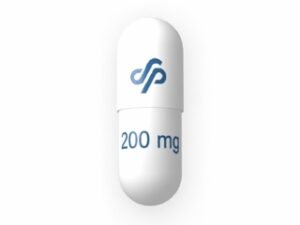
Oseltamivir Phosphate (Oseltamivir) — Patient Guide (Australia)
Oseltamivir, also known by the brand name Tamiflu in many countries, is an antiviral medicine used to treat and help reduce the duration and complications of influenza (flu). This guide is written to be patient-friendly and focuses on how oseltamivir works, how it is usually used, key safety considerations, and practical tips for Australians.
Important: This information is general. Individual treatment decisions depend on age, symptoms, medical history, and local health guidance. If you are unsure whether oseltamivir is suitable for you, speak with a qualified healthcare professional.
Basic Product Information
| Item | Information |
|---|---|
| Medicine | Oseltamivir Phosphate |
| Common name | Oseltamivir |
| Type | Antiviral (neuraminidase inhibitor) |
| Used for | Treatment and, in certain situations, prevention of influenza |
| Typical forms | Capsules and oral suspension (strengths vary by product and country listing) |
| Key benefit | Can reduce the length and severity of flu illness, especially when started early |
How Oseltamivir Works (Mechanism of Action)
Influenza viruses release new viral particles from infected cells using an enzyme called neuraminidase. Oseltamivir works by inhibiting neuraminidase, which helps:
- Stop the virus from spreading to new cells in the respiratory tract.
- Reduce viral shedding (the amount of virus released).
- Lower the time the body remains ill when taken early in the course of infection.
In practical terms, oseltamivir does not cure flu instantly, but it can help your immune system clear the virus more effectively—particularly when started promptly after symptoms begin.
Pharmacokinetics (Absorption, Metabolism, and Elimination)
Understanding pharmacokinetics can help explain timing and food effects. In simplified terms:
- Absorption: After you swallow oseltamivir, it is absorbed through the stomach and small intestine.
- Activation: Oseltamivir is converted in the body to its active metabolite (commonly referred to as oseltamivir carboxylate).
- Distribution: The active metabolite circulates and reaches the respiratory tissues where influenza replicates.
- Elimination: The active metabolite is removed primarily via the kidneys (urine).
- Renal adjustment: People with reduced kidney function may need dose adjustments.
Because the medicine is processed in the body and cleared through the kidneys, dose and frequency may differ for those with kidney impairment and in some age groups.
What Oseltamivir Is Typically Used For
Oseltamivir is used in influenza (flu) scenarios, including:
- Early treatment of confirmed or suspected influenza in people who are at risk of complications, and in many cases for otherwise healthy people when started early.
- Prevention in certain situations where exposure risk is high (for example, household or close contact outbreaks), according to current clinical guidance.
It does not treat other respiratory viruses such as common colds (rhinovirus, etc.) and does not replace vaccination.
Timing Matters: When to Start
One of the most important factors for effectiveness is starting early. Studies and clinical experience consistently show that oseltamivir works best when begun within 48 hours of the onset of flu symptoms.
- Best window: Start as soon as possible, ideally within 48 hours.
- Ongoing illness: People who are very unwell, hospitalised, or at higher risk of complications may still benefit even if started later, based on professional judgement and local guidance.
- Follow symptom onset: Do not wait for test results if influenza is strongly suspected and treatment is being considered.
If symptoms worsen rapidly (such as breathing difficulty, chest pain, confusion, bluish lips, severe dehydration), seek urgent medical attention immediately.
Indications (When It May Be Considered)
While exact prescribing indications can vary with Australian product information and clinical guidelines, oseltamivir is generally considered for:
- Confirmed or suspected influenza: especially when started early and/or in high-risk groups.
- People at higher risk of severe influenza complications (examples may include some chronic medical conditions, immunocompromised states, pregnancy, older age, and certain other risk factors).
- Preventive use during close contact exposure or outbreaks, where recommended by clinicians and public health advice.
Vaccination remains the best prevention strategy for seasonal influenza. Antivirals are a treatment and targeted prevention tool in specific circumstances.
Dosing Information (General Guidance)
Dosing depends on age, kidney function, the reason for use (treatment vs prevention), and the formulation (capsule vs oral suspension). Below are general dosing patterns commonly used in clinical practice; always check the product label and follow the directions provided for your situation.
Typical adult dosing (for treatment)
- 150 mg total per day (commonly given as 75 mg twice daily) for 5 days.
Typical adult dosing (for prevention)
- 75 mg once daily is a common preventive regimen for at-risk exposure periods, with duration based on the exposure scenario and guidance.
Children
Children’s dosing is commonly based on weight, and the oral suspension is frequently used for children who cannot swallow capsules.
- Dosing schedules can differ between treatment and prevention.
- Renal function also matters in children with kidney impairment.
Renal impairment (kidney function)
- Because oseltamivir’s active metabolite is cleared by the kidneys, people with reduced kidney function may require dose reduction or altered frequency.
- In significant kidney impairment, dosing should be specifically guided by product information and a clinician.
Do not change your dose without advice. If a dose is missed, follow the instructions on the label or seek guidance on what to do next.
Food Interactions and How to Take It
Food does not usually prevent oseltamivir from working. However, food can affect stomach comfort and timing of absorption.
- With food: Many people find taking oseltamivir with food helps reduce stomach upset and nausea.
- Without food: It can still be effective if taken without food, but gastrointestinal side effects may be more noticeable.
General practical approach:
- Choose a consistent routine (for example, with breakfast and dinner for twice-daily regimens).
- If nausea occurs, consider taking doses with meals or snacks (as appropriate for your schedule).
Alcohol and Medicine Interactions
Alcohol is not specifically known to have a direct interaction with oseltamivir in standard clinical use, but alcohol can worsen dehydration and may impair recovery by aggravating nausea, fatigue, and sleep quality—especially during influenza illness.
- During flu: It is generally best to limit or avoid alcohol while sick.
- If you choose to drink: do so carefully and consider adequate fluids, especially if you have vomiting or diarrhoea.
Regarding medicine interactions, oseltamivir has fewer interaction risks than some antivirals because it is not broadly metabolised by the liver enzymes that interact with many drugs. Still, interactions can occur, particularly with medicines affecting kidney function or other factors.
Please inform your pharmacist or healthcare professional about all medicines you use, including:
- Prescription medicines
- Over-the-counter medicines
- Herbal products and supplements
- Any kidney-related medicines
Some combinations may require caution or monitoring. Your pharmacist can check interaction details for your specific regimen.
Safety Profile: Common and Serious Side Effects
Like all medicines, oseltamivir can cause side effects. Many people experience mild, short-lived effects. Report any concerning symptoms promptly.
Common side effects
- Nausea
- Vomiting
- Headache
- Stomach discomfort
- Fatigue (may overlap with flu symptoms)
Less common but important reactions
- Allergic reactions (for example, rash, itching, swelling, difficulty breathing)
- Severe skin reactions (rare)
- Neuropsychiatric symptoms have been reported rarely in some populations; seek urgent care if you experience confusion, abnormal behaviour, or severe agitation.
When to seek urgent help
- Signs of anaphylaxis (trouble breathing, swelling of face/throat, collapse)
- Severe allergic symptoms or widespread rash
- Severe or persistent vomiting (risk of dehydration)
- Confusion, seizures, or concerning changes in mental state
If you are pregnant, breastfeeding, or caring for a child, discuss the risks and benefits with a healthcare professional. In many situations, antivirals may still be appropriate—particularly when influenza is severe or there is higher risk.
Practical Use Tips (Make It Easier to Take)
- Start early: Begin within 48 hours of symptom onset when advised.
- Keep the schedule: Use alarms or phone reminders for twice-daily or once-daily dosing.
- Take with food if nausea occurs: This can improve tolerance for many people.
- Stay hydrated: Flu can dehydrate you; drink fluids regularly.
- Do not stop early unless told: Finish the prescribed course to help ensure maximum effect.
- Use alongside supportive care: Rest, fluids, and symptom relief (e.g., paracetamol for fever/pain) may be recommended.
For children, follow the dosing measurement method provided with the oral suspension (use the syringe/measure provided with the product, not kitchen teaspoons).
Alternative Options
In influenza treatment and prevention, several approaches exist. Choice depends on timing, disease severity, risk groups, and local availability.
Supportive care (for many people)
- Fluids and rest
- Fever and pain relief such as paracetamol or ibuprofen (if suitable)
- Monitoring for complications
Other antivirals
Depending on local clinical guidance, other neuraminidase inhibitors or influenza antivirals may be considered. Availability and suitability vary by country and individual factors.
- Zanamivir (inhaled in some settings) — may be used in certain circumstances.
- Baloxavir (oral agent in some regions) — in some cases, may be considered for uncomplicated influenza when appropriate and available.
Your pharmacist or doctor can explain what options are appropriate for your circumstances and whether antivirals are recommended for your risk level and timing.
Market and Legal Context for Australia
In Australia, antiviral use for influenza is guided by clinical evidence and public health advice. Product availability, formulation types, and prescribing/dispensing pathways are regulated under Australian healthcare and medicines regulations.
When purchasing online, ensure the product you receive matches the Australian-specified brand/generic and strength. Look for:
- Clear product identification (generic name and strength)
- Authorised supply and reliable pharmacy credentials
- Up-to-date product information and expiry date
For the most current advice on flu prevention and treatment (including when antivirals are recommended), Australians can consult:
- Australian Government health guidance
- State and territory health advice
- Vaccination programs and influenza updates
Recent Guidance and Updates (How Guidance Usually Changes)
Influenza guidance can evolve during different seasons due to circulating strains, antiviral resistance surveillance, and observed effectiveness in real-world settings. Key points that typically remain consistent include:
- Early treatment is important for best outcomes.
- Priority groups (higher risk of complications) are often treated promptly.
- Prevention may be considered in specific exposures/outbreaks.
If you are making a decision during a flu outbreak, check the most recent advice from Australian health authorities and consider talking to a pharmacist or clinician for current local recommendations.
Delivery and Availability (Online Pharmacy Considerations)
Availability can vary by season and product form (capsules vs oral suspension). When ordering online in Australia, you can typically expect:
- Packaging and labelling that match the Australian market product.
- Clear instructions on how to take the medicine safely.
- Delivery timeframes that depend on stock status and your location.
- Temperature considerations (most oseltamivir products do not require special refrigeration; follow product label instructions).
For urgent symptom windows (especially within 48 hours), order as early as possible and confirm dispatch times. If delivery delays would make you miss the early treatment window, seek advice promptly about immediate options.
FAQ
1) Is oseltamivir the same as the flu vaccine?
No. Oseltamivir is an antiviral medicine for treating influenza after infection (and in some cases preventing it after exposure). The flu vaccine is used before you catch influenza to reduce the risk of illness and complications.
2) Will oseltamivir work if I start it after 48 hours?
It may still be beneficial in some situations (for example, severe illness, hospitalised patients, or high-risk groups). The decision depends on clinical factors and timing, so it’s best to seek guidance if you are beyond 48 hours from symptom onset.
3) Can I take oseltamivir with paracetamol or ibuprofen?
In general, oseltamivir can be used alongside common symptom relief medicines like paracetamol or ibuprofen if you are able to take them safely. However, check label instructions and confirm with a pharmacist if you have medical conditions or take other medicines.
4) What if I miss a dose?
Follow the directions on the product label or ask a pharmacist for the safest advice. Generally, missed-dose instructions depend on how close you are to the next scheduled dose.
5) Can children take oseltamivir?
Oseltamivir is used in children in influenza treatment and prevention in many clinical settings. Dosing is often weight-based and should be guided by appropriate age/weight product instructions and healthcare guidance.
6) Does oseltamivir cause nausea?
Nausea (and sometimes vomiting) is among the more common side effects. Taking the medicine with food can help reduce stomach upset for many people.
7) Are there food interactions?
Food does not usually make oseltamivir ineffective, but taking it with food can improve tolerability. Alcohol is not directly known for a specific interaction, but it can worsen illness effects like dehydration and stomach upset.
8) Who should be cautious?
People with kidney disease, those who are pregnant or breastfeeding, and those with a history of medication allergies should discuss oseltamivir suitability with a healthcare professional. Always mention relevant medical conditions and current medicines.
9) Is oseltamivir effective against all flu types?
Oseltamivir targets a conserved function of influenza viruses (neuraminidase). Effectiveness can vary with circulating strains and resistance patterns, which is why local guidance and timely treatment matter.
10) What should I do if symptoms get worse?
If you develop worsening breathing, chest pain, severe dehydration, persistent vomiting, confusion, or other concerning symptoms, seek urgent medical attention. Flu can lead to complications, and you may need additional care.
Summary
Oseltamivir (oseltamivir phosphate) is an antiviral medicine used for influenza treatment and, in selected situations, prevention. It works by inhibiting the neuraminidase enzyme, helping stop the virus from spreading within the body. It is most effective when started early—ideally within 48 hours of symptom onset—and it may be especially valuable for people at higher risk of severe influenza complications.
If you need help deciding what to do next during flu season—such as dosing suitability, timing, or interactions—contact a pharmacist for patient-specific guidance.