

Dapsone (Diaminodiphenyl sulfone) – Patient Information (Australia)
Dapsone—also known as diaminodiphenyl sulfone—is a medicine used to treat certain skin conditions and infections. This guide explains how Dapsone works, how it is used, what to expect, and important safety considerations for people in Australia.
Basic product information
| Item | Details |
|---|---|
| Generic name | Dapsone (diaminodiphenyl sulfone) |
| Common brand names | May vary by supplier and formulation |
| Medicine type | Antibacterial/anti-inflammatory agent; also used for specific immune-mediated conditions |
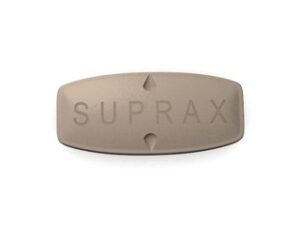
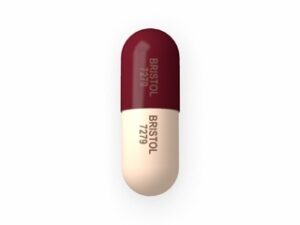
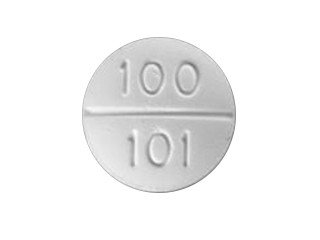
| Available forms | Tablets (strengths vary by product) |
| Typical route | Oral |
| How it is taken | Often once or twice daily, depending on indication |
Note: Brand availability and pack strengths can differ. Always follow the exact instructions on your medicine label and accompanying information.
How Dapsone works (mechanism of action)
Dapsone belongs to the sulfone group of medicines. Its action is complex, but key mechanisms include:
- Antibacterial activity: Dapsone can inhibit growth of certain organisms by interfering with folate pathways involved in bacterial growth.
- Anti-inflammatory/immune effects: For some conditions (especially dermatologic and immune-mediated diseases), Dapsone reduces damaging inflammation, including effects on neutrophils and oxidative processes.
- Oxidative balance: Dapsone can affect red blood cells and oxygen transport in certain situations (this is why careful monitoring is important).
Depending on the condition being treated, Dapsone may be used for its antimicrobial effect, anti-inflammatory effect, or both.
Pharmacokinetics (how the body handles Dapsone)
Understanding pharmacokinetics helps explain why dosing schedules and monitoring matter.
- Absorption: Dapsone is absorbed after oral dosing. Peak blood levels typically occur within several hours (exact timing varies among individuals).
- Distribution: It distributes into body tissues, including skin.
- Metabolism: Dapsone is metabolised mainly in the liver.
- Elimination: It is eliminated gradually, contributing to a relatively long effective time in the body.
- Active metabolites: Some metabolites contribute to both therapeutic effects and side effects (notably on red blood cells).
Because Dapsone stays in the body for a long time, effects may not be immediate, and changes to dosing should be done cautiously under medical guidance.
Typical uses (indications)
Dapsone is used for a range of conditions. Common indications include:
- Leprosy (Hansen’s disease): Dapsone has a role in combination regimens for certain forms of leprosy.
- Dermatologic conditions: including dermatitis herpetiformis (an intensely itchy blistering rash associated with coeliac disease).
- Some bacterial skin infections (depending on local practice and organism susceptibility).
- Other immune-mediated dermatologic conditions in selected cases, where clinicians judge benefit versus risk.
Your prescriber determines whether Dapsone is appropriate based on your diagnosis, blood tests, co-existing conditions, and other medicines.
Dosing and timing
Dosing differs by indication, severity, and individual factors. Below are general dosing examples to help you understand how it’s commonly prescribed—always use your own label instructions.
General dosing principles
- Start low, adjust gradually: Many patients are started at a lower dose and increased if needed, especially for long-term skin conditions.
- Consistency: Take at similar times each day.
- Monitoring guides dosing: Blood counts and sometimes other tests may determine whether to continue, reduce, or stop.
Example timing
- Once daily dosing: Often taken in the morning or evening, at the same time each day.
- Twice daily dosing: Usually spaced about 12 hours apart.
When will I feel better? Some skin symptoms may improve within days to weeks, but full benefit (especially in chronic conditions) can take longer. If you don’t notice any improvement within the expected timeframe for your condition, discuss this with your healthcare professional.
Food interactions and what to eat
Dapsone can usually be taken with or without food. However, the following practical points may help:
- Take with food if it upsets your stomach: Light meals or taking with food may reduce nausea.
- Avoid sudden major dietary changes: This is particularly relevant for people with coeliac disease or nutritional concerns.
- Hydration: Maintain normal fluid intake unless your clinician advises otherwise.
If you have specific dietary restrictions or take supplements, ask your pharmacist for advice tailored to your situation.
Alcohol interactions
Alcohol may increase stress on the liver and can worsen certain blood-related side effects. Because Dapsone is metabolised in the body and may affect red blood cells, it is generally recommended to:
- Limit or avoid alcohol during treatment—especially during the first weeks or if you have liver-related concerns.
- Avoid binge drinking.
If you’d like guidance on safe alcohol intake for your personal health profile, speak with a pharmacist or your clinician.
Interactions with medicines (important)
Dapsone can interact with other medicines. Some interactions may raise the risk of side effects or require blood monitoring. Always tell your pharmacist about:
- All prescription medicines
- Over-the-counter medicines
- Herbal products and supplements
- Any history of abnormal blood counts
Common interaction themes
- Medicines that affect blood cells or oxygen transport: Using Dapsone with other drugs that can affect haemoglobin or red blood cells may increase risk of anaemia or methemoglobinaemia.
- Drugs affecting the liver: Combining multiple liver-metabolised medicines may increase hepatic strain.
- Folate pathway agents: Because Dapsone can impact folate-related processes, clinicians may consider folate status and related supplements.
Examples (ask your pharmacist if you are unsure)
- Other antibacterial or anti-inflammatory agents
- Medicines associated with blood disorders (e.g., certain haematology-impacting drugs)
- Some antihyperglycaemic, anticonvulsant, or other chronic medicines (interaction depends on your regimen)
This is not a complete list. Provide your full medication list to your pharmacist to check interactions safely.
Safety profile and possible side effects
Most people tolerate Dapsone reasonably well when monitored appropriately. However, it can cause serious adverse reactions in some cases. The major safety concerns include blood-related effects and, less commonly, liver or hypersensitivity reactions.
Common or expected side effects
- Fatigue or mild nausea
- Headache
- Skin changes (varies by condition and dose)
Important serious risks (seek urgent medical attention if these occur)
- Signs of anaemia or low oxygen: unusual tiredness, breathlessness, pale skin, chest discomfort
- Methemoglobinaemia symptoms: bluish lips or skin, shortness of breath, persistent headache, confusion
- Allergic/hypersensitivity reactions: fever, rash, facial swelling, severe skin reaction (especially with blisters or peeling), or severe itching
- Liver problems: yellowing of the skin/eyes, dark urine, severe abdominal pain, persistent nausea/vomiting
- Severe infections or bleeding/bruising: unusual bruises, bleeding gums, frequent infections (may indicate blood count issues)
Who is at higher risk?
- People with G6PD deficiency (risk of haemolysis and anaemia)
- People with pre-existing blood disorders
- People with liver disease or significant alcohol use
- People taking interacting medicines that can affect red blood cells or metabolism
Practical use tips (how to take Dapsone safely)
- Keep appointments for blood tests: Monitoring is essential with Dapsone because blood and liver parameters can change.
- Report early symptoms: Fatigue, breathlessness, dark urine, new rash, or bluish discoloration should be assessed promptly.
- Don’t stop suddenly without advice: If Dapsone is controlling an underlying condition, abrupt changes may cause relapse. Follow clinician instructions.
- Use the same routine daily: Taking at a consistent time supports adherence and accurate monitoring of side effects.
- Tell dentists and other clinicians: Dapsone can affect medical decisions, including peri-procedural care.
- Manage skin carefully (if you’re treating dermatologic conditions): Use gentle skincare and avoid harsh irritants; itch relief may still require additional measures depending on diagnosis.
What to expect during treatment
- Early monitoring: Your healthcare provider may check baseline blood tests and repeat them periodically during treatment.
- Gradual improvement: Skin symptoms may improve over time, but the timeline varies widely.
- Adjustment may occur: Dose changes may be made based on clinical response and laboratory monitoring.
Alternative options
Alternatives depend on the condition being treated. Clinicians may consider other options such as:
For dermatitis herpetiformis (DH)
- Gluten-free diet: A cornerstone of management for coeliac-associated disease.
- Other medications may be considered if Dapsone is unsuitable due to side effects or contraindications.
For leprosy
- Multidrug therapy (MDT): Treatment typically involves combination regimens selected by specialist guidelines.
For certain bacterial or inflammatory skin conditions
- Other antibiotics or anti-inflammatory treatments may be considered depending on diagnosis and local sensitivity patterns.
If Dapsone is not suitable, your pharmacist or clinician can discuss evidence-based alternatives tailored to your diagnosis and risk factors.
Market and legal context in Australia
In Australia, medicines are regulated under the Therapeutic Goods Administration (TGA) framework. Product availability, labelling requirements, and supply categories depend on the specific formulation and indication.
Dapsone is a well-established medicine, but suitability and access depend on clinical assessment and appropriate monitoring. Online pharmacies must comply with Australian regulations, including identification and dispensing processes.
Important: If you are ordering or being supplied Dapsone, ensure the product is from a legitimate pharmacy and that packaging and labelling match the medicine you intend to take.
Recent guidance and monitoring expectations
Guidance for Dapsone therapy commonly emphasises:
- Baseline assessment of blood counts and relevant risk factors (including G6PD deficiency where appropriate).
- Ongoing blood monitoring to detect early complications such as anaemia, haemolysis, or other blood cell changes.
- Prompt evaluation of symptoms that could indicate methemoglobinaemia, liver injury, or hypersensitivity.
- Careful selection of interacting medicines and avoidance of unnecessary combinations.
Your healthcare professional may follow updated local and specialist protocols for your specific indication. Always rely on the most current advice provided by your clinician or pharmacist.
Delivery and availability (Australia)
Dapsone availability may vary by supplier and product strength. When ordering online in Australia:
- Check stock status on the pharmacy website.
- Confirm the strength and formulation matches your intended medicine.
- Delivery times depend on location and dispatch schedules.
- Packaging should include clear labelling and patient information.
If a medicine is temporarily unavailable, some pharmacies can offer alternatives or advise when restock is expected. Contact customer support to discuss options.
FAQ
1. What is Dapsone used for?
Dapsone is used for conditions such as dermatitis herpetiformis and as part of treatment regimens for leprosy, among other selected skin and infectious conditions depending on diagnosis.
2. How long does Dapsone take to work?
Some symptoms (especially skin-related symptoms) may improve within days to weeks, but longer-term effects can take longer. Your clinician can tell you what response timeline to expect for your specific condition.
3. Can I take Dapsone with food?
Yes—Dapsone can usually be taken with or without food. If you experience stomach upset, taking it with food may help.
4. Is Dapsone safe with alcohol?
Alcohol may increase liver strain and may worsen certain risks. It’s best to limit or avoid alcohol during treatment, particularly early on or if you have liver issues.
5. What blood tests are usually monitored?
Monitoring commonly includes full blood counts and assessments related to red blood cell health. Your healthcare professional may also monitor liver function depending on your situation.
6. What are signs of a serious problem?
Seek urgent medical help if you develop bluish skin/lips, marked breathlessness, severe headache or confusion, persistent vomiting, yellowing of skin/eyes, severe rash or blistering, or unusual bruising/bleeding.
7. What if I miss a dose?
Take it when you remember unless it is close to your next dose. Do not double up. If you’re unsure, ask your pharmacist for advice based on your dosing schedule.
8. Can I stop Dapsone when my symptoms improve?
Do not stop without medical advice. For chronic conditions, stopping too early can lead to relapse. Your clinician will advise on tapering or duration where appropriate.
9. Are there alternatives to Dapsone?
Alternatives depend on the condition being treated. For dermatitis herpetiformis, a gluten-free diet is central. Other medicines may be considered if Dapsone is unsuitable. For leprosy, treatment commonly involves multidrug therapy.
10. Can other medicines interact with Dapsone?
Yes. Some medicines may increase the risk of blood-related side effects or affect liver metabolism. Provide a full list of your medicines (including supplements and herbal products) to your pharmacist for a safe check.
Disclaimer: This information is provided for general education and should not replace personalised medical advice. If you have concerns about Dapsone for your specific condition, talk to a healthcare professional or pharmacist.