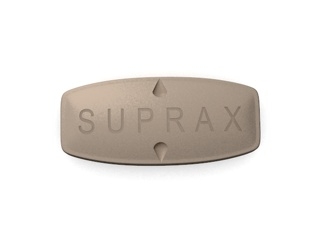


Suprax (Cefixime) — Patient Information for Australia
Suprax is a brand of cefixime, an antibiotic used to treat certain bacterial infections. This guide explains what Suprax is, how it works, how it is used, and important safety information for people in Australia.
Always read the product packaging and follow the advice of your healthcare professional. Antibiotics should be used only for infections they can treat (bacterial infections), not for viral illnesses such as colds or influenza.
1) Basic Product Information
| Item | Details |
|---|---|
| Medicine name | Suprax |
| Active ingredient | Cefixime (a cephalosporin antibiotic) |
| Medicines class | Antibiotic (beta-lactam/cephalosporin) |
| How it’s taken | Oral tablets or oral suspension (depending on your product) |
| Typical course length | Often 5–10 days depending on the infection and clinical judgement |
| Common targets | Bacteria such as certain strains of Streptococcus, Haemophilus, Moraxella and others (varies by infection) |
2) How Suprax Works (Mechanism of Action)
Cefixime belongs to the cephalosporin family of antibiotics. It works by interfering with how bacteria build and maintain their cell walls.
- Cefixime binds to penicillin-binding proteins (PBPs) on susceptible bacteria.
- This disrupts cell wall synthesis, leading to bacterial weakening and death.
- It is primarily effective against bacteria (not viruses).
The benefit of treatment depends on the infection being caused by bacteria that are susceptible to cefixime.
3) Pharmacokinetics (How the Body Handles Cefixime)
While individual results vary, the following describes the typical movement of cefixime in the body:
- Absorption: Cefixime is absorbed after oral dosing. Peak levels in the blood are generally reached within a few hours (time to maximum concentration can vary by formulation and individual factors).
- Distribution: It distributes into body fluids and tissues where infections may be present.
- Metabolism: Cefixime is not extensively metabolised; most activity relates to the parent drug.
- Excretion: It is mainly eliminated via the kidneys (urine).
- Half-life: The time the body takes to reduce the drug concentration by half is typically in the range of several hours, influencing dosing frequency.
If you have kidney impairment, your prescriber may adjust the dose or dosing frequency.
4) Typical Use in Australia (What It Treats)
Suprax (cefixime) is used for infections caused by susceptible bacteria. The exact choice of antibiotic depends on the suspected infection site, local resistance patterns, patient history (including allergies), and sometimes culture results.
Common indications where cefixime may be considered include:
- Ear, nose and throat infections (for example, some cases of otitis media or other bacterial ENT infections)
- Respiratory tract infections (such as some types of bronchitis or community-acquired infections where appropriate)
- Urinary tract infections (in suitable cases, depending on bacteria and clinical factors)
- Uncomplicated gonorrhoea (only if recommended by current guidelines and local resistance patterns; treatment plans can vary and may involve other antibiotics)
If you’re unsure whether Suprax is appropriate for your condition, speak with a pharmacist or clinician.
5) When to Take Suprax (Timing and How to Use It)
Suprax can be taken with or without food, but using a consistent routine helps you complete the course.
- Typical dosing schedule: often once daily or divided dosing (depending on the condition and your prescribed plan).
- Try to take it at the same time(s) each day to maintain consistent antibiotic levels.
- Finish the full course even if you feel better, unless your healthcare professional tells you to stop.
Missed dose: If you forget a dose, take it as soon as you remember (unless it’s close to the next dose). Do not take a double dose to make up for a missed one.
6) Food Interactions and Absorption
Cefixime is generally not significantly affected by food. You may take it with food if it helps reduce stomach upset.
- With meals: Taking Suprax with food is usually acceptable.
- Consistency helps: Choose a routine that you can follow easily (with or without food).
If your specific Suprax product leaflet provides additional instructions (for example, reconstituted suspension directions), follow those precisely.
7) Alcohol and Medicine Interactions
Alcohol
There is no universal rule that moderate alcohol use is strictly unsafe with cefixime for everyone, but alcohol can worsen side effects such as dizziness, nausea, and diarrhoea—and it may delay recovery. For best results, consider avoiding alcohol while you are unwell and taking antibiotics.
Medicine interactions
Tell your pharmacist or healthcare professional about all medicines and supplements you use, including over-the-counter products.
Potential interaction considerations include:
- Probenecid: may affect how cefixime is cleared from the body.
- Anticoagulants (blood thinners) such as warfarin: antibiotics can increase bleeding risk in some people. Close monitoring may be needed (for example, INR checks).
- Other medicines that affect kidney function: because cefixime is mainly cleared by the kidneys, kidney-related changes can alter drug levels.
- Antacids: some antacids can influence absorption depending on their ingredients. If you take antacids regularly, ask a pharmacist about timing.
- Oral contraceptives: while most antibiotics do not reliably reduce effectiveness, certain antibiotic use has been associated with reduced hormone absorption in some people due to gastrointestinal disturbance (e.g., vomiting/diarrhoea). If you experience significant vomiting or diarrhoea, consider using additional contraception and seek advice.
8) Indications in More Detail
The clinical reasons for using cefixime vary. Below is a practical overview of how it may be used, with the important note that antibiotic selection depends on the likely bacteria and local resistance patterns.
- Ear infections (otitis media): Suprax may be considered when bacterial infection is suspected and cefixime is an appropriate option.
- Throat and sinus infections: antibiotic treatment may be used when bacterial infection is likely rather than viral illness.
- Chest and bronchial infections: sometimes used for bacterial respiratory infections; not all cough illnesses are bacterial.
- Urinary tract infections: appropriate when the suspected organism is susceptible. Kidney function and pregnancy status can influence treatment choice.
- Sexually transmitted infections: treatment should follow current guideline recommendations, which may involve different antibiotic regimens or combination therapy depending on resistance and local protocols.
If you are receiving Suprax for a particular diagnosis, ensure you understand the intended goal of therapy (symptom relief, cure, prevention of complications) and the expected timeframe to improvement.
9) Dosing Information (General Guidance)
Dosing must be individualised to the infection type, severity, patient age/weight (particularly for children), kidney function, and the specific product strength.
Important: Do not use dosing information below as a substitute for instructions on your product packaging or advice from a clinician/pharmacist. Always follow the dose and duration provided for your situation.
Adults and adolescents
- Cefixime is often given as once-daily dosing or divided dosing (for example, morning and evening), depending on the regimen chosen.
- Total daily dose ranges vary by indication and local prescribing standards.
Children
- In paediatrics, dosing is commonly based on body weight and may differ from adult regimens.
- If you have the oral suspension, correct measurement is essential (use the dosing syringe/spoon provided or as instructed).
Kidney impairment
Because cefixime is mainly excreted by the kidneys, dose adjustment may be needed. If you have reduced kidney function, consult a pharmacist for safe dosing.
Course length
- Some infections may be treated for a shorter course.
- Others may need longer therapy depending on response and clinical judgement.
If symptoms do not start improving within the expected timeframe (often within a few days for many bacterial infections), seek medical advice.
10) Safety Profile (What to Watch For)
Most people tolerate cefixime well, but like all medicines, it can cause side effects. Many side effects are mild and go away as treatment finishes.
Common side effects
- Diarrhoea (sometimes mild)
- Nausea or stomach discomfort
- Headache
- Skin rash (may occur; type matters—see urgent advice below)
Serious risks (seek urgent medical help)
- Allergic reaction (e.g., swelling of face/lips, trouble breathing, widespread hives, severe rash). This can be life-threatening.
- Severe or persistent diarrhoea (especially with fever, abdominal pain, blood, or mucus). Antibiotics can sometimes trigger Clostridioides difficile infection.
- Severe skin reactions (such as blistering, peeling skin, sores in the mouth, or eye irritation).
- Signs of liver problems (yellowing of skin/eyes, dark urine, severe fatigue) are uncommon but require prompt assessment.
Allergy considerations
Tell your pharmacist/doctor if you have had:
- Allergy to cefixime or other cephalosporin antibiotics
- Severe allergy to penicillin (some people have cross-reactivity; clinicians consider the nature of the allergy)
11) Practical Use Tips (How to Get the Best Results)
- Start on time: take each dose at the scheduled time(s).
- Use correct measuring: if using suspension, shake well if directed and measure carefully.
- Hydrate: drinking fluids can help manage mild gastrointestinal upset.
- Manage diarrhoea carefully: mild loose stool can occur, but persistent or severe diarrhoea needs medical advice.
- Do not share antibiotics: even if someone else has similar symptoms, the cause and recommended treatment may differ.
- Complete the course: stopping early can increase the risk of treatment failure and antibiotic resistance.
12) Alternative Options
The best alternative depends on the infection, severity, allergy history, kidney function, pregnancy status, and local resistance patterns. In practice, alternatives may include antibiotics from other classes or adjusted regimens.
Examples of alternative antibiotic approaches (chosen by clinicians based on diagnosis) may include:
- Other beta-lactams (such as amoxicillin or similar options, if appropriate and safe)
- Macrolides for certain respiratory/ENT infections (where suitable)
- Other cephalosporins depending on bacterial susceptibility
- Guideline-specific regimens for sexually transmitted infections (often requiring particular antibiotics and follow-up testing)
Non-antibiotic care can also be important. For example, supportive measures (hydration, fever relief) may be used alongside antibiotics where appropriate.
If you are allergic to cefixime or have previously had severe reactions to similar antibiotics, discuss options with your pharmacist or clinician.
13) Market and Legal/Regulatory Context in Australia
In Australia, access to medicines is governed by national and state/territory regulations and the Australian Register of Therapeutic Goods framework. Antibiotics are generally classified as prescription medicines, meaning they are typically supplied under appropriate clinical oversight.
For online pharmacy orders, requirements may include:
- Identity and medicine suitability checks
- Assessment of allergy history and relevant medical factors (e.g., kidney function)
- Ensuring the product matches the intended dose form (tablet vs suspension)
- Product traceability and legitimate supply in line with regulatory expectations
If you have questions about eligibility or documentation for ordering, your online pharmacy team can guide you.
14) Recent Guidance (Antibiotic Stewardship and What to Expect)
Australian antibiotic use is guided by principles of antibiotic stewardship—using the right antibiotic at the right dose for the right duration. Key themes include:
- Avoiding antibiotics for viral infections (colds, most sore throats, and flu-like illnesses)
- Choosing narrow-spectrum therapy when possible
- Reassessing if symptoms don’t improve after an appropriate period
- Completing the full course as advised to reduce relapse and resistance
If your symptoms worsen rapidly, you develop severe symptoms, or you have complications, seek medical advice promptly.
15) Delivery and Availability (Online Pharmacy in Australia)
Suprax may be available as different formulations (such as tablets and/or oral suspension depending on stock and age-appropriate products). Availability can vary by brand strength and supply chain.
- Ordering: You’ll typically choose the correct product form and strength shown on the website.
- Delivery: Most pharmacies in Australia offer shipping to residential addresses where permitted, with standard and express options depending on location.
- Packaging: Medicines should arrive in protective packaging with clear labeling.
- Cold chain: Suprax is generally not a cold-chain product, but always check the product label.
If you need urgent treatment, contact the pharmacy to confirm dispatch times to your postcode.
16) FAQ — Frequently Asked Questions
How quickly should I feel better after starting Suprax?
Many people notice some improvement within a couple of days for susceptible bacterial infections. However, it depends on the infection type and severity. If you do not improve within a reasonable timeframe, or if symptoms worsen, seek medical advice.
Can I take Suprax if I have a penicillin allergy?
Some people allergic to penicillins can react to cephalosporins. Whether Suprax is safe depends on the specific allergy history (for example, the type of reaction and how severe it was). Discuss your allergy history with a pharmacist or clinician before taking cefixime.
What should I do if I miss a dose?
Take the missed dose as soon as you remember unless it is close to the next dose. Do not take two doses at once. Resume your regular schedule.
What if I vomit soon after taking my dose?
If you vomit shortly after taking Suprax, the dose may not have been absorbed. Seek advice from a pharmacist for guidance on whether another dose is needed.
Does Suprax cause diarrhoea?
Diarrhoea can occur with antibiotics. Mild diarrhoea may settle. However, seek prompt medical help for severe diarrhoea, diarrhoea with blood or mucus, diarrhoea lasting more than a couple of days, or diarrhoea with fever or severe abdominal pain.
Is Suprax safe during pregnancy or breastfeeding?
Safety in pregnancy and breastfeeding can depend on individual circumstances. Discuss risks and benefits with your healthcare professional before use.
Can I drink alcohol while taking Suprax?
Moderate alcohol may not be strictly prohibited for everyone, but alcohol can worsen side effects and delay recovery. Avoid alcohol while you are unwell, and if you choose to drink, do so cautiously and consider speaking with your pharmacist.
What interactions should I be most careful about?
Let your pharmacist know if you take warfarin (or other anticoagulants), probenecid, kidney-related medicines, frequent antacids, or other antibiotics. Also inform them about any hormonal contraception and any episodes of vomiting or severe diarrhoea.
Can I stop Suprax early if I feel better?
Generally, you should complete the course unless advised otherwise by your healthcare professional. Stopping early can allow the infection to return and may contribute to antibiotic resistance.
Are there alternatives if Suprax doesn’t work?
If symptoms do not improve or if the infection is confirmed resistant to cefixime, your clinician may recommend an alternative antibiotic or further investigations. Do not switch antibiotics without advice.
Is Suprax suitable for children?
Cefixime can be used in children when appropriate, but dosing is weight-based and formulation matters. Use the correct product and measure carefully.
17) When to Seek Medical Advice
Contact a healthcare professional promptly if you experience:
- Signs of an allergic reaction (swelling, breathing difficulty, severe rash)
- Severe or persistent diarrhoea
- Rapid worsening of symptoms
- Symptoms that do not improve within the expected timeframe
- Unusual bruising or bleeding (especially if taking anticoagulants)
If you have urgent symptoms (such as trouble breathing or swelling of the face/lips), seek emergency help immediately.
Note: This information is designed to help you understand Suprax (cefixime) and use it safely. It does not replace personalised medical advice. If you have questions about dosing, side effects, or interactions, consult a pharmacist.