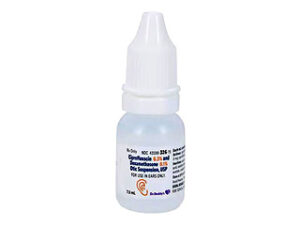
Norfloxacin (Norfloxacin) – Patient Information
Note: This page provides general information about norfloxacin, an antibiotic used for selected bacterial infections. It is intended to help you understand how it works, when it is used, and what to expect. Always follow the instructions given by your healthcare professional and the product packaging for your specific medicine.
Basic product information
Medicine name: Norfloxacin
Medicine type: Antibiotic (fluoroquinolone class)
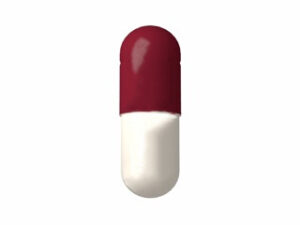
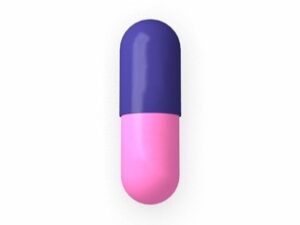
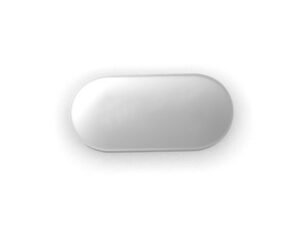
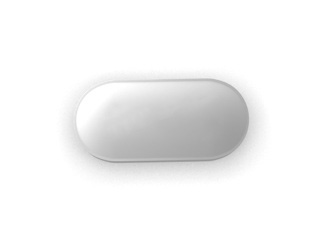
Common form: Tablets (strengths vary by brand and country)
How it is used: By mouth for selected infections caused by susceptible bacteria
Who may use it: Adults in accordance with clinical guidance for particular indications
The brand and exact strength can vary. If you’re unsure which product you have, check the label or ask your pharmacist.
What is norfloxacin?
Norfloxacin is an antibiotic belonging to the fluoroquinolone family. It works by stopping bacteria from being able to repair and copy their DNA, which helps stop the infection from spreading and gives your immune system the chance to clear it.
Like other antibiotics, it is effective only against infections caused by bacteria. It will not treat infections caused by viruses (such as colds or influenza).
Mechanism of action (how it works)
Norfloxacin targets bacterial enzymes that are required for DNA replication and repair:
- DNA gyrase (topoisomerase II)
- Topoisomerase IV
By inhibiting these enzymes, norfloxacin interferes with bacterial DNA processes, leading to:
- Reduced bacterial growth
- Bacterial death or failure to multiply (depending on concentration and organism)
Typical indications (when norfloxacin may be used)
Norfloxacin is used for infections where it is appropriate and where bacteria are expected or known to be susceptible. Common examples may include:
- Urinary tract infections (UTIs) including uncomplicated cases caused by susceptible organisms
- Some forms of infectious diarrhoea due to susceptible bacteria (depending on local guidance and organism)
- Other bacterial infections when clinically indicated and when fluoroquinolones are appropriate
Your healthcare professional will consider factors such as your symptoms, likely bacteria, test results (if available), local resistance patterns, and your medical history before choosing norfloxacin.
Pharmacokinetics (what the body does with norfloxacin)
Pharmacokinetics describes how the medicine moves through the body—absorption, distribution, metabolism, and elimination. Exact values can vary by individual and formulation, but these are the typical concepts:
- Absorption: Norfloxacin is absorbed after oral dosing, but absorption can be affected by certain foods and minerals (e.g., iron, zinc, calcium) and antacids.
- Distribution: It can reach tissues and fluids, including the urinary tract, which contributes to its usefulness for some UTIs.
- Metabolism: A portion may be metabolised in the body; most activity is associated with the parent drug.
- Elimination: The drug is primarily excreted via the kidneys, so kidney function is important for appropriate dosing.
Because norfloxacin levels and activity can depend on kidney function, dosing intervals may be adjusted in people with impaired renal function.
Dosing overview (general guidance)
Always follow the dose and schedule prescribed for you and the instructions on the packaging. Dosing depends on the specific condition, severity, suspected organism, kidney function, and local clinical guidance.
Typical dosing concepts (may vary):
- UTIs: Often given in a course over several days, with the exact dose and duration depending on your situation.
- Other infections: May have different duration and dosing schedules.
If you miss a dose, take it when you remember unless it is close to the next dose. Do not double up to make up for a missed dose. If you are unsure, contact your pharmacist for advice.
Timing: how to take norfloxacin
A common practical rule is to take norfloxacin at consistent times each day and to take it with water. Some formulations are recommended either:
- On an empty stomach, or
- With a specific food spacing instruction to avoid reduced absorption
Food-spacing matters because certain foods and supplements can significantly lower absorption. Refer to your product label for the exact instruction.
If your clinician/pharmacist gave additional instructions, follow those first.
Food interactions (what to avoid)
Some substances can reduce norfloxacin absorption or interfere with how well it works. Pay special attention to:
- Dairy products (milk, yoghurt, cheese) and calcium-rich drinks
- Mineral supplements containing:
- Iron
- Zinc
- Magnesium
- Calcium
- Antacids (for heartburn/acid reflux) that contain:
- Aluminium or magnesium
- Sucralfate (for some stomach/ulcer conditions)
Practical spacing tip: To reduce interaction risk, avoid taking norfloxacin at the same time as these products. A common approach is to separate doses by several hours (often 2 hours before or 4–6 hours after, depending on the product). Your pharmacist can advise the best timing for your exact medicines.
Also consider that some foods can upset your stomach. If you experience nausea, follow packaging advice. Do not change the dose or timing without checking first.
Alcohol interactions
While moderate alcohol may not directly “cancel out” norfloxacin, alcohol can:
- Increase risk of dizziness, drowsiness, or fatigue
- Worsen dehydration if you’re unwell (especially with diarrhoea)
- Make side effects feel stronger (such as nausea or stomach upset)
For best results, it is usually recommended to avoid or limit alcohol while you are taking norfloxacin—particularly if you have gastrointestinal symptoms. Ask your pharmacist if you have concerns based on your personal health conditions.
Medicine interactions (important)
Norfloxacin can interact with other medicines. Some interactions increase side effects, reduce effectiveness, or affect drug levels. Tell your healthcare professional about all medicines you use, including:
- Prescription medicines
- Over-the-counter medicines
- Herbal products and supplements
Common interaction themes include:
- Minerals/antacids (as noted above) – may reduce absorption
- Blood thinners (anticoagulants) – some antibiotics can increase effects of warfarin; monitoring may be required
- Medicines affecting heart rhythm or that can prolong QT interval – caution is often advised
- Probenecid – may affect clearance
- Corticosteroids – caution is advised due to tendon-related risks in fluoroquinolones
- Diabetes medicines (insulin or tablets) – fluoroquinolones have been associated with blood glucose changes in some people
- Theophylline – may increase theophylline levels
This is not a complete list. Always check with your pharmacist if you are unsure whether your medicine combination is safe.
Safety profile and when to seek help urgently
Like all medicines, norfloxacin can cause side effects. Most people tolerate antibiotics without major problems, but some reactions may be serious. Seek urgent medical advice if you develop:
- Signs of an allergic reaction such as swelling of the face/lips, difficulty breathing, or widespread hives
- Severe, persistent diarrhoea, especially with blood or mucus, or diarrhoea that occurs after antibiotic use (possible antibiotic-associated colitis)
- Tendon pain or swelling (often Achilles tendon) or sudden difficulty walking (fluoroquinolone-associated tendon effects)
- New nerve symptoms such as burning, tingling, numbness, or weakness
- Severe dizziness, fainting, or palpitations
- Seizures (rare)
Inform your healthcare professional promptly if you experience less urgent but concerning effects such as persistent nausea, rash, unusual bruising, or mood changes.
Common side effects
- Nausea
- Stomach upset / abdominal discomfort
- Headache
- Dizziness
- Diarrhoea
- Vaginal thrush or fungal infections (due to antibiotic effects on normal flora)
If side effects are troublesome, contact a healthcare professional for advice rather than stopping on your own (unless you have a serious reaction).
Who should use caution?
Fluoroquinolones may require extra caution in people with:
- Known risk factors for tendon disorders or previous tendon injury
- A history of nerve problems (neuropathy)
- Kidney impairment
- Known heart rhythm issues or risk of QT prolongation
- Myasthenia gravis (neuromuscular condition) – caution is often advised with this drug class
Practical use tips (getting the best outcome)
- Take it exactly as directed and complete the course unless told otherwise by your healthcare professional.
- Stay hydrated, especially if you’re treating a urinary or gastrointestinal infection.
- Separate interacting products (antacids, mineral supplements, dairy/calcium-rich products) according to your pharmacist’s advice.
- Don’t share antibiotics—the right choice and dose depend on the infection and organism.
- Monitor symptom improvement. Many infections begin improving within a couple of days, but you should still complete the course if instructed.
- Seek medical advice if you don’t improve as expected or if symptoms worsen.
Recent guidance and antimicrobial stewardship context
Antimicrobial resistance is a major public health issue. In Australia, antibiotic use is guided by antimicrobial stewardship principles, which encourage:
- Using antibiotics only when they are likely to help (bacterial infection suspected/confirmed)
- Choosing the narrowest effective option when appropriate
- Using correct dosing and duration to reduce resistance and recurrence
Fluoroquinolones such as norfloxacin are generally reserved for situations where they are appropriate, based on clinical assessment and susceptibility patterns. If you have concerns about whether an antibiotic is suitable, discuss them with your pharmacist or healthcare professional.
For the most up-to-date Australian clinical guidance and antibiotic prescribing recommendations, healthcare professionals commonly refer to resources such as: Therapeutic Guidelines and advice from relevant Australian antimicrobial stewardship bodies.
Delivery and availability in Australia
Norfloxacin availability can vary depending on supply and whether formulations are listed with Australian health systems. For online pharmacies, availability may change over time.
- Processing time: Orders may require verification and standard pharmacy checks before dispatch.
- Delivery: Delivery speed depends on your location and courier service.
- Stock status: If the item is temporarily unavailable, some pharmacies may offer alternatives or estimated restock dates.
When ordering, ensure the product strength and directions match what your clinician advised, and review the packaging before taking your first dose.
Alternative options (discuss with your pharmacist)
Antibiotic choice depends on the infection type, severity, likely bacteria, local resistance patterns, and your medical history. Alternatives to norfloxacin may include other antibiotics that clinicians consider suitable for the specific diagnosis, such as:
- Other antibiotic classes used for UTIs or enteric infections (varies by guideline and region)
- Supportive care alone for viral illnesses or mild cases where antibiotics are not indicated
- Culture-guided therapy when available to target the specific organism
If you are asking about alternatives because of side effects, allergies, interactions, or concerns about suitability, speak with your pharmacist. They can help you consider options and safety considerations for your situation.
Food and timing quick reference
| Topic | What to remember |
|---|---|
| Taking with meals | Follow the label instructions. Some formulations work best away from meals to improve absorption. |
| Dairy/calcium | Avoid taking at the same time as norfloxacin. Separate doses if advised. |
| Antacids | Separate from norfloxacin; antacids may reduce absorption. |
| Iron/zinc supplements | Separate from norfloxacin; minerals can bind the medicine in the gut. |
| Hydration | Drink water regularly unless you’ve been told to restrict fluids. |
Dos and don’ts
- Do: Take norfloxacin at the same times daily and finish the course.
- Do: Keep an eye on side effects, especially tendon pain and nerve symptoms.
- Do: Use adequate fluids and monitor symptom improvement.
- Don’t: Take with antacids, mineral supplements, or calcium-rich products at the same time—unless instructed otherwise.
- Don’t: Use leftover antibiotics for new symptoms.
- Don’t: Stop because symptoms improve unless advised; incomplete treatment can contribute to relapse and resistance.
FAQ
1) How quickly should I feel better after starting norfloxacin?
Many people begin to notice improvement within 1–3 days for susceptible infections, but the timeline depends on the diagnosis and severity. If you are not improving or symptoms worsen, contact your pharmacist or healthcare professional promptly.
2) Can I take norfloxacin with dairy products?
Dairy products and calcium-rich foods can reduce absorption for some antibiotics. Check your product label. As a general approach, it’s often recommended to separate norfloxacin from dairy and calcium-containing supplements. Your pharmacist can provide an exact spacing plan.
3) What happens if I miss a dose?
Take the missed dose when you remember if it is not close to the next dose. If it’s nearly time for your next dose, skip the missed one. Do not double. If you’re unsure, ask your pharmacist for guidance.
4) Should I avoid exercise while taking norfloxacin?
Fluoroquinolones can rarely increase the risk of tendon irritation or rupture. Avoid strenuous exercise and stop activity if you develop tendon pain, swelling, or stiffness—then seek medical advice.
5) Is it safe to drive while on norfloxacin?
Some people experience dizziness or headaches. If you feel unwell or dizzy, avoid driving and operating machinery until you know how the medicine affects you.
6) Can norfloxacin cause diarrhoea?
Yes, diarrhoea can occur. However, severe or persistent diarrhoea—especially with blood/mucus, fever, or dehydration—requires urgent medical advice, as it can indicate an antibiotic-associated condition.
7) Are there special warnings for people with kidney problems?
Kidney function influences drug clearance. Your healthcare professional may adjust the dose or dosing interval if you have renal impairment. Inform them about any history of kidney disease.
8) What medicines commonly interact with norfloxacin?
Interactions can occur with antacids and mineral supplements (calcium, iron, zinc), blood thinners, some cardiac rhythm medicines, diabetes medicines, corticosteroids, and other medicines. Provide your medication list to your pharmacist for a tailored interaction check.
9) Can I drink alcohol?
It’s best to limit or avoid alcohol while taking norfloxacin, particularly if you have gastrointestinal symptoms. Alcohol may increase side effects and dehydration risk.
10) What are the signs of a serious allergic reaction?
Seek urgent help if you develop swelling of the face/lips, difficulty breathing, fainting, or widespread rash/hives after taking the medicine.
Summary
Norfloxacin is an oral antibiotic (a fluoroquinolone) used for selected bacterial infections. It works by inhibiting bacterial DNA enzymes, preventing bacterial growth. Absorption can be affected by dairy, antacids, and mineral supplements, so timing and spacing are important. If you experience serious side effects—such as allergy symptoms, severe diarrhoea, tendon pain, or nerve symptoms—seek medical advice promptly.
For personalised guidance, speak with your pharmacist or healthcare professional, especially if you have kidney disease, take multiple medicines, or have previously experienced side effects with fluoroquinolones.