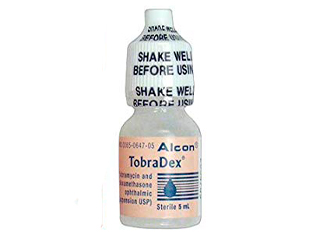
Tobramycin and Dexamethasone (Eye/Ear Drops or Ointment) – Patient Information (Australia)
Tobramycin and dexamethasone is a combination medicine used to treat certain eye or ear conditions where an infection and inflammation may occur together. Tobramycin is an antibiotic that helps kill bacteria. Dexamethasone is a corticosteroid that helps reduce inflammation and swelling.
This page explains how the medicine works, what it is used for, how to use it safely, and what to consider with other medicines and everyday factors such as food and alcohol. Always follow the instructions provided with your specific product, as strengths and dosing schedules can vary between formulations.
Basic Product Information
| Category | Details |
|---|---|
| Active ingredients | Tobramycin (antibiotic) + Dexamethasone (corticosteroid) |
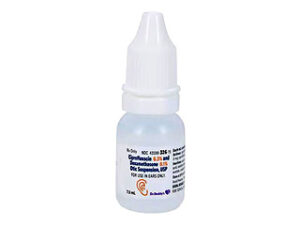
| Common dosage forms | Eye drops, ear drops, or ointment (varies by brand and indication) |
| Where it is used | Eye or ear (depending on the specific product) |
| Therapeutic use | Anti-infective + anti-inflammatory |
| Key caution | May worsen some viral or fungal infections; steroid effects on eye pressure |
In Australia, brands and strengths differ by product (for example, separate presentations exist for eye versus ear use). Choose the correct product for the correct route (eye or ear).
How It Works (Mechanism of Action)
This combination works in two complementary ways:
- Tobramycin (antibiotic): Tobramycin belongs to the aminoglycoside family. It interferes with bacterial protein synthesis. The result is bacterial killing or suppression, helping control the infectious component of the condition.
- Dexamethasone (corticosteroid): Dexamethasone reduces inflammation by dampening immune and inflammatory responses. This can help relieve redness, swelling, and discomfort associated with inflammation.
Because steroids reduce inflammatory signs, they may improve symptoms even when the underlying infection is not fully controlled. For this reason, correct product choice and timely review by a clinician are important if symptoms do not improve.
Pharmacokinetics (What Happens in the Body)
When used in the eye or ear, absorption is generally limited and local effects are the primary goal. Pharmacokinetics can vary by formulation, route, and whether there is intact tissue or inflammation.
General points
- Local action: The medicine primarily targets infected and inflamed tissue at the site of administration.
- Systemic absorption: Systemic absorption is usually low, but it can increase if higher doses are used, the treatment area is inflamed, or if the eye/ear is treated in a way that increases drainage into the bloodstream.
- Metabolism and elimination: Any absorbed fraction is processed by the body and eliminated primarily via normal biological pathways. Exact timing depends on individual factors and the specific product.
Your risk of systemic steroid effects is generally low with typical short courses as directed, but extended or frequent use can increase risk.
Typical Use and Indications
Tobramycin and dexamethasone is commonly used when bacterial infection and inflammation occur together, such as:
- Eye (typical indications): Inflammation of the eye surface or surrounding tissues where bacterial infection is suspected or confirmed.
- Ear (typical indications): Inflammation/infection of the ear canal or external ear where bacteria are suspected and steroid treatment is needed to reduce swelling.
Important: The exact approved indications depend on the specific Australian product and formulation (eye vs ear). Always verify the label and patient information leaflet for your product.
Who should not use it without medical advice
Steroid-containing eye or ear products may be unsuitable for certain conditions. Seek medical advice promptly if you suspect any of the following:
- Viral eye infections (for example, herpes simplex of the eye)
- Fungal infections
- Unexplained severe pain or marked worsening
- Known allergy to tobramycin, dexamethasone, or other ingredients
Dosing: How Much and How Often
Dosing depends on the formulation (drops/ointment), whether it is used for the eye or ear, and the severity of symptoms. Follow the instructions on the product packaging or the guidance provided for your specific condition.
Typical pattern (general guidance):
- Eye drops: Often used multiple times per day initially, then reduced as symptoms improve.
- Eye ointment: Often used less frequently than drops, sometimes at night to improve contact time.
- Ear drops: Usually given several times daily for a limited course, depending on the diagnosis.
Duration: Courses are typically short. Steroid-containing medicines are usually not intended for prolonged use without review, because longer use can increase risks such as increased eye pressure and cataract formation (for eye products).
Tip: If you miss a dose, take it when you remember unless it is close to the next dose. Do not double up.
Timing and Practical Use Tips
Proper technique helps the medicine work effectively and reduces contamination. The steps below are general; your leaflet may include product-specific instructions.
General timing
- Use doses at evenly spaced times during the day. For example, if using four times daily, consider morning, midday, evening, and bedtime.
- Try to remain consistent so drug levels remain steady at the site of action.
How to use eye drops (general steps)
- Wash your hands.
- Avoid touching the dropper tip to your eye or eyelids.
- Gently pull down the lower eyelid to create a small pocket.
- Place the prescribed number of drops into the pocket.
- Close the eye gently and keep it closed for about 1–2 minutes.
- If instructed, apply gentle pressure at the inner corner of the eye (near the nose) to reduce drainage.
- Wipe away any excess liquid with a clean tissue, then wash hands again.
How to use eye ointment (general steps)
- Wash your hands.
- Pull down the lower eyelid and apply a small ribbon of ointment as prescribed.
- Close the eye gently; your vision may blur temporarily.
- Keep the eye closed briefly to allow contact with the surface.
How to use ear drops (general steps)
- Wash your hands.
- Warm the bottle in your hand for a few minutes if the drops feel cold (optional).
- For adults, gently pull the ear up and back; for children, gently pull the ear down and back (technique varies by age).
- Place the prescribed number of drops into the ear canal without touching the ear with the nozzle.
- Keep the head tilted for a few minutes to help drops reach the canal.
- Wipe away excess with a clean tissue.
Contact lenses: If using an eye product, remove contact lenses before applying drops/ointment unless the product label says otherwise. Contact lenses should not be used if you have an eye infection unless advised by a clinician.
Food Interactions
Tobramycin and dexamethasone used as eye or ear drops/ointment are applied locally. They are not typically associated with significant interactions with food.
However, if you are taking other medicines by mouth for the same illness, check their specific instructions. If you experience stomach upset from other medicines, let your pharmacist or doctor know.
Alcohol and Medicine Interactions
Alcohol
There is generally no direct interaction between alcohol and locally used tobramycin/dexamethasone eye or ear products. Still, avoid alcohol if it worsens your symptoms or interferes with your ability to take medicines reliably.
Other medicines
Because systemic absorption is usually low, major drug interactions are not common. Nevertheless, it is important to consider:
- Other eye/ear medicines: If you use more than one product, spacing may be needed to prevent dilution (your pharmacist can advise).
- Ototoxic or nephrotoxic medicines (general caution): Systemic aminoglycosides have potential effects on hearing or kidneys. With topical use, systemic levels are typically low, but inform your clinician if you take other medications that can affect kidneys or hearing.
- Other steroid medicines: Using multiple steroid products can increase overall steroid exposure.
Tell your pharmacist about all medicines you use, including: prescription medicines, over-the-counter products, vitamins, herbal supplements, and any eye/ear drops.
Safety Profile and Side Effects
Like all medicines, tobramycin and dexamethasone can cause side effects. Many people tolerate it well, but some effects require attention.
Common side effects
- Stinging, burning, or irritation at the application site
- Redness or mild discomfort
- Temporary blurred vision (more common with ointment)
- Dryness or mild irritation around the eye
Less common but important effects
- Allergic reaction (itching, swelling, rash, wheezing)
- Infection worsening or new symptoms (steroids may mask signs of infection)
- Eye pressure increase (for eye products), particularly with prolonged use
- Cataract formation (with longer-term steroid use)
Seek urgent help if you have
- Severe eye pain or sudden vision changes
- Marked swelling of the face or eyelids
- Rapidly worsening redness or discharge
- Rash, hives, or breathing difficulty
- For ear products: severe ear pain, persistent bleeding, or significant hearing changes
If symptoms do not improve within a few days, or they improve then worsen again, do not extend use on your own—contact a clinician for advice.
Practical Use Tips for Safer, More Effective Treatment
- Check the product is for the right site: Eye products should not be used in the ear, and ear products should not be used in the eye.
- Follow the course length: Steroid-containing medicines should usually be used only for the duration recommended.
- Do not share your drops/ointment: Sharing increases the risk of contamination and reinfection.
- Hygiene matters: Wash hands before and after use.
- Use clean tissues: Wipe discharge gently; avoid rubbing vigorously.
- Storage: Store at the temperature stated on the label. Keep the cap closed. If the product appears cloudy or the bottle is damaged, discard it.
- Contact lens care (eye): Avoid lens wear during infection unless your clinician advises otherwise.
Important: If you have glaucoma or a history of raised eye pressure, discuss this with your clinician or pharmacist. Steroids can raise intraocular pressure in some people.
Alternative Options
Alternatives depend on the exact diagnosis (bacterial versus viral versus fungal), severity, and whether steroid treatment is truly needed. Some common alternative categories include:
- Antibiotic-only products: For situations where inflammation is mild or where steroids are not appropriate.
- Anti-inflammatory-only products: In non-infectious inflammatory conditions.
- Other antibiotic combinations: Depending on local guidelines and bacterial sensitivities.
- Supportive care: Lubricants for mild irritation, or pain relief measures as advised by a pharmacist.
Your pharmacist can explain which alternatives may be suitable for your particular eye or ear condition, taking into account symptoms, age, medical history, and current medicines.
Australia Market and Legal Context
In Australia, medicine supply and category (for example, whether a product is prescription-only or otherwise restricted) is regulated under the Therapeutic Goods Administration (TGA). Availability can vary by brand, strength, and intended use (eye versus ear).
Online pharmacies aim to follow Australian requirements for safe supply, including:
- Correct identification of the product and intended use
- Checking for relevant contraindications and safety information
- Providing patient information and safe-use instructions
- Ensuring delivery and packaging meet regulatory standards
Always consult the product packaging and the Australian Consumer Medicine Information (where applicable) for the most accurate guidance.
Recent Guidance and Important Considerations
Clinical practice continues to emphasise the importance of:
- Correct diagnosis: Steroids can worsen certain infections (notably viral and fungal), so use should be based on appropriate clinical assessment.
- Short treatment duration: Minimising steroid exposure reduces the risk of adverse steroid effects.
- Monitoring: If symptoms persist, worsen, or recur, review is recommended rather than simply extending treatment.
- Adherence to technique: Proper instillation and hygiene reduce contamination and improve outcomes.
If you have recurrent symptoms or significant eye conditions (such as glaucoma), ask your pharmacist or doctor about whether additional monitoring is needed.
Delivery and Availability (Online Pharmacy in Australia)
Tobramycin and dexamethasone products may be available through Australian online pharmacies depending on local supply and product type. Availability can vary by:
- Whether the medicine is for eyes or ears
- Brand and formulation (drops vs ointment)
- Strength and pack size
- Current stock levels
When ordering online, ensure you select the correct formulation for the correct site (eye or ear). Orders are typically packed with protective materials and dispatched according to the pharmacy’s delivery schedule.
For best results, check the expected delivery timeframe during checkout. If you need treatment urgently (for example, severe symptoms), consider contacting the pharmacy for guidance.
FAQ
1. What is Tobramycin and Dexamethasone used for?
It is used to treat certain eye or ear conditions where bacterial infection and inflammation occur together. The exact approved indications depend on the specific product for eye versus ear use.
2. How long should I use it?
Treatment duration depends on your diagnosis and response. Steroid-containing products are usually prescribed for a limited course. If symptoms do not improve quickly or they worsen, seek advice rather than continuing indefinitely.
3. Can I wear contact lenses while using it?
Contact lenses should generally be avoided during an eye infection unless your clinician advises otherwise. Remove lenses before using eye drops/ointment and ask your pharmacist when you may restart.
4. What should I do if I miss a dose?
Use the missed dose when you remember unless it is close to the next dose. Do not use extra doses to make up for a missed one.
5. Will it interact with other medicines or vitamins?
Significant interactions are not common with local use, but you should inform your pharmacist of all medicines you take—especially other eye/ear products and any treatments that affect kidneys or hearing.
6. Does food affect how it works?
Food interactions are not typically expected with tobramycin/dexamethasone eye or ear use. However, follow instructions for any other medicines you are taking by mouth.
7. Is it safe to drink alcohol?
There is usually no direct interaction with alcohol for topical eye/ear products. If alcohol makes you feel unwell or affects your ability to follow your treatment schedule, consider avoiding it while you recover.
8. What side effects should worry me?
Seek urgent care if you experience severe eye pain, sudden vision changes, marked swelling, allergic symptoms (rash, hives, breathing difficulty), or rapidly worsening redness/discharge. For ear products, severe pain, bleeding, or major hearing changes should be assessed promptly.
9. Can steroids make infections worse?
Yes. Steroids can reduce inflammation and mask symptoms, and they may worsen certain infections such as viral or fungal eye conditions. This is why correct diagnosis and timely review are important.
10. What can I do to avoid contamination?
Wash hands before use, avoid touching the bottle tip to your eye/ear, keep the cap closed, and don’t share your medicine with others. If a tip becomes contaminated, consider replacing the container as advised by your pharmacist.
Summary
Tobramycin and dexamethasone combines an antibiotic with an anti-inflammatory steroid to treat selected eye or ear infections with inflammation. It works locally, with limited systemic absorption in most cases. For safety and effectiveness, use the correct product for the intended site, follow the dosing instructions, and seek medical advice if symptoms do not improve or worsen.