

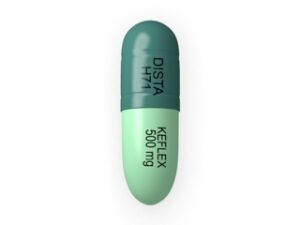
Macrobid (Nitrofurantoin monohydrate) — Patient Information (Australia)
Macrobid is a brand of nitrofurantoin monohydrate, an antibacterial medicine used to treat certain bacterial infections of the bladder (urinary tract infections, or UTIs). This page explains what Macrobid is, how it works, how it’s taken, key safety points, and practical tips to support successful treatment in adults in Australia.
Note: Always follow the instructions provided with your medicine and consult a healthcare professional if you have questions—especially if you are pregnant, have kidney disease, or take other medicines.
Quick Facts
- Medicine: Nitrofurantoin monohydrate (Macrobid)
- What it treats: Uncomplicated bacterial bladder infections (cystitis) caused by susceptible organisms
- Common reasons it’s chosen: Targeted urinary antibacterial activity with a traditional role in uncomplicated UTIs
- Not for: Kidney infections (pyelonephritis), complicated UTIs, or infections outside the bladder
- Key safety consideration: Kidney function affects whether it should be used
Basic Product Information
Macrobid (nitrofurantoin monohydrate) is a type of antibiotic known as a nitrofuran. It is designed to be concentrated in the urine, where it acts against bacteria that cause lower urinary tract infections.
Available forms: Tablets are typically taken by mouth. Strength and exact product appearance may vary by packaging.
Who can take it: Usually adults with uncomplicated cystitis who meet safety criteria (including appropriate kidney function). Use in children depends on clinical circumstances and local guidance.
How Macrobid Works (Mechanism of Action)
Nitrofurantoin works by disrupting multiple processes in bacterial cells. After being taken, it is converted inside bacteria into reactive compounds that damage vital components, including:
- Bacterial DNA and proteins (leading to impaired growth and cell death)
- Key metabolic pathways required for survival
This multi-target action is one reason nitrofurantoin can remain effective against many common UTI pathogens. However, bacterial resistance can occur, so the organism and local resistance patterns matter.
Pharmacokinetics (How the Body Handles It)
Understanding pharmacokinetics can help explain why Macrobid is mainly used for bladder infections.
Absorption
Nitrofurantoin is absorbed from the gastrointestinal tract after oral dosing. Absorption is generally improved by taking it with food (see Food interactions below).
Distribution and concentration in urine
Macrobid achieves significant concentrations in urine, which is critical for treating bladder infections.
Metabolism
Metabolism occurs in the body, with nitrofurantoin ultimately broken down and cleared.
Elimination (kidneys)
Nitrofurantoin is eliminated primarily through the kidneys. Because kidney clearance influences urine levels, reduced kidney function can lower effectiveness and increase the likelihood of side effects. For this reason, clinicians often avoid nitrofurantoin in people with certain levels of renal impairment.
Typical Use in the Treatment of UTIs
Macrobid is commonly used for uncomplicated cystitis, meaning a lower UTI in otherwise stable adults without signs of a more serious infection.
Common indications
Your clinician may recommend Macrobid when symptoms and testing suggest a susceptible bacterial cause.
It is often considered when:
- Symptoms are consistent with bladder infection (e.g., burning with urination, frequency, urgency, lower abdominal discomfort)
- The likely bacteria are expected to be susceptible
- Other antibiotics are unsuitable due to allergies, interactions, or local prescribing preferences
When Macrobid may not be appropriate
Macrobid is generally not the right choice for:
- Kidney infections (pyelonephritis) — symptoms may include fever, flank/back pain, and feeling very unwell
- Complicated UTIs (e.g., structural abnormalities, stones, indwelling catheters)
- Infections outside the urinary tract
- Sepsis or systemic infection symptoms
Indications and Symptoms (What it’s used for)
Macrobid is indicated for treatment of uncomplicated urinary tract infections affecting the bladder in adults.
Typical UTI symptoms that may prompt evaluation include:
- Burning or pain when urinating
- Urgency (a sudden need to urinate)
- Frequency (urinating more often than usual)
- Lower abdominal discomfort
- Cloudy or foul-smelling urine
Because symptoms can overlap with other conditions, assessment (including urine testing when appropriate) is important—particularly if symptoms persist, recur frequently, or are severe.
Dosing (How to Take Macrobid)
Dosing depends on your diagnosis, age, kidney function, and local clinical practice. Follow the dosing instructions provided with your product or by a healthcare professional.
Common adult regimens (general reference):
- For uncomplicated cystitis: commonly taken as 100 mg twice daily for a short course (often around 5 days, depending on your prescriber’s plan).
Important: Do not change the dose or duration without advice. Completing the full course helps reduce the risk of relapse and resistance.
Timing tips
- Try to take doses at consistent times across the day.
- If taking twice daily, a practical schedule is morning and evening, about 12 hours apart.
- Take the tablet with food to support absorption and reduce stomach upset (see Food interactions).
Taking Macrobid With Food (Food Interactions)
Taking Macrobid with food is generally recommended. Food can help improve absorption and reduce gastrointestinal side effects such as nausea.
Practical guidance:
- Take with a meal or snack, particularly if you’ve previously experienced nausea with antibiotics.
- Avoid taking it completely on an empty stomach unless your clinician specifically instructs otherwise.
There are no major “avoid completely” food rules for Macrobid for most patients, but if your stomach is sensitive, meals are especially helpful.
Alcohol and Medicine Interactions
Alcohol: While there isn’t a universally required strict “no alcohol” rule for Macrobid, it’s wise to limit or avoid alcohol during treatment. Alcohol can worsen dehydration and may make UTI symptoms feel more intense. It can also increase the chance of stomach upset and dizziness for some people.
Medicine interactions: Always review your other medicines and supplements with a clinician or pharmacist. Important categories to mention include:
- Other antibiotics (your clinician may choose the most appropriate option)
- Medicines that affect kidney function (because kidney clearance influences nitrofurantoin levels)
- Medicines that may increase nausea or cause similar side effects
If you take any of the following, it’s particularly important to seek advice: medicines that affect kidney filtration, medications for gout, and any drugs associated with nerve or lung side effects. Your pharmacist can provide tailored interaction checks for your specific list.
Safety Profile: Common and Serious Side Effects
Like all antibiotics, Macrobid can cause side effects. Many are mild and improve during treatment, but some require urgent medical attention.
Common side effects
- Nausea
- Loss of appetite
- Headache
- Dizziness (in some people)
- Stomach upset
Less common but important risks
- Allergic reactions: rash, itching, swelling (lips/face), trouble breathing
- Lung problems (rare): cough, shortness of breath, chest discomfort, fever
- Neuropathy/nerve symptoms (rare): tingling, numbness, burning pain in hands or feet
- Liver problems (rare): yellowing of skin/eyes, dark urine, severe fatigue
- Blood-related effects (rare): unusual bruising, persistent sore throat or infections
Seek urgent medical care if you experience
- Difficulty breathing, swelling of the face or throat, or widespread hives
- Severe headache with fever, confusion, or marked worsening of wellbeing
- New lung symptoms such as persistent cough or breathlessness
- Signs of kidney infection: fever, chills, flank/back pain, vomiting
Who should take extra care
Extra caution may be needed if you:
- Have reduced kidney function
- Are pregnant or planning pregnancy (benefits and risks depend on trimester and clinical situation)
- Have a history of lung disease or prior antibiotic-related lung reactions
- Have a history of neuropathy or vitamin deficiencies
- Are taking medicines that interact or increase risk of side effects
Practical Use Tips for Better Outcomes
- Start early: If you are advised to begin Macrobid, taking the first dose at the recommended time can help shorten symptom duration.
- Complete the full course: Even if you feel better after one or two doses, finish the prescribed duration.
- Hydrate: Drink water regularly unless you’ve been told to restrict fluids.
- Don’t stop and start: Try to keep dosing consistent—missed doses can reduce effectiveness.
- Use symptom relief strategies: Warm fluids, heat packs for discomfort, and urinary analgesics (if recommended) may help while the antibiotic takes effect.
- Monitor progress: Symptoms should generally improve within a couple of days. If not, re-contact a clinician.
If you miss a dose
Take it as soon as you remember unless it is near the time of the next dose. Do not double up to make up for a missed tablet. If you’re unsure, ask your pharmacist.
What to Expect: Timing of Symptom Improvement
Many people notice improvement within 24–48 hours. Complete resolution can take longer. If symptoms:
- do not start improving after 48 hours, or
- rapidly worsen at any time, or
- you develop fever or back/flank pain,
seek medical advice promptly, as this may indicate a different diagnosis or a more serious infection such as kidney involvement.
Alternative Options (Other Antibiotics and Approaches)
Several antibiotic options may be considered for uncomplicated bladder infections depending on local guidelines, allergy history, kidney function, pregnancy status, and suspected resistance patterns. Alternatives may include (examples):
- Other oral antibiotics such as beta-lactams or cephalosporins (where appropriate)
- Trimethoprim-based therapies in selected cases (depending on resistance and suitability)
- Fosfomycin (in some settings, depending on availability and suitability)
Non-antibiotic supportive steps may also be recommended alongside treatment, such as increased fluid intake and pain relief measures. For recurrent UTIs, healthcare professionals may consider further evaluation or preventive strategies.
Important: Antibiotic choice should be guided by clinical assessment and local antimicrobial guidance. Don’t self-switch antibiotics without advice.
Market and Legal Context for Australia
In Australia, antibiotic supply and use are regulated under federal and state frameworks. Antibiotics are important for treating bacterial infections, but overuse can increase resistance and reduce future effectiveness.
In general:
- Antibiotics are typically supplied based on a clinical assessment and may be restricted depending on product classification.
- Pharmacies follow Australian medicines and prescribing rules to ensure safe, appropriate use.
- Urine testing is often used when symptoms are recurrent, complicated, or not responding as expected.
Online pharmacy services in Australia aim to provide accurate product information, appropriate counselling, and safe ordering processes consistent with national medicines legislation.
Recent Guidance and Antimicrobial Stewardship (General Overview)
Australian and international clinical guidance emphasises:
- Targeted antibiotic use for suspected bacterial UTIs rather than treating non-infectious causes
- Choosing the right medicine for uncomplicated cystitis where appropriate
- Considering local resistance patterns
- Reassessing treatment if symptoms do not improve
These principles help preserve antibiotics like nitrofurantoin for cases where they are most likely to work.
Delivery and Availability (Australia)
Macrobid availability can vary by pharmacy and by stock levels. When ordering online:
- You may receive confirmation of availability before dispatch.
- Delivery times vary based on location (metro vs regional areas) and courier services.
- Packaging is typically designed to protect tablets and maintain product integrity during transport.
Storage after delivery:
- Store at room temperature, away from moisture and direct sunlight.
- Keep tablets in their original packaging until use.
- Keep out of reach of children.
If you need urgent treatment, check with the pharmacy about dispatch timelines. For severe or worsening symptoms, seek urgent care rather than waiting for delivery.
Frequently Asked Questions (FAQ)
1) What is Macrobid used for?
Macrobid is used to treat uncomplicated bladder infections (cystitis) caused by susceptible bacteria.
2) How fast will Macrobid work?
Many people feel better within 1–2 days. If you’re not improving after 48 hours, or symptoms worsen, contact a healthcare professional.
3) Should I take Macrobid with food?
Yes. Taking Macrobid with food or a snack generally improves absorption and can reduce nausea.
4) Can I drink alcohol while taking Macrobid?
It’s best to limit or avoid alcohol during treatment. Alcohol can worsen dehydration and may increase stomach upset or dizziness.
5) Can Macrobid treat kidney infections?
Macrobid is generally intended for lower urinary tract infections. Kidney infections usually require different evaluation and treatment. Signs such as fever and flank/back pain should be assessed urgently.
6) Who should not take Macrobid?
Some people should avoid nitrofurantoin due to safety concerns, especially related to kidney function and certain medical histories (e.g., previous nitrofurantoin lung reactions, significant neuropathy). A pharmacist or clinician can advise based on your history.
7) What should I do if I forget a dose?
Take it when you remember unless it’s close to the next dose. Do not double up. If unsure, ask your pharmacist.
8) Are there any dietary interactions?
There are no major foods to avoid for most patients. However, taking Macrobid with food is recommended for tolerability and absorption.
9) What side effects should I watch for?
Common: nausea, headache, dizziness, stomach upset. Seek urgent care for symptoms of allergy, new breathing difficulties, or signs of worsening infection (fever, flank pain, vomiting).
10) Can I take other medicines at the same time?
Some medicines may interact or increase side effect risks, particularly if they affect kidney function. It’s important to check your medication list with a pharmacist before starting.
Comparison Snapshot (What to Remember)
| Topic | Macrobid (Nitrofurantoin monohydrate) |
|---|---|
| Best for | Uncomplicated bladder infections (cystitis) |
| How it works | Damages bacterial processes after conversion in bacteria |
| Why it’s used for UTIs | Concentrates in urine to target bladder pathogens |
| How to take | Usually with food; take at regular times across the day |
| Alcohol | Consider avoiding/limiting to reduce dehydration and stomach upset |
| Key safety factor | Kidney function influences effectiveness and risk of side effects |
| When to seek help | No improvement after ~48 hours, or fever/flank pain occurs |
Summary
Macrobid (nitrofurantoin monohydrate) is a urinary-targeted antibiotic used for uncomplicated bladder infections. It works by disrupting bacterial function and is designed to achieve high concentrations in urine. For best outcomes, take it at consistent times, with food, and complete the full course as directed. If symptoms do not improve within 48 hours, or if you develop fever, back/flank pain, or signs of allergic reaction, seek medical advice promptly.
If you’d like, share your situation (e.g., age range, pregnancy status, kidney issues, current medicines, and symptoms) and we can help you understand what questions to ask your pharmacist or clinician.