Ampicillin (Acillin) – Patient Guide (Australia)
Ampicillin (brand: Acillin) is a penicillin-type antibiotic used to treat certain bacterial infections. This patient-friendly guide explains how it works, how it’s used, what to expect, and key safety information. Always follow the directions on your medicine label and any advice from your healthcare professional.
| Category | Details |
|---|---|
| Medicine | Ampicillin (Acillin) |
| Type | Antibiotic (penicillin/aminopenicillin) |
| Common uses | Selected bacterial infections caused by susceptible organisms |
| How it works | Stops bacteria from building their cell wall |
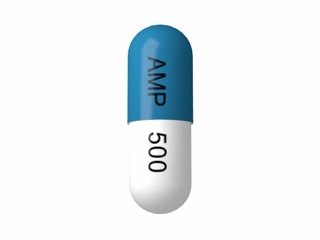
| Form | Tablets/capsules and oral preparations may be available; formulations vary by product |
| Typical dosing frequency | Often multiple times daily (exact regimen depends on the infection and patient factors) |
Basic product information
Ampicillin is an aminopenicillin antibiotic. It is used for infections where the likely bacteria are susceptible to ampicillin. Like other antibiotics, its effectiveness depends on the bacteria causing the illness and how resistant they are.
Brand name: Acillin (where available).
Important note: Antibiotics do not treat viral infections such as colds, flu, or most sore throats caused by viruses.
How Ampicillin works (mechanism of action)
Ampicillin works by interfering with bacterial cell wall synthesis. Bacteria need a strong cell wall to survive and multiply. Ampicillin binds to penicillin-binding proteins (PBPs), which are enzymes involved in building the cell wall. This leads to weakened cell walls and eventually bacterial death.
- Result: Bactericidal action (kills susceptible bacteria).
- Works best: When the bacteria are susceptible and appropriate dosing maintains effective drug levels.
Pharmacokinetics (how the body processes it)
Pharmacokinetics describes how ampicillin is absorbed, distributed, metabolised, and excreted.
- Absorption: Ampicillin can be absorbed from the gastrointestinal tract, though absorption may be influenced by food.
- Distribution: It distributes into various body tissues and fluids; penetration into certain sites (such as specific infections) may vary by condition.
- Metabolism: Ampicillin is not extensively metabolised.
- Excretion: Mainly excreted by the kidneys. People with reduced kidney function may require dose adjustment.
- Half-life (conceptually): Drug levels decline over time; dosing intervals are designed to maintain antibacterial concentrations.
Typical use: what infections it can treat
Ampicillin is used for specific bacterial infections where the expected or confirmed organism is susceptible. The exact choice of antibiotic depends on clinical assessment and local resistance patterns.
Common categories where ampicillin may be considered include:
- Some respiratory tract infections due to susceptible bacteria
- Some urinary tract infections, depending on the organism and sensitivity
- Some ENT (ear, nose, throat) infections when bacterial and susceptible
- Selected gastrointestinal infections due to susceptible bacteria
- Other infections determined by a clinician based on culture results or likelihood of susceptibility
Resistance matters: Many bacteria have become resistant to ampicillin, which is why susceptibility testing and guideline-based antibiotic selection are important.
Timing: when to take it and how long
Timing is important for antibiotic effectiveness. Ampicillin is typically taken in a schedule designed to maintain adequate drug levels in the body. Your prescribed regimen (or product label directions) will specify:
- How many times per day to take it
- How many days to continue treatment
Practical tip: Take your doses at evenly spaced times (for example, morning–midday–evening) to help keep levels steady.
Finish the course: Even if you start to feel better, do not stop early unless your healthcare professional advises you to. Stopping too soon can allow surviving bacteria to regrow and increase the risk of recurrence or resistance.
How to take ampicillin (food and timing interactions)
Food can affect how well some antibiotics are absorbed. For ampicillin:
- General guidance: Follow the instructions on your specific product label.
- If your label allows flexibility: Taking it consistently at the same times each day can help you remember and maintain routine.
- Ask if unsure: If you’re taking it with meals, your pharmacist can confirm the best approach for your formulation.
Why food matters: Certain foods and beverages may reduce absorption or change the rate of uptake, potentially affecting effectiveness for some people.
Alcohol and medicine interactions
In most cases, moderate alcohol is not specifically known to “cancel out” ampicillin’s antibacterial effect. However, alcohol can:
- Worsen side effects such as nausea, stomach upset, or diarrhoea
- Delay recovery by affecting immune function and hydration
- Increase dehydration risks, especially if you are unwell or have gastrointestinal symptoms
Recommendation: It’s best to avoid alcohol while you have an active infection and while you’re experiencing side effects.
Other medicine interactions (important)
Ampicillin can interact with other medicines or influence lab tests. Inform your pharmacist or clinician if you use any medicines such as:
- Anticoagulants (blood thinners) (e.g., warfarin): antibiotics may alter gut bacteria and affect clotting control; monitoring may be needed.
- Allopurinol: a combination may increase the risk of rash in some people.
- Oral contraceptives (“the pill”): while evidence varies by antibiotic, any severe diarrhoea or vomiting can reduce absorption of oral contraceptives. Use backup contraception if gastrointestinal side effects occur.
- Other antibiotics or antibacterial medicines: combinations should be clinician-guided to avoid reduced effectiveness or unnecessary side effects.
- Probenecid: may alter ampicillin levels by affecting kidney excretion.
Always check: Provide your current medication list to a pharmacist so they can screen for interactions specific to your situation.
Indications: who it’s used for and when
In clinical practice, ampicillin is indicated for infections due to susceptible bacteria. It may be chosen based on:
- Likely bacterial cause of the infection
- Local antibiotic resistance patterns
- Patient factors (age, kidney function, allergies, pregnancy status)
- Whether culture results are available
Allergy and caution: People with a history of penicillin allergy (or certain past reactions to beta-lactam antibiotics) require special caution. Seek urgent help for symptoms of severe allergy (see Safety section).
Dosing (general information)
Dosing depends on multiple factors, including the type of infection, severity, kidney function, age, and whether the organism is known to be susceptible. Therefore, dosing differs widely across patients.
General principles:
- Multiple daily doses: Ampicillin is commonly taken several times per day, rather than once daily, to keep levels in a useful range.
- Kidney function: People with reduced kidney function may need dose adjustments or longer intervals.
- Children: Doses are weight-based and should be calculated carefully by clinicians.
How to measure liquid formulations: Use an oral syringe or measuring device rather than household teaspoons to ensure accurate dosing.
If you miss a dose:
- Take it as soon as you remember.
- If it is close to the next dose, skip the missed dose and return to your schedule.
- Do not take a double dose to make up for the missed one.
If you are unsure about your specific dosing schedule, consult the medicine label or ask a pharmacist.
Safety profile: side effects and when to seek help
Most people tolerate ampicillin well, but side effects can occur. Commonly reported effects are usually mild to moderate and improve after the course ends.
Common side effects
- Diarrhoea or loose stools
- Nausea and/or stomach discomfort
- Rash (some rashes are mild; others may signal allergy)
- Headache
- Vaginal yeast infection (in some people due to changes in normal flora)
Serious or urgent warnings
Seek urgent medical help immediately if you develop:
- Signs of severe allergic reaction (e.g., swelling of the face/lips, trouble breathing, wheezing, severe dizziness or fainting, widespread hives)
- Severe or persistent diarrhoea, especially if watery or bloody, or accompanied by fever or severe abdominal cramps (possible antibiotic-associated colitis)
- Severe skin reactions (e.g., blistering, peeling skin, mouth sores, or rash with fever)
- Yellowing of the skin/eyes or dark urine with marked fatigue (possible liver-related effects, uncommon)
Who should be extra cautious
- People with a history of penicillin allergy or previous severe reactions to beta-lactam antibiotics
- People with kidney impairment (may need dose adjustment)
- People with a history of antibiotic-associated diarrhoea or inflammatory bowel disease
- Pregnancy or breastfeeding: discuss risks and benefits with a clinician
Practical use tips for successful treatment
- Use a reminder: Set phone alarms or use a medication organiser to avoid missed doses.
- Stay hydrated: Especially if you have diarrhoea or nausea.
- Monitor symptoms: If fever or symptoms worsen after starting, contact your pharmacist or healthcare professional.
- Watch for allergic rash: A mild rash may still need assessment; a fast-spreading rash or hives requires urgent attention.
- Keep a symptom diary: Note changes in temperature, pain, cough, urinary symptoms, or diarrhoea. This helps clinicians adjust treatment if needed.
- Do not share antibiotics: Only use ampicillin for the infection it was selected for.
What to do if symptoms don’t improve
Many bacterial infections begin improving within a few days of effective treatment. If you have:
- No improvement within the expected timeframe
- Worsening symptoms
- New symptoms such as breathing difficulty, severe abdominal pain, or dehydration
Contact a healthcare professional promptly. You may need a reassessment, examination, or culture results to guide antibiotic selection.
Alternative options (when ampicillin isn’t appropriate)
Alternative antibiotics or management strategies may be considered depending on the infection and suspected organism, and on your allergy history and local resistance patterns. Alternatives might include:
- Other beta-lactams (if appropriate and allergy status allows)
- Macrolides, cephalosporins, tetracyclines, or other classes for specific infections (chosen based on susceptibility)
- Non-antibiotic/supportive care for symptoms when infection is viral or not bacterial
Important: The “best alternative” depends on the specific infection. Do not switch antibiotics without clinical guidance.
Market and legal context for Australia
In Australia, antibiotic medicines are regulated within the Therapeutic Goods Administration (TGA) framework. Antibiotics are generally treated as prescription-only medicines, which helps ensure they are used appropriately and safely. Laws and dispensing requirements may vary by product and formulation.
Antibiotic stewardship: Australia actively promotes responsible antibiotic use through national antimicrobial resistance (AMR) strategies and guideline-based prescribing to reduce resistance and protect community health.
Recent guidance and antimicrobial stewardship (overview)
Recent years have strengthened antimicrobial stewardship efforts across many Australian healthcare settings, emphasising:
- Right antibiotic for the right infection
- Right dose and right duration
- Using culture tests when appropriate
- Avoiding antibiotics for viral illnesses
- Reviewing therapy if there is no clinical improvement
While guidance can differ by condition and local protocols, these themes influence how antibiotics such as ampicillin are selected and monitored.
Delivery and availability (Australia)
Availability of Acillin/ampicillin products may vary by supplier and formulation. Online pharmacies in Australia typically provide options such as:
- Standard delivery for eligible metropolitan or regional areas
- Express delivery where available
- Packaging that supports safe handling and storage
To support smooth delivery: ensure your delivery details are correct and provide any required information as part of the ordering process.
Storage: Store as directed on the packaging (commonly at room temperature unless otherwise specified). Keep out of reach of children.
Frequently Asked Questions (FAQ)
1) What is ampicillin used for?
Ampicillin is used to treat certain bacterial infections caused by organisms that are susceptible to it. It is not effective for viral illnesses like colds or flu.
2) How long does it take to work?
Many bacterial infections start improving within 24 to 72 hours after starting an effective antibiotic. If you feel worse or see no improvement, contact a healthcare professional for review.
3) Can I take ampicillin with food?
Food can affect absorption. Follow the specific product label directions. If you are unsure whether to take it with or without meals, ask your pharmacist for guidance on your exact formulation.
4) What if I miss a dose?
Take it when you remember unless it’s almost time for the next dose. Don’t double up. If you’re uncertain, ask a pharmacist.
5) Is it safe to drink alcohol while taking ampicillin?
Alcohol is generally not known to directly “cancel” ampicillin’s effect, but it can worsen side effects and delay recovery. It’s safest to avoid alcohol while you’re unwell and taking antibiotics.
6) Can ampicillin cause diarrhoea?
Yes. Mild diarrhoea can occur. However, seek medical help urgently for severe, persistent, or bloody diarrhoea, especially with fever or significant abdominal pain.
7) What should I do if I develop a rash?
Mild rashes may occur, but some rashes are signs of allergy. Stop and seek urgent advice if you have hives, facial swelling, breathing difficulty, or rapidly spreading rash.
8) Who should not take ampicillin?
People with a history of serious penicillin allergy (or past severe beta-lactam reactions) should not take it unless a clinician has assessed risk and advised otherwise. Kidney impairment may require dose adjustment.
9) Does ampicillin interact with other medicines?
Potential interactions include blood thinners (e.g., warfarin), allopurinol, and medicines that affect kidney excretion (e.g., probenecid). If you take other medicines, it’s important to have them checked by a pharmacist.
10) Is there an alternative if ampicillin doesn’t help?
Alternatives depend on the infection and bacteria. If symptoms do not improve, clinicians may review the diagnosis, request tests, assess adherence, and consider switching to a different antibiotic class based on susceptibility.
Key takeaways
- Ampicillin (Acillin) is a penicillin-type antibiotic used for selected bacterial infections.
- It works by disrupting bacterial cell wall formation.
- Follow a consistent dosing schedule and complete the full course.
- Food effects and kidney function can influence how the medicine works for you—follow label instructions and seek advice if unsure.
- Watch for side effects, and seek urgent help for allergic reactions or severe diarrhoea.
If you have questions about your specific medicine formulation, storage, or side effects, speak with a pharmacist. They can provide tailored guidance based on your health needs and the product you have.