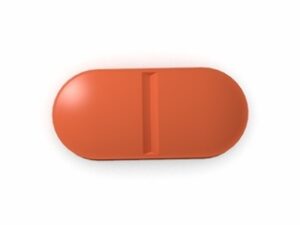
Minomycin (Minocycline) – Patient-Friendly Guide
Minomycin is a brand of minocycline, an antibiotic medicine in the tetracycline group. It is used to treat a range of bacterial infections and, in some cases, specific non-infectious inflammatory conditions where appropriate (for example, certain acne-related conditions). This guide explains how minocycline works, how the medicine is used, what to expect, and the key safety and interaction considerations for people in Australia.
This information is general and not a substitute for advice from a clinician or pharmacist. Always follow the directions given with your medicine and read the consumer medicine information (CMI) provided by the manufacturer.
At a glance
- Medicine: Minomycin (minocycline)
- Group: Tetracycline antibiotic
- Common uses: Certain infections; sometimes acne and other specific indications as advised
- How it works: Stops bacteria from making essential proteins (halts growth)
- Key safety notes: Sun sensitivity, possible stomach upset, drug–metal interactions, and rare but serious side effects
- Interactions: Antacids/iron/calcium/magnesium may reduce absorption; alcohol and some medicines may increase side effects
Basic product information
Minomycin (minocycline) contains minocycline as the active ingredient. Depending on the product and formulation, doses may be different (commonly in capsule or tablet form).
| Feature | What to know |
|---|---|
| Active ingredient | Minocycline |
| Medicinal class | Tetracycline antibiotic |
| What it treats | Selected bacterial infections; certain acne-related conditions when clinically appropriate |
| Common directions | Typically taken by mouth on the schedule provided by your clinician/pharmacist |
| How quickly it can work | Some symptom improvement may occur within 24–72 hours, depending on infection |
Mechanism of action (how minocycline works)
Minocycline works by interfering with how bacteria make proteins. Specifically, it binds to the bacterial ribosome (the protein-building machinery) and helps prevent the formation of new proteins needed for bacterial growth and survival.
Because it targets protein synthesis, minocycline is generally bacteriostatic (it inhibits growth of bacteria rather than directly killing them). The overall effect is that your immune system can more effectively clear the infection.
Pharmacokinetics (absorption, distribution, and elimination)
Understanding how the body handles minocycline may help with timing and interactions.
- Absorption: Minocycline is absorbed from the gastrointestinal tract. Absorption can be reduced by certain substances that bind the medication (for example, some minerals such as iron, calcium, magnesium, and certain antacids).
- Distribution: After absorption, minocycline distributes throughout the body. It can reach many tissues and is able to persist at therapeutic levels for a period depending on dosing schedule.
- Metabolism: Metabolism may occur in the body, and breakdown products may contribute to overall activity or clearance.
- Elimination: Minocycline and its metabolites are eliminated primarily through the kidneys and also through biliary/intestinal pathways. The exact balance may vary between individuals.
- Half-life: Minocycline has a relatively long duration of action compared with some other antibiotics, which is why dosing schedules often allow once- or twice-daily regimens depending on indication and formulation.
Typical indications (what it is used for)
Minomycin (minocycline) is used to treat infections caused by susceptible organisms, and it can also be used for other conditions where it is considered appropriate by a clinician.
Common categories may include:
- Bacterial infections such as certain respiratory, skin, and other bacterial infections (depending on local susceptibility and the infection type).
- Acne (for example, inflammatory acne) when minocycline is considered suitable by your clinician.
- Some specific infections may be treated with minocycline based on susceptibility and treatment guidelines.
Your clinician will consider the likely cause, local antibiotic resistance patterns, your medical history, and any potential interactions before recommending minocycline.
How to take Minomycin (timing and practical instructions)
Minocycline can be taken at different times of day depending on your dosing schedule. The key goal is to take it consistently and avoid substances that reduce absorption.
Typical timing
- Once daily or twice daily: Take doses at the same times each day when possible.
- With food: Minocycline may be taken with food if it upsets your stomach. Food can improve tolerability for some people.
- Do not double up: If you miss a dose, take it when you remember unless it is near the next dose—then skip the missed dose.
- Finish the course: Even if you feel better, complete the prescribed/outlined course unless advised otherwise.
Food interactions (what to avoid or separate)
Certain minerals can reduce minocycline absorption. This includes some dairy products and supplements containing minerals.
- Antacids: Some antacids may reduce absorption. If using an antacid, separate it from minocycline by a few hours (ask your pharmacist for an exact schedule).
- Iron, calcium, magnesium: Avoid taking minocycline at the same time as iron supplements or mineral supplements (including some “multivitamins” with minerals). Separate by at least 2–4 hours unless your pharmacist advises otherwise.
- Dairy products: Normal food amounts of dairy may be less of an issue than mineral supplements, but if you notice reduced effectiveness or your clinician has provided specific advice, you can separate dairy from the dose by a few hours.
- General approach: Try to keep a consistent pattern—if you take minocycline with breakfast, don’t repeatedly switch to large amounts of calcium/iron on dosing days.
Dose guidance (general information)
The exact dose depends on the indication (infection vs acne), severity, age, kidney function, and other individual factors. Always use the dose described on the product label and the directions provided with your medicine.
General dosing principles:
- Minocycline dosing is commonly once or twice daily depending on the regimen.
- Some regimens start with a higher “loading” dose, while others begin with a steady dose—this depends on the condition.
- If you have kidney impairment, a clinician may adjust the plan (though many people can still receive tetracyclines; adjustment depends on severity and overall regimen).
- If you experience side effects (e.g., dizziness or nausea), your pharmacist may advise adjustments such as taking with food or adjusting timing.
If you are unsure about your dose, consult a pharmacist. Do not change dose frequency without guidance.
Alcohol and medicine interactions
Alcohol can worsen certain antibiotic side effects such as dizziness, nausea, and stomach irritation. It may also affect how well you feel and adhere to treatment.
Alcohol
- Moderation is recommended while taking minocycline.
- If you notice increased dizziness, headaches, flushing, or stomach upset after drinking, avoid alcohol until you finish treatment and symptoms resolve.
- Avoid heavy or binge drinking, especially if you are taking other medicines that affect the liver or central nervous system.
Common medicine interactions
The most important interactions are usually related to absorption and side-effect overlap.
- Antacids, and products containing iron, calcium, magnesium: can reduce absorption. Separate doses as advised.
- Other medications that affect the gut or minerals: may require spacing.
- Medicines that cause photosensitivity: combining with minocycline may increase risk of sunburn. Examples may include some acne treatments and certain antihistamines—check your medication list.
- Liver-affecting medicines: rare liver-related side effects can occur with tetracyclines; if you take medicines known to impact liver function, discuss monitoring with your clinician.
- Warfarin (blood thinner): antibiotic use can sometimes affect bleeding risk. If you take warfarin or similar medicines, your INR may require closer monitoring.
Tell your pharmacist about all medicines and supplements you use, including vitamins, herbal products, and over-the-counter antacids.
Safety profile: side effects and when to seek help
Like all medicines, minocycline can cause side effects. Many are mild and manageable, but some are serious and need urgent medical attention.
Common side effects
- Nausea or stomach upset
- Loss of appetite
- Headache
- Dizziness (more likely in some people, especially early in therapy)
- Skin sensitivity to sunlight
- Changes in skin or tissue colour can occur rarely but are more characteristic of minocycline than some other tetracyclines
- Vaginal yeast infection or other fungal overgrowth (antibiotics can disrupt normal flora)
Serious or urgent warning signs
Contact a clinician urgently or seek emergency help if you experience any of the following:
- Signs of severe allergy: swelling of face/lips, wheezing, trouble breathing, widespread rash with blistering
- Severe or persistent diarrhoea, especially with blood or fever (possible antibiotic-associated colitis)
- Severe dizziness, fainting, or neurological symptoms
- Liver problems: yellowing of skin/eyes (jaundice), dark urine, severe fatigue, persistent upper right abdominal pain
- Unusual bruising or bleeding
- Severe rash or skin peeling
- New or worsening vision changes or severe headache (rare but important)
Pregnancy, breastfeeding, and children
Tetracyclines—including minocycline—can affect developing bones and teeth. Use in pregnancy and in young children is generally avoided unless a clinician deems it necessary. If you are pregnant, planning pregnancy, breastfeeding, or considering use for a child, discuss risks and alternatives with a healthcare professional.
Sun sensitivity and skin care
- Minocycline can make your skin more sensitive to UV light, increasing the chance of sunburn.
- In Australia, where sun exposure is significant, use high SPF broad-spectrum sunscreen, wear protective clothing, and limit midday sun.
- If you develop a significant rash after sun exposure, stop sun exposure and contact a clinician for advice.
Practical use tips for better results
- Set reminders: Minocycline works best when taken regularly. A phone alarm can help.
- Space mineral supplements: Keep iron/calcium/magnesium supplements and antacids away from your dose as directed.
- Take with food if needed: If you feel nauseated, taking with a meal may help.
- Stay hydrated: Helps with overall tolerability.
- Protect from sun: Especially during the first weeks when you’re still getting used to the medicine.
- Monitor symptoms: If symptoms do not improve after a few days (for infections) or if acne worsens unexpectedly, seek guidance.
- Do not skip doses: Skipping can increase the risk of treatment failure and resistance.
- Avoid sharing: Antibiotics should not be shared with others.
What to do if you miss a dose
If you forget a dose, take it as soon as you remember if it is not close to the next dose. If it is nearly time for the next scheduled dose, skip the missed dose. Do not take a double dose to make up for the missed one.
Alternative options (discuss with your clinician)
The “best” alternative depends on the condition being treated, local resistance patterns, and your medical history. Your clinician may consider:
- Other tetracyclines (e.g., doxycycline) for acne or certain infections, where appropriate.
- Macrolide antibiotics (e.g., azithromycin) for some respiratory or skin infections depending on the organism.
- Penicillins or cephalosporins for infections where they are suitable and effective.
- Topical therapies for acne (e.g., benzoyl peroxide, topical retinoids, topical antibiotics where indicated) to reduce reliance on systemic antibiotics.
If you cannot tolerate minocycline due to side effects, ask your pharmacist or clinician about alternatives and whether a different formulation or timing could help.
Market and legal context in Australia (high-level)
In Australia, access to medicines is regulated by the Therapeutic Goods Administration (TGA) and state/territory pharmacy requirements. Antibiotics and certain systemic medicines are subject to rules designed to support safe and effective use, including guidance around appropriate prescribing and preventing misuse.
For online pharmacy orders, availability and supply may depend on Australian regulations, product status, and eligibility checks. A reputable pharmacy will verify patient information and ensure appropriate counselling and safe dispensing practices.
Recent guidance and stewardship (why it matters)
Across Australia, antibiotic stewardship is a key priority. Healthcare professionals aim to:
- Use antibiotics only when they are likely to help.
- Choose the narrowest effective therapy where possible.
- Use correct dosing and duration to reduce resistance risk.
- Review treatment if symptoms do not improve or if side effects occur.
For acne, there is also growing emphasis on limiting long-term systemic antibiotics and combining them with topical treatments where appropriate. Your clinician can advise on the most up-to-date approach for your situation.
Delivery and availability (online pharmacy)
Availability of Minomycin/minocycline can vary depending on stock levels and the specific product strength or formulation. When ordering online in Australia, delivery options typically include standard and express services, with dispatch times that depend on whether the item is in stock.
- Check product strength/form: Capsules vs tablets and strength (mg) can differ.
- Allow for dispatch: Delivery is affected by warehouse processing and courier schedules.
- Packaging: Medicines are usually supplied in manufacturer packaging and stored appropriately.
- Tracking: Many pharmacies provide tracking for dispatched orders.
- Cold-chain: Minocycline generally does not require refrigeration for storage, but always store as directed on the label.
If you need your medicine urgently, contact customer support to confirm current availability and the estimated delivery timeframe.
Storage
- Store at room temperature as indicated on the label.
- Keep the medicine in its original packaging to protect from light and moisture.
- Keep out of reach of children.
- Check the expiry date before use.
FAQ: Minomycin (Minocycline)
1) How long does it take for minocycline to work?
Many people notice improvement within 24–72 hours for infections, though this depends on the type and severity of infection. For acne, improvements can take several weeks. If you do not notice improvement, or symptoms worsen, contact your clinician or pharmacist.
2) Can I take minocycline with milk or dairy?
Dairy can sometimes affect absorption, mainly when large amounts of calcium are involved. Normal food portions may be acceptable for many people, especially if taken with food to reduce stomach upset. For best results, follow your pharmacist’s advice and keep your dosing routine consistent.
3) Do antacids affect minocycline?
Yes. Some antacids can reduce absorption. If you need an antacid, separate it from minocycline by a few hours—ask your pharmacist for a tailored schedule based on the specific product.
4) What about iron or magnesium supplements?
Iron and magnesium can bind to tetracyclines and reduce absorption. Avoid taking them at the same time. Separate dosing by at least 2–4 hours (or follow pharmacist advice).
5) Is it safe to drink alcohol while on minocycline?
Light or moderate alcohol may be tolerated by some people, but alcohol can increase dizziness and stomach upset. Avoid heavy drinking and stop alcohol if you notice side effects. If you have liver issues or are taking other interacting medicines, discuss with your pharmacist.
6) What should I do if I get diarrhoea?
Mild diarrhoea can occur with antibiotics. However, seek medical advice urgently if diarrhoea is severe, persists, contains blood, or is associated with fever or significant abdominal pain.
7) Can minocycline cause sun sensitivity?
Yes. Minocycline can make your skin more sensitive to sunlight. Use sunscreen, wear protective clothing, and avoid prolonged sun exposure to reduce the risk of sunburn and rash.
8) Are there any specific blood or liver tests I might need?
Routine testing is not always required for everyone. However, if you have underlying liver disease, take interacting medicines, or develop symptoms suggestive of liver problems (such as jaundice or persistent upper abdominal pain), a clinician may request tests.
9) What if I experience dizziness?
Dizziness is a known side effect for some people. Avoid driving or operating machinery if you feel unsteady. Taking minocycline with food and discussing dose timing with your pharmacist can help. If dizziness is severe or persistent, seek medical advice.
10) What are common signs of an allergic reaction?
Signs include rash, swelling of the face/lips, itching, wheezing, or trouble breathing. Seek urgent medical help if symptoms are severe or rapidly worsening.
Summary
Minomycin (minocycline) is a tetracycline antibiotic used for selected bacterial infections and certain acne-related conditions when appropriate. It works by blocking bacterial protein production. For best results, take it at consistent times, avoid mineral-containing supplements and antacids close to your dose, and protect your skin from the Australian sun. Like all antibiotics, it can cause side effects—most are mild, but serious reactions can occur and require urgent attention.
If you have questions about your specific regimen, interactions with your current medicines, or how to manage side effects, speak with a pharmacist. They can help you plan safe and effective use.