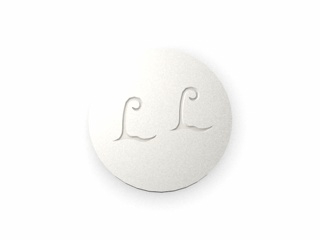
Myambutol (Ethambutol Hydrochloride) – Patient Information
Myambutol contains ethambutol hydrochloride. It is an anti-tuberculosis medicine used as part of a treatment regimen for certain infections, most commonly tuberculosis (TB) and mycobacterial infections. This information is designed to help you understand what Myambutol does, how it works in the body, how it is usually used, and what to watch for while taking it.
Always follow the instructions provided by your healthcare professional and the directions on your medicine label.
At a glance
- Active ingredient: Ethambutol hydrochloride
- Common use: Treatment of tuberculosis and certain non-tuberculous mycobacterial infections
- How it works: Disrupts the growth of TB bacteria by blocking formation of a key cell-wall component
- Key safety focus: Possible vision changes (especially decreased colour vision)
- Typical form: Oral tablets (strengths vary by product)
Basic product information
| Feature | Details |
|---|---|
| Medicine name | Myambutol |
| Generic name | Ethambutol hydrochloride |
| Medicine type | Anti-mycobacterial antibiotic |
| Route | By mouth (oral) |
| Common treatment context | Usually used in combination with other TB medicines |
How Myambutol works (mechanism of action)
Ethambutol targets mycobacteria (bacteria such as Mycobacterium tuberculosis). It works by interfering with the production of mycobacterial cell-wall components. This slows or stops the bacteria’s ability to grow and multiply.
Because TB bacteria can be difficult to eliminate completely, ethambutol is typically used alongside other anti-TB medicines. Combination therapy helps improve cure rates and reduces the chance of drug resistance.
Pharmacokinetics (how your body handles Myambutol)
Pharmacokinetics describes what happens to a medicine after you take it.
- Absorption: Ethambutol is absorbed from the gastrointestinal tract after oral dosing.
- Distribution: It spreads through the body, including reaching areas where TB can occur. It can enter body fluids and tissues relevant to infection.
- Metabolism: Part of ethambutol is metabolised in the body.
- Elimination: Most of the medicine and its metabolites are eliminated primarily via the kidneys.
- Kidney function matters: Because excretion is largely renal, dosing and monitoring may need adjustment if you have kidney impairment.
If your kidneys do not work as well as usual, medicine levels may build up and increase the risk of side effects, including eye-related effects.
Typical use and indications
Myambutol is used to treat infections caused by susceptible mycobacteria. Its most common use is in tuberculosis (TB) regimens.
Indications may include:
- Pulmonary TB (TB affecting the lungs)
- Extrapulmonary TB (TB affecting other parts of the body)
- Mycobacterial infections caused by organisms susceptible to ethambutol, including certain non-tuberculous mycobacteria (NTM), depending on local clinical guidance and laboratory results
Important: Ethambutol is generally not used alone for TB. Treatment plans typically combine multiple medicines based on the type of TB, test results, severity, and your medical history.
Timing: how and when to take Myambutol
Your dosing schedule depends on your treatment plan. Common regimens for TB may involve daily dosing, and sometimes other schedules depending on your regimen and clinical situation.
- Take at the same time each day if your regimen is once-daily.
- Follow your local instructions for frequency (daily or as directed).
- Swallow whole with water unless your clinician or pharmacist advises otherwise.
- Do not double up to make up for a missed dose unless your healthcare team instructs you to.
If you are unsure about what to do after a missed dose, speak with your pharmacist. For TB medicines, consistency is especially important.
Food interactions and absorption
Ethambutol can generally be taken with or without food. Food interactions may not be a major concern for most people.
- Consistency helps: Try to take Myambutol the same way each day (either always with food or always on an empty stomach), as your clinician may have chosen a schedule to support consistent absorption.
- Gastric upset: If you experience nausea, taking the dose with a meal may be more comfortable.
If you take other medicines as part of your TB regimen, confirm timing to avoid any specific medicine-specific interactions.
Alcohol and medicine interactions
Alcohol
While there is no single “universal” rule that ethambutol must never be taken with alcohol, alcohol is strongly discouraged during TB treatment because TB regimens commonly include medicines that can affect the liver, and alcohol can worsen liver stress and reduce overall safety.
- Avoid alcohol if possible during treatment.
- If you choose to drink, discuss with your healthcare professional what level is safe for you based on your overall liver health and other medicines you take.
Medicine interactions
Ethambutol may interact with other medicines mainly through additive side-effect risks and changes in clearance (especially if kidney function is reduced). Key areas include:
- Other medicines that can affect the eyes: Ask about additive risk if you use other drugs associated with vision changes.
- Medicines that affect renal function: Because ethambutol is cleared largely by the kidneys, medicines that impair kidney function may increase ethambutol exposure.
- TB combination therapy: TB regimens often include multiple antibiotics and other medicines. Some combinations require specific monitoring for liver, kidneys, blood counts, or vision.
Tell your pharmacist about all medicines you take, including over-the-counter products, vitamins, herbal supplements, and any medicines used for chronic conditions.
Dosing (typical approach)
Ethambutol dosing is usually determined by your body weight and the specific TB regimen being used. Clinicians often calculate a target daily dose in mg per kg, then prescribe the closest practical tablet strength(s).
Do not change your dose or stop early, even if you feel better. TB and some mycobacterial infections require sustained therapy.
General dosing principles
- Weight-based dosing: Dose is typically based on body weight.
- Kidney function adjustment: If you have kidney impairment, dosing and monitoring may need adjustment.
- Combination regimens: Ethambutol is usually taken alongside other TB medicines, and the dose timing may be coordinated.
Because dosing varies by individual circumstances, the most accurate guidance is the schedule provided on your medicine label or by your healthcare team.
Safety profile and important precautions
Myambutol is generally well tolerated when used appropriately, but it has some important risks that require awareness.
Most important potential adverse effect: vision changes
Ethambutol is known to potentially cause optic neuritis and other visual disturbances, particularly at higher doses, longer duration, or in people with kidney impairment. The risk is why eye monitoring is commonly recommended during TB treatment with ethambutol.
Seek urgent medical advice if you notice:
- Blurred vision
- Reduced visual acuity (seeing less clearly)
- Changes in colour vision, such as difficulty distinguishing red/green
- Pain in or around the eye (especially with eye movement)
- Visual field changes
Do not “wait it out” if you experience new visual symptoms. Early assessment is important.
Other possible side effects
- Gastrointestinal symptoms: nausea, stomach discomfort
- Headache or dizziness
- Rash or itching (less common)
- Joint aches or general fatigue
- Laboratory changes: certain blood or kidney-related parameters may be monitored as part of TB treatment
Who may require extra caution?
- People with kidney impairment (increased exposure and toxicity risk)
- People taking higher doses or longer courses
- People with pre-existing eye disease or symptoms affecting vision
- Older adults, where kidney function and monitoring needs may differ
Practical use tips (helpful in real life)
- Know your eye baseline: If you’re starting ethambutol, your clinician may arrange an eye assessment. If you notice vision changes later, inform your healthcare team promptly.
- Use a medication organiser: A weekly pill box can help you avoid missed doses.
- Keep a medication diary: Record dosing dates and any symptoms—especially visual symptoms or unusual side effects.
- Hydration and kidney health: Stay well hydrated unless your clinician has restricted fluids.
- Adherence matters: TB medicines often take many months. Even when you feel better, continue as instructed.
- Don’t mix schedules casually: If you have multiple medicines, double-check timing when starting and finishing other TB regimen components.
Recent guidance and monitoring (Australia context)
In Australia, TB management follows clinical guidance that emphasises:
- Combination therapy using multiple anti-TB medicines
- Susceptibility testing where possible
- Monitoring for safety, particularly for medicines with known toxicity profiles
- Public health follow-up for TB cases, including appropriate contact tracing processes as required
During ethambutol therapy, eye monitoring is commonly considered, especially for those at higher risk (e.g., kidney impairment, higher doses, longer duration, or existing vision issues). Your treating team may schedule vision checks or advise you to report symptoms early.
Delivery, availability, and pharmacy supply in Australia
Myambutol (ethambutol hydrochloride) is typically supplied through pharmacies in Australia under standard medication supply processes. Availability can vary depending on stock levels and tablet strength.
Delivery and ordering
- Online pharmacy delivery: Many Australian pharmacies provide home delivery or parcel pickup options where available.
- Allow time for processing: Orders may require identity verification and medication supply checks depending on the product and regulatory requirements.
- Cold chain: Ethambutol tablets do not usually require cold storage. Store as directed on the label.
If you need the medicine urgently, contact the pharmacy team to check current dispatch timelines and alternative supply options.
Alternative options
For TB and non-tuberculous mycobacterial infections, alternative medicines may be used depending on the organism’s susceptibility, disease location, and your health status. Ethambutol is one component of many possible combination regimens.
Examples of other TB medicines that may appear in combination regimens include:
- Rifampicin
- Isoniazid
- Pyrazinamide
- Others depending on regimen and resistance patterns
For non-tuberculous mycobacterial infections, regimens can differ and may involve additional or alternative antibiotics. Your clinician determines the best combination based on test results and risk factors.
Do not switch medicines without clinical guidance—TB treatment must be coordinated to prevent inadequate coverage and resistance.
Market and legal context in Australia
Medicines used to treat TB and mycobacterial infections are regulated and supplied according to Australian medicines legislation and pharmacy practice standards. Supply processes may include verification steps and pharmacist counselling to ensure safe use.
Pharmacies may also require information about:
- Patient identity and medicine history
- Current treatment regimen components
- Allergies and relevant medical conditions (especially kidney impairment and eye conditions)
- Potential interactions with other medicines
Your pharmacist can help confirm your dosing schedule and discuss side-effect monitoring.
FAQ
1. What is Myambutol used for?
Myambutol (ethambutol) is used to treat tuberculosis and certain mycobacterial infections. It is most often used as part of a combination regimen with other anti-TB medicines.
2. How long does it take to work?
Many people start to feel better after a period of treatment, but TB therapy typically lasts for months. Even if symptoms improve, the bacteria may not be fully cleared, so it is crucial to complete the course as directed.
3. What should I do if I miss a dose?
Follow the advice given by your pharmacist or treatment team. In general, do not double up without guidance. Consistency is especially important in TB treatment.
4. Can I take Myambutol with food?
Ethambutol can generally be taken with or without food. If it causes nausea, taking it with a meal may help. Maintain a consistent routine.
5. Does alcohol affect Myambutol?
Alcohol is generally discouraged during TB treatment because regimens often include other medicines that may affect the liver and overall safety. Discuss any alcohol use with your healthcare team.
6. Why do I need eye monitoring?
Ethambutol can affect the optic nerve in some people, leading to visual changes. Eye monitoring helps detect problems early. Contact your clinician promptly if you notice blur, reduced clarity, or changes in colour vision.
7. What are signs of a serious side effect?
Get urgent medical advice if you experience vision changes (including colour vision changes), severe eye pain, or sudden loss of vision. Also seek advice for rash with swelling, severe allergic symptoms, or significant weakness or unusual bleeding.
8. Who should be extra careful when taking ethambutol?
Extra caution is recommended if you have kidney impairment, existing eye problems, or if you are prescribed higher doses or longer treatment duration.
9. Can Myambutol interact with other medicines?
Yes. Interactions may relate to combined side effects and kidney function (since ethambutol is primarily eliminated by the kidneys). Tell your pharmacist about all medicines and supplements you take.
10. Where can I get Myambutol in Australia?
Myambutol is supplied through Australian pharmacies. Many pharmacies offer online ordering and home delivery or pickup. Availability and dispatch times may vary.
Reminder: If you have any concerns while taking Myambutol—especially anything related to vision—contact your healthcare provider promptly. Safe and effective TB treatment relies on taking the correct regimen consistently and monitoring for side effects.