Acticin (Permethrin) — Patient Information (Australia)
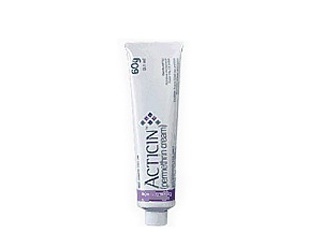
Acticin contains permethrin, a synthetic insecticide used to treat infestations of the skin caused by certain parasites, most commonly scabies and sometimes head lice (depending on the specific product/strength available). This page explains how Acticin works, how to use it correctly, what to expect, and important safety information for use in Australia.
Note: Always follow the instructions supplied with your product and any advice from a pharmacist or other qualified healthcare professional. Product strengths and directions can vary.
Quick overview
| Feature | What to know |
|---|---|
| Active ingredient | Permethrin |
| Common uses | Scabies (and, depending on product, head lice) |
| How it works | Kills parasites by affecting their nerve function |
| Typical form | Cream (and some formulations for lice are different—check your pack) |
| Onset | Parasites are killed during contact; itch may persist after treatment |
| Key practical point | Treat close contacts and clean items to prevent re-infestation |
Basic product information
Acticin (permethrin) is a topical medicine used to treat infestations. Permethrin belongs to the pyrethroid group—medicines that act on insect and mite nervous systems.
In Australia, Acticin is available through retail pharmacy channels and is used as a common first-line option for scabies in many settings. Availability, pack size, and product formulation can vary, so check your carton/label for the exact strength and instructions.
How Acticin works (mechanism of action)
Permethrin works by interfering with the normal function of nerve cells in parasites:
- Disrupts sodium channel activity in the nervous system of scabies mites or lice.
- This causes paralysis and ultimately death of the parasite.
- Because permethrin acts directly on the parasite’s nervous system, correct application (especially coverage of the skin areas recommended) is essential.
Important: Even after parasites are killed, itching can continue for some time. This is usually due to an ongoing immune/inflammatory reaction rather than live mites.
Pharmacokinetics (how the body handles it)
When applied to the skin, only small amounts of permethrin typically enter the bloodstream. For most people, systemic absorption is low, which is one reason topical permethrin is widely used.
- Absorption: Minimal through intact skin; may increase if applied to damaged skin.
- Distribution: The medicine is mainly localised to the skin surface.
- Metabolism: Any absorbed permethrin is broken down in the body.
- Elimination: Metabolites are cleared from the body primarily via normal metabolic processes.
Because systemic exposure is generally low, serious whole-body side effects are uncommon when the medication is used as directed.
Typical uses and indications
Acticin/permethrin is used to treat parasitic infestations. Depending on the product strength and formulation available in your area, it may be indicated for:
- Scabies (mites that cause intense itch and a characteristic rash)
- Head lice (in some permethrin formulations; check your pack for the specific indication)
If you are unsure which infestation your product is intended for, check the label or ask your pharmacist.
Dosing and timing (follow your pack instructions)
Dose and timing depend on the condition being treated and the formulation/strength you have. Below are general guidance patterns commonly used for permethrin-based products.
For scabies (general approach)
- Timing: Often applied to the skin and left on for a specified period (commonly around 8–14 hours, depending on the product).
- Repeat dose: Many scabies treatment regimens include a second application after about 7 days to cover newly hatched mites.
- Coverage: Apply to recommended areas including (as directed) skin folds and between fingers/toes; avoid missing areas because survival of even a small number of mites can lead to persistent infestation.
For head lice (general approach, if your product is for lice)
- Timing: Permethrin lotion/cream is typically applied to the scalp and left for a set period (commonly 10 minutes to a longer duration depending on strength/product).
- Repeat dose: Often repeated after 7 days to treat newly hatched lice.
- Combining with wet-combing: Many guidelines recommend using a fine lice comb after application to remove dead lice and nits (eggs).
Always check your package: The “leave on” time, whether to repeat, and the exact application method can differ by formulation.
Practical step-by-step use tips
Correct application is the difference between effective treatment and failure due to re-infestation or missed areas.
Scabies: practical application tips
- Prepare the skin: Use as directed. Some regimens recommend applying after bathing and drying completely.
- Apply thoroughly: Work from the neck down (or as directed), covering all recommended areas.
- Don’t forget high-risk zones: Areas between fingers/toes, under nails, wrists, elbows, knees, waistline, and genital area are often specifically emphasised.
- Hands: If you wash your hands during the leave-on period, reapply to hands as required by your instructions.
- Leave on for the specified time, then wash off carefully.
Head lice (if applicable to your product): practical application tips
- Apply to damp or dry hair depending on the product directions.
- Even coating: Ensure the lotion/cream reaches the scalp and hair shafts.
- Use a lice comb: Comb through thoroughly to remove lice and nits.
- Repeat at the correct interval (commonly around 7 days) to break the life cycle.
Prevent re-infestation
- Scabies: Treat close contacts (household/regular intimate contacts) at the same time as directed, even if they have no symptoms.
- Clothing/bedding: Wash items used recently in hot water and dry thoroughly. Items that cannot be washed may be sealed in a bag for a period recommended by local guidance.
Food interactions
Food interactions are not expected with topical permethrin because absorption into the bloodstream is generally low. Therefore, it is typically safe to take normal meals while using Acticin.
However, if your skin becomes irritated, you may find it more comfortable to avoid foods you know trigger itching or inflammation for you personally.
Alcohol and medicine interactions
Alcohol
There are no well-known direct alcohol interactions with topical permethrin, because systemic absorption is minimal. If irritation occurs, avoid additional skin stressors, but alcohol itself is not usually a concern.
Other medicines
Topical permethrin may be applied alongside other skin treatments, but to minimise the risk of irritation or reduced effectiveness:
- Avoid applying other creams, lotions, or oils at the same time unless your healthcare professional advises it.
- Tell your pharmacist about all topical and oral medicines you use, especially corticosteroids or moisturisers, so they can advise on the best order and timing.
If you are treating scabies or lice, focus on correct permethrin application and combing/cleaning measures rather than combining multiple treatments unless specifically directed.
What to expect after treatment
People often wonder whether symptoms should disappear immediately. With scabies and lice, the key aim is to kill the parasites. However:
- Itch may continue after scabies treatment due to the skin’s immune response.
- Some people need repeat treatment or additional steps if re-infestation occurs (for example, from untreated close contacts or missed areas).
- With lice, the presence of nits after treatment can be confusing; nits are often less “movement” and may persist even after lice are dead. A combing routine helps clarify progress.
If symptoms persist beyond the expected timeframe, or if new spots appear, seek advice from a pharmacist or GP.
Safety profile and side effects
Acticin (permethrin) is generally well tolerated when used as directed. Most side effects are mild and limited to the application site.
Common or mild side effects
- Skin irritation (redness, mild burning or stinging)
- Itch or dryness
- Soreness where applied
Less common but important side effects
- Allergic reactions (rare): swelling, rash away from the application site, wheezing, or severe hives
- Severe burning or blistering, particularly if used on broken skin or used more often than recommended
Seek urgent medical help if
- You develop signs of a serious allergic reaction (such as difficulty breathing, facial swelling, or widespread hives)
- Severe skin reactions occur (intense blistering, spreading rash with fever, or infection signs like pus)
Special populations
- Children: Permethrin is commonly used for scabies in children when applied correctly. Follow the child-specific guidance on the product label or clinician advice.
- Pregnancy and breastfeeding: Topical permethrin is often considered when needed because systemic absorption is low, but confirm with a pharmacist or GP for individual situations.
- Skin conditions: If you have eczema/dermatitis or very broken skin, the product may be more irritating—ask your pharmacist for guidance.
Practical use tips for best results
- Follow the “leave on” time exactly. Shortening can reduce effectiveness; leaving on too long may increase irritation.
- Apply to all required areas, not just the worst spots. Scabies mites can be present in areas that look normal.
- Treat close contacts simultaneously (especially for scabies) to prevent bouncing infestation between people.
- Keep nails trimmed for scabies to reduce skin damage from scratching.
- Don’t skip cleaning: Washing bedding, towels, and clothing used recently helps reduce re-infestation risk.
- Use moisturiser after washing off (unless your pack says otherwise) if skin is dry—this can help reduce itch.
If your itch is severe, a pharmacist may suggest suitable supportive measures (for example, emollients or itch-relief options). Avoid applying extra insecticide repeatedly unless advised—excess use can worsen irritation.
Alternative options
Depending on the infestation and local resistance patterns, other treatments may be considered. Your pharmacist can advise based on the product availability in Australia and the infestation type.
For scabies
- Other topical scabicides (for example, different permethrin strengths or alternative insecticides depending on availability)
- Oral options may be considered in some cases by clinicians, particularly for outbreaks, severe crusted scabies, or when topical treatment is difficult—ask about what’s appropriate for you
For head lice
- Other lice treatments (different active ingredients) if resistance to permethrin is suspected
- Mechanical removal with a fine comb and a wet-combing routine
Important: If treatment appears ineffective, resistance or reinfestation from contacts is a common reason. Re-check application technique and household contact treatment before switching products.
Market and legal context in Australia
In Australia, topical permethrin products used for scabies and lice are generally supplied through pharmacy distribution. Product status (for example, whether it is available without prescription or under specific pharmacy scheduling) can depend on formulation and brand.
Supply is typically governed by Australian regulatory requirements for medicines and consumer medicine information. Pharmacies and approved retailers help ensure that you receive the correct product for your condition and understand the application method.
Recent guidance and best-practice considerations: Current public health and clinical advice commonly emphasises:
- Simultaneous treatment of close contacts for scabies
- Correct timing (leave-on duration and repeating at the recommended interval)
- Environmental cleaning to reduce reinfestation
- Supportive itch management after scabies treatment
- For lice, a strong focus on comb-based strategies and appropriate repeat dosing
Guidance can evolve. If you are treating an outbreak (for example, in a school, aged-care setting, or close community environment), your pharmacist may be able to direct you to the most current local recommendations.
Delivery and availability (Australia)
Acticin (permethrin) may be available through Australian pharmacies and approved online pharmacy services. Delivery options, fees, and dispatch times can vary depending on location and current stock levels.
- Check product strength and type on the listing (scabies vs head lice formulations may differ).
- Confirm packaging: Look for the product name, active ingredient, strength, and instructions.
- Storage: Store as directed on the label (typically at room temperature, away from moisture and heat).
If your treatment schedule depends on a specific day (for example, for scabies with close contact timing), order early to allow time for delivery.
FAQ — Acticin (Permethrin)
1) Will Acticin stop the itching immediately?
Usually, the parasites are killed during the treatment period, but itch can continue for days or sometimes longer because the skin remains inflamed. This doesn’t always mean treatment failed. If itching is worsening significantly, new bumps keep appearing, or symptoms do not improve within the expected timeframe, seek advice.
2) How soon should I see improvement?
Some improvement may be noticed within a few days, but for scabies, itch may persist even after successful treatment. With lice, fewer live lice should be seen after correct application and combing. The expected course can vary by person and the infestation situation.
3) Do I need to treat household contacts for scabies?
Yes, often you do. Scabies commonly spreads through prolonged skin-to-skin contact. Treating close contacts at the same time reduces the chance of re-infestation.
4) Can I wash off Acticin earlier than instructed?
It’s best to not. The recommended “leave on” time is part of how permethrin achieves effectiveness. Washing off early may reduce results. If you accidentally shorten the leave-on time, check with your pharmacist for advice.
5) What if I still have mites after treatment?
Common reasons include missed application areas, not treating close contacts simultaneously, reinfestation from bedding/clothing, or timing differences. If you believe treatment has not worked, consult your pharmacist or GP for reassessment and next steps (which may include repeating treatment or using an alternative strategy).
6) Is Acticin safe for children?
Permethrin products are widely used in children for scabies/lice when applied correctly. However, dosing and application instructions can be age- and product-specific. Follow the label carefully and ask your pharmacist for guidance if you have any concerns.
7) Can I use Acticin if I’m pregnant or breastfeeding?
Because systemic absorption is generally low with topical use, permethrin is often considered when treatment is needed. Still, it’s wise to discuss your situation with a pharmacist or GP, particularly for extensive application or if you have skin irritation.
8) Are there any food interactions?
No clinically significant food interactions are expected with topical permethrin.
9) Can I drink alcohol while using Acticin?
Alcohol isn’t known to interact with topical permethrin in a meaningful way. If you experience skin irritation, focus on supportive care and follow the product directions.
10) What should I do if the skin becomes very irritated?
Stop and seek advice if irritation is severe. Some mild redness or burning can occur, but severe burning, blistering, or widespread rash may indicate sensitivity or incorrect use.
Summary
Acticin (permethrin) is a topical medicine used to treat scabies and certain lice infestations by disrupting parasite nerve function. When applied correctly, permethrin kills mites/lice effectively; however, symptoms such as itching may persist after successful scabies treatment. The best outcomes come from:
- Using the correct product for the condition
- Applying thoroughly and for the full recommended time
- Repeating if the regimen requires it
- Treating close contacts and cleaning items to prevent re-infestation
If you’re unsure whether your symptoms match scabies or head lice, or if your treatment isn’t working as expected, speak with a pharmacist or GP for tailored advice.