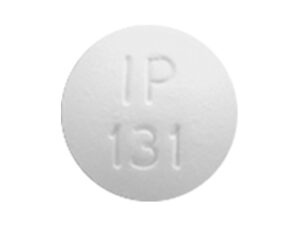
Colchicum autumnale (Colchicum autumnale) – Patient Guide (Australia)
Colchicum autumnale is a medicine name derived from the autumn crocus (a plant). In healthcare settings, it is best known for its use in conditions related to inflammation and uric acid crystals, particularly certain types of gout and inflammatory disorders. Because the medicine can be highly toxic if misused, it is important to use it only as directed by a qualified healthcare professional or according to the approved instructions for the product you’re taking.
This patient-friendly guide explains what Colchicum autumnale is used for, how it works, how your body handles it, what to consider with food and other medicines (including alcohol), and practical tips for safe use in Australia.
Basic product information
- Medicine name: Colchicum autumnale
- Common uses: Gout flares and certain inflammatory conditions (as clinically indicated)
- How it’s supplied: Available in specific strengths and formulations depending on brand and Australian availability
- Who should take care: People with kidney or liver problems, older adults, and those taking interacting medicines
Important: Colchicum autumnale is a medicine where dose and suitability are critical. Accidental overdose can be life-threatening. If you suspect overdose, seek urgent medical help.
How Colchicum autumnale works (mechanism of action)
Colchicum autumnale is thought to reduce inflammation by interfering with how immune cells respond to crystal-related irritation. Specifically, colchicine (the active substance associated with Colchicum autumnale in clinical medicine) works by affecting microtubules inside cells. This helps:
- Reduce neutrophil activity: Neutrophils are white blood cells involved in acute inflammatory reactions.
- Limit inflammatory signalling: It helps slow processes that contribute to swelling, pain, and redness during flares.
- Counter crystal-driven inflammation: In gout, uric acid crystals trigger an intense immune response; colchicine helps dampen that response.
Key point: Colchicum autumnale is intended to manage inflammatory symptoms during specific conditions and, in some clinical plans, to prevent recurring attacks. It is not a general painkiller.
Pharmacokinetics (what the body does to the medicine)
Pharmacokinetics describes how the body absorbs, distributes, metabolises, and excretes the medicine. While exact values depend on formulation and individual factors, colchicine generally behaves as follows:
- Absorption: Absorbed from the gastrointestinal tract; food can affect peak levels.
- Distribution: Distributed into tissues, including areas involved in inflammation.
- Metabolism: Mainly processed in the liver through metabolic pathways (notably enzymes involved in drug metabolism).
- Transport proteins: Drug transporters in the intestine and liver can influence absorption and clearance.
- Elimination: Excreted via the body’s clearance routes, including renal and biliary pathways. Reduced kidney or liver function can increase exposure.
Why this matters: Because colchicine is handled by metabolic enzymes and transport proteins, it has a higher risk of interactions than many medicines. Some medicines can raise colchicine levels, increasing toxicity risk.
Typical uses and indications
Colchicum autumnale (colchicine-containing products) is used for specific inflammatory conditions. The exact indication depends on the approved product and clinical guidance in Australia. Common clinical uses include:
- Gout: Treatment of acute gout flares to reduce inflammation and pain.
- Prevention strategies: In some cases, used as part of prevention plans to reduce the risk of gout attacks (for example, when starting other gout medicines under medical supervision).
- Other inflammatory disorders: Certain inflammatory conditions may be treated with colchicine when clinically appropriate.
Not for: Colchicum autumnale is not intended for treating every type of pain or inflammation. Always confirm the correct condition and plan with a healthcare professional.
Timing: when to take it
Timing depends on the reason you’re taking it and the product instructions. For acute gout flares, colchicine works best when started early (soon after symptoms begin). For preventive use, it is usually taken at consistent intervals as directed.
Practical timing guidance
- Acute flare: Starting early is important for symptom benefit.
- Prevention: Take at the same time(s) each day to maintain consistent medicine levels.
- If you miss a dose: Follow product instructions. In general, do not double up to “catch up” unless a clinician advises you to.
If you’re unsure: Check the package label or ask your pharmacist. Because dosing is strict, it’s best not to guess.
Dosing (general information)
Dosing must be individualised. The safest dose depends on your age, kidney and liver function, and whether you take interacting medicines. The same person may require different dosing during acute treatment versus prevention.
Because Colchicum autumnale is associated with a narrow safety margin, Australian product labels and clinical guidelines provide specific dose recommendations. Always follow the approved label or the instructions provided by your healthcare professional.
Factors that may change your dose
- Kidney function: Reduced clearance can require lower dosing.
- Liver function: Liver impairment can raise exposure.
- Age: Older adults may be more sensitive.
- Drug interactions: Some medicines can significantly increase colchicine levels.
- Body weight and frailty: Relevant for some patient groups.
Safety note: Do not take extra tablets or take more frequently than directed to “make it work faster.” Overdose risk is serious.
Food interactions
Food can influence absorption for some medicines. For colchicine-type products, taking with or without food may alter how quickly levels rise. Some patients may find they tolerate it better with food, particularly if nausea occurs.
General tips
- Follow product instructions: Some labels suggest taking with food; others allow it.
- Avoid grapefruit and certain herbal supplements: While this isn’t the same as “food,” it can still affect drug metabolism and transporter activity, potentially raising colchicine levels.
- Stay hydrated: This is helpful for gout overall and supports kidney function.
If you’ve been advised to take your dose with a meal and you occasionally take it without, contact your pharmacist for advice if you’re unsure whether timing changes matter in your case.
Alcohol interactions
Alcohol can affect dehydration, sleep, and how your liver processes medicines. While colchicine is not typically classified as having a direct “fatal interaction” with alcohol in the way some medicines do, alcohol can still increase risk indirectly by:
- Worsening dehydration (which can strain kidney function during flares)
- Increasing liver stress (important if you already have liver impairment)
- Increasing side effects such as nausea or stomach upset
Recommendation: Limit or avoid alcohol during an acute flare and while taking colchicine if your clinician advises caution. If you drink alcohol regularly, discuss with your pharmacist or doctor to tailor advice to your health and other medications.
Medicine interactions (including common high-risk categories)
Colchicum autumnale products are particularly prone to interactions. Many interactions occur because colchicine is processed by enzymes and transport systems in the gut and liver. Medicines that inhibit these pathways can cause colchicine levels to rise, increasing the risk of severe side effects including gastrointestinal illness, blood cell suppression, muscle toxicity, and organ injury.
High-risk interacting medicines
Do not start or stop interacting medicines without advice. Examples of medicine categories that can interact include:
- Strong inhibitors of drug metabolism pathways (certain antibiotics and antifungals, depending on the specific medicine)
- Some antivirals used for viral infections
- Calcium channel blockers such as some agents used for blood pressure or heart conditions
- Macrolide antibiotics (class-dependent interaction risk)
- Statins and other cholesterol-lowering medicines (some combinations may increase muscle-related side effects)
Lower-risk but still relevant interactions
- Other medicines that affect kidney function or cause dehydration
- Medicines that influence bleeding risk indirectly (if you have other conditions)
What you can do
- Keep an up-to-date list of all medicines, including “non-prescription” items and supplements.
- Tell your pharmacist if you’re taking medicines for blood pressure, cholesterol, infections, or viral conditions.
- If you start a new medicine, ask whether it affects colchicine levels.
Seek urgent advice if you develop severe diarrhoea, vomiting, unusual weakness, muscle pain, or signs of infection or bruising while taking colchicine.
Safety profile and side effects
Colchicum autumnale can cause side effects, especially if the dose is too high or if drug interactions increase exposure. The safety profile varies by patient and product dose.
Common side effects
- Gastrointestinal symptoms: nausea, vomiting
- Diarrhoea (can be a key early sign of excessive exposure)
- Abdominal discomfort
Serious side effects (urgent attention)
Stop and seek urgent medical help if you experience any of the following:
- Severe or persistent diarrhoea/vomiting
- Signs of dehydration (dizziness, fainting, very low urine output)
- Unusual bruising or bleeding (possible blood cell effects)
- Severe muscle pain or weakness (particularly if you take statins or have interacting medicines)
- Fever or infection symptoms with no obvious cause
- Allergic reaction (swelling, rash, difficulty breathing)
Who needs extra caution
- Kidney impairment
- Liver impairment
- Older adults
- People taking interacting medicines (as listed above)
- Pregnancy and breastfeeding: discuss risks and benefits with a clinician
Practical use tips for safer outcomes
- Follow the label exactly: Do not change frequency or dose.
- Check interactions: Confirm with your pharmacist if you start antibiotics, antifungals, antiviral medicines, heart medicines, or cholesterol medicines.
- Use hydration strategies during gout flares: Adequate fluid intake supports kidney function (unless you’ve been restricted).
- Watch for early side effects: Mild nausea may occur; however, severe diarrhoea or vomiting can indicate the dose is too high or interactions are present.
- Keep products organised: Store in a safe place away from children.
Reminder: “Natural” does not mean safe. Colchicum autumnale is not an herbal remedy for self-dosing due to toxicity risk associated with inappropriate use. Use only regulated medicine products at the appropriate strength and dose.
Alternative options for gout and inflammatory flares
Alternative options depend on the specific diagnosis, severity, comorbidities, and what medications you already take. If colchicine isn’t suitable, options may include:
For acute gout flares
- Anti-inflammatory medicines (e.g., NSAIDs) – may not suit everyone, particularly with kidney disease or stomach ulcers
- Corticosteroids – sometimes used when other treatments are unsuitable
- Non-medicine measures (rest, ice, supportive care) alongside medical treatment
For long-term gout prevention
- Urate-lowering therapy (to reduce uric acid and prevent crystals)
- Lifestyle strategies such as weight management, dietary adjustments, and limiting alcohol if it triggers attacks
Your clinician can recommend the most appropriate approach based on your kidney function, cardiovascular risk, and other medicines.
Market and legal context in Australia
In Australia, medicine availability, classification, and supply pathways are regulated. Colchicum autumnale/colchicine-containing products are used under established clinical guidelines for specific indications. The availability and formulation may vary between brands, strengths, and whether a product is supplied via general sale, pharmacist-only, or prescription pathways (depending on the current regulatory status).
For online pharmacy purchases, the medicine you receive must match the product label and approved instructions for the listed indication. The online pharmacy should provide:
- Clear product identification (brand name, strength, dosage form)
- Correct dosing instructions and warnings
- Information about interactions and who should seek medical advice
- Safe delivery and storage instructions
Recent guidance: Ongoing Australian and international safety updates emphasise awareness of drug interactions, kidney/liver function considerations, and early recognition of toxicity symptoms such as diarrhoea and vomiting. Always follow the most current advice from your clinician or pharmacist and the product packaging instructions.
Delivery and availability (Australia)
Availability and delivery options depend on stock, product type, and shipping regions. Typical online pharmacy processes include:
- Verification checks: to ensure the item is suitable and correctly supplied
- Packaging: medicines are supplied in protective packaging with labels and instructions
- Delivery timeframe: varies by state and courier service, and may change during peak periods
- Tracking: many services provide tracking updates
Storage: Store according to the label (usually at controlled room temperature, protected from moisture and heat). Keep out of reach of children.
If you have questions about delivery time, stock, or alternatives, contact the pharmacy’s support team.
FAQ (Frequently asked questions)
1. What is Colchicum autumnale used for?
In medical practice, Colchicum autumnale refers to colchicine-containing therapy used to manage specific inflammatory conditions, most commonly acute gout flares and in some plans to help prevent future attacks. The exact indication depends on the approved product and your clinician’s assessment.
2. How quickly does it work for a gout flare?
When used early in an acute gout flare, symptom relief may begin within hours for some people. The degree and speed of relief can vary. If your symptoms worsen, or you don’t improve as expected, seek medical advice.
3. Can I take Colchicum autumnale with food?
Many people take their dose as directed by the product label. Some products may be taken with food to improve tolerability. If you’re unsure, ask your pharmacist.
4. What happens if I miss a dose?
Follow the instructions on the packaging or product leaflet. As a general rule, don’t double up. If you’re taking it for prevention, the timing matters—ask your pharmacist for personalised advice.
5. Is it safe to drink alcohol while taking it?
Alcohol isn’t always strictly “prohibited,” but it can increase dehydration and liver stress, potentially worsening side effects or overall risk—especially during gout flares. It’s best to limit or avoid alcohol unless your healthcare professional says it’s fine for you.
6. What medicines commonly interact with Colchicum autumnale?
Interactions can be significant with certain antibiotics, antifungals, antivirals, some heart/BP medicines (including certain calcium channel blockers), and certain cholesterol-lowering medicines. Always check with your pharmacist—especially before starting any new medicine.
7. What are the warning signs of too much colchicine?
Severe diarrhoea, vomiting, abdominal pain, dizziness, or weakness can be warning signs. If you experience severe gastrointestinal symptoms or any unusual muscle weakness or bruising, seek urgent medical help.
8. Do I need kidney or liver blood tests?
Some people may need monitoring depending on their health status and treatment duration. Your doctor or pharmacist will advise based on your kidney and liver function, other medicines, and whether the therapy is short-term or ongoing.
9. Can I use it long-term?
Some patients use colchicine as part of longer-term prevention strategies, but long-term use should be carefully assessed with attention to kidney/liver function and drug interactions.
10. What if I’m pregnant or breastfeeding?
Discuss with a healthcare professional. The suitability depends on your specific situation and risk factors. Don’t self-adjust dose.
Summary
Colchicum autumnale (colchicine-containing products) is used for particular inflammatory conditions, especially acute gout flares. It works by reducing components of the inflammatory response triggered by crystal irritation. Because colchicine is processed in the body in ways that can be affected by other medicines and by kidney/liver function, safety depends on correct dosing and careful interaction checks.
If you have questions about suitability, timing, food or alcohol advice, or potential interactions with your current medicines, speak to your pharmacist. Safe use starts with confirming the right medicine, right dose, and right plan for your situation.