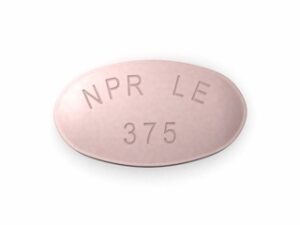



Cyclosporine: Patient-Friendly Guide (Australia)
Cyclosporine is an immunosuppressant medicine used to control an overactive immune system. It is used in several important situations, including preventing rejection after organ transplantation and treating certain immune-related conditions. Because cyclosporine can affect the kidneys and increase infection risk, it requires careful monitoring and a consistent approach to dosing.
This guide explains how cyclosporine works, how it is used, what to expect, and key safety and interaction information to help you take the medicine safely. Always follow the dosing instructions provided by your healthcare professional and refer to the product-specific consumer medicine information for your brand and formulation.
Quick product overview
| Category | Details |
|---|---|
| Generic name | Cyclosporine |
| What it does | Reduces immune system activity |
| Common forms | Capsules, oral solution (brands vary by market) |
| Typical monitoring | Blood levels, kidney function, blood pressure, blood tests |
| Key cautions | Infection risk, kidney effects, high blood pressure, drug interactions |
| Common use cases | Transplant medicine; selected autoimmune/immune-mediated conditions |
How cyclosporine works (mechanism of action)
Cyclosporine belongs to a group of medicines called calcineurin inhibitors. It works by reducing the activation of T-cells, a type of immune cell that helps coordinate the body’s immune response.
In simple terms, cyclosporine helps “calm down” immune activity by interfering with internal signalling pathways needed for T-cells to function. This reduces inflammation and lowers the chance that your immune system will attack transplanted organs or trigger immune-mediated disease.
Pharmacokinetics (how the body handles cyclosporine)
Cyclosporine is absorbed from the gut, then metabolised primarily in the liver by enzymes in the CYP450 system (especially CYP3A4). Its absorption can vary between individuals, which is why blood level monitoring may be recommended, particularly in transplant settings.
- Absorption: Can be variable; taking it consistently in relation to meals helps reduce fluctuations.
- Metabolism: Mainly liver metabolism via CYP3A4 and related pathways.
- Elimination: Metabolites are cleared mainly through bile and the gastrointestinal tract.
- Half-life: Varies among individuals and formulations; your clinician may use blood levels rather than time-based estimates.
Because cyclosporine has a narrow therapeutic range, small changes in dose, formulation, diet, or interacting medicines can significantly affect blood concentration.
Typical uses in Australia
Cyclosporine is used for conditions where immune suppression is required. The exact list of indications depends on the product formulation and local prescribing guidance.
1) Transplantation
- Prevention of rejection in certain organ transplant recipients.
- Usually used as part of combination therapy to reduce the risk of immune rejection.
2) Immune-mediated conditions
In some circumstances, cyclosporine may be used to treat specific autoimmune or inflammatory conditions that do not respond adequately to other treatments. Examples (depending on local product approvals) may include:
- Certain severe skin conditions
- Selected ocular surface/inflammatory conditions
- Other immune-mediated diseases where immunosuppression is appropriate
If you are unsure whether cyclosporine is intended for your specific condition, check your packaging and ask your pharmacist.
Timing and how to take cyclosporine
The best timing depends on your prescribed regimen and formulation (capsules vs oral solution). In general:
- Consistency matters: Try to take cyclosporine at the same times each day.
- Stay consistent with meals: Some people are advised to take it either with food or without food—follow your plan.
- Do not switch brands or formulations without advice: Different products may have different absorption profiles.
- Use the correct measuring tool: If using an oral solution, measure carefully with the provided device.
If you miss a dose, follow the instructions in the consumer medicine information or your healthcare professional’s guidance. Do not take double doses to make up for a missed dose.
Food interactions: what to know
Food can affect cyclosporine absorption and blood levels. The key practical goal is to avoid sudden changes in what and when you eat relative to your dose.
Common food-related considerations
- Grapefruit and grapefruit juice: Generally advised to avoid, as they can increase cyclosporine levels.
- Other citrus products: Check with your pharmacist, as some may also affect metabolism.
- General approach: Keep your routine stable (same meal schedule, same portion timing).
“With food” vs “without food”
Some formulations and regimens are recommended with or without food. Food can either increase or reduce absorption depending on formulation and individual factors. Follow your instructions and product label.
Alcohol and medicine interactions
Alcohol is not usually a direct “blocker” of cyclosporine, but it can affect liver function, increase dehydration risk, and add strain to the body—especially if you already have kidney or liver issues.
- General advice: Limit alcohol and discuss with your pharmacist or doctor if you plan regular or heavy drinking.
- Be cautious: Alcohol may worsen side effects such as dizziness, stomach upset, or fatigue.
Drug interactions (very important)
Cyclosporine interacts with many medicines because it is metabolised by CYP450 enzymes (particularly CYP3A4). Interactions can raise cyclosporine levels (increasing toxicity risk) or lower them (reducing effectiveness).
Medicines that may increase cyclosporine levels
- Antifungals (e.g., azole antifungals)
- Macrolide antibiotics (e.g., certain medicines used for infections)
- Some antiviral medicines
- Calcium channel blockers (some types)
- Some other CYP3A4 inhibitors
Medicines that may decrease cyclosporine levels
- Rifampicin and related antibiotics
- Anticonvulsants (some seizure medicines)
- St John’s wort (herbal supplement)
- Some other inducers of drug metabolism
Additional interaction themes to know
- Kidney stress: Combining cyclosporine with other medicines that can harm the kidneys may increase risk.
- Potassium balance: Some medicines can raise or lower potassium; ask your pharmacist if you take diuretics or supplements.
- Infection risk: Avoid “stacking” immunosuppression unless specifically directed.
Tell your pharmacist about all medicines you take, including non-prescription products, vitamins, and herbal supplements. This includes cold/flu remedies and pain medicines.
Indications: when cyclosporine may be recommended
Indications are condition-specific and may differ by formulation and local regulatory approvals. In general, cyclosporine is considered when:
- The immune system is overactive or causing organ damage or organ rejection risk.
- Other treatments have not been effective enough or rapid immune control is needed.
- The benefits outweigh the potential risks (including infections and organ toxicity).
Dosing: how cyclosporine is commonly prescribed
Cyclosporine dosing is individualised. Dose depends on the condition being treated, your response, and your blood levels (where monitored), as well as kidney function and other medications. Always follow your personalised plan.
General dosing principles
- Individual target: The dose is adjusted to achieve the desired effect while limiting side effects.
- Blood level monitoring: Often used to guide adjustments in transplant settings and some other cases.
- Weight and kidney function may be considered: Especially when starting therapy.
- Do not change dose on your own: Even if you feel well, the immune effects are ongoing.
Example dosing approaches (educational only)
Your regimen may be once or twice daily depending on product formulation and indication. Some regimens are based on body weight and monitored blood concentration. Your pharmacist can help confirm how many times per day you should take your specific brand.
Important: Because cyclosporine has variable absorption and potential interactions, dosing schedules and formulation matters. Do not use an “online dose estimate” as a substitute for your prescribed plan.
Safety profile: side effects and when to seek help
Like all medicines, cyclosporine can cause side effects. Many people tolerate it, but because it suppresses the immune system and can affect organs, it requires careful observation.
Common side effects
- Increased hair growth (more noticeable in some individuals)
- Gum overgrowth (good oral hygiene helps)
- Tremor or headache
- Changes in blood pressure (often increases)
- Stomach discomfort, nausea, or appetite changes
- Fluid retention or swelling
- Elevated cholesterol or blood lipids (in some people)
- Kidney function changes may occur (monitored with blood tests)
Serious risks
- Infection: Cyclosporine reduces immune defence. Seek medical advice promptly if you develop fever, chills, persistent sore throat, unusual cough, burning when urinating, or other signs of infection.
- Kidney toxicity: Can affect kidney function. Monitoring is essential.
- High blood pressure: May require treatment adjustments.
- Increased risk of certain cancers: Long-term immunosuppression can raise risk of some malignancies.
- Neurological effects: Rare but important—contact a clinician for severe headache, confusion, weakness, or vision changes.
Urgent action
Contact a healthcare professional urgently or seek emergency care if you have signs of a severe allergic reaction (such as swelling of the face/lips, difficulty breathing, severe rash) or symptoms of a serious infection.
Practical use tips for everyday life
Stick to a routine
- Choose dosing times that fit your day and set reminders.
- Keep your medication in a consistent location and protect from extreme heat.
Attend blood tests and monitoring
- Blood level monitoring may be used to confirm exposure and guide dose adjustment.
- Regular checks typically include kidney function, blood pressure, electrolytes (such as potassium and magnesium), and other relevant markers.
Oral care matters
Gum overgrowth can occur. Brush gently but thoroughly, use floss if appropriate, and see your dentist regularly. If you notice gum swelling, bleeding, or discomfort, ask your clinician for advice.
Protect your skin
Immunosuppression can increase sensitivity to the sun. Use sunscreen (broad-spectrum), wear protective clothing, and avoid prolonged sun exposure.
Stay alert for infections
- Seek advice early if you feel unwell.
- Keep vaccinations up to date with clinician guidance (some vaccines may be avoided while immunosuppressed).
- Practice good hygiene and avoid close contact with people who have contagious illnesses when possible.
Alternative options
Depending on the reason you are taking cyclosporine, alternatives may include other immunosuppressants or anti-inflammatory treatments. Which option is appropriate depends on your diagnosis, severity, response to therapy, and your overall health.
Examples of alternative medicines (category-based)
- Other calcineurin inhibitors (such as tacrolimus)
- Other immunosuppressants used in combination regimens for transplant or autoimmune diseases
- Targeted biologic or anti-inflammatory therapies for selected immune-mediated conditions
- Supportive and non-immunosuppressive measures where appropriate
A clinician can advise on switching or stepping therapy based on monitoring results and treatment goals. Do not stop cyclosporine suddenly unless instructed.
Australia: market, legal and guidance context
In Australia, cyclosporine is available under regulated medicines frameworks. Availability, brand names, and the exact conditions for supply depend on current approvals and scheduling under Australian law.
In practice, cyclosporine commonly requires careful supervision because:
- It can interact with many other drugs and foods.
- It often requires ongoing monitoring (bloods, blood pressure, and sometimes drug levels).
- It increases susceptibility to infection and can affect organs such as the kidneys.
Always check the product label and follow up-to-date guidance from Australian health authorities and your healthcare provider. Local clinical pathways may include regular laboratory monitoring and review of interacting medicines.
Recent safety monitoring themes (general updates)
While product-specific recommendations can vary, ongoing clinical practice has emphasised:
- Consistency of formulation: avoiding unnecessary switching between cyclosporine products due to absorption differences.
- Therapeutic drug monitoring: using blood levels where recommended—especially in transplant settings.
- Interaction checks: reviewing new medications promptly (including antibiotics, antifungals, antivirals, and herbal products).
- Infection vigilance: early assessment of fever and symptoms to reduce complications.
Your pharmacy can help you review your medication list for likely interaction risks each time you start a new medicine.
Delivery and availability (Australia)
Cyclosporine availability depends on the brand and formulation stocked by the pharmacy and current supply chains. If you are ordering online, the pharmacy may provide estimated dispatch times and delivery options within Australia.
- Availability: Some formulations may have limited stock at times.
- Packaging: Medicines are typically supplied in original containers with patient information.
- Delivery: Delivery times vary by location; regional and remote areas may take longer.
If you need a specific brand or formulation, consider ordering early and allow time for processing and delivery.
FAQ: Cyclosporine
1) Why do I need blood tests while taking cyclosporine?
Cyclosporine levels and effects can vary between individuals. Blood tests help monitor kidney function and other safety markers. In some situations, blood level monitoring helps guide dose adjustments to balance effectiveness and side effects.
2) Can I take cyclosporine with food?
It depends on your specific regimen and formulation. Food may change absorption, so it’s best to follow the instructions on your product label and the advice given to you. If you take it “with meals” one day, try not to switch to “without meals” the next day.
3) Is grapefruit juice safe with cyclosporine?
Grapefruit and grapefruit juice may increase cyclosporine blood levels due to effects on drug metabolism. Many clinicians recommend avoiding grapefruit products during treatment. Ask your pharmacist if you are unsure.
4) What should I do if I miss a dose?
Follow the missed-dose guidance in the consumer medicine information or your healthcare professional’s advice. In many cases, the instruction is to take it when remembered unless it is close to the next dose—never take double doses.
5) Are vaccinations safe while on cyclosporine?
Some vaccines may be less effective or may be avoided when you are immunosuppressed. Speak with your clinician or pharmacist before receiving any vaccination so they can advise what is appropriate for your immune status.
6) Can I take over-the-counter pain relief?
Some pain medicines and anti-inflammatory drugs may affect kidneys or interact with other medicines. Ask your pharmacist what is suitable for you. Avoid starting new non-prescription medicines without checking for interaction risks.
7) What side effects are most important to watch for?
Monitor for signs of infection (fever, persistent cough, burning urine, unusual symptoms), worsening kidney function (which is usually detected by blood tests), and high blood pressure (headaches, dizziness, or as measured at clinic). Seek prompt medical advice if symptoms are severe or concerning.
8) Can I drink alcohol?
If you choose to drink, keep it limited and discuss with your clinician—particularly if you have kidney or liver issues or if you have been advised to avoid alcohol. Alcohol can increase the risk of dehydration and may worsen side effects.
9) Can I switch from one cyclosporine product to another?
Switching between brands or formulations can change absorption and blood levels. Only switch if your prescriber and pharmacist agree, and plan monitoring if needed.
10) Are herbal supplements safe?
Many herbal products can interact with cyclosporine, including St John’s wort. Always tell your pharmacist about supplements and herbal products before starting them.
Final reminders
Cyclosporine can be a highly effective medicine, but safe use depends on careful monitoring and avoiding interaction risks. Keep your dosing routine consistent, maintain regular blood tests, and contact your healthcare professional promptly if you develop symptoms of infection or experience concerning side effects.